Doctor Letter for Housing: Essential Guidelines 2023
A doctor letter for housing accommodation is a critical medical document that supports your request for reasonable accommodations in your apartment or rental property. Whether you need accessible features, allergen-free environments, or modifications due to mobility limitations, a properly written physician letter strengthens your legal standing under the Fair Housing Act and ensures landlords take your needs seriously.
This comprehensive guide explains what should be included in a housing accommodation letter, how to request one from your healthcare provider, and how to present it effectively to your landlord. Understanding these essential guidelines helps you secure the living environment necessary for your health and well-being.
What Is a Doctor Letter for Housing Accommodation?
A doctor letter for housing accommodation is a formal medical document written by a licensed healthcare provider that verifies your disability or medical condition and explains why you need specific modifications or accommodations in your living space. This letter serves as objective medical evidence supporting your request to your landlord.
Unlike casual doctor’s notes, accommodation letters follow specific legal standards and must contain particular information to be legally defensible. They bridge the gap between your personal statement of need and your landlord’s obligation to provide reasonable accommodations under federal housing law.
The letter functions as both a medical certification and a legal document. It should clearly establish the nexus—the direct connection—between your medical condition and the specific accommodation you’re requesting. For example, if you have severe arthritis, the letter should explain why a ground-floor unit is medically necessary, not merely convenient.
Housing accommodation letters differ from ESA letters for depression and housing in scope. While ESA letters focus on emotional support animals, housing accommodation letters address physical modifications, accessible features, and environmental changes needed for your health and safety.
Legal Requirements and Fair Housing Act Protections
The Fair Housing Act (FHA), enforced by the U.S. Department of Housing and Urban Development (HUD), prohibits discrimination based on disability and requires landlords to provide reasonable accommodations. A doctor letter for housing accommodation is your primary tool for invoking these protections legally.
Under the FHA, a reasonable accommodation is a change to rules, policies, practices, or services when necessary to afford a person with a disability equal opportunity to use and enjoy a dwelling. Your medical letter must establish that you have a disability as defined by law—a physical or mental impairment that substantially limits one or more major life activities.
The Americans with Disabilities Act (ADA) provides additional protections, particularly for those using service animal verification for landlord purposes. State and local housing laws may also provide additional protections beyond federal requirements.
A well-documented doctor letter prevents landlords from denying your request based on skepticism or lack of evidence. It creates a clear paper trail showing you made a reasonable accommodation request supported by medical evidence, which protects you if disputes arise.
Your landlord cannot legally require you to disclose your diagnosis in detail, but the letter must establish sufficient nexus between your condition and the accommodation. The letter should be specific enough to justify the accommodation without unnecessarily exposing private medical information.
Key Components Your Doctor Letter Must Include
A legally sufficient doctor letter for housing accommodation should contain these essential elements:
- Healthcare Provider Credentials: The letter must be written on official letterhead from a licensed physician, psychiatrist, psychologist, nurse practitioner, or other qualified healthcare provider. Include the provider’s full name, credentials, license number, contact information, and the date the letter was written. This establishes the writer’s authority to make medical determinations.
- Patient Identification: Include your full name and date of birth to clearly identify you as the patient. The letter should confirm how long the provider has treated you and the frequency of your visits or consultations.
- Disability or Medical Condition: The letter must state that you have a disability or medical condition that substantially limits one or more major life activities. You don’t need to disclose your specific diagnosis if it’s sensitive, but the functional limitations must be clear. For example: “The patient has a mobility impairment that substantially limits walking, climbing stairs, and standing for extended periods.”
- Functional Limitations: Describe how your condition affects your daily activities and ability to use standard housing. Explain what activities are impaired and to what degree. This is the critical connection between your condition and why you need the specific accommodation.
- Specific Accommodation Request: Clearly state the exact accommodation you need. Rather than vague language, be specific: “ground-floor unit to eliminate stair climbing” or “unit with air conditioning due to heat sensitivity” or “accessible parking space within 100 feet of the unit entrance.”
- Nexus Statement: Explain the direct relationship between your functional limitations and the requested accommodation. This is crucial for legal sufficiency. Example: “Due to Ms. Johnson’s severe mobility limitations, climbing stairs causes significant pain and poses a fall risk. A ground-floor unit is medically necessary to ensure her safe and independent access to her home.”
- Medical Necessity Language: Use phrases like “medically necessary,” “essential for the patient’s health and safety,” or “required to ensure equal access.” This language strengthens the legal weight of the letter.
- Provider Signature and Date: The letter must be personally signed and dated by the healthcare provider. Electronic signatures on official letterhead are typically acceptable, but confirm your landlord’s preferences.
- Contact Information: Include a phone number or email where your landlord can reach the provider if they have verification questions. Many providers include this on official letterhead.
Avoid common mistakes like making the letter too brief, using vague language, or failing to explain why the specific accommodation is necessary. The letter should be professional but compassionate, demonstrating both medical legitimacy and human need.

Common Housing Accommodations Supported by Medical Letters
Doctor letters for housing accommodation support a wide range of requests. Understanding common accommodations helps you articulate your needs clearly:
- Ground-Floor or First-Floor Units: Necessary for those with mobility limitations, chronic pain conditions, cardiac issues, or respiratory diseases where stair climbing is medically contraindicated. The letter should explain why stairs pose a specific health risk.
- Accessible Parking: Supports requests for designated accessible parking spaces close to the building entrance. Useful for those with mobility impairments, chronic fatigue, or conditions affecting walking distance tolerance. Related to disability parking permit doctor certification processes.
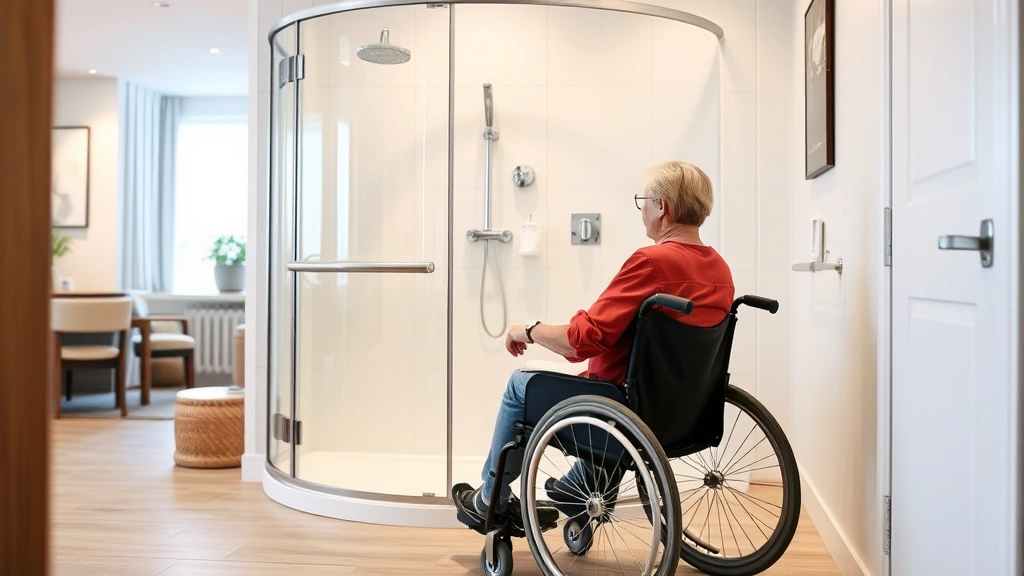
- Unit Modifications: Includes grab bars in bathrooms, lever-handle door openers, lowered light switches or thermostats, widened doorways, accessible showers, or ramps. Each modification requires explanation of functional limitations necessitating the change.
- Allergen-Free or Smoke-Free Environments: For those with severe allergies, asthma, or respiratory conditions. The letter must explain how allergen exposure causes significant health deterioration and why isolation from these triggers is medically necessary.
- Emotional Support Animal (ESA) Housing: Allows animals in no-pet buildings or with pet restrictions. See our guide on ESA letter for depression housing for specific requirements for animal accommodations.
- Climate Control Modifications: Air conditioning for heat-sensitive conditions, humidifiers for respiratory issues, or specific temperature requirements. Must document the medical consequences of inadequate climate control.
- Quiet or Low-Stimulation Environments: For those with PTSD, autism spectrum disorder, or severe anxiety. May request units away from elevators, ice machines, or high-traffic areas. Requires explanation of how noise or activity triggers symptoms.
- Unit Size Modifications: Requesting larger units for mobility equipment storage or medical equipment setup. The letter should explain what equipment is necessary and why additional space is essential.
Your accommodation request should be reasonable and directly tied to your medical condition. Landlords can deny requests that are unreasonable, cause undue financial hardship, or fundamentally alter the nature of their business.
How to Request a Letter From Your Healthcare Provider
Requesting a doctor letter for housing accommodation requires clear communication with your healthcare provider:
- Schedule an Appointment: Don’t request the letter via email or phone alone. Schedule a proper appointment where you can discuss your housing needs and medical situation in detail. This ensures your provider has comprehensive information and sufficient basis for the letter.
- Prepare Written Details: Before your appointment, write down your specific housing accommodation request, your functional limitations, and how your condition affects your daily life. Bring this to your appointment to guide the discussion.
- Be Honest About Your Condition: Provide accurate, detailed information about your symptoms, limitations, and how they affect your housing needs. Exaggeration undermines the letter’s credibility and can constitute fraud.
- Explain the Legal Purpose: Tell your provider this letter will be submitted to your landlord under Fair Housing Act protections. This helps them understand why specific language and documentation are important.
- Request Specific Accommodations: Clearly state what you’re requesting. Don’t assume your provider knows what accommodation would help—explain ground-floor units, accessible parking, ESA approval, or whatever you need.
- Provide a Template (Optional): Some providers appreciate a template showing what information should be included. You can reference this guide or ask your provider’s office for their standard format.
- Allow Adequate Time: Request the letter with sufficient notice—at least one to two weeks. Providers are busy, and rushing may result in incomplete or generic letters.
- Confirm Delivery Method: Ask whether the letter will be mailed to you, sent directly to your landlord, or made available for pickup. Confirm the timeline.
- Review the Letter: When you receive it, review it carefully to ensure all key components are present. If it’s missing important information, contact your provider to request additions.
If your primary care provider is unfamiliar with your specific condition, consider requesting the letter from a specialist who treats that condition regularly. A cardiologist’s letter regarding cardiac limitations carries more weight than a general practitioner’s letter on the same topic.
What to Do If Your Landlord Denies Your Request
If your landlord denies your reasonable accommodation request despite your doctor letter, you have legal options:
- Request Written Explanation: Ask your landlord to provide written reasons for the denial. This helps you understand their objections and identify whether they’re legally justified or constitute discrimination.
- Provide Additional Documentation: If your landlord claims your letter lacks sufficient detail, ask your doctor to provide additional information addressing their specific concerns. This often resolves disputes without formal action.
- File a Fair Housing Complaint: Contact HUD’s Fair Housing Hotline at 1-800-669-9777 or file a complaint online. HUD investigates discrimination claims and can compel landlords to provide accommodations.
- Contact Your State Attorney General: Many state attorneys general have housing discrimination divisions that investigate complaints and enforce fair housing laws.
- Consult a Disability Rights Organization: Organizations like the Disability Rights Education & Defense Fund (DREDF) provide guidance on housing discrimination issues and may offer legal referrals.
- Seek Legal Counsel: A housing attorney experienced in disability law can evaluate whether the denial violates fair housing laws and represent you in disputes or litigation.
Document all communication with your landlord regarding your accommodation request. Keep copies of your accommodation letter, your request email or letter, and all responses. This documentation is crucial if you need to pursue formal complaints or legal action.
Retaliation is illegal—landlords cannot penalize you for requesting reasonable accommodations or filing fair housing complaints. If your landlord retaliates, report this immediately to HUD or your attorney.

FAQ
Can I use a general doctor’s note instead of a formal accommodation letter?
No. A casual doctor’s note stating “patient needs a ground-floor apartment” lacks the legal sufficiency required by fair housing law. The letter must include credentials, detailed functional limitations, specific accommodation requests, and clear nexus statements. A proper accommodation letter requires intentional drafting with legal requirements in mind, which differs significantly from routine medical documentation.
How old can my doctor letter be before it’s considered outdated?
Generally, accommodation letters dated within the past year are considered current. For conditions that are stable and unlikely to change significantly, older letters may be acceptable. However, if your condition has worsened or changed, request an updated letter. If your landlord questions the letter’s currency, provide a new one rather than risk denial based on age concerns.
Can my landlord require me to disclose my diagnosis?
No. Fair housing law protects your privacy. Your landlord is entitled to know that you have a disability and understand the functional limitations necessitating the accommodation, but you’re not required to disclose your specific diagnosis. A letter stating “the patient has a mobility impairment substantially limiting walking” is sufficient without naming the underlying condition.
What if my healthcare provider refuses to write the letter?
You have options. First, discuss their concerns—they may need additional information about fair housing requirements or clarification about what you’re requesting. If they refuse because they believe the accommodation isn’t medically necessary, consider seeking a second opinion from another provider. If you’ve seen them multiple times and they’re familiar with your condition, their refusal suggests the accommodation may not have sufficient medical basis, which is important information for your decision-making.
Can I write my own accommodation letter instead of using a doctor’s?
No. Your personal statement of need, while important, doesn’t constitute medical evidence. Fair housing law specifically requires that accommodation requests be supported by reliable disability-related information. Only a healthcare provider’s letter carries legal weight. Your personal statement can supplement the letter but cannot replace it.
How much should I pay for a doctor letter?
Costs vary by provider and location, typically ranging from $50 to $200. Some providers include letters in regular appointment fees, while others charge separately. Ask about costs when you request the letter. If cost is prohibitive, discuss payment plans or ask whether a student health center, community health clinic, or disability services office can provide lower-cost letters.
Should I submit my doctor letter directly to my landlord or through my attorney?
You can submit it directly if you’re comfortable doing so. However, if you anticipate disputes or have already had conflicts with your landlord, submitting through an attorney creates a more formal record and may encourage prompt, serious consideration. For initial requests, direct submission is typically appropriate and faster.
Can my landlord contact my doctor to verify the letter?
Landlords can contact your doctor, but your doctor is not required to share additional medical information beyond what’s in the letter due to patient privacy laws. The letter should include contact information so your doctor can confirm they wrote it and that you’re their patient. They won’t typically discuss your condition details with third parties without your written authorization.