
Doctor Letter for Housing: Employer Accommodation Guide
When you’re managing a medical condition that affects your living situation, a doctor’s letter can be a critical tool in securing housing accommodations through your employer or rental assistance programs. Whether you need accessible features, proximity to medical facilities, or environmental modifications due to a health condition, understanding how to obtain and use a medical accommodation letter is essential. This guide walks you through the process, legal requirements, and best practices for leveraging employer-supported housing accommodations.
Employers increasingly recognize their responsibility to support employees’ housing needs when medical conditions create barriers to safe, stable living. A properly documented letter from your healthcare provider establishes the medical necessity for specific accommodations, protects your privacy, and creates a paper trail that satisfies legal requirements under the Fair Housing Act and the Americans with Disabilities Act (ADA).
The intersection of employment, healthcare, and housing law can be complex. This comprehensive guide clarifies your rights, explains what makes a valid medical letter, and shows you how to navigate the process effectively.
Understanding Doctor Letters for Housing Accommodation
A doctor letter for housing accommodation is a formal medical document that establishes a documented need for specific residential modifications or housing features based on your health condition. This letter serves multiple purposes: it provides evidence to your landlord or employer, supports requests for reasonable accommodations, and creates a medical record of your condition and functional limitations.
Unlike casual medical advice, a formal accommodation letter follows specific legal standards. It must be written on official letterhead, signed by a licensed healthcare provider, and include specific medical and functional details. The letter bridges the gap between your private medical information and the practical accommodations you need in your living environment.
Employers may become involved in housing accommodations when they offer relocation assistance, employer housing programs, or when an employee’s medical condition creates barriers to job performance that housing modifications could resolve. Some employers partner with real estate professionals or housing assistance programs to help employees find suitable accommodations that align with their medical needs.
The strength of your accommodation letter directly impacts how seriously your request will be taken. A vague letter stating “the employee needs accessible housing” carries far less weight than a detailed letter explaining specific functional limitations, medical diagnoses (if appropriate), and concrete accommodation recommendations.
Legal Framework and Employer Obligations
Your right to housing accommodations is protected by several federal laws. The Fair Housing Act explicitly prohibits discrimination based on disability and requires landlords to make reasonable accommodations in rules, policies, practices, and services. The ADA requires employers to provide reasonable accommodations to qualified employees with disabilities, which can include support in securing appropriate housing when medically necessary.
Under the Equal Employment Opportunity Commission (EEOC) guidelines, employers cannot require you to disclose your specific diagnosis but can request information about functional limitations. A doctor’s letter that explains what you cannot do and what accommodations would help is far more useful than one focused solely on diagnosis.
The Department of Housing and Urban Development (HUD) oversees fair housing enforcement and recognizes medical documentation as a legitimate basis for housing accommodations. When your employer is involved—whether providing housing assistance, relocation support, or employee housing programs—they must comply with these federal protections.
Important legal principles include:
- Interactive Process: Employers must engage in good-faith dialogue about accommodations rather than simply accepting or rejecting requests.
- Individualized Assessment: Each accommodation request must be evaluated based on your specific medical needs, not blanket policies.
- Confidentiality: Medical information must be kept separate from personnel files and shared only with those who need it for accommodation purposes.
- No Retaliation: Requesting accommodations is legally protected; employers cannot retaliate against you for doing so.
Your employer is not required to provide the “best” accommodation or the one you prefer, only a “reasonable” one that effectively addresses your medical needs. However, if you have strong medical reasons for a specific accommodation, your doctor’s letter documenting that preference carries significant weight.
What Your Doctor’s Letter Must Include
A legally sufficient medical accommodation letter contains several essential elements. Without these components, landlords and employers may reject your request as insufficiently documented.
Provider Credentials: The letter must be on official letterhead from a licensed healthcare provider—physician, nurse practitioner, physician assistant, psychologist, or other qualified mental health professional. Include the provider’s license number, contact information, and credentials.
Your Functional Limitations: Rather than just stating your diagnosis, describe what you cannot do. For example: “Due to severe mobility limitations, the patient requires a ground-floor unit accessible without stairs” or “The patient’s respiratory condition requires proximity to air quality monitoring facilities and low-pollution environments.”
Nexus to Housing: Explicitly connect your medical condition to housing needs. Explain why standard housing won’t work and how specific accommodations would address your limitations. For example: “A unit with an accessible bathroom and grab bars is medically necessary due to the patient’s balance disorder and fall risk.”
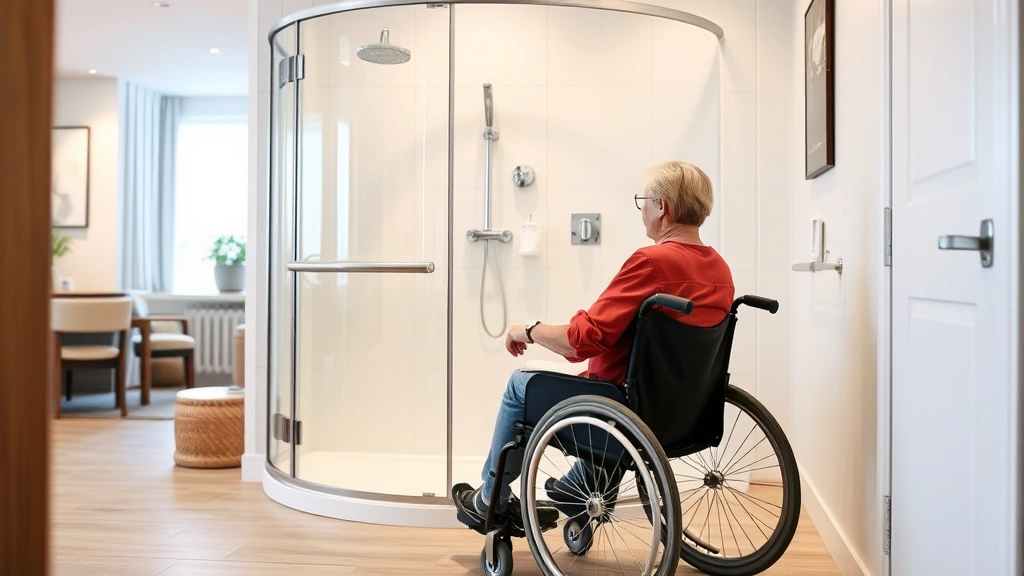
Specific Accommodation Recommendations: List concrete, measurable accommodations. Instead of “accessible housing,” specify: “single-story unit with no steps at entry, accessible bathroom with grab bars and roll-in shower, accessible parking space within 50 feet of unit entrance.”
Duration and Permanence: Clarify whether the need is temporary or permanent. A letter stating “the patient will require these accommodations for the foreseeable future” is stronger than one with an expiration date.
Provider Signature and Date: The letter must be personally signed and dated by the healthcare provider. Electronic signatures and typed names without actual signatures are generally insufficient.
Contact Information for Verification: Include the provider’s phone number and email so landlords or employers can verify the letter if needed (though they cannot discuss medical details).
A workplace accommodation letter for an apartment follows the same standards but may also address how housing accommodations support your ability to work effectively.
How Employers Support Housing Accommodation
Employers support housing accommodations through various mechanisms. Understanding these pathways helps you navigate the process more effectively and know what to request from your employer.
Relocation Assistance Programs: If your employer is transferring you or offering relocation, they may provide housing assistance that accommodates medical needs. HR can work with relocation specialists to identify units meeting your requirements.
Employee Housing Programs: Some employers, particularly in tight housing markets or specialized industries, offer direct housing assistance. These programs must comply with fair housing laws and accommodate medical needs.
Flexible Work Arrangements: When housing barriers exist, employers may offer remote work accommodations to reduce commuting requirements or allow you to live in areas better suited to your medical needs.
Housing Allowances or Stipends: Some employers provide housing allowances that employees can use flexibly to secure appropriate accommodations.
Partnership with Accessible Housing Organizations: Progressive employers partner with nonprofits and housing specialists to help employees find accessible units.
Employee Assistance Programs (EAP): Many EAPs include housing search assistance and can help coordinate with your healthcare provider to document needs.
To activate employer support, follow your company’s formal accommodation request process. Document your request in writing, submit your medical letter, and maintain copies of all communications. This creates a paper trail that protects both you and your employer legally.
Step-by-Step Process for Obtaining Your Letter
Step 1: Schedule an Appointment with Your Healthcare Provider
Contact your primary care physician, specialist, or mental health provider. Be specific about why you need the letter: “I need a medical accommodation letter for housing because [reason].” Some providers have templates or experience with accommodation letters and can streamline the process.
Step 2: Prepare Documentation of Your Medical Needs
Before your appointment, write down your functional limitations related to housing. Examples include mobility issues preventing stairs, respiratory conditions requiring air quality, mental health conditions requiring specific environmental features, or chronic conditions requiring proximity to medical facilities. Bring recent medical records, test results, or medication lists if relevant.
Step 3: Discuss Specific Accommodations During Your Visit
Talk with your provider about what accommodations would help. Be specific: “I need a ground-floor unit because I cannot safely use stairs,” not just “I need accessible housing.” Your provider’s understanding of your specific needs directly impacts the letter’s effectiveness.
Step 4: Request a Formal Letter, Not a Note
Ask for a formal, signed letter on letterhead—not a handwritten note. Specify that it’s for housing accommodation and may need to satisfy legal standards. Ask about the turnaround time; most providers can provide letters within 1-2 weeks.
Step 5: Review the Letter Before Submitting
When you receive the letter, review it carefully. Does it include all essential elements? Is it specific enough? If something is missing or unclear, contact the provider’s office for revisions. You want the strongest possible documentation.
Step 6: Submit to Your Employer’s HR or Accommodation Department
Follow your employer’s formal process. Most require submission to HR or a designated accommodation coordinator. Submit in writing (email with read receipt or certified mail) and keep copies. Don’t assume verbal requests will be documented.
Step 7: Engage in the Interactive Process
Your employer should respond within a reasonable timeframe (usually 5-10 business days). Be prepared to discuss your needs, answer clarifying questions, and potentially explore alternative accommodations. This is a collaborative process, not a simple approval/denial.
If your employer denies your request, ask for the specific reason in writing. If you believe the denial is unlawful, you may file a complaint with the EEOC or consult an employment attorney.
Common Housing Accommodation Scenarios
Mobility and Accessibility Issues: Employees with mobility limitations, spinal cord injuries, or conditions like cerebral palsy often need ground-floor units, accessible bathrooms, elevators, or accessible parking. A doctor’s letter should specify mobility limitations and how accessibility features directly address them.
Respiratory and Environmental Conditions: Asthma, COPD, multiple chemical sensitivity, or immunocompromised conditions may require units away from pollution sources, with specific HVAC systems, or in buildings with strict pet/smoking policies. Medical letters should explain how environmental factors impact the condition.
Mental Health and Sensory Needs: Anxiety, PTSD, autism, or sensory processing disorders may require quiet units, specific locations, or buildings with particular characteristics. The letter should explain how environmental features support mental health and functional ability.
Chronic Pain and Temperature Sensitivity: Conditions like fibromyalgia or dysautonomia may require units with climate control, proximity to healthcare, or specific architectural features. Connect these needs directly to medical limitations.
Proximity to Medical Care: Some conditions require frequent medical appointments. A letter explaining medical necessity for living near specific hospitals or clinics is appropriate and protected.
Support for Service Animals: If you have a service animal, your doctor’s letter should document the medical necessity for the animal and your need for pet-friendly housing. This is distinct from but related to emotional support animal letters.
Each scenario requires a tailored letter that connects medical facts to specific housing needs. Generic letters are less effective than those addressing your particular situation.

” alt=”Healthcare provider writing medical accommodation letter at desk with patient file”>
Privacy and Confidentiality Protections
Your medical information deserves careful protection. Even when requesting accommodations, you have legal rights to privacy and confidentiality.
Limited Disclosure: You don’t need to disclose your diagnosis to your employer or landlord. You only need to explain your functional limitations and why specific accommodations are necessary. A good doctor’s letter emphasizes functional impact over diagnosis.
Separate Medical Files: Under ADA regulations, medical information must be kept in separate, confidential files—not in your general personnel file. Your employer cannot share medical details with coworkers or supervisors without your permission.
Need-to-Know Basis: Only people directly involved in providing or evaluating accommodations should see your medical information. This typically means HR and perhaps a facilities manager, not your entire team.
Verification vs. Disclosure: Employers may contact your healthcare provider to verify the letter’s authenticity, but your provider cannot discuss your condition without your authorization. The verification call is simply confirming that the letter is genuine.
Written Requests Only: Always submit accommodation requests in writing. This creates documentation and reduces the risk of miscommunication or information being shared inappropriately.
Know Your Rights: You can request to see what medical information your employer has on file about you. Under HIPAA and state privacy laws, you have rights to access and correct this information.
If you believe your medical privacy has been violated, document the incident and contact your employer’s compliance office, your state’s labor department, or an employment attorney.

” alt=”Person reviewing confidential medical document in private office setting”>
FAQ
Can my employer require a doctor’s letter for housing accommodation?
Yes. Once you request an accommodation, your employer can ask for medical documentation supporting the need. This is legal under the ADA. However, they cannot require unreasonable documentation or ask for unnecessary details about your diagnosis.
What if my doctor refuses to write a housing accommodation letter?
Some providers are uncomfortable with accommodation letters due to liability concerns or lack of familiarity. If this happens, ask your provider to explain their concerns and offer to clarify what’s needed. If they still refuse, consider consulting another healthcare provider who understands accommodation letters. Medical disability documentation is a standard, legal practice.
How long is a doctor’s letter valid?
There’s no standard expiration date. A letter addressing a permanent condition can be used indefinitely. For temporary conditions, the letter should specify the expected duration. Some employers may request updated letters annually, which is reasonable if your condition may have changed.
Can I get a housing accommodation letter via telehealth?
Yes, many telehealth providers can write accommodation letters if they’ve evaluated you medically. However, they should have sufficient information about your condition and functional limitations. In-person evaluation is not always required if you have an established therapeutic or medical relationship.
What if my employer denies my accommodation request despite my doctor’s letter?
Request a written explanation of the denial. If you believe it’s unlawful discrimination, you can file a complaint with the EEOC (for employment-related issues) or HUD (for housing-related issues). Consulting an employment attorney is advisable for serious denials.
Do I need separate letters for my employer and my landlord?
Not necessarily. One well-written letter can serve both purposes if it addresses your housing needs broadly. However, if your employer needs information about work-related impacts while your landlord only cares about housing features, separate letters might be clearer.
Can my employer use my accommodation letter against me?
No. Requesting accommodations is legally protected. Your employer cannot use accommodation requests as a basis for discipline, demotion, or termination. This is explicit protection under the ADA and Fair Housing Act. If retaliation occurs, it’s illegal and you have strong legal recourse.
What medical conditions qualify for housing accommodations?
Any condition that creates functional limitations affecting your ability to live safely or effectively in standard housing may qualify. This includes physical disabilities, chronic illnesses, mental health conditions, sensory disabilities, and neurodevelopmental conditions. The key is documenting the functional impact, not the diagnosis.