
Fast Jury Duty Medical Exemption: Doctor’s Insight
Jury duty is a civic responsibility, but for individuals with serious medical conditions, serving on a jury can pose significant health risks and complications. If you have a chronic illness, mobility impairment, mental health condition, or other medical condition that makes jury service inadvisable, you may qualify for a medical exemption. The key to securing this exemption quickly is understanding the legal requirements, gathering proper medical documentation, and submitting your request through the appropriate channels before your trial date.
A jury duty medical exemption letter from a licensed healthcare provider is the most compelling evidence you can present to a court. This letter must clearly articulate how your medical condition would be negatively affected by jury service, whether through prolonged sitting, stress, medication side effects, or other functional limitations. Many courts recognize that certain individuals simply cannot fulfill jury duties without jeopardizing their health, and they’re willing to grant exemptions when presented with credible medical evidence.
This guide walks you through obtaining a fast jury duty medical exemption letter, understanding what courts require, and navigating the exemption process efficiently.
Understanding Jury Duty Medical Exemptions
Courts across the United States recognize that jury duty, while an important civic duty, may be incompatible with certain medical conditions. Federal courts and most state courts have procedures allowing individuals to request exemption or postponement based on medical grounds. The EEOC and various disability rights organizations have clarified that courts cannot discriminate against individuals with disabilities, but they can accommodate those whose conditions genuinely prevent them from serving.
A medical exemption is different from a postponement. A postponement delays your jury service to a later date, while an exemption permanently excuses you from jury duty. Courts are more likely to grant exemptions when you can demonstrate that your condition is chronic, serious, and would be substantially worsened by jury service. The burden of proof rests with you, making a strong medical letter essential.
Most courts require that exemption requests be submitted before your scheduled appearance date. Some courts allow requests up to the day of trial, but submitting early—ideally when you first receive your summons—gives you the best chance of approval and demonstrates good faith effort to comply with your civic duty.
What Qualifies as a Medical Reason for Exemption
Courts generally recognize a broad range of medical conditions that may warrant exemption from jury duty. Common qualifying conditions include:
- Chronic pain disorders — conditions like fibromyalgia, arthritis, or back pain that make prolonged sitting painful or impossible
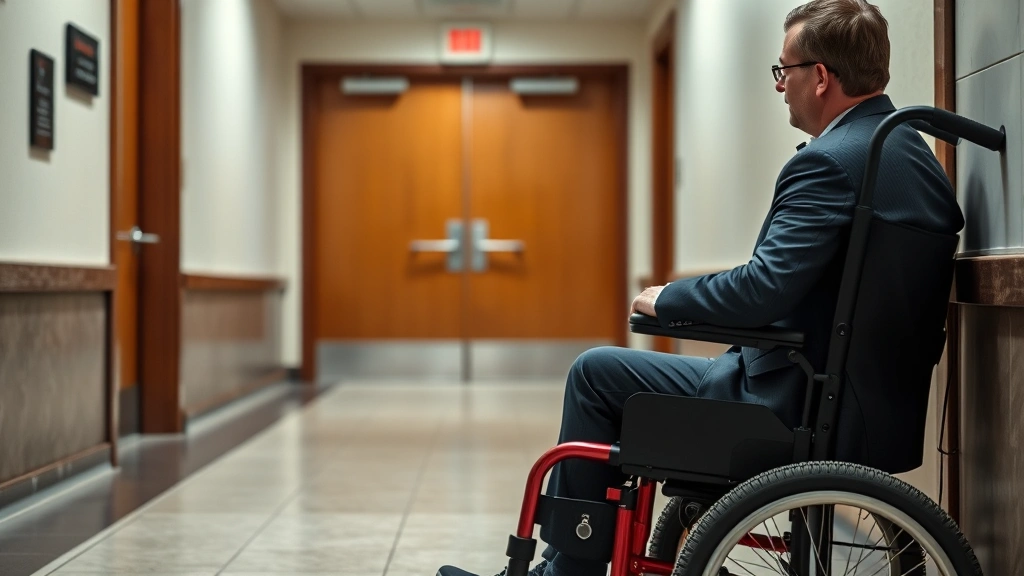
- Mobility impairments — arthritis, paralysis, cerebral palsy, or other conditions affecting movement and courthouse accessibility
- Severe mental health conditions — PTSD, severe anxiety, panic disorder, or major depression that could be triggered by courtroom stress
- Autoimmune and immunocompromised conditions — conditions requiring isolation or making public settings dangerous to health
- Neurological conditions — epilepsy, multiple sclerosis, Parkinson’s disease, or conditions affecting cognition
- Cardiovascular conditions — heart disease, severe hypertension, or conditions exacerbated by stress
- Cancer and serious illnesses — active treatment, severe fatigue, or compromised immune function
- Severe hearing or vision impairment — conditions preventing full participation in proceedings
- Pregnancy complications — high-risk pregnancies or conditions making courthouse attendance unsafe
The key factor courts consider is functional limitation. Your condition must demonstrably prevent you from fulfilling jury duties fairly and safely. Mild conditions or those easily managed with medication may not qualify, while severe, chronic conditions almost always do.
If you’re seeking accommodation in other areas, such as workplace accommodations or housing accommodations, the same medical documentation can often support multiple requests. However, jury duty exemptions specifically require court-focused language addressing your ability to sit through trials.
Key Elements of a Medical Exemption Letter
A court-acceptable medical exemption letter must include specific components to be taken seriously. Generic letters are often rejected, while well-structured letters have high approval rates.
Essential components include:
- Physician credentials — the doctor’s name, license number, medical specialty, and contact information
- Patient identification — your full name and case/summons number (if known)
- Diagnosis and duration — the specific medical condition and how long you’ve had it
- Functional limitations — explicit description of how the condition affects your ability to sit, concentrate, or handle stress
- Jury duty specificity — explanation of why jury service would be harmful (e.g., “prolonged sitting for 6-8 hours daily would cause severe pain flare-ups and mobility loss”)
- Medical evidence — reference to test results, imaging, or treatment history supporting the diagnosis
- Current treatment — medications, therapies, or accommodations you’re currently using
- Prognosis — whether the condition is temporary or permanent
- Professional recommendation — clear statement that jury service is medically inadvisable
- Physician signature and date — original signature (not electronic) when possible, though courts increasingly accept digital signatures
Courts scrutinize exemption letters carefully because they want to ensure legitimacy while respecting genuine medical needs. A letter that’s vague, overly brief, or lacks medical detail will likely be rejected and may require you to appear in person to explain further.
How to Get a Medical Exemption Letter Fast
If you’ve received a jury summons with an approaching trial date, obtaining a medical exemption letter quickly is critical. Several options exist depending on your timeline and medical situation.
Option 1: Contact Your Current Healthcare Provider
If you have an established relationship with a doctor, call their office immediately and explain that you need a medical exemption letter for jury duty with an urgent timeline. Many physicians will prioritize this request, especially if you’re an established patient with a documented condition. Provide the doctor with your jury summons details, including the trial date and any specific court requirements.
Option 2: Urgent Care or Emergency Department
If you cannot reach your primary care doctor in time, visiting an urgent care clinic or emergency department can produce a letter within hours. Bring your jury summons, medical records if available, and be prepared to pay an evaluation fee. This option works well if you have acute symptoms or a recent diagnosis that makes jury duty impossible.
Option 3: Telehealth Medical Documentation Services
Services like medical documentation services specialize in creating court-ready medical letters quickly. Many offer same-day or next-day turnaround for jury duty exemptions. These services connect you with licensed physicians who review your medical history and condition, then provide a professional letter formatted specifically for court submission. This option is ideal when you need documentation fast and your regular doctor is unavailable.
When using any of these options, provide clear information about:
- Your specific medical condition(s)
- How long you’ve had the condition
- Current medications and treatments
- Specific functional limitations (pain, fatigue, mobility, cognitive effects)
- Why jury service would worsen your condition
- The trial date from your summons
The faster you act, the better. Don’t wait until the day before trial to seek documentation—aim to submit your exemption request within 1-2 weeks of receiving your summons.
Submitting Your Request to the Court
Once you have your medical letter, submitting it correctly to the court is crucial. Improper submission can result in rejection or a requirement to appear despite your medical condition.
Steps for submission:
- Review your summons for specific instructions on how to request exemption. Some courts provide a phone number, email address, or online portal specifically for medical exemptions.
- Contact the court clerk’s office if instructions aren’t clear. Explain that you’re submitting a medical exemption request and ask about preferred submission method and deadline.
- Submit your letter by the method the court specifies—typically mail, email, or in-person delivery. Keep copies for your records.
- Include a cover letter briefly explaining your request and providing your summons number and trial date.
- Request written confirmation of receipt. If submitting by email, request a read receipt. If mailing, consider sending it certified mail.
- Follow up if you don’t hear back within 5-7 business days. Call the court clerk to confirm receipt and ask about the status of your request.
Never simply ignore a jury summons or fail to appear without submitting an exemption request. This can result in contempt of court charges, fines, or even jail time. Even if you believe your exemption will be denied, submitting the medical letter protects you legally.
What Happens After You Submit
After submitting your medical exemption letter, the court clerk or judge will review it. The timeline varies, but you should expect a decision within 1-3 weeks. Some courts respond faster, especially if the trial date is imminent.
Possible outcomes:
- Exemption granted — you’re permanently excused from jury duty. Some courts grant exemptions for a specific period (e.g., one year) rather than permanently.
- Exemption denied — the court believes your condition doesn’t warrant exemption. You’ll receive notice and may be required to appear. You can request a judge review or ask to appear in person to explain further.
- Postponement granted — your jury service is delayed to a future date when your condition may improve.
- Request for additional information — the court may ask your doctor for clarification or additional medical details.
If your exemption is denied, you have options. You can request a personal hearing with a judge to explain your situation, provide additional medical evidence, or obtain a more detailed disability verification letter that addresses the court’s concerns.
Courts are generally sympathetic to legitimate medical needs, but they also want to prevent abuse of the exemption process. A strong medical letter with specific details about your condition and functional limitations significantly increases approval odds.
Strengthening Your Exemption Request
If you’re concerned your exemption might be denied or if you’ve already been denied once, take steps to strengthen your request.
Gather supporting documentation:
- Medical records showing your diagnosis and treatment history
- Test results, imaging reports, or lab work documenting your condition
- Documentation of current medications and their side effects
- Letters from specialists treating your condition
- Records of hospitalizations or emergency department visits related to your condition
Provide specific details about jury duty impact:
Don’t just say “I have chronic pain.” Instead, explain: “My condition causes severe pain when sitting for more than 30 minutes. Jury duty typically requires sitting 6-8 hours daily for weeks. This would cause pain flare-ups lasting days, requiring increased medication use and potential emergency care.”
Mention accessibility barriers:
If courthouse accessibility is an issue—limited wheelchair accessibility, no accommodations for service animals, inadequate bathroom facilities—mention this. Courts are required to make reasonable accommodations, but some cannot meet certain needs. If you truly cannot access the courthouse safely, this strengthens your exemption request.
Be honest about prognosis:
If your condition is permanent, say so. If it’s temporary but will persist through the trial date, explain the timeline. Courts respect honesty and are more likely to grant exemptions when they understand the full picture.
Consider professional help:
If you’re unsure whether your condition qualifies or how to present it effectively, consult with a disability rights attorney. Many offer free consultations and can advise whether you have a strong case. The Job Accommodation Network (JAN) also provides guidance on disability-related accommodations, including jury duty.

FAQ
How long does it take to get a medical exemption letter for jury duty?
If you have an established healthcare provider, you can often obtain a letter within 24-48 hours. Telehealth medical documentation services can provide letters same-day or next-day. Urgent care facilities typically provide letters within a few hours. The key is acting quickly—don’t wait until the week before your trial date.
Can I be punished for requesting a medical exemption?
No. Courts recognize that medical exemptions are legitimate requests, and submitting one will not result in punishment or future discrimination. However, ignoring a summons without submitting an exemption request can result in contempt of court charges.
Will my medical information be kept private?
Medical exemption letters are submitted to the court and become part of the court record. While court records are generally public, exemption letters are often handled sensitively. Don’t include unnecessary personal health information—stick to details relevant to jury duty.
What if my doctor refuses to write an exemption letter?
If your primary care doctor won’t write the letter, consult another healthcare provider or a specialist treating your condition. If you genuinely have a serious medical condition, another qualified physician will document it. You can also contact a telehealth medical documentation service that specializes in court-ready letters.
Can I appeal a denied exemption request?
Yes. If your exemption is denied, you can request a personal hearing with the judge, submit additional medical evidence, or ask for a second medical opinion. Some courts allow you to resubmit with more detailed documentation.
Is a medical exemption letter the same as other accommodation letters?
Medical exemption letters for jury duty are specifically formatted for courts and address jury service capabilities. They differ from ESA letters or workplace accommodation letters, though the underlying medical documentation may be similar. Each letter type must be tailored to its specific legal purpose.
What if I have multiple conditions—do I need separate letters?
No. A single comprehensive letter addressing all your conditions and their combined impact on jury service is sufficient and often more persuasive than multiple letters.
How do I know if my condition qualifies for exemption?
Courts consider whether your condition creates functional limitations that prevent fair jury service. Chronic, serious conditions affecting mobility, cognition, stress tolerance, or pain are most likely to qualify. Consult with your healthcare provider or a disability advocate if you’re uncertain whether your condition meets the threshold.
Can I be excused from jury duty without a medical letter?
Courts have discretion to excuse jurors for hardship reasons, including medical conditions, even without a formal letter. However, submitting a professional medical letter significantly increases your chances of exemption. Relying on verbal explanation alone is riskier and may require you to appear in person.