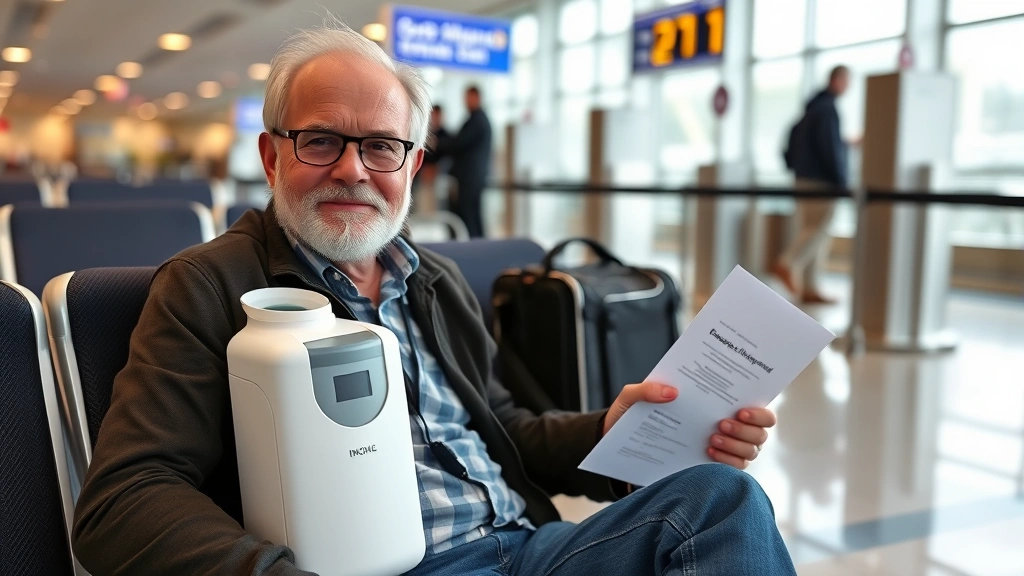
Traveling with Medical Equipment: Doctor’s Guide
Traveling with medical equipment can feel overwhelming, especially when you’re navigating airport security, airline policies, and transportation logistics while managing a chronic health condition. Whether you rely on oxygen concentrators, CPAP machines, insulin pumps, mobility devices, or other essential medical equipment, understanding your rights and preparing proper documentation is crucial for seamless travel. A comprehensive medical equipment travel letter from your healthcare provider serves as your key to hassle-free airport screening, airline accommodations, and confident exploration of new destinations.
This guide walks you through everything you need to know about obtaining quick approval for medical equipment travel letters, understanding TSA and airline regulations, and advocating for yourself throughout your journey. By preparing ahead and securing the right documentation, you can focus on enjoying your trip rather than worrying about equipment complications at security checkpoints or during flight.
Understanding Medical Equipment Travel Letters
A medical equipment travel letter is an official document from your healthcare provider that verifies your medical condition and explains why specific equipment is medically necessary for your health and safety. This letter serves multiple critical purposes: it provides TSA agents with clear justification for your equipment at security checkpoints, communicates your needs to airline staff, helps you navigate customs and border regulations if traveling internationally, and documents your medical requirements for reference if equipment is lost or damaged during travel.
Unlike general medical documentation that establishes disability or accommodation needs, a travel-specific letter focuses on the functional necessity of your equipment during transportation and at your destination. The letter essentially tells TSA and airline personnel: “This person has a legitimate medical need for this specific equipment, and it must accompany them on their journey.”
The importance of this letter cannot be overstated. Without proper documentation, you may face delays at security, equipment confiscation, denial of boarding, or unnecessary stress during your travel experience. A well-written letter from your doctor dramatically reduces friction and ensures your equipment travels with you as checked baggage, carry-on, or personal item depending on the device.
TSA Regulations for Medical Devices and Equipment
The Transportation Security Administration (TSA) has specific guidelines for medical equipment that differ significantly from standard baggage rules. According to TSA regulations, medical devices and equipment necessary for your health condition are generally permitted in both carry-on and checked baggage, provided you have proper documentation.
Common medical equipment permitted through TSA checkpoints includes:
- Oxygen concentrators and oxygen tanks: Must be declared to TSA; portable concentrators approved by FAA may accompany you through security
- CPAP and BiPAP machines: Permitted in carry-on or checked baggage; no special TSA approval needed beyond standard screening
- Insulin pumps and glucose monitors: Can pass through metal detectors; inform TSA if you prefer hand-screening rather than X-ray
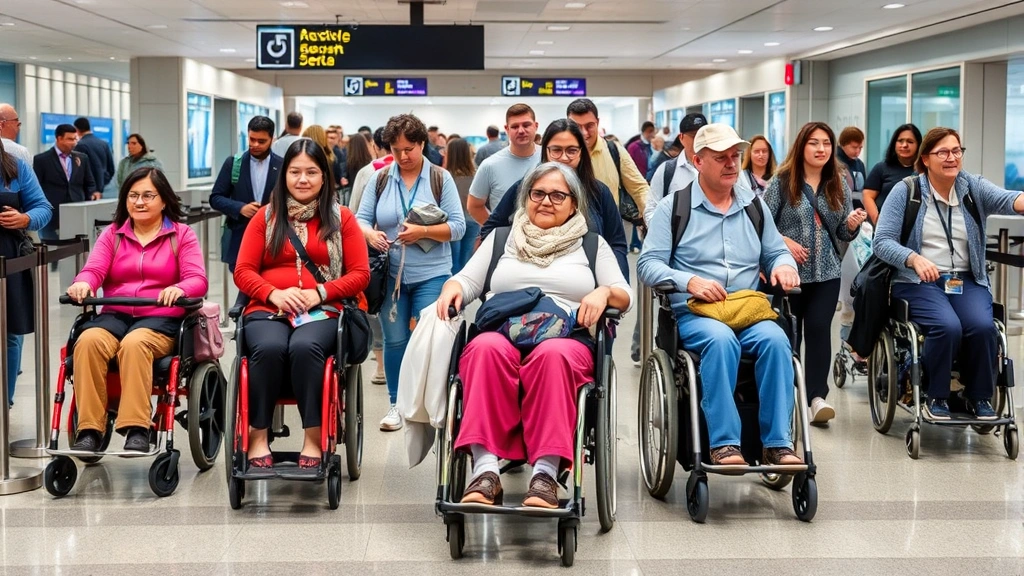
- Mobility aids: Wheelchairs, walkers, and canes receive special handling; inform TSA staff immediately
- Nebulizers and inhalers: Permitted; gel or liquid medications have specific quantity restrictions
- Ventilators and respiratory equipment: Require advance coordination with your airline and TSA PreCheck enrollment recommended
The key to smooth TSA screening is transparency and preparation. Inform TSA agents about your equipment before screening begins, show your medical letter, and allow extra time for potential hand-screening of devices. TSA agents are trained to accommodate medical equipment, but they need clear communication and documentation to expedite the process.
Airline Policies and Equipment Requirements
Each airline maintains its own policies regarding medical equipment, and these policies can vary significantly. Major carriers including Delta, United, American, and Southwest all permit medical equipment but may have different requirements for advance notice, documentation, and storage arrangements.
Most airlines require:
- Advance notification: Call the airline 24-48 hours before your flight to inform them of your medical equipment; some airlines require longer notice
- Medical documentation: Your doctor’s letter explaining the medical necessity of your equipment
- Equipment specifications: Battery type, weight, dimensions, and whether it requires electrical power
- Special handling requests: Whether equipment needs climate-controlled storage, proximity to electrical outlets, or specific placement in the cabin
The FAA (Federal Aviation Administration) oversees airline policies and has established guidelines for medical device transportation, but individual airline policies may exceed these minimum standards. Contact your specific airline directly to understand their exact requirements before booking your flight.
Some airlines may charge fees for equipment storage or require you to provide your own power source for devices during flight. Understanding these policies in advance prevents surprises and allows you to make informed travel decisions or request specific accommodations.
How to Request a Medical Equipment Travel Letter
Requesting a medical equipment travel letter from your doctor is straightforward, but timing and clear communication are essential. Here’s the process:
- Schedule an appointment or contact your doctor’s office: You don’t necessarily need an in-person visit; many doctors will prepare a travel letter based on your existing medical records and a phone conversation
- Provide specific information: Tell your doctor you’re traveling and need documentation of your medical equipment necessity; specify the exact equipment, travel dates, and destinations
- Request a formal letter on letterhead: Ask for a letter on official medical letterhead with your doctor’s signature, license number, and contact information
- Allow adequate time: Request the letter at least 2-3 weeks before travel; some offices may provide rush service for an additional fee
- Specify the format: Ask if the doctor can provide both printed and digital copies; digital copies are helpful for international travel where you may need to email documentation to customs or airline authorities
If you don’t have an established relationship with a doctor, or your current provider is unavailable, telehealth services and medical accommodation specialists can provide travel documentation quickly. Many online medical platforms specialize in rapid documentation for travel purposes and can provide letters within 24-48 hours.
What Your Letter Should Include
A comprehensive medical equipment travel letter includes specific elements that satisfy TSA, airline, and international customs requirements. Your letter should contain:
- Your full name and date of birth: Must match your passport and airline ticket exactly
- Your medical diagnosis: The specific condition requiring equipment (e.g., sleep apnea, chronic obstructive pulmonary disease, diabetes)
- Equipment description: Exact name and model of each device you’re traveling with
- Medical necessity statement: Explicit language stating that the equipment is medically necessary for your health and safety during travel
- Duration of use: How long you use the equipment daily and whether it’s required continuously or intermittently
- Power requirements: Voltage, outlet type, and whether batteries are sufficient or electrical power is needed
- Special handling instructions: Any specific storage, temperature, or handling requirements
- Doctor’s credentials: Full name, medical license number, specialty, contact phone number, and clinic/hospital address
- Doctor’s signature: Original ink signature on official medical letterhead
- Date issued: Should be recent (within 1-3 months of travel) for maximum credibility
The letter should be written in clear, professional language that TSA agents and airline personnel can quickly understand. Avoid medical jargon; instead, use direct statements like “This patient requires continuous use of a portable oxygen concentrator for respiratory function during all waking hours, including during air travel.”
Getting Quick Approval from Your Doctor
If you need your medical equipment travel letter quickly, here are strategies to accelerate the approval process:
Provide a template: Create a simple template letter that your doctor can review and sign. Many doctors appreciate this because it saves them time writing from scratch. Include all the essential elements listed above, and your doctor simply needs to verify accuracy and add their signature.
Call your doctor’s office directly: Don’t rely solely on patient portal messages. Speaking with your doctor’s office staff directly allows you to explain your travel timeline and request expedited processing. Many offices can produce letters within 24 hours if you communicate urgency clearly.
Use established relationships: If you’ve seen your doctor regularly, they have comprehensive knowledge of your medical history and equipment needs. This makes writing a letter faster than for a new patient.
Consider urgent care or telehealth alternatives: If your primary doctor is unavailable, urgent care clinics and telehealth medical platforms specializing in accommodation letters can provide documentation quickly. Ensure the provider is licensed in your state and can speak to your medical condition credibly.
Pay for expedited service: Some medical offices charge a rush fee (typically $25-75) for same-day or next-day letter production. This investment is worthwhile when travel is imminent.
Request digital and printed copies simultaneously: Ask your doctor’s office to email a PDF copy while also mailing the original. This gives you backup documentation and allows you to share electronic copies with airlines or customs authorities if needed.
International Travel Considerations
Traveling internationally with medical equipment requires additional documentation and advance planning beyond domestic TSA requirements. Different countries have varying regulations regarding medical devices, medications, and equipment importation.
Before international travel:
- Research destination country regulations: Contact the embassy or consulate of your destination country to understand their specific medical equipment import rules
- Obtain a letter in the destination language: Ask your doctor for a translation of your medical letter in the primary language of your destination country, or hire a professional medical translator
- Carry original prescriptions: Bring copies of all medication prescriptions, especially for insulin, controlled substances, or injectable medications
- Get an international medical ID: Wear a medical alert bracelet or carry an international medical ID card identifying your condition and equipment needs
- Notify customs in advance: Some countries require advance notification of medical equipment; contact customs authorities 2-4 weeks before travel
- Understand power standards: Verify that your equipment’s power requirements match the electrical standards of your destination (voltage, outlet type, frequency)
- Research medical support: Identify hospitals or clinics in your destination that can service your equipment if problems arise
The U.S. State Department provides health and medical information for international travelers, including guidance on traveling with medical devices and medications across borders.
Tips for Smooth Airport Screening
Even with perfect documentation, airport screening can feel stressful. These practical tips help ensure smooth passage through security:
Arrive early and inform TSA immediately: Give yourself extra time at the airport—at least 3 hours for international flights and 2 hours for domestic flights when traveling with medical equipment. Inform TSA officers about your equipment before screening begins.
Have documentation readily accessible: Keep your medical equipment travel letter in a separate folder or envelope that’s easy to access without removing all items from your bag. Laminate a copy for durability.
Request hand-screening if preferred: You can request that your equipment be hand-screened rather than X-rayed if you’re concerned about device damage. TSA agents are trained to accommodate this request.
Know TSA PreCheck eligibility: If you travel frequently with medical equipment, TSA PreCheck membership ($78-85 for 5 years) can expedite security screening and reduce complications with medical devices.
Pack equipment strategically: Keep critical equipment (CPAP, oxygen concentrator, insulin pump) in carry-on luggage. Pack backup batteries, power cords, and medication in separate bags to ensure you have redundancy if luggage is delayed.
Dress appropriately for screening: Wear minimal metal accessories if you have an insulin pump or other electronic device that might trigger metal detectors. Inform TSA that you’re wearing medical equipment.
Stay calm and be patient: TSA agents may ask questions or request additional screening. Remain patient and cooperative; most complications arise from miscommunication rather than actual regulatory violations.
Document any issues: If TSA or airline staff deny your equipment or create unreasonable barriers, ask for a supervisor and document the incident with names, times, and details. You can file complaints with TSA’s Office of Civil Rights and Liberties if you believe your rights were violated.
FAQ
How far in advance should I request my medical equipment travel letter?
Request your letter at least 2-3 weeks before travel. This allows time for your doctor to prepare the letter and for you to address any revisions or clarifications. If travel is urgent, contact your doctor immediately and ask about rush service options.
Do I need separate letters for each airline or destination?
One comprehensive letter from your doctor generally works for all airlines and domestic travel. For international travel, you may need translations or country-specific documentation. Contact your destination country’s embassy for specific requirements.
What if my doctor refuses to write a travel letter?
If your doctor is unwilling or unavailable, contact your medical accommodation specialist or telehealth provider who can evaluate your condition and provide documentation. Ensure any provider is licensed and can speak credibly about your medical needs.
Can I use an old medical letter or accommodation letter for travel?
Travel letters should be recent—ideally dated within 1-3 months of your trip. Old letters may be questioned by TSA or airline staff. Request a fresh letter closer to your travel dates for maximum credibility.
What happens if TSA or airlines deny my medical equipment?
If your equipment is denied despite proper documentation, ask to speak with a supervisor and request clarification on which specific regulation prohibits your device. Document the interaction and file a complaint with TSA’s Office of Civil Rights or contact your airline’s customer service department. Most denials result from miscommunication rather than actual policy violations.
Are there restrictions on traveling with specific medications alongside medical equipment?
Yes. Medications like insulin require specific storage conditions and TSA screening. Carry medication in original labeled containers and keep a copy of your prescription. Notify TSA about all medications during screening.
Can family members or caregivers help manage my equipment during travel?
Yes, caregivers can assist with equipment management, but TSA still requires medical documentation under your name. If a caregiver is traveling with you, ensure they understand the equipment’s operation in case they need to explain it to TSA agents.
What should I do if my equipment is damaged during travel?
Report damage immediately to the airline, take photographs, and keep all documentation including your travel letter and equipment purchase receipts. File a damage claim with the airline and contact your equipment manufacturer about repairs or replacement.