Reasonable Accommodation: Expert Housing Letter Guide
A reasonable accommodation housing letter is a critical legal document that bridges the gap between your medical condition and your housing needs. Whether you require ground floor access due to mobility limitations, allergen-free housing for severe respiratory conditions, or other disability-related modifications, a well-crafted housing accommodation letter provides the medical foundation landlords and housing providers need to approve your request under fair housing laws.
The Fair Housing Act protects individuals with disabilities by requiring landlords to make reasonable accommodations in rules, policies, practices, and services when necessary to afford a person with a disability equal opportunity to use and enjoy a dwelling. A professional housing accommodation letter serves as documented evidence of your disability and the nexus between your condition and your accommodation request, making approval far more likely.
This comprehensive guide walks you through everything you need to know about obtaining, structuring, and submitting a housing accommodation letter that healthcare providers recognize as legitimate and that housing providers accept without unnecessary delays or denials.

What Is a Reasonable Accommodation Housing Letter?
A reasonable accommodation housing letter is a formal medical document written by a licensed healthcare provider that confirms you have a disability and explains how a specific housing accommodation relates to your medical condition. Unlike general disability documentation, a housing letter specifically connects your functional limitations to the physical or policy changes you need from your landlord or housing provider.
The letter serves three essential functions: it establishes credibility with your housing provider, it creates a legal paper trail documenting your request, and it provides the medical rationale that makes denial difficult under fair housing law. The letter should be written on official letterhead, signed by a licensed healthcare provider with relevant knowledge of your condition, and include specific details about your disability and accommodation needs.
Housing providers frequently receive accommodation requests, and those backed by professional medical documentation are processed faster and approved more often than informal requests alone. Your letter becomes part of your housing file and protects both you and your landlord by creating clear documentation that the accommodation is medically necessary rather than a preference.

Legal Framework and Fair Housing Requirements
The Fair Housing Act prohibits discrimination based on disability and requires housing providers to make reasonable accommodations in rules, policies, practices, or services when necessary to afford a person with a disability equal opportunity to use and enjoy a dwelling. This federal law applies to virtually all housing providers, including landlords, property management companies, homeowners associations, and public housing authorities.
Under the law, a reasonable accommodation request does not need to be in any particular format, but providing professional medical documentation significantly strengthens your position. The Equal Employment Opportunity Commission and Department of Housing and Urban Development have published guidance clarifying that housing providers may request reliable documentation of disability and the disability-related need for accommodation, but they cannot request your medical diagnosis, medical records, or detailed medical history.
A properly drafted housing accommodation letter provides exactly what housing providers are legally entitled to request: confirmation that you have a disability, explanation of how the accommodation relates to your disability, and information about the functional limitations that necessitate the change. Your medical documentation of disability should focus on functional limitations rather than diagnostic details.
Key Components of an Effective Housing Letter
An effective housing accommodation letter includes several critical components that healthcare providers and housing lawyers recognize as standard and legally sound. Understanding these elements helps you work with your healthcare provider to ensure your letter includes everything necessary for approval.
- Licensed Provider Credentials: The letter must be written by a licensed healthcare professional with knowledge of your condition. This includes physicians, psychiatrists, psychologists, nurse practitioners, physician assistants, and other licensed mental health or medical professionals. The letter should include the provider’s license number, credentials, and contact information.
- Disability Confirmation: The letter confirms you have a disability as defined by the Fair Housing Act—a physical or mental impairment that substantially limits one or more major life activities. The letter should not provide your specific diagnosis but should confirm the existence of a disabling condition.
- Functional Limitations: The letter describes how your disability affects your ability to use and enjoy housing. For example, “mobility limitations that make stair climbing difficult” rather than “osteoarthritis of the knees.” This functional approach is legally appropriate and protects your privacy.
- Specific Accommodation Request: The letter clearly identifies the accommodation you need, such as ground floor unit, designated accessible parking space, permission for service animal, or modification to pet policy for emotional support animal.
- Nexus Statement: The letter explains the relationship between your disability and the accommodation. This nexus is crucial—it shows why the accommodation is necessary, not merely convenient. For instance: “Due to [functional limitation], [accommodation] is necessary to afford [person] equal opportunity to use and enjoy the housing.”
- Professional Letterhead and Signature: The letter appears on official healthcare provider letterhead with the provider’s handwritten or electronic signature, license number, and contact information. This formatting signals authenticity and professionalism.
- Timeliness: The letter should be recent, ideally dated within the past year, to demonstrate current medical knowledge of your condition.
Establishing the Medical Basis for Your Accommodation
The medical foundation of your housing accommodation letter rests on demonstrating that your disability creates functional limitations that make a specific accommodation necessary. This is different from simply preferring a particular type of housing—it must establish medical necessity.
Your healthcare provider should document that without the accommodation, you face barriers to using and enjoying your housing equally. For example, if you have severe asthma triggered by pet dander, your provider might document that you require a pet-free unit to avoid respiratory distress and emergency medical situations. If you use a mobility device, your provider documents that stairs create a safety hazard and ground floor access is medically necessary.
The medical basis should be specific to your condition without divulging unnecessary diagnostic details. Rather than stating your psychiatric diagnosis, your provider might write: “My patient has a disability-related condition that substantially impairs their ability to ambulate and engage in major life activities. Due to functional mobility limitations, ground floor housing with accessible parking is necessary to afford my patient equal opportunity to use and enjoy housing.”
This approach satisfies fair housing requirements while protecting your privacy. Housing providers are not entitled to your full medical records, psychiatric history, or detailed diagnostic information. They are entitled only to confirmation that a disability exists and that the accommodation is disability-related.
Common Housing Accommodation Requests
Housing accommodation requests vary widely based on individual disabilities and functional limitations. Understanding common requests helps you articulate your needs clearly to your healthcare provider.
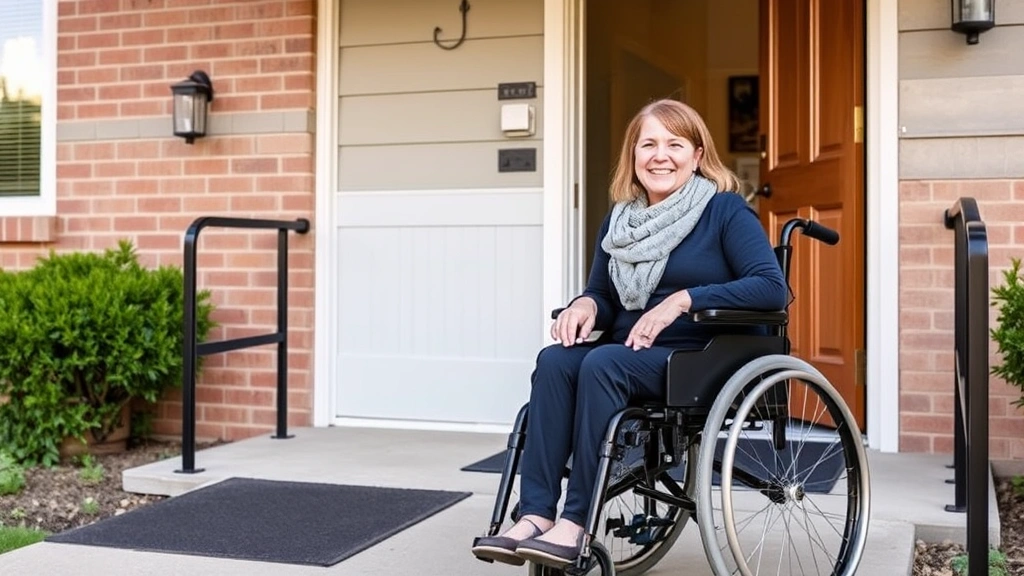
- Ground Floor Unit Transfer: For individuals with mobility impairments, chronic pain conditions, or cardiac limitations, ground floor access eliminates barriers to entry and reduces physical strain. This is one of the most common accommodation requests.
- Accessible Parking Space: Designated accessible parking near your unit accommodates individuals with mobility disabilities, chronic fatigue conditions, and others for whom walking long distances creates barriers.
- Allergen-Free Housing: Individuals with severe allergies, asthma, or environmental sensitivities may require units that have not housed pets or where specific allergens have been remediated.
- Service Animal or Emotional Support Animal Housing: Many housing providers have “no pet” policies. Individuals with disabilities may request exceptions for service animals (which perform disability-related tasks) or emotional support animals (which provide therapeutic benefit through companionship). An ESA letter online from licensed doctor documents this accommodation.
- Lease Modification or Flexibility: Individuals with chronic illnesses, psychiatric disabilities, or other conditions may request modified lease terms, such as flexibility for medical appointments or reduced notice periods for medical emergencies.
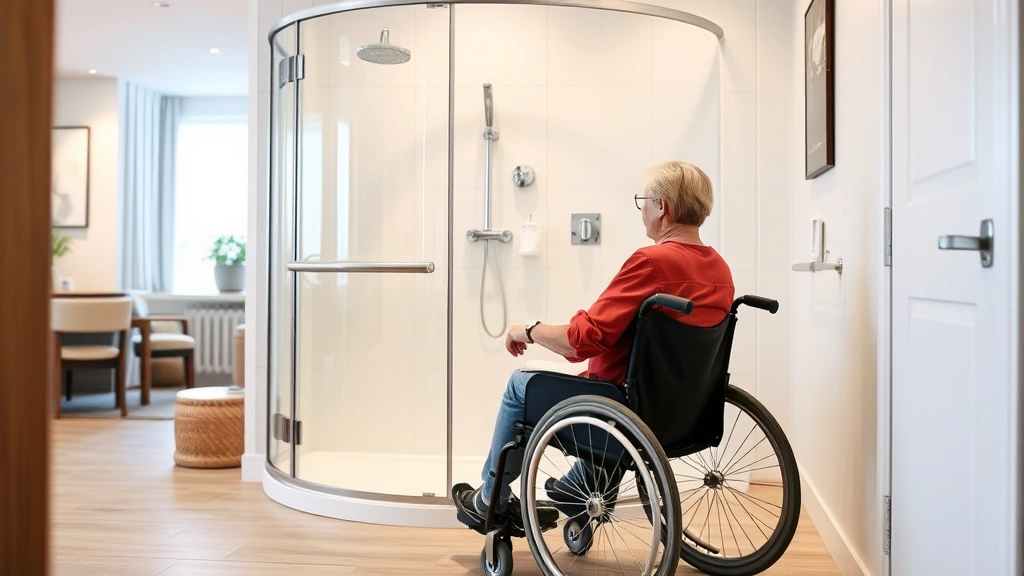
- Unit Modification or Accessibility Features: Requests for grab bars, widened doorways, accessible kitchen counters, or other physical modifications are common for individuals with mobility disabilities.
- Reduced Noise Accommodation: Individuals with sensory processing disorders, PTSD, autism spectrum disorder, or other conditions may request units away from noise sources or sound-dampening accommodations.
How to Obtain Your Housing Accommodation Letter
Obtaining a housing accommodation letter begins with identifying a licensed healthcare provider who has knowledge of your disability and can document your functional limitations. This should be a provider you have an established relationship with—someone who knows your medical history and current condition.
Schedule an appointment specifically to discuss your housing accommodation needs. During this visit, explain which accommodation you need and how your disability makes it necessary. Your provider should ask questions to understand the functional limitations that create the barrier. Come prepared with specific information about your situation and how the accommodation would address your disability-related needs.
If your current provider is unfamiliar with accommodation letters or uncomfortable writing one, you have options. Many individuals work with telehealth providers who specialize in disability documentation and accommodation letters. These providers can conduct an evaluation, review your medical history, and draft a professional letter. Housing accommodation letter services can connect you with licensed providers experienced in this documentation.
Ensure your provider includes all key components discussed above. Request that the letter be on official letterhead, signed by the provider, and include their license number and contact information. Ask for multiple copies—you may need to provide copies to your current landlord, a prospective landlord, or a housing authority.
Strategic Submission and Documentation
How you submit your housing accommodation letter significantly impacts how your request is received and processed. Strategic submission involves timing, documentation, and follow-up.
Submit Early and In Writing: Submit your accommodation request and letter in writing, keeping copies for your records. Do this before you sign a lease if possible, or as soon as you know you need an accommodation. Early submission gives housing providers time to process your request without feeling rushed or pressured.
Use Certified Mail or Email with Read Receipts: Send your letter via certified mail with return receipt, or via email with read receipt enabled. This creates documentation that your request was received and when. Save all correspondence.
Keep Documentation Organized: Maintain a file with copies of your accommodation letter, your request letter, any responses from your housing provider, and correspondence about your accommodation. This documentation protects you if disputes arise.
Follow Up Appropriately: If you don’t receive a response within a reasonable timeframe (typically 5-10 business days), follow up in writing asking for a status update. Document all follow-up communications.
Know Your Rights: Housing providers cannot charge fees for processing accommodation requests, cannot require unnecessary medical documentation, and cannot ask for your diagnosis or medical records. If your request is denied, you have the right to request the reason in writing and to file a fair housing complaint.
Related to workplace situations, if you’re also seeking employment accommodations, understanding how to request those is equally important. A medical workplace accommodation letter for work follows similar principles but is tailored to employment settings and ADA requirements.
Frequently Asked Questions
What is the difference between a housing accommodation letter and an ESA letter?
A housing accommodation letter documents any disability and the functional limitations that require accommodation. An ESA letter specifically confirms that you have a disability and that an emotional support animal provides therapeutic benefit related to your disability. An ESA letter is a type of accommodation letter focused on animal-related requests. If you need an emotional support animal in housing that has a no-pet policy, you need an ESA letter. If you need other accommodations (ground floor, accessible parking, etc.), you need a housing accommodation letter.
Can my landlord request my medical diagnosis or medical records?
No. Under fair housing law, housing providers can request reliable documentation that you have a disability and that the accommodation is disability-related, but they cannot request your specific diagnosis, medical history, or medical records. A properly written accommodation letter provides what they’re entitled to request without revealing information they’re not entitled to access.
How long does it take to get a housing accommodation letter?
If you have an established relationship with a healthcare provider, the letter can often be completed within a few days to a week. If you’re working with a telehealth accommodation letter service, turnaround is typically 3-7 business days. Urgent requests may be expedited. Plan ahead rather than waiting until you’re in crisis.
What if my housing provider denies my accommodation request?
Housing providers must engage in an interactive process to determine whether an accommodation is reasonable. If your request is denied, ask for the reason in writing. If you believe the denial is discriminatory or violates fair housing law, you can file a complaint with the HUD Office of Fair Housing and Equal Opportunity. You may also consult with a disability rights attorney or organization.
Do I need to renew my housing accommodation letter?
Housing providers cannot require you to renew an accommodation letter unless your circumstances change significantly or a substantial amount of time passes (typically several years). A current letter is stronger, but a letter from a year or two ago is generally acceptable if your condition hasn’t changed.
Can I get a housing accommodation letter online?
Yes. Licensed healthcare providers offer telehealth evaluations and accommodation letter services. These providers conduct video or phone evaluations, review your medical information, and draft professional accommodation letters. Ensure the provider is licensed in your state and that the letter includes all required components.
What if I don’t have a current healthcare provider?
You can work with a telehealth provider who specializes in accommodation letters. They will evaluate your condition, document your disability and functional limitations, and provide a professional letter. Alternatively, you might contact a disability rights organization for referrals to affordable healthcare providers in your area.
Should I mention my accommodation request before signing a lease?
It’s strategic to disclose your accommodation need before signing if possible. However, you have the right to request accommodations after move-in as well. If you disclose before signing, get the housing provider’s response in writing. If you request after move-in, submit your request promptly and follow up in writing.
Can a housing provider charge me for granting an accommodation?
No. Housing providers cannot charge fees for processing accommodation requests or for granting reasonable accommodations. If you’re asked to pay a fee related to your accommodation request, that’s a violation of fair housing law. Document this and report it to HUD.
What if I need multiple accommodations?
You can request multiple accommodations in a single letter if they’re all related to the same disability. Your healthcare provider should explain how your functional limitations necessitate each accommodation. Multiple requests are common and appropriate when medically necessary.
For additional guidance on disability documentation, review resources on how to get a functional limitation verification letter, which covers similar documentation principles.