Medical Disability Documentation: Expert Guide for Renters
Navigating rental housing with a disability or medical condition requires proper documentation to secure necessary accommodations. Whether you need an ESA letter same day for your emotional support animal, accessibility modifications to your unit, or other housing protections under the Fair Housing Act, understanding what documentation landlords legally require—and what they cannot demand—is essential. This comprehensive guide walks you through the types of medical disability documentation renters need, how to obtain legitimate paperwork, and your rights under federal housing law.
Medical disability documentation serves as the bridge between your health needs and your housing rights. Landlords cannot discriminate based on disability, and they must provide reasonable accommodations when you provide credible medical evidence. However, many renters feel confused about what documentation is necessary, what is excessive, and how to protect their privacy while securing the protections they deserve. The following sections clarify these critical distinctions and empower you to advocate effectively for your housing needs.

Types of Medical Documentation Renters Need
Renters with disabilities or medical conditions may need several forms of documentation depending on their specific situation. The most common type is a disability verification letter from a licensed healthcare provider confirming that you have a disability as defined by the Fair Housing Act. This letter establishes that you have a physical or mental impairment that substantially limits one or more major life activities.
If you have an emotional support animal (ESA), you will need a valid ESA letter from a licensed mental health professional that confirms your disability-related need for the animal. This is distinct from a service animal documentation, which covers trained dogs that perform specific tasks for people with disabilities.
For specific housing accommodations—such as a ground floor unit due to mobility limitations, an allergen-free environment, or accessible parking—you may need a functional limitation letter that describes how your disability impacts your ability to use standard housing. ESA housing letters from licensed doctors can serve this purpose when an emotional support animal is part of your accommodation request.
Some renters also require medical accommodation letters that specify the reasonable accommodations needed. While similar to workplace accommodations, housing-focused letters emphasize how modifications enable equal access to housing. You may also need documentation for service animals, which differs from ESA documentation and requires verification that the animal is specifically trained to perform disability-related tasks.

Understanding Fair Housing Protections
The Fair Housing Act (FHA), enforced by the U.S. Department of Housing and Urban Development (HUD), prohibits discrimination based on disability in all aspects of housing. Under the FHA, a disability includes physical or mental impairments that substantially limit major life activities such as walking, seeing, hearing, working, sleeping, or concentrating.
This law applies to all housing providers, including private landlords, property management companies, and public housing authorities. When you provide credible medical documentation of a disability, landlords must engage in an interactive process to determine reasonable accommodations—modifications to rules, policies, or the physical environment that enable you to use and enjoy housing equally.
Importantly, the FHA also protects your right to keep an emotional support animal even in no-pet housing, provided you have legitimate disability-related documentation. For comprehensive information on your rights, visit HUD’s Fair Housing Office.
The ADA (Americans with Disabilities Act) also applies to certain multi-family housing, requiring accessibility features and reasonable accommodations. Understanding both the FHA and ADA strengthens your ability to advocate for necessary housing modifications. Learn more at ADA.gov.
ESA Letters and Housing Documentation
An emotional support animal provides comfort and therapeutic benefit through companionship, reducing anxiety, depression, or other mental health symptoms. To legally keep an ESA in housing that restricts pets, you need a letter from a licensed mental health professional confirming your disability and the disability-related need for the animal.
A valid ESA housing letter must be written on licensed provider letterhead, include the provider’s license number and type, confirm your disability, explain the disability-related need for the animal, and be dated within the last 12 months. The letter should not include unnecessary medical details but must clearly establish the nexus between your disability and the animal.
Many renters benefit from obtaining an ESA letter same day through telehealth services when they need documentation quickly. These services connect you with licensed mental health professionals who can evaluate your situation and provide documentation within hours, provided you have an established therapeutic relationship or meet the provider’s evaluation criteria.
It is crucial to distinguish between ESA documentation and service animal documentation. Service animals are specifically trained to perform tasks (guiding a blind person, alerting to seizures), while ESAs provide emotional support through their presence. The documentation requirements and legal protections differ, so ensure you obtain the correct type for your situation.
Note: Landlords cannot require ESA certification from online registries, breed restrictions, size limitations, or additional fees for ESAs. These practices violate fair housing law. They can only request reliable documentation confirming your disability and disability-related need for the animal.
What Landlords Can and Cannot Request
Understanding the legal boundaries of landlord requests protects your privacy while ensuring you provide necessary documentation. Landlords can request reliable documentation confirming you have a disability and a disability-related need for accommodation. For ESAs, they can ask for a letter from a licensed healthcare provider.
Landlords cannot request detailed medical diagnoses, psychiatric records, medication lists, treatment history, or specific mental health symptoms. They cannot require documentation from specific registries, certifications, or online services. They cannot ask for medical records from your healthcare provider or demand repeated recertification without reasonable cause. They also cannot charge additional pet deposits or monthly pet fees for legitimate ESAs.
If a landlord makes an excessive request, you can politely decline and offer appropriate documentation instead. For example, if they demand your complete psychiatric file, you might respond: “I can provide a letter from my healthcare provider confirming my disability and disability-related need for my ESA, but I cannot share my full medical records as that exceeds what the Fair Housing Act requires.”
Document all communication with your landlord regarding disability accommodations. Keep copies of every letter you submit, every request they make, and their responses. This documentation protects you if a dispute arises and may be necessary to file a Fair Housing complaint.
How to Obtain Valid Medical Documentation
The first step in obtaining valid disability documentation is scheduling an appointment with a licensed healthcare provider—a physician, psychiatrist, psychologist, social worker, or other mental health professional licensed in your state. This provider must have personal knowledge of your condition through a direct therapeutic relationship or clinical evaluation.
Prepare for your appointment by bringing relevant medical records, describing your disability and functional limitations clearly, and explaining what accommodations you need and why. Be specific about how your condition affects your housing situation. For ESA documentation, explain how the animal provides emotional support and reduces your disability-related symptoms.
Your provider will document their findings and issue a letter on official letterhead. For housing purposes, the letter should confirm your disability, explain the disability-related need for accommodation (or the animal), and be signed and dated. The provider’s license information should be included so landlords can verify credentials if needed.
If you need documentation quickly, learn how to get disability documentation through telehealth providers who specialize in rapid assessments. These services are particularly valuable when you are moving soon or facing housing discrimination.
Avoid online registries that claim to “certify” ESAs or disabilities. These services have no legal standing and often provide documents that landlords rightfully reject. Focus instead on obtaining letters from legitimate, licensed healthcare providers you have worked with or can establish a relationship with through proper telehealth evaluation.
Privacy Rights and Medical Records
While landlords can request disability documentation, your medical privacy remains protected under HIPAA (Health Insurance Portability and Accountability Act) and state privacy laws. You have the right to share only the information necessary to establish your disability and accommodation need—not your entire medical history.
A well-crafted accommodation letter balances transparency with privacy. It confirms your disability without excessive detail, explains the nexus between your condition and the accommodation need, and is signed by a licensed provider. This approach satisfies landlords’ legitimate verification needs while protecting your sensitive health information.
If a landlord requests medical records directly from your provider, you can authorize a limited release that includes only information relevant to your housing accommodation. Many providers can issue letters specifically for housing purposes that contain appropriate information without unnecessary medical details.
Be cautious about sharing documentation beyond what is necessary. You do not need to disclose your specific diagnosis, medications, therapy details, or treatment history. A statement such as “I have a disability that substantially limits [specific major life activity], and I need [specific accommodation]” is often sufficient.
Disability Documentation for Specific Accommodations
Different housing accommodations may require slightly different documentation approaches. For ESA housing, you need the ESA housing letter from a licensed doctor confirming your disability and disability-related need for the animal.
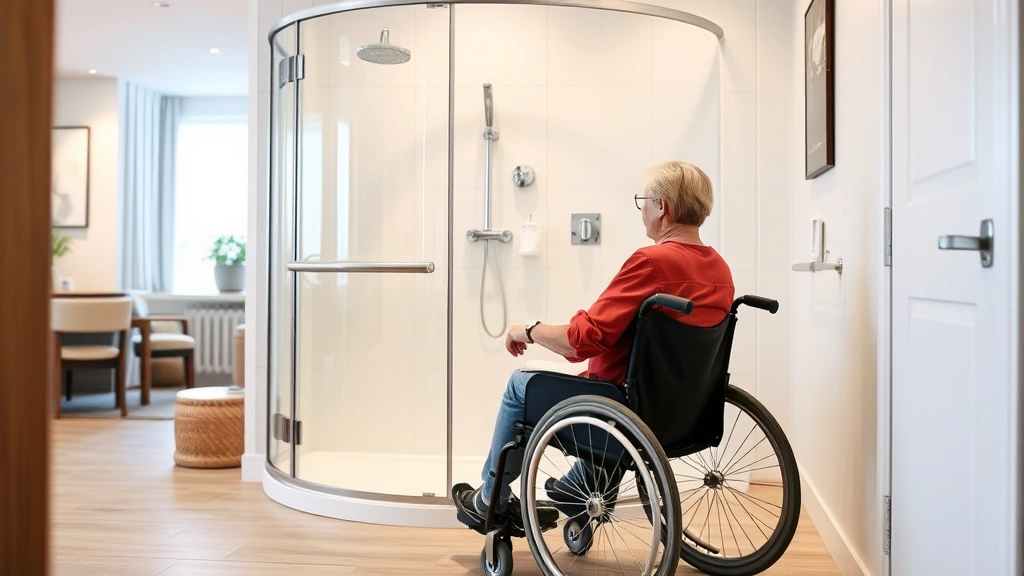
For physical accessibility modifications—such as a ground floor unit, accessible parking space, or bathroom modifications—you need documentation describing your mobility limitations and how the modification enables you to use the housing. For example, if you use a wheelchair, documentation should explain that you need accessible parking and an accessible route to your unit.
For allergen-free or chemically sensitive housing, documentation should describe your condition (such as asthma, chemical sensitivity, or severe allergies) and explain why standard housing triggers symptoms. Some properties can accommodate requests to restrict certain fragrances or cleaning products in your unit and adjacent units.
For service animals, documentation differs from ESA letters. Landlords can only ask two questions: (1) Is the animal required because of a disability? and (2) What tasks does the animal perform? You do not need formal documentation, though providing a letter from your healthcare provider or the organization that trained the animal strengthens your case if questioned.
For workplace accommodations if you are renting and also seeking work-related accommodations, you may benefit from a workplace accommodation letter from a licensed doctor, though this is separate from housing documentation.
FAQ
What if my landlord refuses to accept my ESA documentation?
If your documentation is from a licensed provider and meets FHA requirements, your landlord’s refusal may constitute fair housing discrimination. Document their refusal in writing, request they reconsider in writing, and file a complaint with HUD if they continue to refuse. You can file a fair housing complaint at HUD’s Fair Housing portal or contact your state’s fair housing agency.
Can my landlord charge a pet deposit or fee for my ESA?
No. Under the Fair Housing Act, landlords cannot charge pet deposits, pet fees, or pet rent for legitimate ESAs. They can charge for damages caused by the animal, but they cannot charge standard pet-related fees. If your landlord attempts this, it is a clear violation of fair housing law.
How recent must my disability documentation be?
Documentation should generally be dated within the last 12 months, though older documentation may be acceptable if your condition has not changed. Landlords cannot demand annual recertification without reasonable cause. If your condition evolves or your accommodation needs change, updating your documentation is advisable.
Can I get disability documentation online without seeing a provider in person?
Yes. Telehealth providers can evaluate you and issue legitimate documentation without an in-person visit. However, the provider must be licensed in your state, must conduct a genuine evaluation (not simply issue documents without assessment), and must have a reasonable basis for their conclusions. Avoid services that issue documents without proper evaluation.
What should I do if my landlord asks for excessive medical information?
Politely decline and offer appropriate documentation instead. You might say: “I appreciate your request, but I can only provide a letter from my licensed healthcare provider confirming my disability and accommodation need. Full medical records are not necessary for fair housing compliance.” If they continue to demand excessive information, this may constitute discrimination.
Is there a difference between disability documentation and ESA documentation?
Yes. Disability documentation confirms you have a disability and may describe functional limitations. ESA documentation specifically confirms your disability and the disability-related need for an emotional support animal. If you need only housing modifications (not an animal), disability documentation alone may suffice. If you have an ESA, you need ESA-specific documentation.
Can I use online ESA registries as documentation?
No. Online registries have no legal standing and provide documents that landlords rightfully reject. Legitimate ESA documentation comes from licensed healthcare providers with whom you have an established relationship or proper telehealth evaluation. Focus on obtaining letters from real providers, not registry services.
What if I cannot afford to pay for disability documentation?
Many communities offer free or low-cost legal aid for fair housing issues. Contact your local legal aid society, disability rights organization, or fair housing agency. Some providers offer sliding-scale fees based on income. Additionally, some disability advocacy organizations provide resources and guidance on obtaining documentation affordably.