
Is Your Medical Refund Request Legit? Expert Advice on Medical Refund Request Letters
Medical refund requests can feel overwhelming, especially when you’re uncertain whether your claim is legitimate or how to properly document it. Whether you’re seeking reimbursement for out-of-pocket healthcare expenses, disputing a billing error, or requesting a refund due to a medical accommodation issue, understanding the legitimacy of your request is crucial. A well-documented medical refund request letter serves as your formal appeal and can significantly impact whether your request is approved or denied.
The key to a legitimate medical refund request lies in three pillars: proper documentation, clear communication of your claim, and adherence to institutional procedures. This guide will walk you through what makes a medical refund request legitimate, how to structure your letter effectively, and what documentation you’ll need to support your case. Whether you’re dealing with insurance denials, healthcare provider billing disputes, or medical-related financial hardship situations, the strategies outlined here will help you build a compelling case.

What Makes a Medical Refund Request Legitimate
A legitimate medical refund request is grounded in honesty, supported by evidence, and aligned with the policies of the institution or insurance provider you’re addressing. Legitimacy isn’t about emotional appeal—it’s about factual accuracy and procedural compliance. Your request must demonstrate that you have a valid reason for seeking a refund and that you’ve followed proper channels to resolve the issue.
The foundation of legitimacy begins with understanding your rights. If you’re seeking a refund from an insurance company, you have the right to appeal denied claims under the Equal Employment Opportunity Commission (EEOC) guidelines if discrimination is involved, or through standard insurance appeals procedures. If you’re requesting a refund from a healthcare provider due to billing errors, the Americans with Disabilities Act (ADA) protects you from financial penalties related to disability-related accommodations.
Legitimate requests share several characteristics: they’re submitted within required timeframes, they reference specific transactions or claim numbers, they explain the reason for the refund clearly, and they include supporting documentation. A vague or emotionally-driven letter without facts will be rejected, regardless of how sympathetic your situation may be. Healthcare institutions and insurance companies receive hundreds of refund requests monthly; they prioritize those with clear evidence and proper documentation.
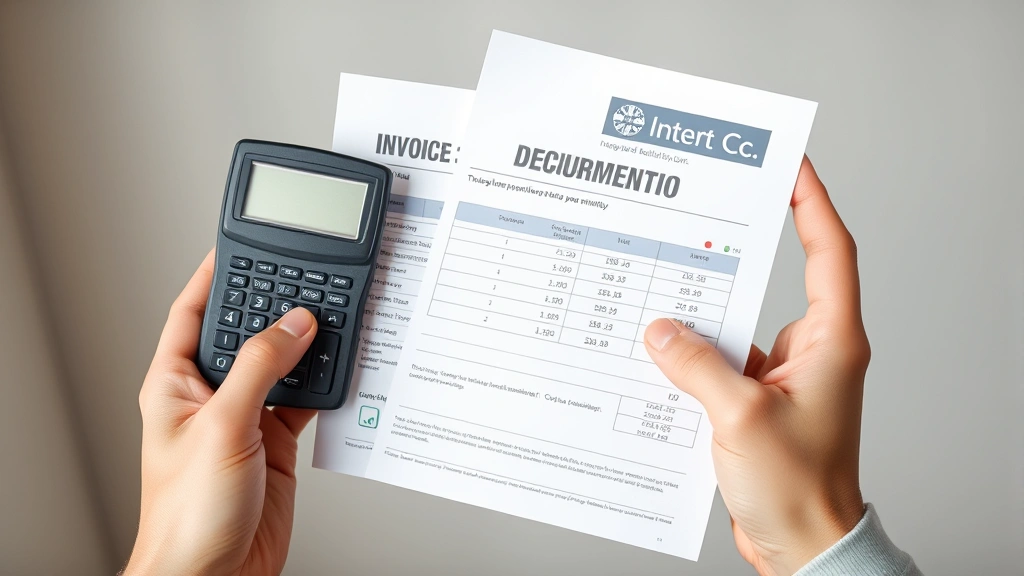
Essential Documentation for Your Request
Your medical refund request letter is only as strong as the documentation supporting it. Before you write a single word, gather all relevant paperwork. This foundation will give your request credibility and significantly increase your chances of approval.
Primary Documentation You’ll Need:
- Original billing statements or invoices showing the amount charged, date of service, and itemized details
- Proof of payment (credit card statement, bank transfer confirmation, cancelled check)
- Insurance explanation of benefits (EOB) if an insurance company is involved
- Correspondence with the provider showing previous attempts to resolve the issue
- Medical records or prescription documentation if the refund relates to a specific condition or treatment
- Receipts for out-of-pocket expenses related to your medical claim
- Provider’s refund or appeal policy showing you’re following proper procedures
If your refund request relates to a disability accommodation, you may need a disability verification letter to establish that your medical need is legitimate. For workplace-related refunds (such as reimbursement for accommodations), a workplace accommodation letter strengthens your position by documenting your employer’s obligation to support reasonable accommodations.
When dealing with housing-related medical refunds or disputes, a doctor letter for housing accommodation provides professional verification that your medical need warrants specific accommodations, which can justify refund requests related to modified housing arrangements.
How to Structure Your Medical Refund Request Letter
A well-structured letter follows a logical progression that guides the reader from your request through supporting details to your desired outcome. Here’s the framework successful refund requests follow:
Header Section: Include your name, address, phone number, and email at the top. Below that, add the date and the recipient’s information (billing department, insurance company, or appeals office). Reference any account or claim numbers prominently.
Opening Paragraph: State your request clearly in the first sentence. Example: “I am writing to request a refund of $[amount] charged on [date] for [service/item] billed under account number [number].” Avoid ambiguity—the reader should understand your request within 10 seconds.
Explanation Section: Provide the reason for your refund request. Be specific:
- If it’s a billing error: explain what was charged incorrectly and what the correct amount should be
- If it’s insurance denial: reference the denial reason and explain why you believe it’s incorrect
- If it’s a disability-related accommodation issue: explain how the charge relates to a medical need or accommodation requirement
- If it’s duplicate billing: show dates and amounts of both charges
Evidence Section: Reference each document you’re including. “As shown in the attached invoice dated [date],” or “Per the insurance EOB attached,” helps reviewers follow your logic. Number your attachments for easy reference.
Request for Action: End with a specific request. “I request a full refund of $[amount] be issued to my original payment method within 30 days” is clearer than “I hope you’ll reconsider this charge.”
Professional Closing: Use “Sincerely,” followed by your typed name and actual signature if submitting a hard copy.
For complex situations involving medical accommodations, reviewing examples of ADA disability verification letters can help you understand how medical professionals structure legitimate documentation that supports your refund request.
Common Reasons for Medical Refund Requests
Understanding what constitutes a legitimate refund reason helps you articulate your case more effectively. Here are the most common scenarios:
Billing Errors: The provider charged you twice for the same service, billed you for a service you didn’t receive, or applied the wrong insurance information. These are straightforward refund requests—provide the evidence and the refund usually follows quickly.
Insurance Denials You Dispute: Your insurance company denied a claim, but you believe they made an error in their determination. Your refund request becomes an appeal, requiring you to explain why their denial was incorrect. Include medical records supporting the medical necessity of the denied service.
Overpayment of Out-of-Pocket Costs: You paid more than your responsibility due to insurance changes, deductible confusion, or provider error. Document what you paid versus what you should have paid.
Medical Hardship and Financial Burden: Some institutions have financial hardship programs allowing refunds or adjustments when medical costs create undue burden. These requests require documentation of financial circumstances and may involve a medical leave documentation letter if your medical condition caused job loss or income reduction.
Disability Accommodation Disputes: You were charged for accommodations that should have been provided at no cost under the ADA or similar regulations. An ESA letter or other medical documentation establishes that your accommodation need is legitimate.
Services Not Rendered: You were charged for a procedure or service that was cancelled, rescheduled, or never performed. This requires clear evidence of the cancellation or non-performance.
Red Flags That Undermine Your Request
Certain approaches will virtually guarantee your refund request is denied. Avoid these common mistakes:
- Lack of specificity: Generic complaints without specific amounts, dates, or claim numbers are immediately dismissed
- Emotional manipulation without facts: While explaining your hardship may be appropriate, it cannot substitute for evidence. Lead with facts, not feelings
- Threatening language or aggressive tone: Threatening legal action in your initial request often backfires, moving your case to legal departments that are more defensive
- Missing documentation: Saying “I was overcharged” without providing your invoice and proof of payment leaves reviewers unable to verify your claim
- Missed deadlines: Most institutions have strict timeframes for refund requests (often 30-90 days from billing). Submitting late significantly reduces approval odds
- Contradictory information: If your letter contradicts the documents you submit, it raises credibility questions
- Unclear request: If the reader can’t determine exactly what refund amount you’re requesting, they won’t approve it
- Submitting to wrong department: Sending your request to the wrong office means delays and potential loss of your deadline
Timeline and Follow-Up Strategies
Submitting your refund request is only the beginning. Most institutions require specific timeframes for responses, and understanding the process helps you follow up effectively.
Initial Submission: Submit your request within the timeframe specified by the institution (typically 30-90 days from the billing date). Keep a copy for your records and use certified mail or email with read receipt confirmation for important requests. Document the date and method of submission.
Tracking Your Request: Request a confirmation number or case number when you submit. This allows you to track progress and reference your request in follow-up communications. Most institutions provide this automatically for online submissions.
Expected Response Time: Standard timeframes are 30 days for initial acknowledgment and 60-90 days for a decision. Insurance companies often have longer timeframes (up to 120 days for complex appeals). If you don’t receive acknowledgment within the promised timeframe, follow up in writing.
Follow-Up Communication: After 30 days without response, send a polite follow-up referencing your original request by case number. Keep your tone professional and patient—follow-ups that are aggressive or accusatory often delay rather than expedite decisions.
Escalation: If your request is denied, review the denial reason carefully. Many institutions have appeal processes. If the reason involves disability-related issues, you may have rights under the Fair Housing Act (HUD) or ADA. Consider consulting with a patient advocate or disability rights organization if the amount is significant.
Documentation Maintenance: Keep all correspondence, including emails, letters, confirmation numbers, and dates of calls. If your case escalates to dispute resolution or legal proceedings, this documentation becomes invaluable.
FAQ
How long does it typically take to receive a medical refund?
Most institutions respond to refund requests within 30-90 days. Insurance companies may take up to 120 days for complex appeals. Once approved, the actual refund (via check or original payment method) typically arrives within 5-10 business days, though this varies by institution.
Should I call or write my refund request?
Always submit your request in writing (email or certified mail). Phone calls may be ignored or forgotten. Written requests create a paper trail, ensure your request is documented, and allow the recipient time to gather information before responding. You can follow up with a call to confirm receipt.
Can I request a refund if I’m outside the timeframe?
Timeframes are often strict, but exceptions exist. If you have a legitimate reason for the delay (medical emergency, disability affecting your ability to submit, provider error in billing), explain this in your request. While approval isn’t guaranteed, explaining the delay is better than ignoring it.
What if my refund request is denied?
Request a detailed explanation of the denial reason. Review the institution’s appeal process—most have multi-level appeals. If your denial involves disability or accommodation issues, contact your state’s disability rights organization or the Job Accommodation Network (JAN) for guidance. For insurance denials, you may have rights under your policy or state insurance regulations.
Do I need a lawyer to submit a medical refund request?
For most straightforward refund requests (billing errors, duplicate charges), you don’t need legal representation. However, for complex disputes involving insurance, disability rights, or significant amounts, consulting with a healthcare advocate or attorney familiar with medical billing can strengthen your case.
How do I know if my request is legitimate?
Your request is legitimate if: (1) you have factual evidence supporting it, (2) you’re within the institution’s timeframe, (3) you’ve followed their procedures, (4) you’re requesting only what you’re owed, and (5) you haven’t misrepresented any information. When in doubt, err on the side of transparency and honesty.