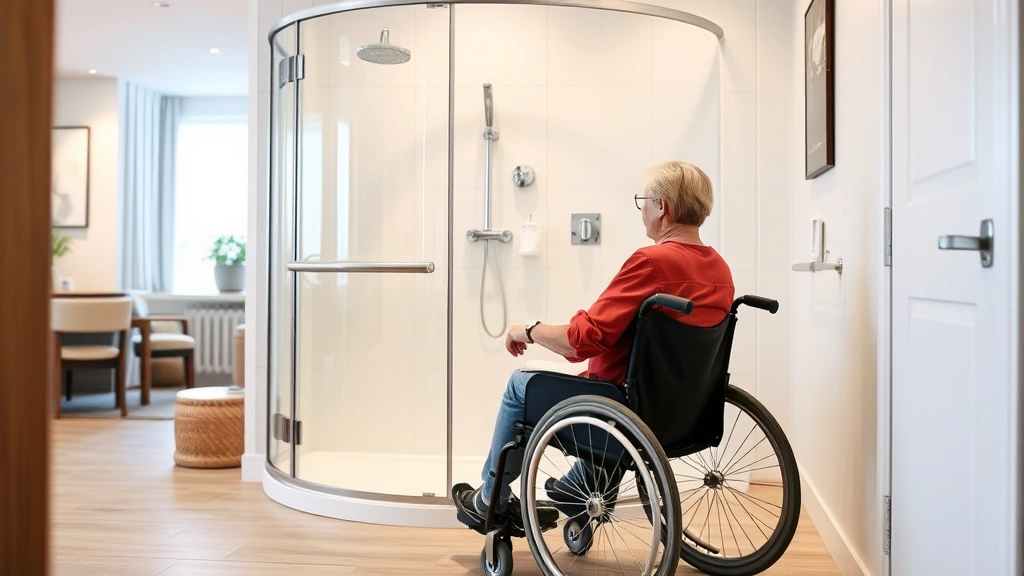
Is a Doctor Letter Needed for Housing? Legal Insights
When you have a disability or medical condition that requires modifications to your living space, a doctor’s letter can be one of the most powerful tools in your accommodation request. Whether you need accessibility features, allergen-free housing, ground floor placement, or other reasonable accommodations, understanding when and how a medical letter supports your case is essential. This guide walks you through the legal framework, requirements, and best practices for obtaining a doctor letter for housing accommodation.
Housing discrimination is illegal under the Fair Housing Act (FHA), which protects people with disabilities by requiring landlords and housing providers to make reasonable accommodations in rules, policies, and practices. A doctor letter serves as medical evidence that substantiates your need for these accommodations. However, the requirements for what must be included, who can provide it, and how it’s used vary depending on your situation and local regulations.
Legal Requirements for Doctor Letters in Housing
The Fair Housing Act explicitly states that housing providers must make reasonable accommodations in rules, policies, practices, and procedures when necessary to afford a person with a disability equal opportunity to use and enjoy a dwelling. This is not discretionary—it is a legal obligation. When you submit a request for a housing accommodation, the landlord or housing provider may ask for reliable documentation to verify your disability and the need for the specific accommodation you’re requesting.
According to HUD’s guidance on reasonable accommodations, housing providers can request reliable documentation when the disability or the disability-related need for accommodation is not readily apparent. This is where a housing accommodation letter from a healthcare provider becomes critical. The letter should establish nexus between your disability and the requested accommodation.
The documentation does not need to be in any specific format, but it must be credible and reliable. A letter from a treating physician, mental health professional, or other qualified healthcare provider that has examined you and understands your condition is generally considered reliable evidence. The housing provider cannot demand extensive medical records, diagnoses, or detailed treatment histories—only information reasonably necessary to verify the disability and the need for accommodation.
When Is a Doctor Letter Required?
Not every housing accommodation request requires a doctor letter, but in most cases where your disability is not immediately obvious, documentation becomes essential. Here are common scenarios where a letter is typically needed:
- Non-apparent disabilities: Conditions like anxiety, PTSD, chronic pain, autoimmune disease, or cognitive impairments may not be visible. A doctor letter establishes the existence and severity of your condition.
- Requesting specific modifications: If you need ground floor placement due to mobility issues, a letter from your healthcare provider substantiates this need.
- Allergen-free or fragrance-free housing: Environmental sensitivities or chemical sensitivities require medical documentation linking your condition to the requested accommodation.
- Emotional support animals (ESAs): While distinct from service animals, an ESA letter for housing must come from a licensed mental health professional who knows you and can attest to your disability and the animal’s assistance.
- Accessible parking or reserved spaces: Many jurisdictions require doctor certification for accessible parking near your unit.
- Policy exceptions: If you need the landlord to make an exception to a standard policy (e.g., allowing a service animal in a no-pets building), documentation strengthens your request.
The key principle is this: if the disability or the need for accommodation is not obvious, expect to provide documentation. Having a doctor letter prepared in advance prevents delays and strengthens your negotiating position.
What Must Be Included in a Housing Accommodation Letter
A legally sound housing accommodation letter should contain specific elements that satisfy Fair Housing Act requirements. While there is no mandatory government form, the letter should include:
- Provider credentials: Name, title, license number, and contact information of the healthcare provider writing the letter. This establishes their authority to assess disability.
- Your information: Your full name and the date of the letter. The provider should confirm they have examined or evaluated you.
- Disability statement: A clear statement that you have a disability as defined by the FHA (a physical or mental impairment that substantially limits a major life activity). The letter does not need to disclose the specific diagnosis but should describe functional limitations.
- Nexus to accommodation: Explanation of how your disability creates a need for the specific accommodation you’re requesting. This is the critical link that justifies the request.
- Reasonableness statement: Confirmation that the accommodation is reasonable and related to your disability. The provider should explain why this specific accommodation is necessary.
- Professional signature and date: The letter must be signed and dated by the healthcare provider. Electronic signatures are generally acceptable.
What should NOT be in the letter: extensive medical history, specific diagnoses if they raise privacy concerns, detailed treatment information, or invasive medical details. The focus should be narrow and functional—disability and accommodation need only.
For those seeking professional assistance, a doctor-signed accommodation letter can be obtained through telehealth providers, though you may prefer to work with your existing treating physician for continuity.
Who Can Provide a Doctor Letter for Housing
The Fair Housing Act does not restrict who can provide documentation—it only requires that the information be reliable. However, credibility matters. The following healthcare providers are generally recognized as qualified to provide housing accommodation letters:
- Licensed physicians (MD/DO): Medical doctors with direct knowledge of your condition are highly credible sources.
- Licensed mental health professionals: Psychologists, psychiatrists, licensed clinical social workers (LCSW), and licensed professional counselors (LPC) can document psychiatric or psychological disabilities and are especially important for ESA letters.
- Nurse practitioners and physician assistants: These providers, when licensed and working within their scope of practice, can provide reliable documentation.
- Other specialists: Occupational therapists, physical therapists, and other licensed healthcare providers with direct knowledge of your functional limitations may provide supporting documentation, though a physician or mental health provider letter carries more weight.
The most important factor is that the provider has examined or evaluated you and has direct knowledge of your disability and functional limitations. A letter from a provider who has never seen you is likely to be rejected and may violate professional ethics standards.
If you don’t have an established relationship with a healthcare provider, Arvix Health and similar telehealth platforms can connect you with licensed providers who can evaluate your needs and provide documentation if appropriate.
Fair Housing Act and Medical Documentation
The Fair Housing Act, enforced by HUD (Department of Housing and Urban Development), is your primary legal protection. It applies to most housing in the United States, including rental apartments, condominiums, townhouses, single-family homes, and mobile homes.
Under the FHA, a disability is defined as a physical or mental impairment that substantially limits one or more major life activities. This is a broad definition—it includes not only people with obvious mobility disabilities but also individuals with mental health conditions, chronic illnesses, cognitive disabilities, and sensory impairments.
When you request a reasonable accommodation, the housing provider must engage in an interactive process with you. They may ask for documentation, but they cannot:
- Demand a specific diagnosis
- Require extensive medical records
- Ask for treatment history or medication details
- Refuse your request simply because your disability is not immediately apparent
- Charge you for the accommodation (with limited exceptions for modifications)
Your doctor letter is your evidence in this interactive process. It demonstrates good faith and provides the information the housing provider needs to make a decision. If your request is denied despite credible documentation, you may file a complaint with HUD or consult with a fair housing attorney.
How to Obtain Your Doctor Letter
Getting a doctor letter for housing accommodation involves several steps:
- Schedule an appointment: Contact your healthcare provider or seek a new provider if you don’t have one. Be clear that you need documentation for a housing accommodation request.
- Prepare your request: Write down the specific accommodation you’re requesting and how your disability creates a need for it. This helps your provider understand the context.
- Attend evaluation: Meet with your provider (in person or via telehealth). Be honest about your symptoms, limitations, and how they affect your daily life and housing needs.
- Discuss the letter: Ask your provider to write a letter that includes the elements outlined above. Provide them with a template or example if helpful, but don’t demand specific wording.
- Request timeline: Ask when the letter will be ready. Most providers can provide it within 1-2 weeks.
- Review and submit: Once you receive the letter, review it for accuracy. Submit it to your housing provider with your formal accommodation request, ideally in writing and with documentation of receipt.
If your existing doctor is uncooperative, you have options. Many healthcare providers understand the importance of supporting their patients’ accommodation needs. If resistance continues, telehealth services can provide an alternative pathway to obtaining necessary documentation.
Keep a copy of the letter for your records and consider having it notarized, though this is not legally required, it may add an extra layer of credibility if disputes arise.
Doctor Letters for ESAs vs. Service Animals
It’s important to distinguish between emotional support animals (ESAs) and service animals, as the documentation requirements differ. Service animals are task-trained to perform specific work for people with disabilities and are not required to have special documentation for housing—the FHA protects them equally. However, ESAs are pets that provide comfort through companionship and do require housing accommodation documentation.
For an ESA, you must obtain a letter from a licensed mental health professional (not a general physician) who has evaluated you and can attest that you have a disability-related psychiatric or psychological condition and that the animal provides disability-related assistance. This letter must establish that there is a disability-disability nexus and an animal-disability nexus. The letter is distinct from a general pet approval and carries legal weight in housing disputes.
Privacy and Your Medical Information
When you submit a doctor letter for housing, you’re sharing sensitive medical information. Know your rights: housing providers must keep this information confidential and separate from your rental file. They cannot share it with other tenants, staff members not directly involved in the accommodation decision, or third parties without your permission.
Your letter should contain only information necessary to establish disability and accommodation need. You do not need to disclose your diagnosis, treatment details, medications, or medical history. A good letter is specific about functional limitations but general about medical details.
If a housing provider requests excessive information, refuses to maintain confidentiality, or discloses your medical information inappropriately, you may have grounds for legal action. Document all communications and keep copies of everything you submit.

FAQ
Can I use a letter from an online doctor I’ve never met in person?
Telehealth providers can issue legitimate accommodation letters if they conduct a proper evaluation. However, the provider must have examined you (via video) and have direct knowledge of your condition. A letter from a provider who simply rubber-stamps requests without evaluation is unreliable and may be rejected. Ensure the telehealth provider is licensed in your state and follows professional standards.
What if my landlord says they don’t need a doctor letter?
If your disability and accommodation need are obvious (e.g., you use a wheelchair and request ground floor placement), a landlord may not request documentation. However, having a letter preemptively protects you and speeds up the process. It’s better to provide it than to have requests denied and then fight about documentation later.
Can a landlord request my full medical records?
No. Under the FHA and HUD guidance, landlords can request reliable documentation of disability and disability-related need, but they cannot demand medical records, diagnoses, treatment history, or other invasive information. A concise letter from a healthcare provider is sufficient.
How long is a doctor letter valid for housing?
There’s no set expiration date, but housing providers may request updated letters if circumstances change or if a significant time has passed. Generally, a letter is considered current for 1-2 years. If you change housing providers or your condition changes, a new letter may be appropriate.
What if my doctor refuses to write a letter?
If your treating physician refuses without valid reason, you can seek documentation from another qualified provider, including a telehealth specialist. However, first ask your doctor why they’re hesitant—they may have concerns about the request’s legitimacy. If they understand the legal requirement and the limited scope of the letter, they may reconsider.
Do I need a letter for an accessible parking spot?
Yes, in most jurisdictions, accessible parking requires doctor certification for handicap placards or permits. The requirements vary by state and locality, so check your local Department of Motor Vehicles or housing authority for specific forms and requirements.
Can a letter be digital or must it be printed?
Digital letters with electronic signatures are generally acceptable. However, some housing providers may request a printed original with a wet signature. Ask your healthcare provider to provide both digital and printed versions to cover all bases.
What if the housing provider denies my accommodation request despite a doctor letter?
Document the denial in writing and request a specific reason. If the denial appears discriminatory or unsupported, you can file a complaint with HUD at HUD’s Fair Housing office or consult a fair housing attorney. Many housing discrimination cases are resolved through negotiation or settlement.