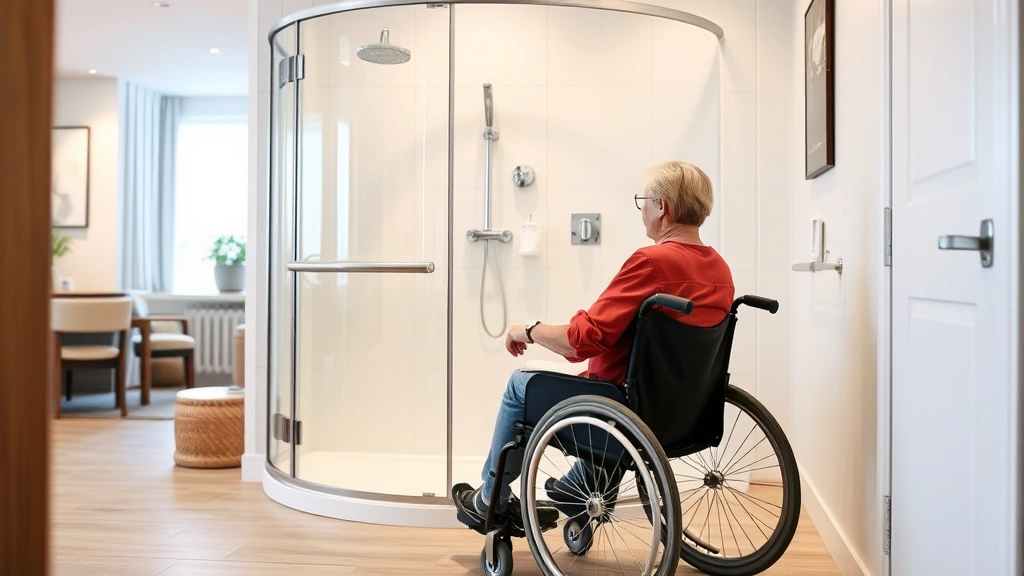
How to Obtain a Housing Accommodation Letter Online
A housing accommodation letter is a critical document that protects your legal rights as a tenant with a disability. Whether you need modifications to your living space, exemptions from pet policies, or accessibility features, a reasonable accommodation letter serves as official documentation of your medical need. Obtaining one online has become faster and more accessible than ever, allowing you to secure the accommodations you deserve without lengthy delays or in-person appointments.
This comprehensive guide walks you through the process of obtaining a housing accommodation letter online, what qualifications you need, how to work with licensed healthcare providers, and how to present your letter to your landlord or property management. Understanding your rights under the Fair Housing Act and the Americans with Disabilities Act (ADA) ensures you can advocate effectively for the accommodations that support your health and independence.
The process is straightforward when you know where to start and what documentation to prepare. By following the steps outlined in this guide, you can obtain a legitimate, legally-binding accommodation letter that landlords must consider under federal law.

What Is a Housing Accommodation Letter?
A housing accommodation letter is a formal document written by a licensed healthcare provider that verifies your disability and explains how a specific accommodation would help you enjoy your housing. Unlike a generic disability letter, a housing accommodation letter specifically addresses your living situation and the reasonable modifications or policy exceptions you need.
Common accommodations addressed in these letters include:
- Emotional Support Animals (ESAs) – documentation that an animal provides therapeutic benefit beyond a standard pet
- Service Animals – verification of a trained service animal’s necessity and function
- Unit Modifications – grab bars, ramps, accessible parking, or other physical changes
- Policy Exceptions – exemptions from no-pet policies, smoking restrictions, or guest policies
- Accessibility Features – ground floor units, proximity to elevators, or other accessibility needs
- Allergen-Free Housing – requests for units in buildings without certain environmental triggers
The letter must be written by a licensed healthcare provider who has evaluated your condition and understands your medical needs. It serves as the landlord’s legal basis for approving your request under the Fair Housing Act.
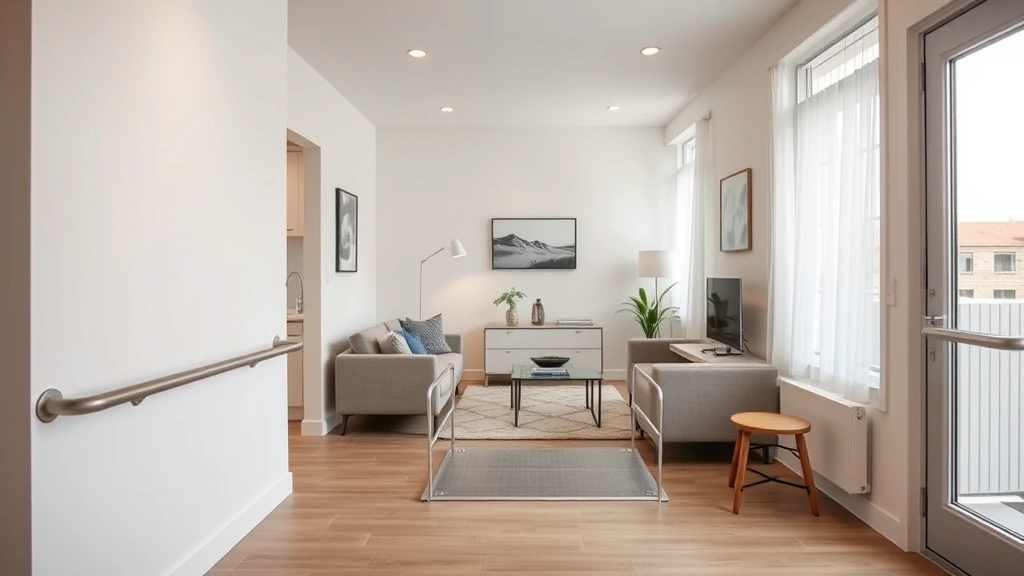
Legal Basis and Fair Housing Rights
Your right to request housing accommodations is protected by federal law. The Fair Housing Act prohibits discrimination based on disability and requires landlords to make reasonable accommodations in rules, policies, practices, or services. The Americans with Disabilities Act (ADA) further protects your rights in housing.
A legitimate housing accommodation letter serves as evidence that your request meets the legal standard for “reasonable accommodation.” Landlords cannot arbitrarily deny your request if:
- You have a documented disability (physical, mental, or emotional)
- There is a clear relationship between your disability and the accommodation requested
- The accommodation is reasonable and does not create undue financial or administrative burden
Understanding these protections empowers you to advocate for yourself confidently. If a landlord denies a reasonable accommodation request, you may file a complaint with the U.S. Department of Housing and Urban Development (HUD), which enforces fair housing laws.
Who Can Request and Provide Accommodation Letters
Who Can Request: Any individual with a documented disability—physical, sensory, cognitive, mental health, or emotional—may request a housing accommodation letter. You do not need to have a severe disability or use mobility aids. If your condition limits a major life activity and you need support to enjoy your housing equally, you likely qualify.
Who Can Provide: Only licensed healthcare providers can issue legitimate accommodation letters. Qualified providers include:
- Medical doctors (MD, DO)
- Psychiatrists and psychologists (with appropriate licensure)
- Licensed clinical social workers (LCSW)
- Licensed professional counselors (LPC)
- Nurse practitioners and physician assistants (in some states)
- Veterans Affairs healthcare providers
- Disability services coordinators at universities (for academic housing)
The provider must have a professional relationship with you—typically meaning they have evaluated you and have knowledge of your condition. Online providers must be licensed in your state and comply with telemedicine regulations. Beware of websites offering generic letters without proper evaluation; these are fraudulent and will not hold up if challenged.
The Online Process: Step-by-Step
Step 1: Choose a Reputable Online Platform
Select a legitimate online healthcare service that connects you with licensed providers. Look for platforms that:
- Verify provider licensure in your state
- Require a real medical evaluation (not just a questionnaire)
- Offer HIPAA-compliant video consultations
- Provide documentation of the provider-patient relationship
- Have transparent pricing and no hidden fees
Arvix Health and similar services connect you with licensed healthcare providers who specialize in disability documentation. Avoid any service that guarantees approval or charges excessive fees.
Step 2: Prepare Your Medical Information
Before your consultation, gather relevant information:
- Your medical history and current diagnoses
- Current medications and treatments
- Functional limitations related to your housing
- Specific accommodation you are requesting
- How the accommodation would help you access or enjoy your housing
- Any previous medical documentation or letters
Step 3: Schedule and Complete Your Consultation
Most online platforms allow you to schedule a video consultation within days. During the appointment, the healthcare provider will:
- Review your medical history
- Ask about your condition and functional limitations
- Discuss how your disability affects your housing
- Explain the accommodation you need and why
- Determine if the accommodation is reasonable
- Document the basis for their professional opinion
Be honest and detailed. Providers appreciate clear explanations of how your condition impacts daily living.
Step 4: Receive Your Letter
After the consultation, the provider will draft your housing accommodation letter. Most online services deliver letters within 24–48 hours. You will receive:
- An official letter on the provider’s letterhead
- The provider’s credentials and license number
- A clear statement of your disability and functional limitations
- Explanation of the requested accommodation
- Professional opinion that the accommodation is necessary
- The provider’s signature and contact information
Step 5: Submit to Your Landlord
Follow your lease or local regulations for submitting accommodation requests. Typically, you should:
- Provide the letter in writing to your landlord or property management
- Keep a copy for your records
- Send via certified mail or email with read receipt for documentation
- Allow reasonable time for the landlord to respond (usually 5–10 business days)
Required Medical Documentation
A strong housing accommodation letter includes specific medical documentation that supports your request. While providers will guide you, understanding what strengthens your case is valuable.
Diagnosis and Functional Limitations: The letter should identify your disability (or simply state you have a disability-related condition) and explain specific functional limitations. For example: “The patient has anxiety disorder that causes severe distress in response to unfamiliar animals, limiting their ability to enjoy common housing areas.”
Nexus to Accommodation: The letter must establish a clear relationship between your disability and the accommodation. If requesting an emotional support animal, the letter should explain how the animal mitigates your symptoms. If requesting a ground-floor unit due to mobility limitations, the letter should describe your functional limitations.
Professional Opinion: The provider must state that the accommodation is necessary due to your disability. This is the legal standard—not just helpful, but necessary for equal access.
Truthfulness and Accuracy: The letter must be factually accurate. Exaggerating symptoms or misrepresenting your needs undermines the legitimacy of your request and can result in legal consequences. Work with your provider to present your genuine needs clearly.
If you have previous medical records or a disability verification letter from an employer, you may reference these, though a housing-specific letter is more persuasive.
Presenting Your Letter to Your Landlord
How you present your accommodation letter significantly affects your landlord’s response. Follow these best practices:
Timing: Submit your request as early as possible—ideally before signing a lease or within 30 days of moving in. Early submission demonstrates good faith and gives landlords time to respond without feeling rushed.
Communication: Write a brief, professional letter introducing your request. Example:
“Dear [Landlord Name], I am writing to request a reasonable accommodation under the Fair Housing Act due to my disability. Please find attached a letter from my healthcare provider documenting my need for [specific accommodation]. I am happy to discuss this request at your convenience.”
Documentation: Send the letter via email with read receipt or certified mail. Keep proof of delivery. Never hand-deliver without documentation, as this creates disputes about whether the letter was received.
Follow-Up: If your landlord does not respond within 5–10 business days, send a polite follow-up. If they deny your request without legitimate reason, consult a disability rights attorney. Many states have legal aid organizations that help tenants with fair housing issues.
Common Landlord Concerns: Be prepared to address questions:
- “How do I know this letter is real?” Provide the provider’s contact information and license number. Landlords can verify licensure through state medical boards.
- “What if the accommodation is too expensive?” Reasonable does not mean free, but the cost must not be prohibitively expensive for the landlord. Tenants often cover modification costs.
- “Can I see your medical records?” No. The letter provides sufficient information without disclosing private health details.
Your medical accommodation documentation is your strongest tool for securing the housing you need.
FAQ
How long does it take to get a housing accommodation letter online?
Most reputable online services deliver letters within 24–48 hours of your consultation. Some providers offer expedited service for an additional fee. Plan ahead rather than waiting until you are in crisis.
How much does an online housing accommodation letter cost?
Prices typically range from $100–$300, depending on the provider and service level. This is significantly less than traditional in-person evaluations. Some insurance plans may cover part of the cost if the consultation is with a provider in your network.
Can I use a generic accommodation letter template?
No. Landlords can reject generic templates because they lack the provider’s personal evaluation of your specific condition and needs. The letter must be individualized and written by a licensed provider who has evaluated you.
What if my landlord rejects my accommodation letter?
If rejection appears discriminatory or unjustified, you have options: request a written explanation, consult a fair housing attorney, or file a complaint with HUD. Many disability rights organizations offer free consultations. The Equal Employment Opportunity Commission (EEOC) also addresses housing discrimination in certain contexts.
Do I need to disclose my diagnosis to my landlord?
No. Your accommodation letter should document that you have a disability and explain your functional limitations without detailing your specific diagnosis. You have privacy rights regarding your medical information.
Can I request multiple accommodations in one letter?
Yes. If you need both an emotional support animal and a ground-floor unit, for example, your provider can address both in a single letter. However, each accommodation must have a clear nexus to your disability.
What if I am denied housing because of my disability?
This is discrimination. Document the denial, gather any written communications, and contact HUD or a local fair housing organization. You may have grounds for legal action.
Is an online accommodation letter as valid as one from an in-person doctor?
Yes, if the provider is licensed, conducted a real evaluation, and complies with telemedicine regulations in your state. Online consultations are legally equivalent to in-person visits.
Can I get a housing accommodation letter if I have a mental health condition?
Absolutely. Mental health conditions, including anxiety, depression, PTSD, and bipolar disorder, are disabilities under the Fair Housing Act. If your condition limits a major life activity and you need accommodation, you qualify.
How do I know if a provider is truly licensed?
Verify licensure through your state’s medical board website. Ask the provider for their license number and search the state database. Legitimate providers are transparent about their credentials.
Do I need an accommodation letter if I already have an ESA or service animal?
If your animal is already a certified service animal (trained to perform disability-related tasks), you may not need a letter in all contexts. However, for housing purposes, a letter documenting the animal’s necessity is essential and protects you legally.
Can my employer’s doctor write my housing accommodation letter?
Potentially, if they are licensed and have evaluated you. However, a provider specializing in disability documentation may be more persuasive. Your employer’s doctor may have conflicts of interest or limited knowledge of fair housing law.