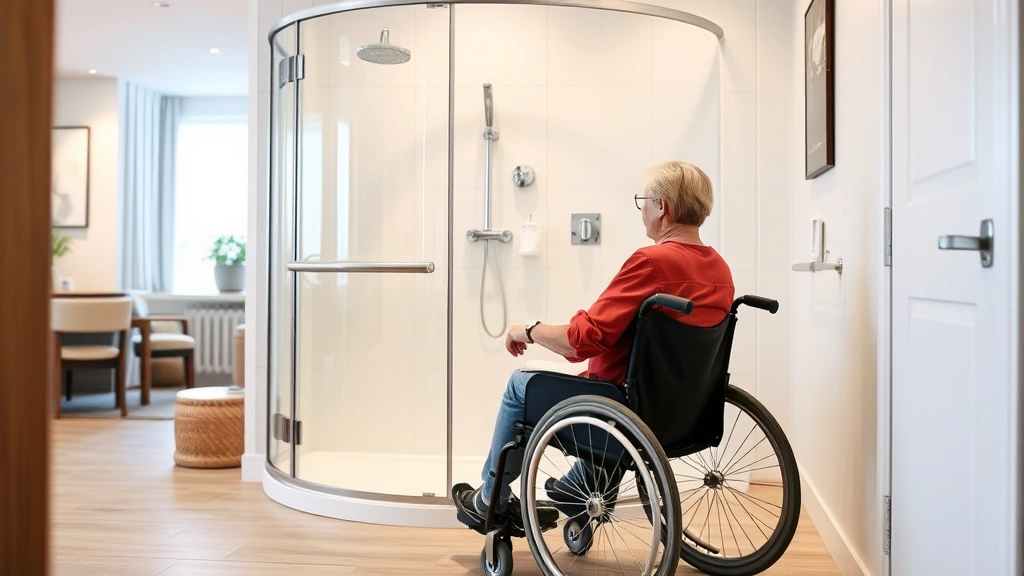
Reasonable Accommodation Letter: 2026 Housing Update
A reasonable accommodation letter is a critical legal document that enables tenants with disabilities to secure necessary modifications or adjustments to their housing arrangements. As we move into 2026, understanding the evolving landscape of housing accommodations—including updated Fair Housing Act protections, emerging documentation standards, and best practices for landlord communication—has become more important than ever. Whether you need accessibility modifications, emotional support animal approval, or lease flexibility due to a medical condition, a well-crafted accommodation letter serves as your formal request and legal foundation.
This comprehensive guide walks you through everything you need to know about reasonable accommodation letters for housing in 2026, including what makes a letter legally enforceable, how to work with healthcare providers, common accommodation types, and how to navigate potential landlord pushback. We’ll also explore the intersection between housing accommodations and other support systems, such as emotional support animal letters and general disability confirmation letters, to help you build a complete accommodation strategy.
What Is a Reasonable Accommodation Letter for Housing?
A reasonable accommodation letter is a formal written request from a person with a disability to their landlord, property manager, or housing provider, asking for a modification to housing rules, policies, or the physical space to ensure equal access and enjoyment of the home. Unlike a generic doctor’s note, a reasonable accommodation letter specifically articulates the connection between your disability and the need for the requested accommodation, making it a legally binding communication under the Fair Housing Act.
The letter differs from other medical documents. While a medical disability documentation letter confirms the existence of a disability, a housing accommodation letter goes further by explaining why a specific housing modification is necessary. For example, instead of simply stating “patient has mobility limitations,” the letter explains: “Due to severe arthritis, the tenant requires a ground-floor unit to safely access the home without navigating stairs, which cause acute pain and functional impairment.”
In 2026, housing accommodation letters have become standardized documents with specific legal language and requirements. Landlords are increasingly familiar with these letters, but they’re also more scrutinizing about documentation quality. A professionally drafted letter from a licensed healthcare provider carries significantly more weight than a handwritten note, and tenants who submit incomplete or vague letters often face delays or denials.
Legal Framework and 2026 Updates
Housing accommodations are protected under two major federal laws: the Fair Housing Act (FHA) and the Americans with Disabilities Act (ADA). Both require landlords and housing providers to make reasonable accommodations in rules, policies, and practices when necessary to give a person with a disability equal opportunity to use and enjoy a home.
The Fair Housing Act applies to most rental properties and private landlords (with limited exceptions for owner-occupied buildings). Under the FHA, a disability is defined broadly to include physical or mental impairments that substantially limit major life activities. The law does not require a specific diagnosis—only that the person has a disability-related need for the accommodation.
As of 2026, several developments have strengthened tenant protections:
- Remote Verification Acceptance: The Department of Housing and Urban Development (HUD) has clarified that telehealth visits and remote medical consultations can serve as the basis for reasonable accommodation letters, expanding access for tenants in underserved areas.
- Enhanced Documentation Standards: While landlords can request verification, they cannot ask for excessive medical details. In 2026, courts have further limited landlords’ ability to demand diagnoses, treatment records, or detailed medical histories.
- Emotional Support Animal Clarity: Updated guidance distinguishes between emotional support animals for housing and service animals, with stricter requirements for documentation but also stronger protections for legitimate ESAs.
- Disability Verification Limits: Landlords requesting disability confirmation must follow specific procedural rules and cannot reject letters from licensed providers without legitimate reasons.
You can review the official Fair Housing Act guidance at HUD’s Fair Housing Act Overview and ADA Housing Rights for the most current regulations.
Essential Components of an Effective Letter
A legally sound reasonable accommodation letter must include specific elements. Landlords can reject incomplete letters, so ensure your letter contains all of the following:
- Healthcare Provider Credentials: The letter must be on official letterhead from a licensed healthcare provider (MD, DO, NP, PA, LCSW, psychologist, or other licensed professional). The provider must include their license number, contact information, and credentials.
- Your Identification: Include your full legal name, current address, and lease information to establish that you are a tenant in the property.
- Clear Disability Statement: The letter should state that you have a disability as defined by the Fair Housing Act. It does not need to name the specific diagnosis but should describe functional limitations (e.g., “limited mobility,” “severe anxiety,” “chronic pain”).
- Connection Between Disability and Accommodation: Explain the causal relationship. For example: “Due to [functional limitation], the tenant requires [specific accommodation] to safely and independently use the housing.”
- Specific Accommodation Request: Clearly state what you’re requesting (ground-floor unit, accessible parking, service animal, lease modification, etc.). Vague requests invite rejection.
- Functional Necessity Statement: Explain why this accommodation is necessary. Use language like “is necessary to provide equal access” or “enables the tenant to safely use common areas.”
- Provider Signature and Date: The letter must be signed and dated by the healthcare provider. Electronic signatures are now widely accepted as of 2026.
- Professional Tone: Avoid emotional language or demands. Use formal, medical terminology. The letter should read as a professional clinical opinion, not a personal plea.
A strong letter is typically 1-2 pages and avoids unnecessary medical jargon that obscures clarity. It balances professional language with accessibility—a landlord should understand immediately why the accommodation is needed without requiring a medical dictionary.
Common Housing Accommodations Explained
Housing accommodations come in several categories. Understanding what you can request helps you draft a focused letter:
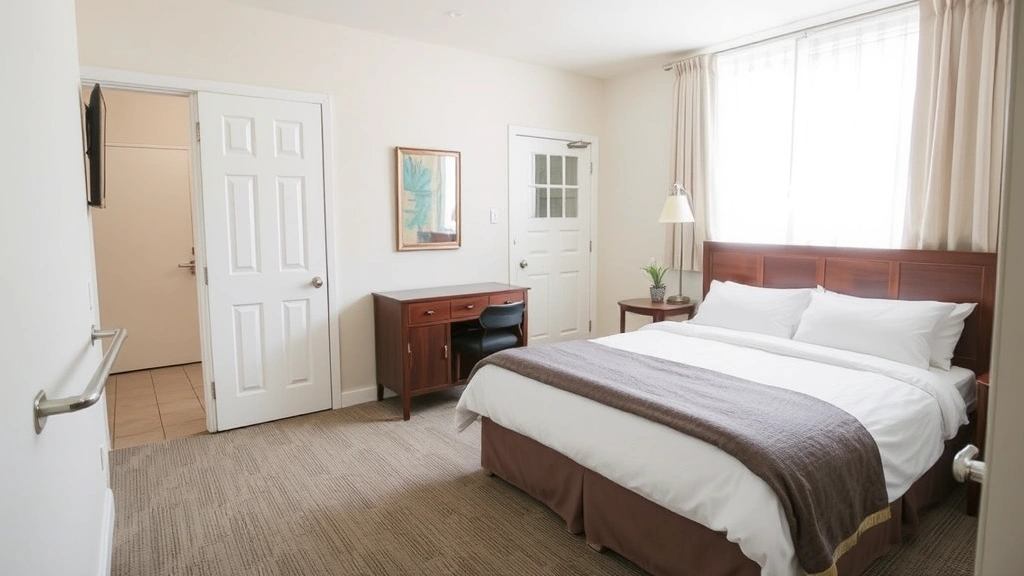
Physical Modifications: These include accessible parking spaces, ramps, grab bars, lowered light switches, modified door handles, and bathroom adaptations. For physical modifications, your letter should detail the specific accessibility barrier and how the modification removes it.
Policy Modifications: These include allowing a service animal or emotional support animal despite a no-pets policy, permitting a caregiver to visit outside posted hours, allowing modified lease terms for medical leave, or waiving pet deposits. A housing accommodation letter for landlord requesting policy changes should emphasize that the policy itself creates a barrier to equal housing access.
Unit Reassignment: If your current unit is inaccessible, you can request a ground-floor unit, a unit near accessible parking, or a unit in a quieter location (for sensory sensitivities or anxiety). Your letter should explain why your current unit doesn’t meet your accessibility needs.
Lease Flexibility: Some tenants need accommodation for medical leave, frequent medical appointments, or reduced work capacity. You might request a temporary lease suspension, modified move-out date, or flexibility regarding maintenance access for health reasons.
Emotional Support Animals: ESA letters require specific language distinguishing the animal from a pet and connecting it to your disability. Unlike service animals, ESAs don’t need special training, but the letter must establish that the animal provides disability-related benefits (emotional support, anxiety reduction, grounding during panic attacks).
Working With Healthcare Providers
Your letter’s credibility depends entirely on your healthcare provider’s qualifications and the strength of your therapeutic relationship. When working with a provider to obtain a reasonable accommodation letter, follow these best practices:
Establish Medical History: Ideally, your provider has treated you for at least several months. Letters from new providers or one-time telehealth visits carry less weight, though they’re legally acceptable. If you’re new to a provider, be transparent about your medical history and current symptoms.
Be Specific About Your Needs: Don’t ask your provider to simply “write a letter.” Instead, explain what accommodation you’re requesting and why it’s necessary. For example: “I’m requesting a ground-floor unit because my mobility limitations make stairs painful and unsafe.” This gives your provider the information needed to write a targeted letter.
Discuss Documentation Standards: Many providers are unfamiliar with reasonable accommodation letter requirements. Share the specific components listed above or provide examples of well-written letters. Your provider may appreciate this guidance.
Request Timely Delivery: Landlords typically expect accommodation letters within 10-14 days of request. Ask your provider about their turnaround time and confirm they’ll send the letter directly to your landlord or to you for submission.
Consider Telehealth Options: If your regular provider is unavailable or you don’t have an established relationship with one, platforms offering accommodation letters from licensed doctors can connect you with qualified providers quickly. Many now specialize in housing accommodations and understand FHA requirements.
If your provider refuses to write the letter despite legitimate need, you may need to seek a second opinion. However, this should be a last resort—building a strong therapeutic relationship with your primary care provider is ideal.
Submitting Your Letter to Your Landlord
How you submit your letter matters. Follow these steps to ensure proper documentation:
- Review Your Lease: Check your lease for the specific process for requesting accommodations. Some leases specify a person or department to contact.
- Submit in Writing: Deliver your accommodation request and letter via email, certified mail, or hand delivery (get a receipt). Never submit verbally. Document everything in writing for legal protection.
- Include a Cover Letter: Write a brief cover letter stating: “I am requesting a reasonable accommodation under the Fair Housing Act. Please see the attached letter from my healthcare provider.” This sets the formal legal context.
- Keep Copies: Maintain copies of everything—your request letter, the accommodation letter, proof of delivery, and any landlord responses. These form your legal record.
- Follow Up: Landlords typically have 10 business days to respond. If you don’t hear back, send a follow-up email (with read receipt requested) asking for confirmation of receipt.
- Request Confirmation: Ask the landlord to confirm receipt and provide a timeline for their decision. Written confirmation protects you both.
Your submission sets the tone for the entire accommodation process. Professional, clear, documented communication increases the likelihood of approval and creates a paper trail if disputes arise.

Handling Landlord Denials and Disputes
Unfortunately, some landlords deny accommodation requests illegally or request excessive documentation. Here’s how to respond:
Understand Legal Grounds for Denial: Landlords can deny accommodations only in specific circumstances: (1) the request is not disability-related, (2) the accommodation would fundamentally alter the housing or impose undue financial burden, or (3) the person poses a direct threat to health or safety. Most denials fail to meet these standards.
Request Denial in Writing: If a landlord denies your request verbally, ask for written explanation. Many landlords back down when forced to document their denial—it creates liability.
Respond to Verification Requests: Landlords can ask you to verify that you have a disability and need the accommodation. However, they cannot ask for diagnoses, medical records, or detailed treatment history. If a landlord’s verification request is excessive, your provider can respond directly, stating only that you have a disability and need the specific accommodation.
Escalate Appropriately: If the landlord continues to deny or delay, contact your state or local housing authority or file a complaint with HUD’s Fair Housing Complaint Center. You can also consult a disability rights attorney. Many provide free initial consultations.
For broader disability documentation questions, review resources on EEOC Disability Rights and the Job Accommodation Network (JAN), which provides guidance on accommodation requests across contexts.
Remember: The Fair Housing Act is a strong law with serious penalties for violations. Most landlords comply once they understand their legal obligations. If yours doesn’t, enforcement mechanisms exist to protect you.
FAQ
Does my landlord need to approve every reasonable accommodation request?
No. Landlords can deny requests that are not disability-related, would fundamentally alter the housing, or would impose undue financial burden. However, most requests—especially policy modifications—must be approved unless the landlord can demonstrate one of these exceptions.
Can I request an accommodation without a healthcare provider’s letter?
Legally, you can make an oral request, and landlords must consider it. However, they can ask for verification. Without a letter, you’ll likely need to provide additional documentation. A healthcare provider’s letter is the most effective way to establish credibility and avoid delays.
How long does the accommodation approval process take?
Landlords typically respond within 10 business days. However, if they request verification, the timeline may extend to 3-4 weeks. Complex requests or disputes can take months. Document all timelines in writing.
What if I’m already in a lease dispute with my landlord?
A reasonable accommodation request is separate from lease disputes, but landlords sometimes try to conflate them. Submit your accommodation request in writing, clearly stating it’s a Fair Housing Act request. This creates a legal distinction and prevents the landlord from using lease disputes as justification for denying accommodations.
Can I request multiple accommodations at once?
Yes. If you need multiple accommodations (e.g., a ground-floor unit AND an accessible parking space), request them together in one letter. Your healthcare provider should address how each accommodation is necessary for your disability.
Is a telehealth letter as strong as an in-person letter?
Yes, as of 2026. Telehealth visits with licensed providers create valid therapeutic relationships and can serve as the basis for accommodation letters. However, a provider who knows you well (in-person or telehealth) writes stronger letters than a provider seeing you for the first time.
What if my landlord asks for my diagnosis?
Politely decline and refer to Fair Housing Act guidelines. You can provide a statement like: “My healthcare provider’s letter confirms I have a disability requiring this accommodation. Per the Fair Housing Act, I am not required to disclose my diagnosis.” If the landlord persists, this may constitute illegal disability discrimination.
Can I use a reasonable accommodation letter from another state or country?
The Fair Housing Act applies nationwide, so a letter from a provider in another state is valid. However, the provider must be licensed in their state. International letters may face more scrutiny—U.S. landlords are more familiar with U.S. licensing standards.