Functional Limitation Letter: Tenant Rights Explained
A functional limitation letter is a critical legal document that verifies your medical condition and its impact on your ability to live safely and independently in rental housing. Whether you need accessibility modifications, ground floor placement, or other reasonable accommodations under the Fair Housing Act, understanding how functional limitation verification works is essential to protecting your tenant rights.
This comprehensive guide explains what functional limitation letters are, why landlords request them, your legal protections, and how to obtain one quickly and professionally. We’ll also address common misconceptions and provide practical steps to ensure your accommodation request is approved.
What Is a Functional Limitation Letter?
A functional limitation letter is a medical document written by a licensed healthcare provider that describes your medical condition and explains how it limits your ability to perform major life activities. Unlike a general disability confirmation letter, a functional limitation verification specifically focuses on the practical impact of your condition on daily living—such as your ability to walk, climb stairs, access common areas, or maintain a safe living environment.
This letter serves as evidence for your landlord or property manager that your requested accommodation is medically necessary and directly connected to your documented condition. The letter must be written by a qualified healthcare professional, such as a physician, psychiatrist, psychologist, nurse practitioner, or physician assistant, and should be on official letterhead with contact information.
The distinction between a general disability confirmation and a functional limitation letter is important: the former simply states that you have a disability, while the latter explains why you need specific housing accommodations. For example, “Patient has arthritis” is confirmation; “Patient has severe osteoarthritis of the knees and hips that severely limits her ability to climb stairs, requiring ground floor housing” is a functional limitation statement.
Your Legal Rights as a Tenant
Under the Fair Housing Act (FHA) and the Americans with Disabilities Act (ADA), you have the right to request reasonable accommodations in housing based on disability. A reasonable accommodation is a modification to rules, policies, practices, or services that enables a person with a disability to have equal access to and use of housing.
Key tenant protections include:
- Right to request accommodations: You can request modifications to your unit or changes to housing policies without fear of retaliation.
- Landlord cannot refuse based on disability: Your landlord cannot deny your rental application, increase rent, or evict you solely because you have a disability.
- Medical privacy: While landlords can request verification of disability, they cannot ask for detailed medical records or diagnoses beyond what is necessary to verify the need for accommodation.
- Reasonable verification process: Landlords must accept disability confirmation from a licensed healthcare provider without demanding excessive documentation.
- Protection against retaliation: Your landlord cannot punish you for asserting your fair housing rights.
When you provide a functional limitation letter, you are exercising these rights. The letter serves as your proof that the accommodation is necessary—not optional or based on preference.
When You Need This Documentation
You will need a functional limitation verification letter in several common housing scenarios:
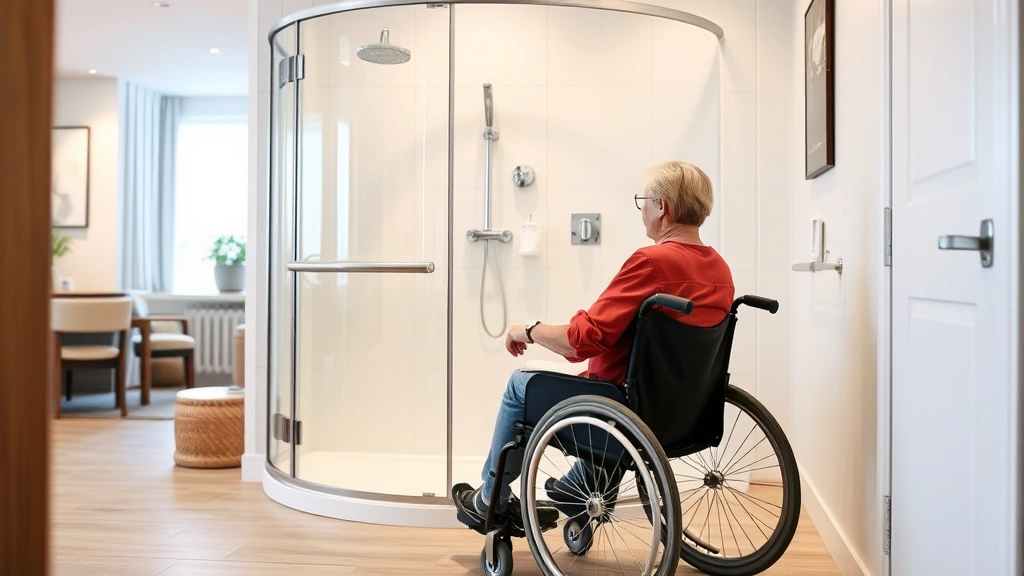
- Accessibility modifications: Requesting grab bars in the bathroom, widened doorways, ramps, or accessible parking spaces.
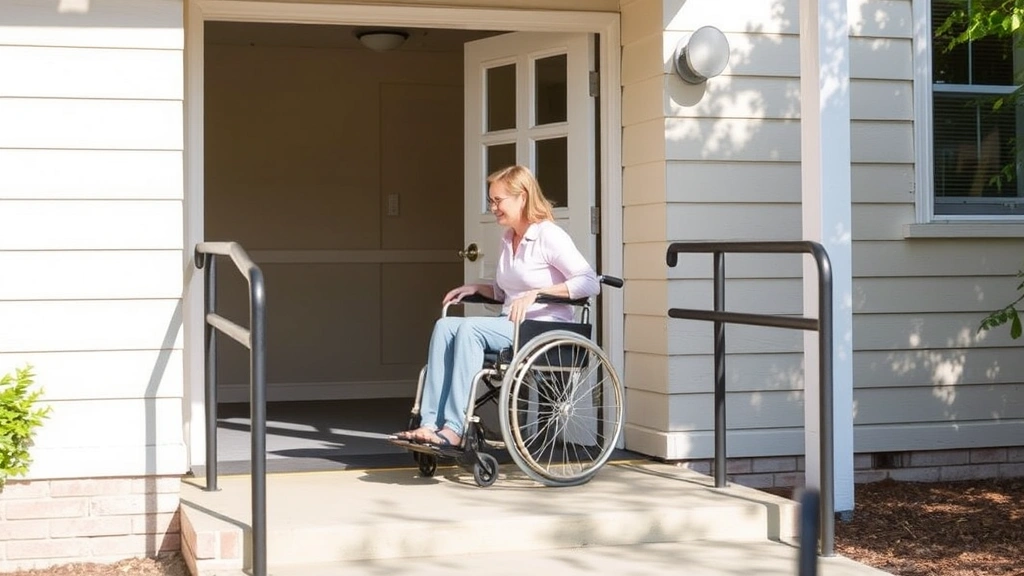
- Unit transfer: Asking to move to a ground floor unit, unit with accessible entrance, or building without steps.
- Policy exceptions: Requesting exemptions from no-pet policies for service animals or emotional support animals (though ESA letters require separate documentation).
- Lease modification: Requesting early lease termination due to medical hardship or inability to continue tenancy.
- Maintenance and repair: Documenting the urgency of needed repairs that affect your health or safety.
- Allergen-free housing: Requesting a unit away from specific allergen sources or with specialized HVAC requirements.
- Noise sensitivity: Requesting placement away from high-traffic areas due to conditions like migraines or PTSD.
In each case, the letter connects your medical condition directly to the specific accommodation you’re requesting, making it harder for landlords to deny your request without legal exposure.
What Should Be Included in Your Letter
A strong functional limitation letter contains specific elements that satisfy landlord and legal requirements:
- Provider credentials: Full name, title, license number, contact information, and the state where licensed.
- Your identifying information: Your full name, date of birth, and how long the provider has treated you.
- Medical diagnosis (optional but helpful): The specific condition(s) you have. The provider can state this or simply reference “a chronic medical condition” without detailed diagnosis if you prefer privacy.
- Functional limitations: Clear explanation of how the condition limits your ability to perform major life activities—walking, climbing, accessing facilities, performing self-care, etc.
- Connection to accommodation: Explicit statement of why the requested accommodation is necessary. For example: “Due to severe mobility limitations, Ms. Johnson requires a ground floor unit to safely access her home and prevent falls.”
- Permanence or expected duration: Whether the limitation is permanent, long-term, or temporary.
- Professional opinion: The provider’s professional judgment that the accommodation is medically necessary.
- Signature and date: Handwritten or electronic signature with current date.
The letter should be concise (typically one page) but comprehensive enough to clearly establish the connection between your condition and your accommodation request. Vague letters that lack specific functional limitations are more likely to be questioned by landlords.

How to Obtain Your Functional Limitation Letter
Getting a functional limitation verification letter is straightforward if you have an established relationship with a healthcare provider:
Step 1: Contact Your Healthcare Provider
Call your doctor’s office and request a functional limitation letter for housing accommodation. Be specific about what you’re requesting—for example, “I need a letter explaining how my condition limits my ability to climb stairs and why I need ground floor housing.”
Step 2: Provide Details
Give your provider information about your specific accommodation request. The more specific you are, the more detailed and persuasive the letter will be. For instance, instead of “I need accessibility modifications,” say “I need grab bars in the bathroom because I have balance issues and severe arthritis.”
Step 3: Timeline
Standard turnaround is 3-7 business days. If you need it urgently, ask about expedited options. Many providers can produce same-day or next-day letters for established patients.
Step 4: Review Before Submitting
Request the letter in digital form if possible, so you can review it before submission. Ensure it addresses your specific accommodation request and contains all necessary elements.
Step 5: Submit to Landlord
Provide the letter to your landlord or property manager’s designated contact. Keep a copy for your records. You may want to send it via email with read receipt or certified mail for documentation.
If you don’t have a current healthcare provider, you can obtain a housing accommodation letter through telehealth services that specialize in disability documentation. These services connect you with licensed providers who can evaluate your needs and produce a letter quickly.
Landlord Responsibilities and Limits
Understanding what landlords can and cannot do with your functional limitation letter protects your rights:
What Landlords Can Do:
- Request verification that your disability is real and that the accommodation is necessary.
- Ask clarifying questions about the connection between your condition and the requested accommodation.
- Verify that the letter comes from a licensed healthcare provider.
- Request updated documentation if circumstances change significantly.
What Landlords Cannot Do:
- Demand detailed diagnosis or full medical records.
- Require you to sign HIPAA releases allowing direct communication with your provider (they can ask, but you can refuse).
- Reject your letter simply because it’s not from a specific type of provider—psychiatrists, psychologists, nurses, and physician assistants are all qualified.
- Impose unreasonable demands for verification beyond what’s necessary to confirm medical necessity.
- Discriminate against you based on your disability or use of accommodations.
- Charge you for reasonable accommodations (modifications are typically landlord responsibility; you pay for service animal care).
If your landlord rejects your letter without legitimate reason, you have the right to file a complaint with the Department of Housing and Urban Development (HUD) or your state’s fair housing agency.
Common Mistakes to Avoid
Many tenants weaken their accommodation requests by making these preventable errors:
Vague functional descriptions: Saying “I have anxiety” is weaker than “I have severe anxiety that limits my ability to use stairs due to panic attacks, requiring ground floor placement.” Be specific about how the condition affects your daily living.
Requesting letters from non-qualified providers: Letters from life coaches, wellness practitioners, or unlicensed counselors carry no legal weight. Use only licensed healthcare providers (MDs, DOs, PsyDs, LCSWs with appropriate licensure, NPs, PAs).
Submitting undated or unsigned letters: A letter without a date or signature is easily dismissed. Ensure your provider dates and signs all documentation.
Providing excessive medical information: You don’t need to disclose your full diagnosis or detailed medical history. Keep the letter focused on functional limitations and accommodation necessity.
Waiting until after denial: Submit your letter proactively when requesting the accommodation, not after your landlord has already rejected your request.
Not keeping copies: Always maintain copies of all correspondence, letters, and dates submitted. This documentation is critical if you need to file a complaint later.

FAQ
Can my landlord ask for a doctor’s letter for a disability accommodation?
Yes, landlords can request reasonable verification that you have a disability and that your requested accommodation is necessary. However, they cannot demand excessive medical records or details beyond what proves medical necessity. A functional limitation letter is the appropriate level of documentation.
What if I don’t have a regular doctor?
You can obtain a functional limitation letter through telehealth disability documentation services that connect you with licensed providers who specialize in accommodation verification. This is a legal and efficient alternative that typically takes 24-48 hours.
How long is a functional limitation letter valid?
There’s no standard expiration date. Landlords cannot demand new letters annually unless your circumstances have changed significantly. However, if you move to a new property or your condition substantially improves, your new landlord may request updated documentation.
Can landlords contact my doctor directly?
Landlords can ask for permission to contact your provider, but you can decline. You have the right to keep your medical information private. The letter itself is sufficient verification. If your landlord insists on direct contact, this may indicate they’re requesting excessive medical information, which could violate fair housing law.
What if my landlord rejects my letter?
If your letter comes from a licensed healthcare provider and clearly establishes the connection between your condition and accommodation, rejection without legitimate reason may constitute discrimination. Document the rejection, and file a complaint with HUD or your state fair housing agency. You can also consult with a disability rights attorney.
Do I need a functional limitation letter for an emotional support animal?
No—emotional support animals require a separate ESA letter that specifically addresses the therapeutic relationship between you and the animal. A functional limitation letter is used for physical or accessibility modifications.
Is my letter protected by privacy laws?
Yes. Your medical information is protected under HIPAA (Health Insurance Portability and Accountability Act). Landlords must handle your letter confidentially and cannot share it with other tenants or staff without legitimate need.
What accommodations typically require this letter?
Common accommodations include ground floor transfer, accessibility modifications (grab bars, ramps, widened doorways), reserved parking, policy exceptions for service animals, unit modifications for allergen control, and lease modifications for medical hardship.
Can I get a letter for a condition that’s not officially diagnosed?
If you have documented symptoms and functional limitations that affect your ability to live safely in housing, a healthcare provider can write a letter based on their clinical assessment. The letter doesn’t require a formal diagnosis; it requires documentation of functional limitations.
How much does a functional limitation letter cost?
Costs vary. If you have an established relationship with your doctor, they may provide it free or for a modest fee. Telehealth disability services typically charge $50-200 for same-day or next-day letters, which is reasonable given the speed and expertise involved.