
Attending court proceedings in person can be physically and emotionally challenging, particularly for individuals managing chronic illnesses, mobility limitations, mental health conditions, or other disabilities. A remote court appearance letter—also called a medical accommodation letter for court—is a formal document from a licensed healthcare provider that explains why a person cannot safely or reasonably appear in a physical courtroom and requests permission to participate remotely via video conference, phone, or other technology.
This comprehensive guide explains what remote court appearance letters are, why they matter legally, how to obtain one, and what to expect when submitting your request to the court. Whether you’re facing criminal charges, civil litigation, family court matters, or administrative hearings, understanding your accommodation rights under the Americans with Disabilities Act (ADA) and state law can help ensure fair access to justice.
Remote court participation has become increasingly normalized since 2020, and many courts now have established procedures for remote appearances. However, judges retain discretion over accommodation requests, which is why a well-documented medical letter from a qualified provider carries significant weight in demonstrating medical necessity.

What Is a Remote Court Appearance Letter?
A remote court appearance letter is a formal medical document written by a licensed healthcare provider—such as a physician, psychiatrist, nurse practitioner, or physician assistant—that attests to a patient’s medical condition and explains why attending court in person would be medically inadvisable, unsafe, or impossible. The letter requests that the court allow the individual to participate remotely instead.
Unlike a general medical note, a remote court appearance letter must meet specific legal and evidentiary standards. It serves as part of your formal request for an accommodation under disability law and becomes part of the court record. The letter should be:
- Written on official letterhead from the healthcare provider’s practice or clinic
- Signed by a licensed medical professional (not a nurse, administrative staff, or unlicensed practitioner)
- Dated within a reasonable timeframe (typically within 30-90 days of the court date)
- Specific about medical facts, functional limitations, and how they affect court attendance
- Clear about the recommendation for remote appearance and why it’s medically necessary
This letter becomes evidence in your accommodation request and may be reviewed by the judge, court clerk, opposing counsel, and potentially probation or court administration staff.
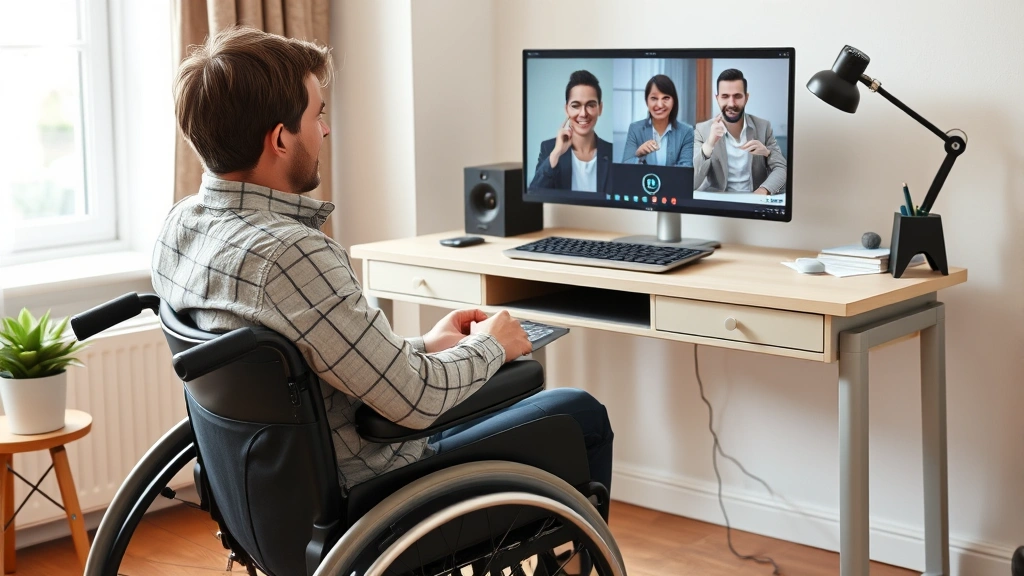
Legal Basis for Remote Court Accommodations
Your right to request a remote court appearance is grounded in several federal and state laws designed to ensure equal access to the judicial system:
Americans with Disabilities Act (ADA): Title II of the ADA requires state and local courts to provide reasonable accommodations to individuals with disabilities, including modifications to courtroom procedures and access methods. The ADA’s Title II protections apply to all public court systems and judicial proceedings.
Section 504 of the Rehabilitation Act: This law prohibits discrimination based on disability in federally funded programs and services, including federal courts. It parallels ADA protections and applies specifically to federal courthouse accommodations.
State Disability Accommodation Laws: Most states have their own statutes requiring reasonable accommodations in court proceedings. Many state court rules explicitly authorize remote appearances for individuals with medical hardships.
Federal Rules of Criminal Procedure and Civil Procedure: These rules permit judges to authorize remote appearances when justified by the interests of justice and the defendant’s or party’s circumstances.
The key legal principle is that you have a right to meaningful access to the court system. If your disability makes in-person attendance impossible or creates significant health risks, the court has an obligation to consider alternative arrangements. Remote appearance is increasingly recognized as a reasonable accommodation that doesn’t compromise judicial integrity or the defendant’s right to a fair proceeding.
Medical Conditions Qualifying for Remote Court Access
Many medical conditions can support a request for remote court appearance. Courts recognize that some individuals face genuine medical barriers to in-person attendance that cannot be overcome through other accommodations like wheelchair accessibility or interpreter services.
Chronic Pain and Mobility Disorders: Conditions like severe arthritis, fibromyalgia, spinal cord injury, cerebral palsy, and multiple sclerosis often make prolonged sitting, standing, or courtroom attendance physically impossible. If your condition causes severe pain, fatigue, or functional limitations triggered by stress or prolonged presence in formal settings, you may have grounds for remote accommodation.
Immunocompromised Status: Individuals with HIV/AIDS, cancer undergoing active treatment, post-transplant status, or primary immunodeficiency disorders face serious health risks in crowded public spaces. COVID-19 has also validated immunocompromised status as a legitimate reason for remote court access.
Respiratory and Pulmonary Conditions: Severe asthma, COPD, cystic fibrosis, pulmonary hypertension, and other breathing disorders may be exacerbated by stress, poor air quality, or crowded courtroom environments. Some individuals require portable oxygen, which presents logistical challenges in courtrooms.
Cardiac Conditions: Heart disease, arrhythmias, and conditions requiring careful stress management may qualify. The stress of in-person court appearance can trigger medical emergencies in individuals with certain cardiac diagnoses.
Neurological Conditions: Severe migraines, seizure disorders, Parkinson’s disease, ALS, and other neurological conditions may make courtroom attendance medically contraindicated. Stress, environmental triggers, and prolonged standing can precipitate serious medical events.
Mental Health Conditions: Severe anxiety disorders, PTSD, agoraphobia, panic disorder, and severe depression can make courtroom attendance traumatic or impossible. Courts increasingly recognize that psychological disabilities deserve the same accommodation consideration as physical disabilities.
Infectious Diseases: Individuals with active tuberculosis, severe influenza, or other communicable conditions may be legally or medically barred from public spaces during contagious periods.
The key is demonstrating that your condition creates a genuine functional limitation that makes in-person court attendance unsafe, medically contraindicated, or impossible—not merely inconvenient.
How to Obtain a Remote Court Appearance Letter
Obtaining a remote court appearance letter requires coordination with your healthcare provider and clear communication about your legal needs.
Step 1: Consult Your Healthcare Provider
Schedule an appointment with your primary care physician or the specialist treating your condition. Bring documentation of your upcoming court date and explain that you need a medical letter supporting a request for remote court participation. Be honest and specific about:
- How your medical condition affects your ability to attend court
- What happens if you attempt in-person attendance (pain, symptoms, medical crises, etc.)
- Why remote participation would be safer or medically appropriate
- The date and nature of your court appearance
Step 2: Provide Relevant Medical Context
Your provider needs to understand the functional impact of your condition. Don’t assume they know the full extent of your limitations. Explain that the letter will be submitted to a judge as evidence supporting an accommodation request, so it must be detailed and specific.
Step 3: Request a Formal Letter
Ask your provider to write a formal letter (not just a note) on official letterhead that includes the specific elements outlined in the next section. Some providers may charge a fee for this service, typically $25–$150 depending on the complexity and time required.
Step 4: Review and Follow Up
When you receive the letter, review it carefully to ensure it addresses your specific situation and includes all necessary elements. If it’s vague or missing key information, contact your provider’s office and request clarification or additions before you submit it to the court.
Alternative Options: If you don’t have a current healthcare provider, you may need to establish care quickly. Federally Qualified Health Centers (FQHCs) offer affordable or sliding-scale care and can often accommodate urgent appointments. Telehealth providers can also issue medical letters, though in-person evaluation strengthens your case.
Key Components of an Effective Letter
A strong remote court appearance letter includes specific elements that demonstrate medical necessity and meet legal standards:
Provider Credentials: The letter must be from a licensed, currently practicing healthcare provider. Include the provider’s name, credentials (MD, DO, NP, PA), license number (if available), practice address, phone, and email. The more established and credible the provider, the stronger your case.
Patient Identification: Include your full legal name, date of birth, and the dates of your treatment relationship with this provider. Courts want to verify the provider has actual knowledge of your condition.
Diagnosis and Clinical History: The provider should state your diagnosis(es) clearly and briefly describe the relevant medical history. This establishes the provider’s medical basis for their opinion.
Functional Limitations: This is critical. The letter must explain specifically how your condition limits your ability to attend court in person. For example:
- “Ms. Smith experiences severe pain and fatigue that make sitting for extended periods impossible. Court proceedings typically last 2-4 hours, during which she would experience escalating pain and potential medical crisis.”
- “Mr. Johnson has severe anxiety and agoraphobia that prevent him from entering crowded public buildings. Courtroom environments trigger panic attacks and dissociative episodes that would compromise his ability to participate meaningfully in proceedings.”
- “Ms. Patel is immunocompromised due to active chemotherapy. Medical guidelines recommend she avoid crowded indoor spaces to prevent life-threatening infections.”
Why In-Person Attendance Is Medically Contraindicated: The provider should explain the medical risks or impossibility of in-person attendance. What would happen if you tried? Would you experience a medical emergency? Severe symptom exacerbation? Psychological decompensation?
Medical Necessity for Remote Appearance: The letter should state clearly that remote participation (via video, phone, or other technology) would allow you to participate safely and meaningfully. Explain why remote format eliminates or reduces the identified barriers.
Recommendation and Timeframe: The provider should recommend remote court appearance and specify how long this accommodation is medically necessary. Is it permanent, or temporary pending treatment? This helps the court understand the scope of the accommodation.
Provider Signature and Date: The letter must be signed by the provider (not a staff member) and dated. A scanned signature is typically acceptable.
Example Language: “Based on my clinical evaluation and knowledge of [Patient Name]’s condition, I recommend that she be permitted to appear remotely via video conference for her court appearance on [Date]. In-person attendance would pose significant medical risks and is not medically advisable at this time.”
Submitting Your Request to the Court
Once you have your medical letter, you’ll need to formally submit an accommodation request to the court handling your case.
Identify the Right Court and Contact: Determine which court has jurisdiction over your case (district court, circuit court, family court, etc.) and find the appropriate contact. This might be the judge’s chambers, court clerk’s office, or a specific accommodation coordinator. Many courts now have ADA coordinators dedicated to handling accommodation requests.
Understand Court Procedures: Different courts have different procedures for accommodation requests. Some require a formal motion, others accept a letter. Check the court’s website or call the clerk’s office to ask: “What is your procedure for requesting remote court appearance due to medical hardship?”
Prepare Your Submission Package: Include:
- A cover letter explaining your request
- Your medical letter from your healthcare provider
- Any supporting medical documentation (recent medical records, test results, provider notes) that strengthen your case
- Your case number and hearing date
- Your contact information
Submit Early: Don’t wait until the last minute. Submit your request at least 2-4 weeks before your scheduled court date. This gives the judge time to review and rule on your request.
Submission Methods: Courts typically accept submissions via:
- Email to the judge’s chambers or court clerk
- Mail to the courthouse
- Electronic filing systems (if available)
- In-person delivery to the clerk’s office
- Through your attorney (if you have one)
Follow Up: After submitting, follow up with the court 5-7 days later to confirm receipt and ask about the expected timeline for a ruling. Keep copies of everything you submit.
What Judges Consider When Reviewing Requests
Understanding judicial perspective helps you strengthen your request. Judges evaluate remote court appearance requests based on several factors:
Medical Credibility: Is the letter from an established healthcare provider with relevant expertise? Judges are more likely to approve requests supported by detailed medical evidence from providers they recognize as credible. A letter from your long-term treating physician carries more weight than a telehealth provider you’ve never seen.
Specificity and Necessity: Vague letters requesting remote appearance “due to health reasons” are less persuasive than detailed explanations of functional limitations and medical contraindications. Judges want to understand exactly why in-person attendance is problematic.
Fairness and Due Process: The judge must balance your accommodation needs against fairness concerns. Can remote appearance preserve your right to a fair trial or hearing? For defendants, judges consider whether remote appearance might disadvantage you in the eyes of a jury or affect your ability to consult with counsel.
Court Operations: Judges also consider whether granting your request creates logistical problems. However, courts have adapted significantly to remote proceedings, so this is increasingly a minor factor.
Legitimacy Concerns: Unfortunately, some judges are skeptical of accommodation requests, particularly for mental health conditions. A detailed, credible medical letter helps overcome this bias by providing objective evidence.
Alternative Accommodations: The judge may ask whether other accommodations (breaks, accessibility modifications, etc.) could address your needs instead of full remote appearance. Be prepared to explain why alternatives are insufficient.
Common Challenges and How to Address Them
Even with a strong medical letter, accommodation requests sometimes face obstacles. Here’s how to address common challenges:
Judge Denies the Request: If your request is denied, you typically have the right to appeal or renew your request as your court date approaches. If your condition worsens, submit an updated medical letter. Some judges are more accommodating than others; if possible, request reassignment to a different judge or request reconsideration based on new medical information.
Opposing Counsel Objects: In civil or criminal cases, the other party may oppose your accommodation request. A strong medical letter helps overcome these objections. Your attorney (if you have one) can argue that reasonable accommodations are required by law and that remote appearance doesn’t unfairly prejudice their position.
Credibility Questions About Your Provider: If the judge questions your provider’s credibility, be prepared to provide additional information: years in practice, board certification, patient population, and whether the provider has issued similar letters. You might also offer to have your provider speak with the judge directly.
“You Look Fine” Skepticism: Many disabilities are invisible. If you appear healthy but have a serious functional limitation, your medical letter is crucial evidence. This is where specific, detailed descriptions of limitations matter most.
Mental Health Stigma: Some judges minimize mental health conditions. Combat this with a detailed letter that explains mental illness as a medical condition with documented functional impacts. Reference the ADA’s clear inclusion of psychiatric disabilities.
Technology Concerns: If the court worries about technical problems, offer to conduct a test call or use a specific platform. Propose backup plans (phone appearance if video fails). This demonstrates your commitment to participating meaningfully.
If you have an attorney, they can advocate strongly on your behalf and help overcome judicial skepticism. If you don’t have representation, consider consulting a disability rights organization or legal aid society for guidance.
Related resources include information on flexible schedule accommodation letters and remote work accommodations, which follow similar documentation principles. Understanding reduced workload accommodation letters can also provide insights into effective medical documentation strategies.
FAQ
Can I request a remote court appearance without a medical letter?
Technically, you can submit a request without a medical letter, but your chances of approval are significantly lower. Judges rely on medical documentation to verify that your request is based on genuine medical necessity rather than convenience or preference. A letter from a healthcare provider substantially strengthens your case.
How long does it take to get a remote court appearance letter from my doctor?
Most providers can write a letter within 3-7 business days. However, if your provider is busy or your case is complex, it might take 1-2 weeks. This is why you should request the letter immediately upon learning your court date. Don’t wait until a week before your hearing.
What if I don’t have a regular healthcare provider?
You’ll need to establish care quickly. Visit an urgent care clinic, federally qualified health center, or telehealth provider and explain that you need a medical letter for a court accommodation request. Be honest about your condition and timeline. Some providers can write a letter after a single visit, though a letter based on established care is stronger.
Can a mental health provider write a remote court appearance letter?
Absolutely. Psychiatrists, psychologists (with appropriate licensure), licensed clinical social workers, and other mental health professionals can write medical letters supporting remote court accommodation. Mental health conditions are disabilities under the ADA and qualify for accommodations just as physical conditions do.
What if the judge approves remote appearance but I want to attend in person?
That’s your choice. Even if you have a medical accommodation, you can choose to exercise it or not. However, if you decide to attend in person after requesting remote accommodation, the judge may question your credibility or ask why you requested the accommodation.
Can I appear by phone instead of video?
Some courts permit phone appearance, but video is increasingly standard. Ask the court about available options and discuss with your provider which format works best for your condition. If you have anxiety about being on video, you can request phone appearance and explain that in your accommodation request.
How often do courts approve remote court appearance requests?
Approval rates vary significantly by jurisdiction and judge. Courts with established remote capabilities and ADA coordinators approve most reasonable requests. However, some courts are more restrictive. Having a strong medical letter substantially increases your approval likelihood. The Department of Justice provides guidance on court accommodations under the ADA.
What if my condition improves before my court date?
Inform the court immediately. If your medical situation changes, provide an updated letter from your provider. Courts appreciate transparency, and updating your request demonstrates good faith. You can also simply withdraw your accommodation request if your condition improves.
Do I need an attorney to request remote court appearance?
No, you can submit a request yourself. However, having an attorney strengthens your position because they understand court procedures and can advocate persuasively on your behalf. If you cannot afford an attorney, contact your local legal aid society or public defender’s office for assistance.
What happens if the court grants my request but technical problems occur during the hearing?
Have a backup plan. Discuss with the court what happens if your internet fails or you have technical problems. Some courts will reschedule; others may permit phone appearance as a backup. Having multiple contingencies protects you.
Can I request remote appearance for jury duty?
Yes, you can request exemption or accommodation for jury duty based on medical hardship. Federal courts and most state courts accept medical letters supporting jury duty exemptions. Contact the court clerk about their specific procedures.