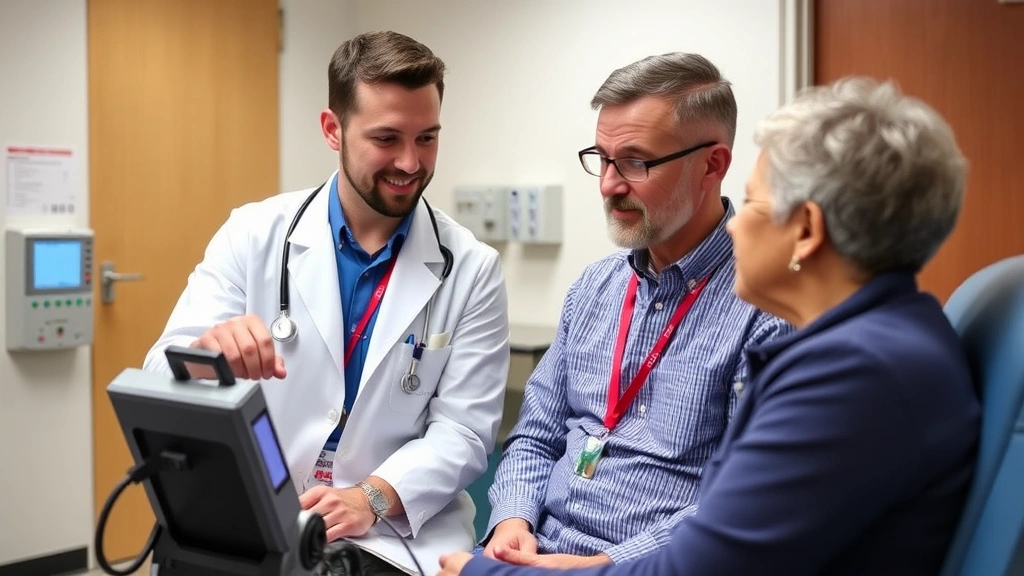
Travel with Oxygen: Doctor-Signed Letter Guide
Traveling with supplemental oxygen requires careful planning and proper medical documentation. A doctor-signed oxygen clearance letter is essential for navigating airport security, airline policies, and international travel regulations. This comprehensive guide walks you through obtaining the right documentation to ensure safe, hassle-free travel while managing your respiratory health.
Whether you’re flying domestically or internationally, airlines and transportation security agencies require medical clearance before allowing oxygen equipment aboard. The process involves working with your healthcare provider to generate official documentation that confirms your medical need, equipment specifications, and flight safety compatibility. Understanding these requirements upfront prevents delays, denials, and unnecessary stress at the airport.
Proper oxygen clearance documentation protects both your health and your travel plans. Airlines use this letter to verify that your equipment meets technical standards, that you’ve received proper training, and that your condition is stable enough for air travel. This guide explains what’s needed, how to obtain it, and how to present it effectively to travel authorities.
Why You Need an Oxygen Clearance Letter for Travel
The Transportation Security Administration (TSA) and all commercial airlines require medical documentation for passengers traveling with oxygen equipment. This requirement exists for safety, regulatory compliance, and liability protection. Your doctor-signed letter serves as official proof that you have a legitimate medical need and that your equipment is safe for air travel.
Oxygen is classified as a hazardous material in aviation. The Federal Aviation Administration (FAA) strictly regulates how oxygen equipment can be transported on aircraft. Without proper clearance documentation, you may be denied boarding, have your equipment confiscated, or face significant travel delays. A comprehensive letter from your healthcare provider addresses these regulatory concerns directly.
Beyond regulatory requirements, your clearance letter documents your current health status. Airlines want assurance that your respiratory condition is stable enough for flight, that you understand proper equipment usage, and that you’ve been trained on safety protocols. This documentation protects you by creating an official medical record of your fitness to travel and your equipment specifications.
Getting advance clearance also gives you legal protection. Should any issues arise during travel, your doctor-signed letter proves you followed proper procedures and received appropriate medical authorization. This documentation is particularly important if you need to file complaints or claims related to travel disruptions.
What Information Must Be Included
A comprehensive oxygen clearance letter contains specific medical and technical information that airlines and TSA agents need to verify. Your doctor should include:
- Patient identification: Full legal name, date of birth, and confirmation that you are the patient under their care
- Diagnosis and medical necessity: The respiratory condition requiring supplemental oxygen and why it makes air travel medically necessary
- Current health status: Statement that your condition is stable and suitable for air travel, including recent medical assessment date
- Oxygen prescription details: Flow rate (liters per minute), duration needed during flight, and type of oxygen delivery system (portable concentrator, liquid oxygen, compressed gas cylinders)
- Equipment specifications: Brand, model number, weight, dimensions, and battery life (if applicable) of your portable oxygen concentrator or other equipment
- Training confirmation: Verification that you’ve been trained on proper equipment operation, safety procedures, and emergency protocols
- Physician credentials: Doctor’s name, medical license number, specialty, contact information, and official letterhead
- Signature and date: Original signature (not digital) and current date, ideally within 30 days of travel
- Contact information: Phone number where the airline can reach your physician if they have questions
Some airlines request additional information such as a statement confirming the equipment doesn’t contain lithium batteries (or detailing which components do), assurance that you won’t need oxygen refills during flight, and confirmation that your equipment has passed FAA testing. Ask your airline for their specific documentation requirements before your appointment with your doctor.
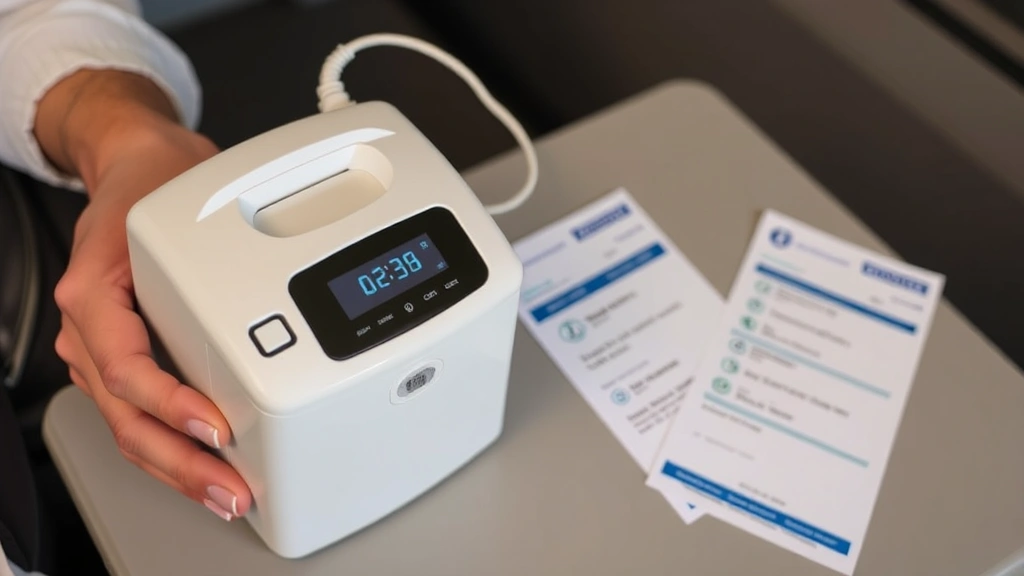
” alt=”Medical professional reviewing oxygen equipment documentation with patient”>
Steps to Obtain Your Doctor-Signed Letter
Getting your oxygen clearance letter requires advance planning and coordination with your healthcare provider. Start this process at least 2-4 weeks before your intended travel date.
Step 1: Contact Your Healthcare Provider Call your doctor’s office and explain that you need a travel-specific oxygen clearance letter. Ask if they can provide this or if they recommend a pulmonologist or respiratory specialist instead. Some primary care physicians prefer referring oxygen patients to specialists for travel documentation.
Step 2: Provide Specific Information Give your doctor’s office details about your travel plans: departure date, flight duration, airlines you’re using, and your equipment specifications. This helps them tailor the letter to your exact situation. Provide your airline’s contact information so they can submit documentation directly if needed.
Step 3: Discuss Equipment Details During your appointment, discuss your specific oxygen equipment. Bring your portable concentrator or oxygen equipment to the appointment so your doctor can verify the model and specifications. They should physically examine your equipment and confirm it’s in good working order.
Step 4: Request Multiple Copies Ask for at least 3-4 original signed copies of your letter. You’ll need one for TSA, one for the airline, and should keep extras for your records. Printed copies of a signed letter are acceptable, but having originals prevents any questions about authenticity.
Step 5: Verify Letter Details Before leaving your appointment, review the letter carefully. Confirm that all equipment information is accurate, flow rates match your prescription, and contact information is correct. Don’t leave until you’ve verified every detail.
Step 6: Request Direct Airline Submission Ask if your doctor’s office can send the letter directly to your airline’s medical clearance department. This often speeds up the approval process and creates an official record with the airline before you arrive at the airport.
TSA and Airline Requirements for Oxygen Equipment
The TSA and FAA have specific rules about what oxygen equipment is permitted on aircraft. Understanding these regulations helps you choose appropriate equipment and ensures your doctor’s letter addresses the right specifications.
Portable Oxygen Concentrators (POCs) are the most travel-friendly option. These battery-powered devices extract oxygen from cabin air and are approved by the FAA on most commercial flights. Your letter should specify your POC’s brand, model, and FAA approval status. Approved models include devices from companies like Inogen, Philips Respironics, and DeVilbiss. Confirm with your airline that your specific model is on their approved list.
Compressed Oxygen Cylinders are heavily restricted on aircraft. Most airlines prohibit passengers from bringing filled cylinders aboard. However, you may arrange to have cylinders delivered to your destination or use them only in ground transportation. Your doctor’s letter should clarify whether you’re using cylinders and, if so, explain your ground-based oxygen plan.
Liquid Oxygen is generally prohibited on commercial flights. Like compressed cylinders, liquid oxygen must be arranged separately at your destination. Your letter should address this if it applies to your situation.
Battery Requirements Your POC batteries must provide sufficient runtime for your flight plus a safety margin. If you’re flying 6 hours, your batteries should last at least 8 hours. Your letter should confirm your equipment’s battery life and that you’re bringing fully charged batteries and extras for longer flights.
The FAA provides detailed guidance on oxygen equipment for air travel, and your doctor should be familiar with these regulations. Your clearance letter should reference FAA compliance.
International Travel Considerations
International flights have additional oxygen equipment requirements beyond domestic U.S. travel. Different countries and international carriers have varying regulations, making advance planning essential.
International Airline Requirements Airlines operating international routes may have stricter oxygen policies than domestic carriers. Some require additional medical documentation, advance notice (sometimes 48 hours or more), or approval from their medical department. Your doctor’s letter should be in English and include all technical specifications, as international carriers may not accept incomplete documentation.
Destination Country Regulations Some countries restrict certain oxygen equipment models or require specific certifications. Research your destination’s regulations or contact their embassy for medical device import rules. Your doctor should note in the letter that your equipment meets international standards.
Connecting Flights If your journey includes connecting flights through different countries, you need documentation that satisfies all airlines involved. Each carrier may review your letter independently. Having multiple copies ensures smooth transitions.
Return Travel Arrangements Plan how you’ll obtain oxygen for your return flight. Some countries don’t allow portable concentrators to be refilled with oxygen obtained locally. Research whether you need to arrange equipment delivery to your destination or make other arrangements with your healthcare provider before departure.
The International Air Transport Association (IATA) publishes regulations for hazardous materials including oxygen equipment, which your doctor may reference in your clearance letter.
Presenting Your Documentation at the Airport
Proper presentation of your oxygen clearance letter at the airport prevents delays and ensures smooth security screening. Preparation and organization are key to hassle-free travel.
Organize Your Documents Keep your oxygen clearance letter in an easily accessible place—your carry-on bag, not checked luggage. Organize it alongside your ID, boarding pass, and any airline-specific approval letters. Use a clear folder or envelope so documents don’t get bent or damaged.
Arrive Early Plan to arrive at the airport earlier than standard recommendations when traveling with oxygen equipment. Allow extra time for TSA screening, which may involve additional questioning or inspection of your equipment. Arriving 3 hours early for domestic flights is prudent.
Inform TSA Agents Tell the TSA agent at check-in that you’re traveling with oxygen equipment and have medical documentation. Present your letter proactively rather than waiting to be asked. This transparency helps agents understand your needs and process you efficiently.
Be Prepared for Questions TSA and airline staff may ask about your equipment, flow rate, battery life, or medical condition. Be ready to explain your oxygen needs clearly and provide details from your doctor’s letter. Stay patient and cooperative, as these questions are routine.
Allow Equipment Inspection Your portable oxygen concentrator may be physically inspected by TSA. Allow them to examine it, test batteries, and verify it matches your documentation. Having your equipment charged and ready for inspection prevents delays.
Request Medical Line If available, ask to go through the TSA medical line rather than standard security screening. Medical lines often have agents trained in handling medical equipment and may process you more quickly.
For detailed TSA guidance on traveling with medical equipment, visit the TSA special procedures page.
Common Challenges and Solutions
Even with proper preparation, oxygen travelers sometimes encounter obstacles. Understanding common issues and solutions helps you navigate them effectively.
Airline Denies Your Documentation If an airline claims your letter is insufficient, ask specifically what information is missing. Request their medical documentation requirements in writing, then contact your doctor to provide additional details. Having direct communication between your doctor and the airline’s medical department often resolves this quickly. Don’t accept denial without understanding the specific deficiency.
Equipment Not on Approved List Some airlines maintain approved POC models lists, and your device might not appear on it. Contact the airline’s medical department with your equipment’s FAA approval documentation and user manual. Often, the airline simply hasn’t updated their list. Provide evidence of FAA approval, and most carriers will add your model.
Insufficient Battery Life If your equipment’s battery life doesn’t cover your flight duration, discuss battery options with your doctor and equipment manufacturer. Some POCs have optional extended-life batteries. Alternatively, you might rent equipment at your destination or arrange to charge batteries during layovers if your flight includes connections.
International Destination Restrictions If your destination prohibits your equipment, work with your doctor and the destination’s healthcare system to arrange oxygen access at your destination. Your doctor can provide referrals to pulmonologists or oxygen suppliers in your travel destination who can provide temporary equipment.
Lost or Damaged Equipment Before Travel If your oxygen equipment breaks before your trip, contact your equipment supplier immediately. Most companies offer emergency replacement programs for travelers. Keep your doctor’s letter and equipment serial number handy so you can quickly establish your need and get a replacement.
Denied Boarding Despite Documentation In rare cases, airlines may deny boarding despite proper documentation, usually citing safety concerns about your health status. If this occurs, ask for a written explanation, request the airline’s medical review process, and contact your doctor immediately. You may need additional medical assessment or documentation. Document everything for potential complaints to the Department of Transportation.
If you experience discrimination or denial of service related to your oxygen needs, you may have legal recourse under the Americans with Disabilities Act (ADA). Document incidents thoroughly and consider consulting with a disability rights organization.
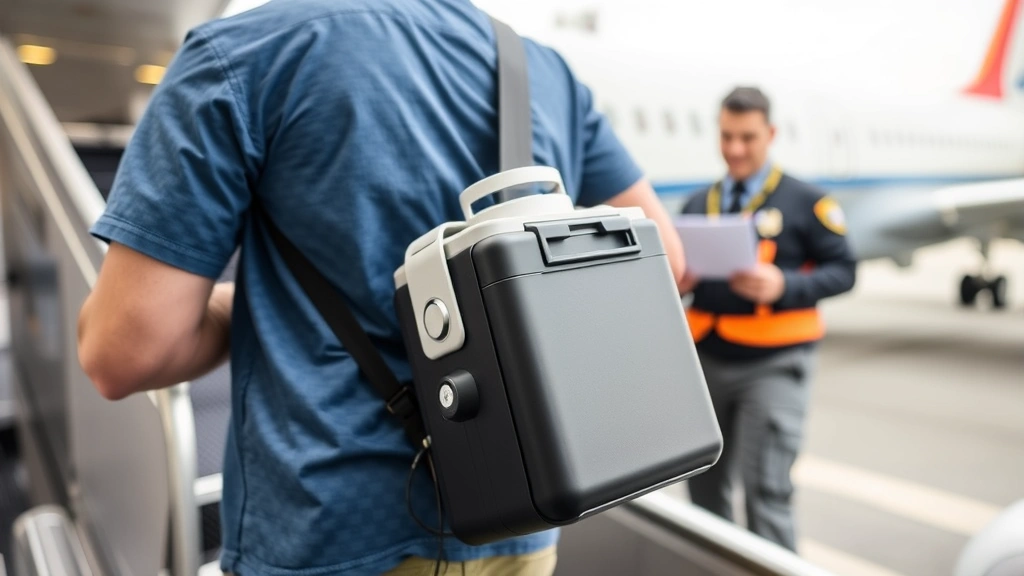
” alt=”Traveler with portable oxygen concentrator boarding aircraft with medical documentation”>
Frequently Asked Questions
How far in advance should I request my oxygen clearance letter?
Request your letter at least 2-4 weeks before travel. This allows time for your doctor’s appointment, letter preparation, and direct submission to your airline if needed. International travel may require even more advance notice due to additional regulatory requirements.
Can I use an old oxygen clearance letter, or do I need a new one for each trip?
Most airlines require letters dated within 30 days of travel. Even if you have a recent letter, verify your airline’s specific time requirements. Equipment changes or health status updates may also necessitate a new letter.
What if my doctor won’t provide an oxygen clearance letter?
If your primary care physician declines, ask for a referral to a pulmonologist or respiratory specialist. These specialists frequently provide travel documentation and understand the specific requirements. If your doctor believes air travel is unsafe for your health, discuss this concern seriously and explore whether travel is advisable.
Do I need different letters for connecting flights or international connections?
One comprehensive letter typically covers all flights in your journey, provided each airline accepts it. However, some international carriers may request their own documentation. Having 3-4 copies allows you to submit copies to each airline if needed.
Can my letter be emailed or must it be a physical document?
Airlines increasingly accept emailed letters with digital signatures or originally signed letters photographed and emailed. However, carry physical copies as backup. Some airport staff may not have access to emailed documentation, and having originals prevents any questions about authenticity.
What happens if my oxygen equipment fails during travel?
If your equipment malfunctions mid-flight, inform cabin crew immediately. Commercial aircraft have emergency oxygen systems, and crew are trained to assist passengers with medical equipment issues. This is another reason having proper medical documentation is important—it alerts flight crew to your oxygen dependency.
Can I travel with backup oxygen equipment in addition to my primary concentrator?
Yes, most airlines allow backup equipment if documented. Your letter should mention any backup devices and their specifications. This is wise planning for longer trips or if you’re concerned about equipment reliability.
Do I need to inform my airline about oxygen needs when booking my flight?
Yes, absolutely. When booking, select the option indicating you’re traveling with medical equipment, or call the airline directly to notify them. This alerts the airline before you arrive at the airport and allows them to note your account. Early notification often streamlines the boarding process.
Are there any destinations where I shouldn’t travel with supplemental oxygen?
High-altitude destinations (above 8,000 feet) may be problematic if your respiratory condition is severe. Discuss altitude destinations with your doctor before booking. They can advise whether your oxygen prescription is adequate for your destination’s elevation or if you need adjustments.
What documentation should I carry if I need to refill oxygen at my destination?
Carry your doctor’s letter and a copy of your oxygen prescription. Include your doctor’s contact information so destination healthcare providers can verify your prescription and arrange local oxygen supply. Having prescriptions written in generic terms (not brand-specific) helps with international refills.