Modify Housing Contract for Medical Needs: Expert Tips
Living with a medical condition or disability often requires adjustments to your living environment. Whether you need accessibility modifications, lease flexibility, or specialized accommodations, modifying your housing contract is a legal right protected under fair housing laws. Understanding how to navigate this process empowers you to advocate for the changes necessary to maintain your health and independence.
A housing contract modification for medical needs isn’t just about comfort—it’s about ensuring your home supports your wellbeing. From requesting unit transfers to negotiating lease terms that accommodate medical appointments and treatment schedules, the right modifications can significantly improve your quality of life. This guide walks you through the process, legal protections, and practical strategies for successfully modifying your housing agreement.
Understanding Fair Housing Rights and Medical Accommodations
Fair housing laws in the United States—primarily the Fair Housing Act (FHA) and the Americans with Disabilities Act (ADA)—protect your right to request reasonable accommodations in housing based on medical needs. These laws apply to rental properties, condominiums, and most housing situations, with limited exceptions for owner-occupied buildings with four or fewer units.
A reasonable accommodation is a modification to rules, policies, practices, or the physical space that enables a person with a disability or medical condition to have equal access to housing. Importantly, your landlord or property manager cannot legally deny a reasonable accommodation request simply because it differs from standard lease terms or requires expense. The key is demonstrating that the modification is medically necessary and directly related to your condition.
Understanding these protections is your foundation. You are not asking for a favor; you are exercising a legal right. Whether your need involves valid ESA letter documentation for emotional support animals, physical accessibility modifications, or lease flexibility, fair housing law is on your side when you follow proper procedures.
The burden of proof lies with you to establish the medical necessity, but the burden of cost typically falls on the landlord for structural modifications. Service animals and emotional support animals receive specific protections, and understanding the difference between ESA and service animal letters ensures you request the correct documentation.
Types of Housing Contract Modifications for Medical Needs
Housing contract modifications come in many forms, each addressing different medical circumstances. Understanding the range of possible modifications helps you identify exactly what your condition requires.
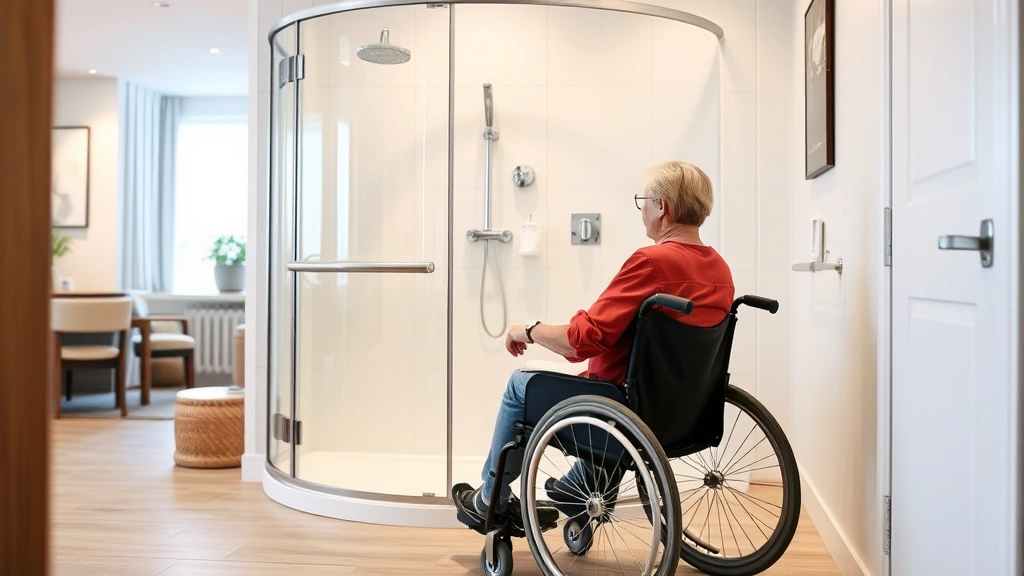
Physical Accessibility Modifications are among the most common requests. These include installing grab bars in bathrooms, ramping entryways, widening doorways for wheelchair access, modifying kitchen cabinets for reduced mobility, installing accessible parking spaces, or converting ground-floor units for individuals with mobility limitations. These modifications make your home physically safe and functional for your medical condition.
Lease Term Modifications address temporal needs. You might request flexibility for frequent medical appointments, permission for temporary medical leave without penalty, modified quiet hours to accommodate sleep disorders, or allowances for in-home medical equipment and supplies. Some tenants negotiate extended notice periods for lease termination due to medical relocation needs or request modifications to parking terms for medical vehicle access.
Pet and Service Animal Accommodations allow residents to keep emotional support animals or service animals despite no-pet policies. This includes waiving pet fees and deposits, allowing animals in common areas, and ensuring protection from breed or size restrictions that would otherwise apply.
Environmental Modifications address health sensitivities. Tenants with severe allergies or chemical sensitivities may request smoke-free units, fragrance-free common areas, or unit transfers away from sources of environmental triggers. Those with respiratory conditions might request air quality improvements or HVAC system upgrades.
Communication and Assistance Accommodations ensure accessibility for deaf, hard of hearing, or cognitively disabled residents. This includes providing lease documents in alternative formats, allowing service animals for psychiatric disabilities, or modifying lease language regarding noise or communication requirements.
Documenting Your Medical Need
Strong documentation is essential for a successful modification request. Landlords and property managers are legally entitled to verify that your requested accommodation is medically necessary, but they cannot demand your full medical records or diagnosis.
The most effective documentation is a letter from your healthcare provider—physician, psychiatrist, therapist, or other qualified medical professional. This letter should establish that you have a medical condition or disability, explain how the requested modification is medically necessary, and describe the functional limitation your condition creates. The letter doesn’t need to specify your diagnosis in detail; instead, it focuses on the nexus between your condition and the accommodation request.
For emotional support animals, you’ll need a valid ESA letter from a licensed mental health professional. Understanding ESA letters for depression and housing ensures you obtain proper documentation that meets fair housing standards. For service animals, different rules apply—service animals for physical disabilities don’t require letters, though documentation may be requested for psychiatric service animals.
If you’re requesting a general disability confirmation letter, ensure it comes from a qualified healthcare provider and specifically addresses the medical necessity of your requested accommodation. The letter should be on professional letterhead, dated, and signed by the provider.
Keep documentation organized and professional. Include only information directly relevant to your accommodation request. If your landlord requests additional medical details beyond what’s necessary to verify the accommodation’s reasonableness, you can legally decline and refer them back to the original documentation.

Submitting Your Accommodation Request
The submission process matters. While fair housing law doesn’t require a specific format, submitting your request in writing creates a legal record and demonstrates professionalism.
Start with a written request to your landlord or property manager. Keep the tone respectful and straightforward. Identify yourself, your unit, and clearly state the specific accommodation you’re requesting. Briefly explain how the accommodation relates to your medical condition without oversharing personal details. For example: “I am requesting permission to keep an emotional support animal in my unit due to a disability-related mental health condition. I have attached a letter from my healthcare provider documenting the medical necessity of this accommodation.”
Provide medical documentation simultaneously with your request. Attach the healthcare provider’s letter, ESA letter, or disability confirmation letter. Ensure the documentation is clear, professional, and directly addresses the requested accommodation.
Send via documented method. Email works well because it creates a timestamped record. If sending by mail, use certified mail with return receipt. Avoid verbal requests alone, as they leave no documentation trail if disputes arise.
Be specific about the modification. Vague requests are harder to address. Instead of “I need accommodations,” specify: “I request a ground-floor unit transfer due to mobility limitations from my medical condition” or “I request a modification to the no-pet policy to allow an emotional support animal.”
Include a reasonable timeline. Ask for a response within 10-14 business days. This gives the landlord time to review without creating indefinite delay. For urgent modifications (like accessibility features needed for imminent medical treatment), specify the urgency.
Keep copies of everything you submit. Maintain a file with your request, supporting documentation, and all responses from your landlord. This documentation protects you if disputes escalate.
Negotiating Terms and Timelines
Not all accommodation requests are approved immediately. Many require negotiation, particularly those involving significant modifications or lease term changes.
Understand the landlord’s perspective. While fair housing law protects your rights, landlords have legitimate concerns about cost, feasibility, and impact on other tenants. Approaching negotiation with empathy increases the likelihood of favorable outcomes. Landlords are more receptive to requests framed as partnership rather than confrontation.
Be flexible with solutions. If your landlord proposes an alternative modification that addresses your medical need, seriously consider it. For example, if you request a first-floor transfer and the landlord offers to install an elevator or ramp instead, evaluate whether that alternative adequately addresses your medical necessity. Flexibility often leads to faster resolution.
Discuss cost-sharing where appropriate. While landlords typically bear the cost of structural modifications, some tenants offer to contribute to costs for modifications they’ll benefit from after moving (like paint colors for chemical sensitivities). Never feel obligated to pay for medically necessary accommodations, but offering can facilitate negotiation.
Establish realistic timelines. Some modifications take time—ordering specialized equipment, scheduling contractors, or processing paperwork. Work with your landlord to establish a timeline that’s medically reasonable for you while feasible for them. Document agreed-upon dates in writing.
Get agreements in writing. Once you and your landlord agree on modifications, document the agreement in writing. This might be an email exchange, a signed addendum to your lease, or a formal accommodation agreement. Written documentation prevents misunderstandings and provides legal protection if issues arise later.
Common Challenges and How to Overcome Them
Even with legal protections, you may encounter resistance. Recognizing common challenges prepares you to address them effectively.
Challenge: “We need more medical documentation.” Landlords can request verification, but they cannot ask for diagnosis, full medical records, or details unrelated to the accommodation. If requests seem excessive, provide only what’s necessary and remind your landlord of fair housing limitations on medical inquiries. A letter from your healthcare provider stating the accommodation is medically necessary is typically sufficient.
Challenge: “That modification is too expensive.” Fair housing law requires landlords to provide reasonable accommodations regardless of cost for structural modifications. If your landlord claims expense prevents compliance, consult fair housing resources or an attorney. Reasonable accommodations are a legal obligation, not an optional expense.
Challenge: “Other tenants don’t have that accommodation.” Fair housing law explicitly permits different treatment based on disability. Your neighbor doesn’t need a ground-floor unit, so they don’t receive one. You do, so you’re entitled to it. This is not discrimination; it’s equal access.
Challenge: “We need to evict you for requesting accommodations.” Retaliatory eviction for requesting accommodations is illegal. If your landlord initiates eviction shortly after your accommodation request, this may constitute illegal retaliation. Document the timeline and seek legal counsel immediately.
Challenge: “Your ESA letter isn’t valid.” If your landlord questions your ESA documentation, ensure it meets fair housing standards. Reviewing what makes an ESA letter valid helps you verify your documentation is compliant. If valid, stand firm and cite fair housing law.
Legal Protections and Your Rights
Understanding your legal protections empowers you to advocate confidently. The Fair Housing Act, administered by the U.S. Department of Housing and Urban Development (HUD), prohibits discrimination based on disability in all aspects of housing. The Americans with Disabilities Act provides additional protections for individuals with disabilities.
Your rights include:
- The right to request reasonable accommodations without facing discrimination or retaliation
- The right to privacy regarding medical information; landlords cannot demand excessive documentation
- The right to equal access to housing despite disability; modifications enabling this access are legal requirements
- The right to protection from retaliation for requesting accommodations
- The right to legal recourse if your rights are violated
If your landlord denies a reasonable accommodation request, you have several options. First, request a written explanation of the denial. Second, escalate internally—contact the property owner if you’ve been dealing with a manager. Third, file a complaint with HUD or your state’s fair housing agency. Finally, consult an attorney specializing in housing law or disability rights.
The Job Accommodation Network (JAN) provides resources on accommodations, and organizations like the ADA.gov website offer comprehensive information on disability rights. Many communities have disability rights organizations providing free legal assistance to individuals facing housing discrimination.

FAQ
How long does a housing contract modification request typically take?
Timelines vary. Simple requests like ESA letter verification might be resolved in 1-2 weeks. Physical modifications like installing accessibility features may take several weeks or months depending on contractor availability and complexity. Establish a timeline with your landlord in writing and follow up regularly if delays occur.
Can my landlord charge me for reasonable accommodations?
No. Fair housing law prohibits charging tenants for reasonable accommodations. Your landlord cannot require you to pay for structural modifications, ESA letter verification, or other legally mandated accommodations. However, you remain responsible for normal rent and utilities.
What if my landlord says my medical condition doesn’t qualify for accommodations?
Fair housing law covers disabilities and medical conditions broadly. If your healthcare provider confirms that your condition limits major life activities and necessitates an accommodation, your condition likely qualifies. Your landlord is not the arbiter of what constitutes a disability—healthcare providers and, ultimately, courts determine this. Provide your medical documentation and stand firm.
Can I be evicted for having an emotional support animal if I have an ESA letter?
No. With a valid ESA letter from a healthcare provider, your emotional support animal is protected under fair housing law even in no-pet properties. Your landlord cannot evict you based on the animal’s presence. However, you remain responsible for any damage the animal causes beyond normal wear and tear.
What should I do if my landlord retaliates against me for requesting an accommodation?
Document everything—dates, communications, and the nature of retaliation. Retaliation is illegal and includes eviction, rent increases, reduced services, or harassment following an accommodation request. Contact HUD, your state fair housing agency, or a disability rights attorney immediately. Most jurisdictions have strong anti-retaliation protections.
Do I need to disclose my specific diagnosis when requesting accommodations?
No. You can request accommodations based on disability or medical condition without disclosing your diagnosis. Your healthcare provider’s letter should establish the functional limitation and the accommodation’s medical necessity without detailing your specific diagnosis. You have the right to medical privacy.
What if I’m in public housing or subsidized housing?
Fair housing protections apply equally to public and subsidized housing. In fact, housing authorities often have specific procedures for accommodation requests. Request information about your housing authority’s accommodation process and follow their procedures while maintaining your fair housing rights.