Landlord Denies Medical Accommodation: Know Your Rights
When a landlord refuses to grant a reasonable medical accommodation, it can feel isolating and legally confusing. Whether you need a ground-floor unit due to mobility limitations, an emotional support animal for mental health, or structural modifications for a disability, housing accommodations are not optional favors—they are legal rights protected by federal law. Understanding these protections and knowing how to respond when a landlord denies your request is essential to securing safe, accessible housing.
A landlord’s denial of medical accommodation may constitute housing discrimination under the Fair Housing Act (FHA), the Americans with Disabilities Act (ADA), and state disability laws. This guide walks you through your legal protections, the accommodation request process, documentation requirements, and practical steps to challenge an unlawful denial.
Understanding Fair Housing Laws and Medical Accommodations
The Fair Housing Act (FHA) is the primary federal law protecting tenants from housing discrimination based on disability. Enacted in 1968 and amended in 1988, the FHA requires landlords and housing providers to make reasonable accommodations in rules, policies, practices, or services when necessary to afford a person with a disability equal opportunity to use and enjoy a dwelling.
This protection applies to all rental housing except single-family homes rented without a broker and owner-occupied buildings with four or fewer units. Importantly, the FHA does not require landlords to provide accommodations that impose an undue financial or administrative burden, but the bar for “undue burden” is intentionally high. A landlord cannot simply claim expense as a reason to deny a medically necessary accommodation.
The Americans with Disabilities Act (ADA) provides overlapping protections, particularly for public housing and housing operated by entities receiving federal funding. Additionally, many states and municipalities have their own fair housing laws that may provide even broader protections than the federal baseline.
When a landlord denies a medical accommodation request, they must provide a legitimate, non-discriminatory reason. Common unlawful denial reasons include: “We don’t allow exceptions to our pet policy,” “That modification is too expensive,” “Other tenants might complain,” or “Your disability isn’t visible.” These justifications violate fair housing law and can form the basis of a discrimination complaint.
What Qualifies as a Reasonable Medical Accommodation
Medical accommodations in housing cover a wide spectrum of needs, depending on your specific disability and functional limitations. Common examples include:
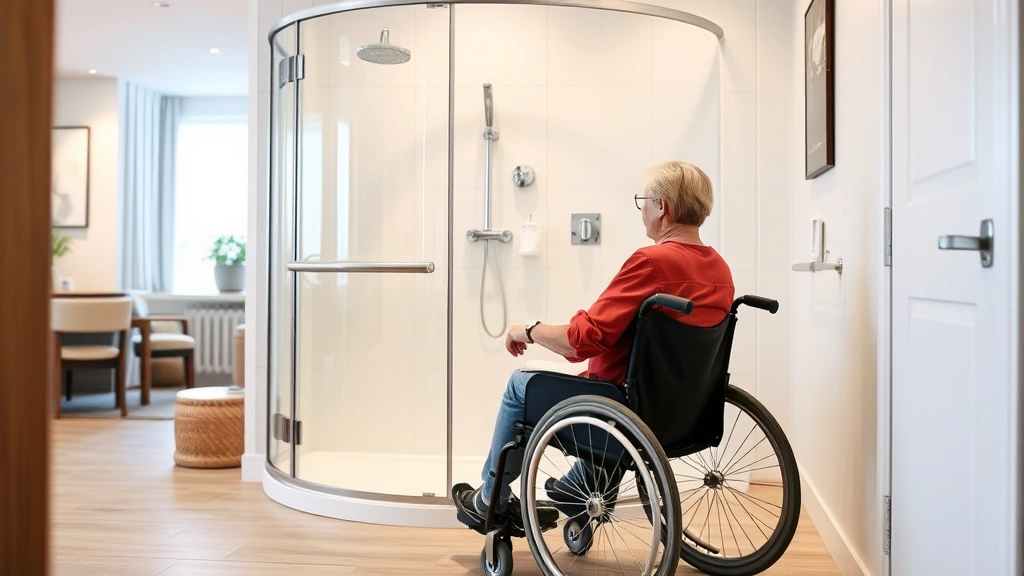
- Unit modifications: Grab bars in bathrooms, ramps, widened doorways, accessible kitchen counters, or specialized flooring for mobility aids
- Unit transfers: Moving to a ground-floor apartment when stairs create a barrier, or relocating to a unit closer to accessible facilities
- Emotional Support Animals (ESAs): Allowing a pet that provides therapeutic benefit for mental health conditions, even if the building has a no-pet policy
- Service animals: Granting access to trained animals that perform tasks for individuals with disabilities, regardless of breed or size restrictions
- Accessible parking: Reserving a close, level parking space for a tenant with mobility limitations
- Policy exceptions: Allowing a caregiver to live in the unit, permitting flexible lease terms due to medical leave, or waiving application fees when disability creates financial hardship
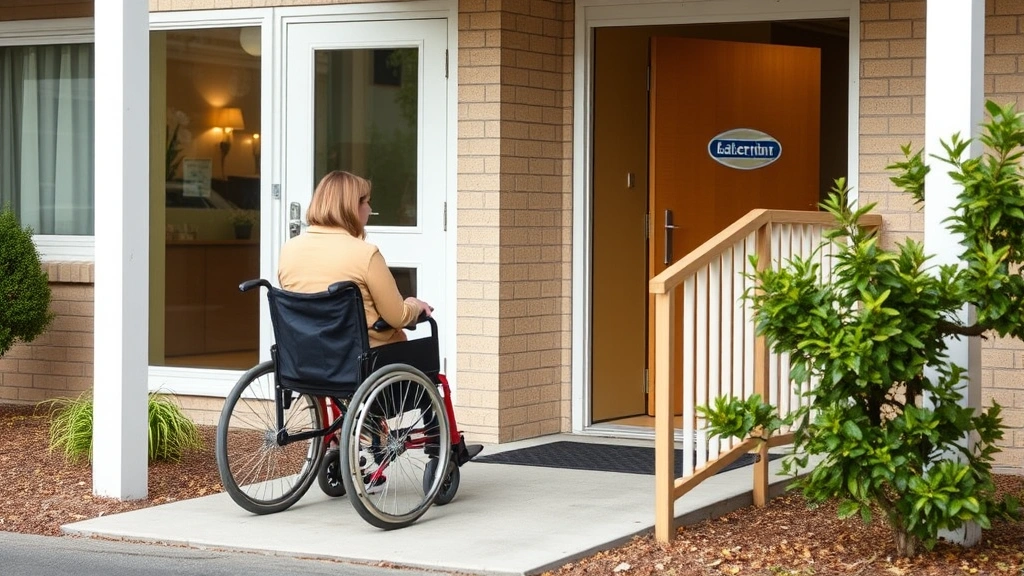
- Common area modifications: Installing handrails, improving lighting, or ensuring accessible routes to building entrances
- Allergen management: Restricting smoking or pet policies in adjacent units when a tenant has severe allergies or respiratory conditions
The key legal standard is whether the accommodation is “reasonable”—meaning it is necessary to provide equal access and does not impose an undue financial or administrative burden on the landlord. A landlord cannot deny an accommodation simply because it is inconvenient or because other tenants might object.
Documentation Requirements for Accommodation Requests
A landlord is legally permitted to request reliable documentation that you have a disability and that the requested accommodation is medically necessary. However, they cannot demand your medical diagnosis, extensive medical records, or unnecessary personal health information. The documentation should establish only three things: (1) you have a disability, (2) there is a relationship between your disability and the requested accommodation, and (3) the accommodation would help you use and enjoy your housing.
Acceptable documentation includes a doctor-signed functional limitation verification letter from a healthcare provider who knows your condition. This letter should describe your functional limitations without requiring a detailed diagnosis. For emotional support animals, a legally valid ESA letter from a licensed mental health professional is standard. For service animals, documentation should confirm the animal is individually trained to perform disability-related tasks—though landlords have limited rights to question service animal certification.
A landlord cannot demand:
- Your specific diagnosis or medical history
- Detailed medical records or test results
- Information about treatment or medications
- Proof of disability from the Social Security Administration
- Statements from multiple doctors unless the disability is genuinely unclear
- An in-person medical examination
If you need guidance on obtaining proper documentation, general disability confirmation letters can provide the necessary verification in a privacy-protective format.
How to Submit a Formal Accommodation Request
Submitting your request correctly significantly strengthens your legal position if a dispute arises. Follow these steps:
- Put it in writing: Send your accommodation request via email or certified mail (keep copies). Verbal requests are harder to prove and give landlords plausible deniability.
- Be specific: Clearly describe the accommodation you need and explain how it relates to your disability without oversharing medical details. Example: “I am requesting permission to have an emotional support animal in my unit due to a disability-related mental health condition. The animal provides therapeutic support that is necessary for me to use and enjoy my housing.”
- Provide documentation: Attach your functional limitation letter or ESA letter from a healthcare provider. Ensure the letter is dated within the past 12 months and comes from a licensed professional.
- Propose a timeline: Request a response within 10 business days. Landlords must respond promptly and cannot indefinitely delay.
- Keep records: Document all communications, including emails, letters, phone call summaries (with dates and names), and responses from the landlord.
A sample request might read: “I am requesting a reasonable accommodation under the Fair Housing Act. I have a disability that substantially limits my mobility. I request permission to install grab bars in my bathroom and a ramp at the building entrance. I have attached documentation from my healthcare provider supporting this need. Please respond within 10 business days.”

Recognizing an Unlawful Denial
Not all landlord denials are illegal. A landlord may legitimately deny an accommodation request if they can prove it would impose an undue financial or administrative burden, or if you cannot provide reliable documentation of disability. However, many denials are unlawful and constitute fair housing violations.
Red flags that a denial may be illegal include:
- Blanket policy refusals: “We never make exceptions to our no-pet policy” or “We don’t allow unit modifications” violate the FHA. Individual circumstances must be considered.
- Requests for excessive medical information: Demanding your diagnosis, treatment history, or medical records goes beyond what is legally permissible.
- Selective enforcement: Allowing other tenants exceptions but denying yours based on disability status.
- Retaliation: Increasing rent, threatening eviction, or reducing services after you request an accommodation is illegal retaliation.
- Dismissal without review: Refusing to consider your request or rejecting it within hours of receipt without genuine evaluation.
- Misapplying the undue burden standard: Claiming expense alone justifies denial. Courts have found that modifications costing thousands of dollars are still “reasonable” when financially feasible for the landlord.
- Discriminatory language: Statements like “Your disability isn’t real,” “You don’t look disabled,” or “I don’t believe in emotional support animals” reveal discriminatory intent.
- Requiring proof of disability: Asking for SSA benefits documentation, disability placard copies, or medical diagnoses exceeds legal authority.
Understanding the difference between ESA and service animal letters is particularly important, as landlords often misapply rules for one category to the other. Service animals performing trained tasks have stronger legal protections than ESAs in some contexts, but both are protected accommodations.
Steps to Challenge Your Landlord’s Refusal
If your landlord denies your accommodation request, do not assume the decision is final. Several steps can help you challenge the denial and potentially reverse it:
Step 1: Request an Explanation in Writing
Ask your landlord to provide a detailed written explanation for the denial. Many landlords will struggle to articulate a legitimate reason. If they cannot clearly explain why the accommodation imposes an undue burden or why your documentation is insufficient, their denial may be indefensible.
Step 2: Provide Additional Documentation
If the landlord claims your documentation is inadequate, consider obtaining supplementary materials. A more detailed functional limitation letter, additional provider statements, or information about the specific accommodation may address their concerns. This also creates a paper trail showing good faith effort on your part.
Step 3: Propose Alternatives
If the landlord objects to one accommodation, propose alternatives that might address their stated concerns. For example, if they resist a permanent ramp, offer a removable one. If they worry about service animal training, offer to provide detailed task descriptions or third-party trainer verification.
Step 4: Send a Formal Demand Letter
If informal negotiation fails, send a formal demand letter citing specific fair housing law violations. This letter should reference the FHA, describe how the denial violates the law, and provide a deadline for compliance (typically 10-14 days). Many landlords will reconsider when faced with explicit legal accountability. Consider having an attorney draft this letter to increase its impact.
Step 5: Contact the Disability Rights Organization in Your State
Most states have disability rights organizations that provide free advocacy and legal assistance. They can investigate your complaint, pressure the landlord, and sometimes represent you in disputes. Search “disability rights [your state]” to find your organization’s contact information.
Filing a Fair Housing Complaint
If your landlord continues to refuse a reasonable accommodation, you have the right to file a formal complaint with the U.S. Department of Housing and Urban Development (HUD). HUD’s Office of Fair Housing and Equal Opportunity investigates allegations of housing discrimination under the FHA.
How to File:
- Visit HUD’s fair housing website or call 1-800-669-9777 (voice and TDD)
- File online at the HUD portal or submit a written complaint via mail
- File within one year of the discriminatory act (though filing sooner is advisable)
- Provide detailed information: your name, the landlord’s name and property address, dates of communications, the accommodation requested, and how the denial affects you
- Include copies of all documentation: accommodation request letters, denial letters, your medical verification, and communication records
What Happens After Filing:
HUD will investigate your complaint at no cost to you. If HUD finds reasonable cause to believe discrimination occurred, they will attempt conciliation (negotiated settlement). If conciliation fails, HUD can issue a charge of discrimination and refer the case for administrative or federal court proceedings. You can also pursue a private lawsuit under the FHA, particularly if you have an attorney.
The Job Accommodation Network (JAN), while primarily focused on workplace accommodations, also provides guidance on disability rights and can direct you to housing-specific resources.
Importantly, filing a complaint does not require you to move or abandon your housing. The FHA explicitly prohibits retaliation, and landlords who threaten eviction or adverse action after a complaint faces additional legal liability.

FAQ
Can a landlord refuse an emotional support animal if the lease says no pets?
No. Under the FHA, landlords must allow emotional support animals as a reasonable accommodation, even if the lease prohibits pets. The no-pet policy is a rule that must yield to disability-related accommodation needs. However, the landlord can request documentation from a licensed mental health professional confirming the disability-related need for the animal.
What if my landlord says my disability isn’t severe enough for an accommodation?
Landlords cannot make subjective judgments about disability severity. The FHA protects individuals with disabilities regardless of how visible or “severe” their condition appears. A landlord’s personal skepticism is not a legal basis for denial. If you have reliable medical documentation, the accommodation request must be considered.
Can a landlord charge extra rent or a pet deposit for an emotional support animal?
No. Charging additional fees specifically for an ESA violates fair housing law. However, the landlord can still hold you liable for any actual damage caused by the animal, just as they would for any tenant damage. The key distinction: no breed, size, or species-based surcharges are permitted for accommodations.
How long does a landlord have to respond to an accommodation request?
While the FHA does not specify a deadline, landlords must respond promptly and in good faith. Generally, 5-10 business days is considered reasonable. Delays lasting weeks or months may indicate bad faith and can strengthen your complaint if you later file with HUD.
Can I be evicted for requesting a medical accommodation?
No. The FHA explicitly prohibits retaliation. If a landlord attempts to evict you, raise rent, reduce services, or otherwise punish you for requesting an accommodation, this constitutes additional discrimination. Document all retaliatory actions and report them immediately to HUD or your state disability rights organization.
What if the landlord claims the accommodation is too expensive?
Cost alone is not sufficient grounds for denial. Courts have consistently held that landlords must bear reasonable costs of accommodations. A modification costing several thousand dollars may still be “reasonable.” The landlord must prove the cost would impose an undue financial burden given their overall financial resources, not merely that the cost is inconvenient.
Do I need an attorney to challenge a landlord’s denial?
Not necessarily. Many landlords will reverse their decision when presented with a formal demand letter citing fair housing law. However, having an attorney review your case, draft correspondence, or represent you in proceedings significantly strengthens your position and increases the likelihood of a favorable outcome. Many disability rights organizations provide free legal assistance.