Handicap Placard Doctor Note: What’s Required?
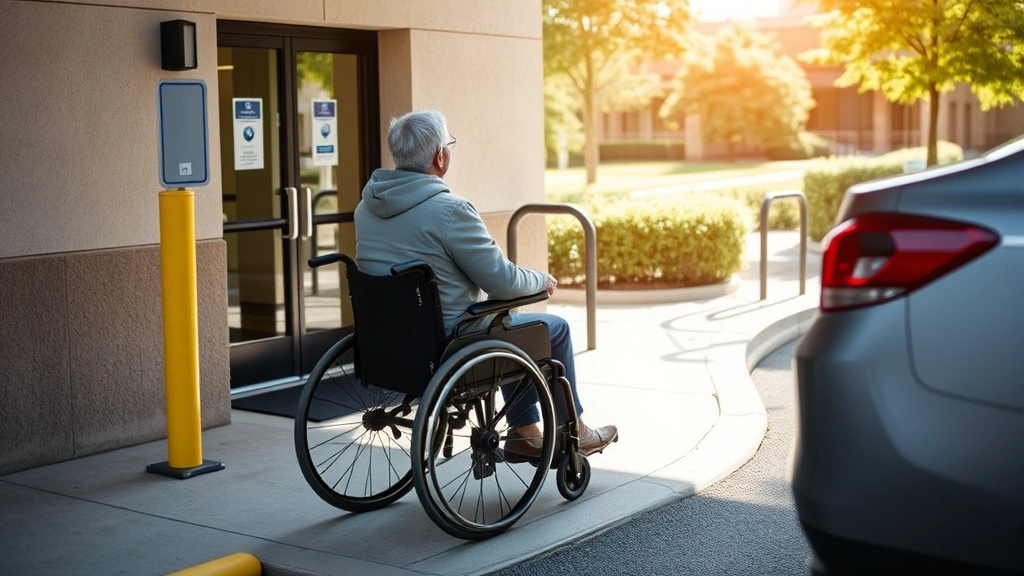
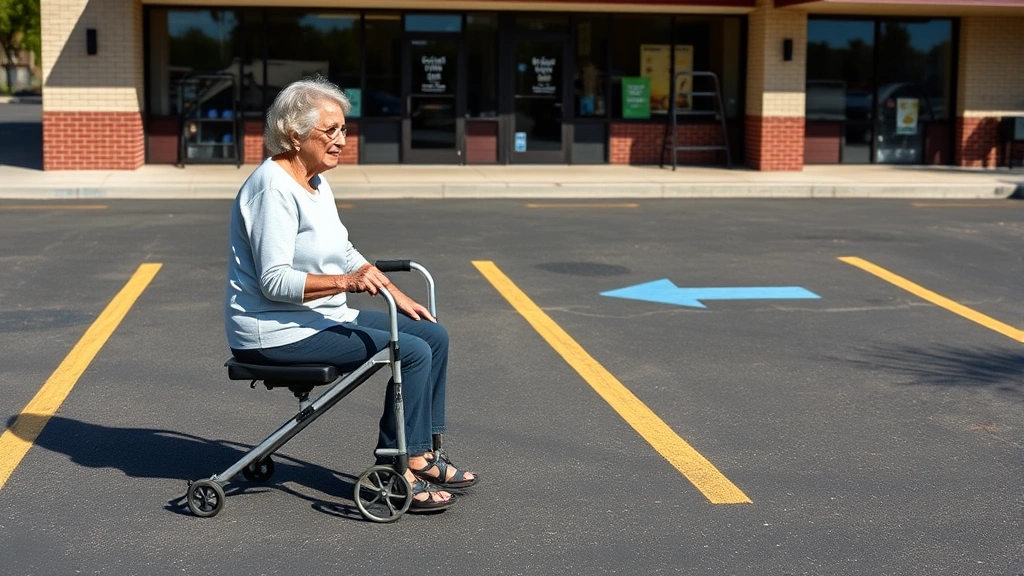
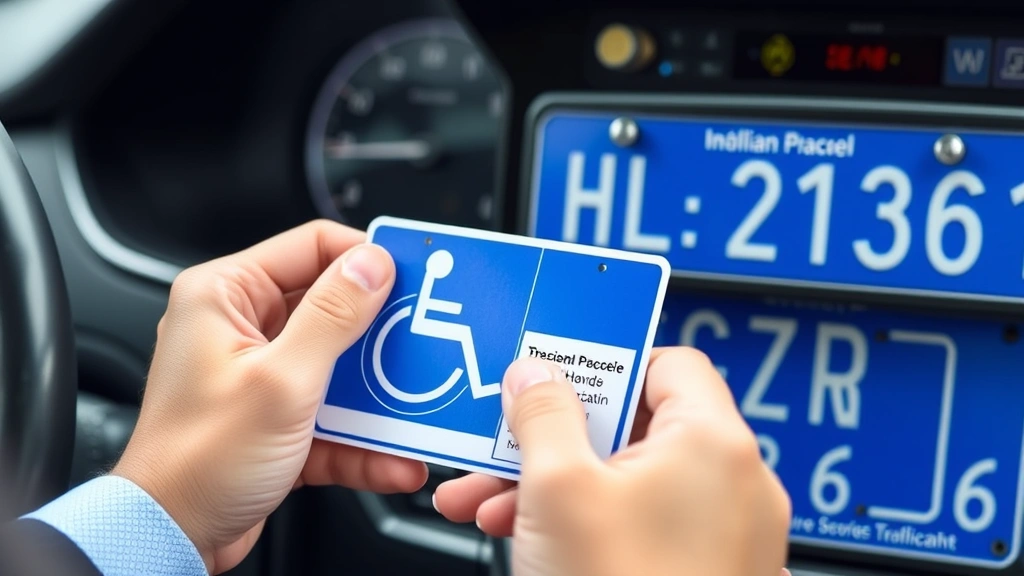
A handicap placard is a critical tool for individuals with mobility disabilities, providing convenient parking access and reducing physical strain during daily activities. However, obtaining one requires proper medical documentation—specifically, a doctor’s note that meets your state’s Department of Motor Vehicles (DMV) standards. Understanding what your healthcare provider must include in this letter can streamline the application process and ensure your request is approved without delays.
The doctor’s note for a handicap placard serves as official medical evidence that you have a qualifying disability affecting your mobility. This documentation protects both you and the DMV by confirming that your condition genuinely warrants special parking privileges. Whether you’re dealing with arthritis, spinal cord injury, heart disease, respiratory conditions, or other mobility-limiting disorders, your physician’s assessment is the foundation of your placard eligibility.
This guide outlines exactly what your doctor needs to document, how to request the letter, common mistakes to avoid, and answers to frequently asked questions about the handicap placard application process.
Medical Conditions Qualifying for Handicap Placards
The Americans with Disabilities Act (ADA) and state DMV regulations recognize a range of conditions that substantially limit mobility. Your doctor’s note must clearly establish that your condition falls within these qualifying categories. Common conditions include:
- Mobility Impairments: Cerebral palsy, spinal cord injuries, amputations, severe arthritis, muscular dystrophy, and multiple sclerosis
- Cardiovascular Conditions: Severe heart disease, recent heart attacks, or conditions requiring oxygen therapy that limit walking distance
- Respiratory Diseases: COPD, severe asthma, cystic fibrosis, and other conditions restricting physical exertion
- Neurological Disorders: Parkinson’s disease, Lou Gehrig’s disease (ALS), and conditions causing severe balance or coordination problems
- Visual Impairments: Blindness or severe vision loss affecting safe navigation
- Cognitive or Psychiatric Disabilities: Conditions that substantially impair the ability to navigate parking areas safely
- Temporary Disabilities: Severe fractures, post-surgical recovery, or acute conditions requiring mobility assistance for a defined period
Your physician must document not just the diagnosis, but how your condition specifically affects your ability to walk or access parking areas. This functional assessment is critical—the placard is awarded based on mobility limitation, not diagnosis alone.
Essential Components of a Doctor’s Note
A comprehensive handicap placard doctor’s note must include specific elements to satisfy DMV requirements. Here’s what your physician should document:
- Physician Credentials: Full name, medical license number, practice address, phone number, and signature. Many states require the doctor’s printed letterhead and NPI number (National Provider Identifier)
- Patient Information: Your full legal name, date of birth, and current address as it appears on your driver’s license
- Diagnosis: The specific medical condition(s) causing mobility limitations. The note should be clear and clinically accurate, avoiding vague language
- Functional Limitations: A detailed description of how your condition affects your ability to walk or ambulate. Example: “Patient can walk no more than 50 feet without significant pain and shortness of breath” or “Patient requires a wheelchair for all outdoor mobility”
- Permanence or Duration: Whether the condition is permanent, temporary, or progressive. For temporary placards, the expected duration must be specified (e.g., “6 months” or “until surgical recovery in Q3 2024”)
- Physician Certification: A clear statement such as “I certify that this patient qualifies for a disabled person placard based on a mobility disability” or language matching your state’s specific requirements
- Date of Examination: When the doctor last evaluated you for this condition. Many states require an examination within the past 6-12 months
- Medical Record Reference: Optional but helpful: reference to relevant medical records, imaging, or test results supporting the diagnosis
The note should be professional, typed on official letterhead, and signed by the physician in blue or black ink (or digitally signed if your state’s DMV accepts electronic documentation).

How to Request a Handicap Placard Letter from Your Doctor
Requesting this documentation requires clarity and advance notice. Follow these steps to ensure your doctor provides exactly what the DMV needs:
- Schedule an Appointment: Don’t attempt to obtain the letter during a routine visit. Call ahead and explain you need documentation for a handicap placard application. This allows your doctor time to review your file and prepare the letter
- Provide DMV Requirements: Ask your doctor’s office if they have a standard form or template for your state’s DMV. If not, provide them with the specific requirements from your state’s DMV website. Many states publish official physician certification forms that streamline the process
- Be Specific About Your Limitations: During your appointment, clearly describe how your condition affects your mobility on a daily basis. Discuss walking distances, pain levels, fatigue, balance issues, or other functional limitations. This information helps your doctor write a detailed, accurate letter
- Ask About Temporary vs. Permanent: Clarify with your doctor whether your condition warrants a permanent or temporary placard. This distinction is critical and affects placard validity periods
- Request Multiple Copies: Ask for at least two signed copies of the letter—one for your DMV application and one for your personal records
- Confirm Format Requirements: Ask if your state’s DMV requires the letter in a specific format, on specific paper, or with particular signatures (some states require notarization)
- Understand Timing: Ask how long it will take to receive the completed letter. Most offices can provide it within 5-10 business days
If your primary care physician is unfamiliar with handicap placard requirements, consider requesting a doctor signed general disability confirmation letter that documents your functional limitations comprehensively, which can then be adapted for DMV purposes.
State-Specific DMV Requirements
Handicap placard requirements vary significantly by state. Your doctor’s note must comply with your specific state’s standards. Key variations include:
- Form Requirements: Some states like California, New York, and Florida provide official physician certification forms that must be used. Other states accept any letter meeting general criteria
- Physician Qualifications: Most states accept notes from MD or DO physicians. Some allow nurse practitioners or physician assistants; others do not. Verify your state’s requirements
- Examination Recency: Most states require the doctor to have examined you within 6-12 months. A few states require more recent evaluations
- Notarization: A handful of states require the physician’s signature to be notarized. Check your DMV website to confirm
- Temporary Placard Duration: States set different maximum durations for temporary placards, ranging from 6 months to 2 years
- Renewal Requirements: Some states require renewal letters every 3-5 years; others issue permanent placards with no renewal needed
Visit your state’s official DMV website to download the required form or review specific physician documentation guidelines. This step prevents rejection and ensures your letter meets all technical requirements.
Common Documentation Mistakes to Avoid
Many handicap placard applications are delayed or denied due to preventable errors in the doctor’s note. Ensure your letter avoids these common pitfalls:
- Vague Functional Descriptions: Avoid generic language like “patient has difficulty walking.” Instead, specify: “patient can ambulate no more than 100 feet without requiring rest due to severe knee arthritis and pain.”
- Using Outdated Information: The DMV may reject letters based on examinations more than 12 months old. Ensure your doctor has recently evaluated you
- Missing Required Elements: Double-check that the letter includes all elements your state’s DMV requires. Missing even one component can trigger rejection
- Illegible Signature or Credentials: If the physician’s signature is illegible or credentials aren’t clear, the DMV may request verification. Ask your doctor to print their name and credentials clearly
- Incorrect Patient Information: Ensure your full legal name and date of birth exactly match your driver’s license. Any discrepancy will cause delays
- Failure to Specify Permanence: Clearly indicate whether the condition is permanent or temporary. If temporary, specify the expected duration
- Using Non-Approved Physicians: Some states have specific requirements about physician type or licensure. Verify your doctor is qualified to issue such documentation
- Contradicting Medical Records: If the letter contradicts your medical file or previous DMV documentation, expect delays or requests for clarification
Timeline and Next Steps After Obtaining Your Letter
Once you have your doctor’s note, the DMV application process typically follows this timeline:
- Complete DMV Application: Fill out your state’s handicap placard application form (usually available online or at your local DMV office). Include your doctor’s letter and any other required documentation
- Submit to DMV: Submit your application in person, by mail, or online (depending on your state’s options). Processing times vary: some states process applications within 1-2 weeks; others take 4-6 weeks
- Placard Issuance: Once approved, you’ll receive your placard by mail or can pick it up at a DMV office. Temporary placards typically arrive faster than permanent ones
- Placard Validity: Permanent placards remain valid until your vehicle registration expires or you no longer qualify. Temporary placards expire on the date specified in your doctor’s letter
- Renewal: Before your placard expires, check your state’s renewal requirements. Some states require a new doctor’s letter; others allow simple administrative renewal
For individuals with multiple disability-related needs, consider also exploring disability letter for workplace accommodation or other reasonable accommodation lease change request documentation that may complement your placard.
Related Disability Documentation
A handicap placard doctor’s note is one form of disability documentation. Depending on your situation, you may also need:
- General Disability Verification: A doctor signed general disability confirmation letter that documents your diagnosis and functional limitations for non-specific purposes
- Workplace Accommodations: A disability letter for workplace accommodation if you need ergonomic adjustments, flexible schedules, or remote work options
- Housing Accommodations: Documentation supporting reasonable accommodation lease change request if you need accessible parking at your residence or ground floor placement
- Medical Leave: If you require extended time off work, a leave of absence medical necessity letter documents the medical justification
- Service Animals: If your mobility disability qualifies you for a emotional support animal letter legitimate documentation, this may complement your placard
- Academic Accommodations: Students may need a university accommodation verification form for accessible parking on campus
Each of these documents serves a distinct legal and administrative purpose, but they share a common foundation: clear, detailed medical evidence of your functional limitations.
FAQ
Can I use an old doctor’s letter for my handicap placard application?
Most states require the physician examination to be no more than 6-12 months old. If your letter is older, contact your doctor to request an updated examination and letter. An outdated letter will likely result in application rejection.
What if my doctor refuses to write a handicap placard letter?
Your doctor may refuse if they believe you don’t meet the medical criteria or if they haven’t examined you recently. If you disagree, seek a second opinion from another qualified physician. Document your functional limitations clearly and discuss them during the appointment.
Can a nurse practitioner or physician assistant write the letter?
This depends on your state. Some states accept letters from NPs or PAs; others require an MD or DO only. Check your state DMV website or call your local DMV office to confirm.
How long does it take to get a handicap placard after submitting my application?
Processing times vary by state, typically ranging from 1-6 weeks. Some states offer expedited processing for an additional fee. Check your state DMV’s current processing times online.
Do I need to renew my handicap placard?
Permanent placards don’t require renewal unless your state has a specific renewal period (usually 3-5 years). Temporary placards expire on the date specified in your doctor’s letter and cannot be renewed—you’ll need a new application with a new doctor’s letter.
Can I get a temporary handicap placard for post-surgical recovery?
Yes. If your doctor expects your mobility limitation to be temporary, they can specify a duration (e.g., “6 weeks post-op”). The DMV will issue a temporary placard valid for that period. You’ll need a new application if you still qualify after the temporary period expires.
What if the DMV rejects my application?
The DMV will provide a reason for rejection, typically due to missing information, outdated examination, or non-compliance with state-specific requirements. Address the issue and resubmit. Common fixes include obtaining an updated doctor’s letter or completing the DMV’s official form correctly.
Can I apply for a placard for someone else (family member, caregiver)?
No. The placard is issued to the individual with the disability. However, caregivers and family members can use the placard when transporting the qualified person. The person with the disability must be present in the vehicle for the placard to be valid in most states.
Is my handicap placard valid in other states?
Yes. All U.S. states and U.S. territories recognize placards issued by other states. Your placard will provide parking privileges wherever you travel within the United States, as long as it remains valid.
How do I know if my doctor’s letter meets my state’s requirements?
Contact your state DMV directly—call, visit their website, or go in person. Ask for a checklist of required elements or download the official physician certification form. Many states provide these resources online to help applicants and healthcare providers.