DMV Handicap Placard: Doctor’s Form Explained
A DMV handicap placard is a critical mobility accommodation that allows individuals with qualifying disabilities to park in accessible spaces close to buildings and services. However, obtaining one requires completing specific medical documentation that your healthcare provider must fill out. Understanding what goes into the doctor’s form—and how to work with your provider to complete it accurately—is essential for getting approved quickly and maintaining your placard privileges.
The medical form is not simply a checkbox exercise. It requires your physician to assess your functional limitations, explain how your condition affects your mobility, and certify that your disability meets state-specific criteria. This guide walks you through every section of the form, explains what doctors look for, and provides practical steps to ensure smooth approval.
Whether you’re applying for your first placard or renewing an existing one, knowing how to navigate the doctor’s form process can save you time, frustration, and unnecessary trips to the DMV.

What Is a DMV Handicap Placard?
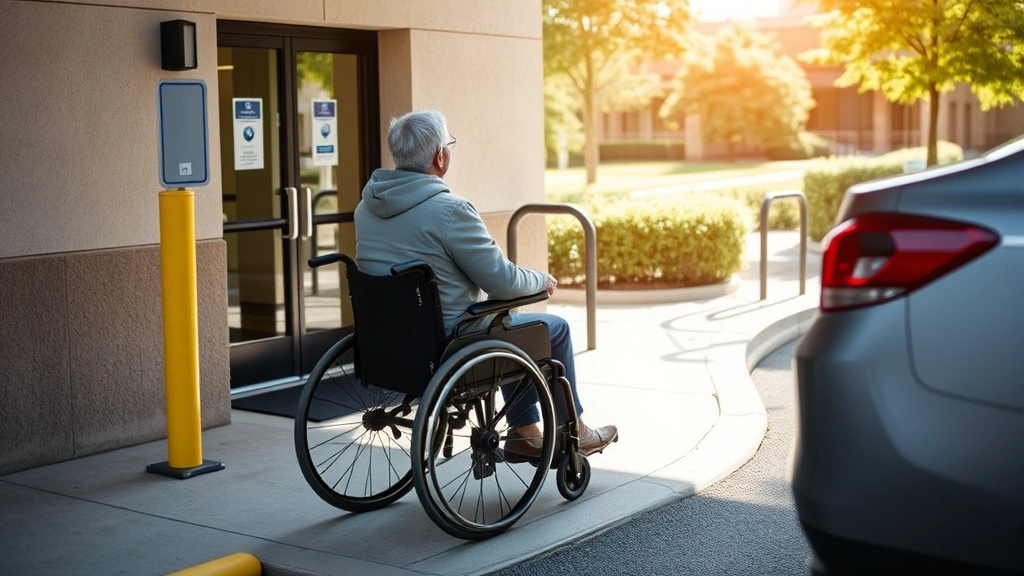
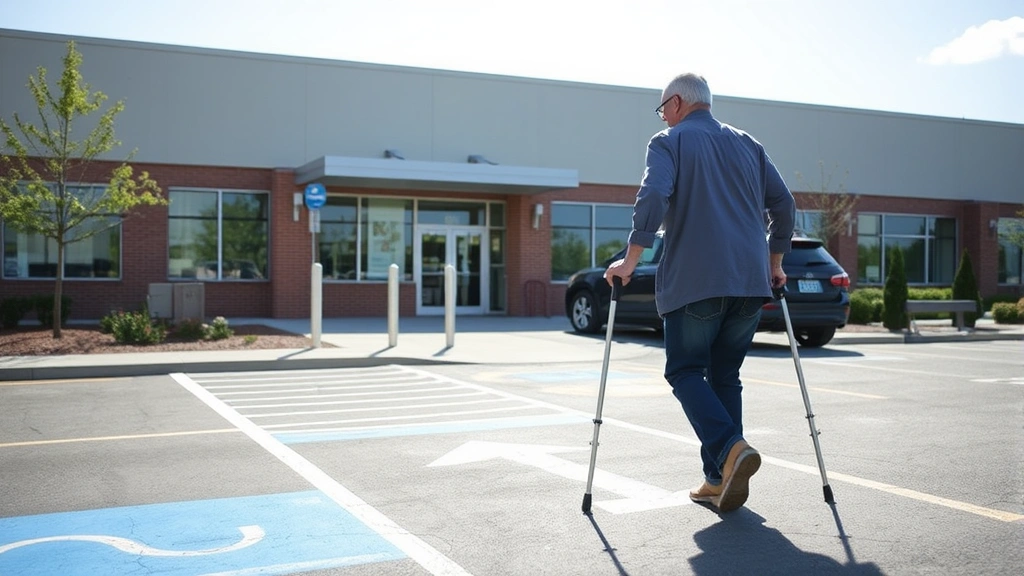
A handicap placard (also called a disabled parking permit or mobility placard) is an official credential issued by your state’s Department of Motor Vehicles that authorizes you to park in designated accessible parking spaces. These spaces are located close to building entrances and are wider than standard spaces to accommodate wheelchairs, walkers, and other mobility devices.
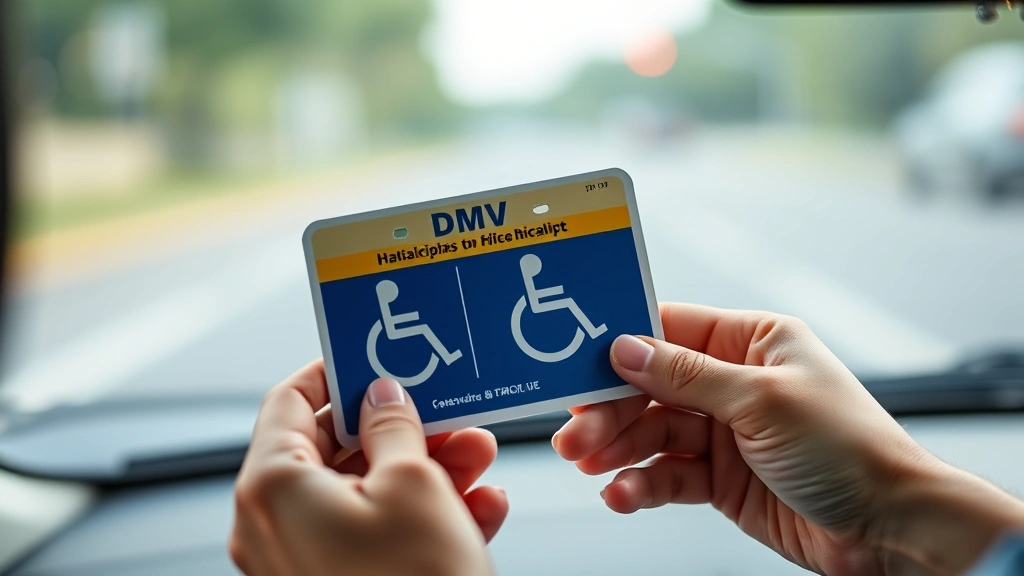
The placard displays a universal symbol of accessibility and typically includes your name, issue date, and expiration date. Most states issue placards valid for 4-6 years, though some conditions qualify for permanent placards that last longer.
Unlike a handicap license plate (which is permanent and attached to a vehicle), a placard is portable. You can move it between vehicles, lend it to someone driving you, and display it on your rearview mirror. This flexibility makes it ideal for people who use multiple vehicles or ride with others.
The legal authority for these accommodations comes from the Americans with Disabilities Act (ADA), which requires accessible parking as a fundamental accommodation for people with mobility disabilities.
Eligibility Requirements and Qualifying Conditions
Not every health condition qualifies for a handicap placard. The DMV uses specific criteria to determine eligibility, and your doctor’s form must document that your condition meets these standards. Qualifying conditions typically include:
- Mobility impairments: Conditions affecting your ability to walk distances, such as arthritis, cerebral palsy, or spinal cord injuries
- Severe respiratory conditions: Diseases like COPD or cystic fibrosis that limit exertion and oxygen availability
- Cardiovascular disease: Heart conditions that restrict physical activity and require minimal walking
- Neurological disorders: Parkinson’s disease, multiple sclerosis, or ALS that impair mobility or balance
- Leg/foot amputations: Loss of limb affecting walking ability
- Permanent paralysis: Complete or near-complete loss of lower limb function
- Severe arthritis: Conditions causing joint pain, stiffness, or instability that limit walking
- Visual impairments: Blindness or severe vision loss requiring assistance
- Intellectual or developmental disabilities: In some states, conditions affecting safety or independence
- Temporary disabilities: Recent surgery recovery, broken bones, or acute illness (short-term placards only)
Your doctor must verify that your condition is permanent (or expected to last at least 6 months for temporary placards) and that it significantly limits your ability to walk or access buildings independently.
Understanding the Medical Form Sections
DMV medical forms vary by state, but most include similar core sections. Familiarizing yourself with these sections before your appointment helps you communicate clearly with your doctor and ensures nothing is overlooked.
Physician Information: This section requires your doctor’s name, license number, clinic or hospital name, and contact information. The DMV uses this to verify the form’s authenticity and reach out if clarification is needed.
Patient Information: You’ll provide your name, date of birth, address, and driver’s license number so the DMV can match the form to your application.
Diagnosis and Medical History: Your doctor documents your primary diagnosis and relevant medical history. This is not a free-form narrative but typically uses checkboxes for common conditions, with space for additional details. Your doctor should list the specific diagnosis code (ICD-10) when possible, as this standardizes the information for DMV staff.
Functional Assessment: This is the most critical section. Your doctor must describe how your condition affects specific functions: walking distance, standing duration, balance, pain level, and ability to navigate stairs or uneven terrain. The form often asks, “Can the patient walk 50 feet without rest or assistance?” or “Can the patient stand for more than 10 minutes?” These concrete questions help the DMV understand your real-world limitations.
Mobility Device Use: If you use a cane, walker, wheelchair, scooter, or other device, your doctor checks this section. This information helps justify accessible parking, as devices like wheelchairs require wider spaces.
Placard Duration: Your doctor indicates whether your condition warrants a temporary placard (typically 6 months to 2 years) or a permanent one (4-6+ years). This decision depends on whether your condition is expected to improve, remain stable, or worsen over time.
Physician Certification: Your doctor signs and dates the form, certifying under penalty of perjury that the information is accurate. This legal commitment ensures doctors take the form seriously.
What Your Doctor Must Assess
Your doctor doesn’t simply accept your word that you need accessible parking. They must conduct a clinical assessment that objectively supports your application. Here’s what they’re evaluating:
Walking Ability: Can you walk 50 feet? 100 feet? Does pain, fatigue, or shortness of breath limit distance? Your doctor may observe you walking or ask detailed questions about your typical day. Be honest about your worst-case scenarios, not your best days.
Standing Tolerance: How long can you stand without sitting, leaning, or experiencing pain? Standing in a parking lot waiting for a ride or standing in a store line are real-world scenarios your doctor considers.
Balance and Fall Risk: Conditions like Parkinson’s, neuropathy, or inner ear disorders affect balance. Uneven parking lot surfaces pose safety risks, so your doctor assesses whether accessible parking (closer to entrances) reduces fall hazard.
Pain and Fatigue: Chronic pain or extreme fatigue can be as disabling as paralysis. Your doctor documents pain levels (using a 0-10 scale) and whether pain worsens with walking, affecting your functional capacity.
Cognitive or Psychiatric Factors: Some conditions (autism, dementia, PTSD) affect navigation or safety in busy parking areas. Your doctor may note if you need closer parking for safety or reduced stress.
Progression and Stability: Is your condition stable, improving, or worsening? A progressive disease like ALS may warrant a longer-duration placard, while post-surgical recovery might justify a shorter one.
Your doctor is essentially answering: “Does this patient’s condition make walking from a standard parking space to a building entrance significantly more difficult or dangerous than for the general public?” If yes, a placard is warranted.
Documenting Functional Limitations
The most persuasive part of your doctor’s form is the detailed description of your functional limitations. This is where vague statements fail and specific, measurable details succeed.
Instead of saying: “Patient has arthritis and has trouble walking.”
Your doctor should write: “Patient has severe osteoarthritis of both knees and right hip, causing sharp pain (8/10) with walking. Patient can walk approximately 50 feet on level ground before requiring rest. Stairs and inclines significantly worsen pain. Patient uses a cane for stability and pain management.”
Specific documentation includes:
- Distance walked before pain, fatigue, or shortness of breath becomes limiting (e.g., “50 feet,” “1 block,” “cannot walk more than the length of a parking lot”)
- Pain level on a 0-10 scale and how activity affects pain
- Frequency and severity of symptoms (constant vs. intermittent, predictable vs. unpredictable)
- How symptoms affect daily activities (grocery shopping, medical appointments, work)
- Mobility devices used and why they’re necessary
- Impact of weather, time of day, or stress on symptoms
- Whether symptoms are stable, improving, or worsening
This level of detail demonstrates that your doctor has actually assessed you and isn’t rubber-stamping your request. DMV reviewers are trained to spot generic, template-like descriptions that suggest minimal clinical evaluation.
Common Mistakes on Medical Forms
Many placard applications are delayed or denied due to preventable errors on the medical form. Knowing these pitfalls helps you and your doctor avoid them.
Incomplete Information: Missing physician signature, license number, or contact information causes automatic rejection. Before leaving your doctor’s office, verify every field is filled out.
Vague Diagnoses: Writing “chronic pain” or “mobility issues” without specifics doesn’t justify a placard. Your doctor must name the specific condition (e.g., “rheumatoid arthritis,” “spinal cord injury,” “severe COPD”).
Overstated or Understated Limitations: Some patients exaggerate to ensure approval; others downplay symptoms from embarrassment. Your doctor’s assessment must match your actual functional capacity. DMV investigators sometimes observe placard users to verify legitimate use.
Confusing Temporary and Permanent Placards: Temporary placards expire and require renewal. If your condition is permanent, a permanent placard saves you repeated doctor visits and DMV trips. Conversely, if improvement is expected (post-surgery), a temporary placard is appropriate.
Using Outdated or Wrong Forms: Each state’s DMV has specific forms. Using your neighbor’s state’s form or an old version causes rejection. Always download the current form from your state DMV website.
Inadequate Clinical Justification: Forms that lack objective findings (test results, measurements, observations) suggest insufficient medical evaluation. Your doctor should reference relevant clinical findings: imaging results, walking tests, vital signs, or specialist reports.
Illegible Handwriting: If your doctor hand-writes the form, ensure it’s legible. Many DMVs now accept digital submissions, which eliminates this issue.
Preparing for Your Doctor’s Appointment
You play an active role in ensuring your doctor’s form is thorough and accurate. Preparation maximizes your appointment time and helps your doctor provide compelling documentation.
Gather Medical Records: Bring recent imaging, lab results, or specialist reports that support your diagnosis. If you see multiple doctors, ensure your primary physician has access to their notes. Comprehensive medical records help your doctor write a more detailed, credible form.
Document Your Symptoms: For one week before your appointment, keep a simple log: walking distances, pain levels, activities that worsen symptoms, and how your condition affects daily life. Bring this log to your appointment. Concrete data (“I can walk 75 feet before my knee pain becomes severe”) is more persuasive than vague estimates.
List Your Mobility Devices: Bring or describe any devices you use: cane, walker, wheelchair, scooter, brace, or orthotic. Your doctor needs to document these, as they support the placard justification.
Download the Current Form: Obtain the official form from your state DMV website before your appointment. Give it to your doctor’s office in advance so they can review it and ask clarifying questions.
Clarify Placard Duration: Discuss with your doctor whether your condition warrants a temporary or permanent placard. If permanent, explain that you won’t need to return for renewal, saving you time and medical visits.
Write a Brief Summary: On one page, summarize your diagnosis, how it affects your mobility, and why accessible parking is necessary. This helps your doctor quickly understand your situation and write a more compelling form.
Your doctor may also want to review related accommodation letters, such as a fitness for duty evaluation letter, if your condition affects work capacity, or a medical leave for surgery letter if your placard is temporary due to post-surgical recovery.
After Submitting Your Form
Once you’ve submitted your completed form to the DMV, the process typically takes 2-6 weeks, depending on your state’s processing time and application volume.
What the DMV Does: The DMV reviews your form for completeness, verifies your doctor’s credentials and license, and assesses whether your documented condition meets placard eligibility criteria. Some states use a points system based on functional limitations; others rely on DMV staff judgment.
Requests for Additional Information: If your form is unclear or incomplete, the DMV contacts you or your doctor for clarification. Respond promptly to these requests. Delays in responding can result in application denial.
Approval and Placard Issuance: If approved, you’ll receive your placard by mail, along with instructions for use and renewal dates. Some states allow you to pick up your placard at a DMV office.
Denial and Appeals: If denied, you have the right to appeal. Many states allow you to request a reconsideration with additional medical evidence. If your doctor’s initial form wasn’t detailed enough, work with them to provide more comprehensive documentation, then resubmit.
Renewal: Permanent placards typically last 4-6 years. You’ll receive a renewal notice before expiration. Some states require a new doctor’s form for renewal; others simply require you to confirm your information hasn’t changed. Check your state’s DMV website for renewal procedures.
Maintaining Your Placard: Use your placard only when you’re the passenger or driver with the qualifying disability. Misuse (lending to friends without disabilities, using it to park illegally) is a violation and can result in fines or placard revocation. Your state’s HUD office and local law enforcement investigate fraudulent placard use.
If your condition changes significantly—either improving or worsening—notify the DMV. If your condition improves and you no longer meet criteria, returning your placard is the right thing to do. Conversely, if your condition worsens before your placard expires, contact the DMV to request an upgraded status (e.g., from temporary to permanent).
FAQ
How long does it take to get a handicap placard after my doctor fills out the form?
Processing times vary by state, typically ranging from 2 to 6 weeks. Some states with efficient systems process applications in 1-2 weeks; others may take 8+ weeks during busy periods. Contact your DMV for estimated timelines and check application status online if your state offers tracking.
Can my doctor refuse to fill out a handicap placard form?
Yes. Your doctor can decline if they believe your condition doesn’t meet DMV criteria or if they haven’t adequately assessed your functional limitations. They cannot refuse based on personal disagreement with the placard system, but they can refuse if they lack sufficient clinical evidence. If this happens, seek a second opinion from another physician.
What if my condition is temporary, like a broken leg or post-surgery recovery?
Temporary placards typically last 6 months to 2 years, depending on your state and expected recovery timeline. Your doctor indicates the expected duration on the form. Once you’ve recovered and no longer meet criteria, you must return the placard to the DMV.
Do I need a specific type of doctor to fill out the form?
Requirements vary by state. Most accept forms from MDs, DOs, nurse practitioners, and physician assistants. Some states require the form to be completed by a physician specifically (MD or DO). Check your state DMV’s requirements before scheduling your appointment. If you see multiple specialists, your primary care doctor can coordinate information from them to complete the form comprehensively.
What should I do if the DMV denies my application?
Request a written explanation for the denial. Common reasons include incomplete documentation, condition not meeting criteria, or form errors. Work with your doctor to address the specific deficiency. If your doctor believes your condition qualifies, ask them to provide more detailed functional documentation. You can appeal the decision; most states allow one or more appeals with additional medical evidence. Contact your state DMV or a disability rights organization for appeal guidance.
Can I use someone else’s handicap placard if I’m driving them?
No. The placard is tied to the person with the disability. Only that individual can authorize its use. If you’re driving someone with a placard, they must be in the vehicle. Using someone else’s placard fraudulently can result in fines up to $500 or more and vehicle towing.
How often do I need to renew my placard?
Renewal frequency depends on whether your placard is temporary or permanent. Temporary placards typically expire in 6 months to 2 years. Permanent placards last 4-6 years (some states offer lifetime permanent placards for certain conditions). Your placard will display the expiration date. Most states send renewal notices 30-60 days before expiration.
What if my doctor moved or retired before my placard expires?
For renewal, you’ll need a current doctor to complete a new medical form. If your original doctor is unavailable, any licensed physician who has evaluated your condition can complete the form. They should review your medical records from your previous doctor to ensure continuity and accuracy.
Is a handicap placard the same as a license plate?
No. A placard is temporary and portable (hangs from your rearview mirror). A permanent license plate is affixed to your vehicle and lasts as long as you own the vehicle. Some states offer both options; you choose based on your needs. Placards are ideal if you use multiple vehicles; plates are better if you have one primary vehicle.
Can my mental health condition qualify me for a handicap placard?
In most states, yes—if the condition significantly affects your ability to walk or navigate public spaces. PTSD, severe anxiety, autism spectrum disorder, and other conditions that impair mobility or safety can qualify. Your doctor must document how the condition functionally limits your walking or access, not just the diagnosis itself.