How to Get an Online Handicap Placard Letter
A handicap placard is one of the most practical mobility accommodations available to people with disabilities. It grants you access to designated accessible parking spaces, reducing the physical strain of walking long distances and enabling greater independence. However, obtaining an official handicap placard requires medical documentation—specifically, a letter from a licensed healthcare provider confirming your disability and functional limitations related to mobility.
The traditional process of visiting a doctor’s office, scheduling an appointment, and waiting weeks for documentation can be exhausting for people with mobility challenges. This is where online handicap placard letters come in. By working with telehealth providers and medical documentation services, you can obtain the necessary letter from home, often within days rather than months. This guide walks you through the entire process, explaining what you need, how to apply, and what to expect.
What Is a Handicap Placard and Why You Need It
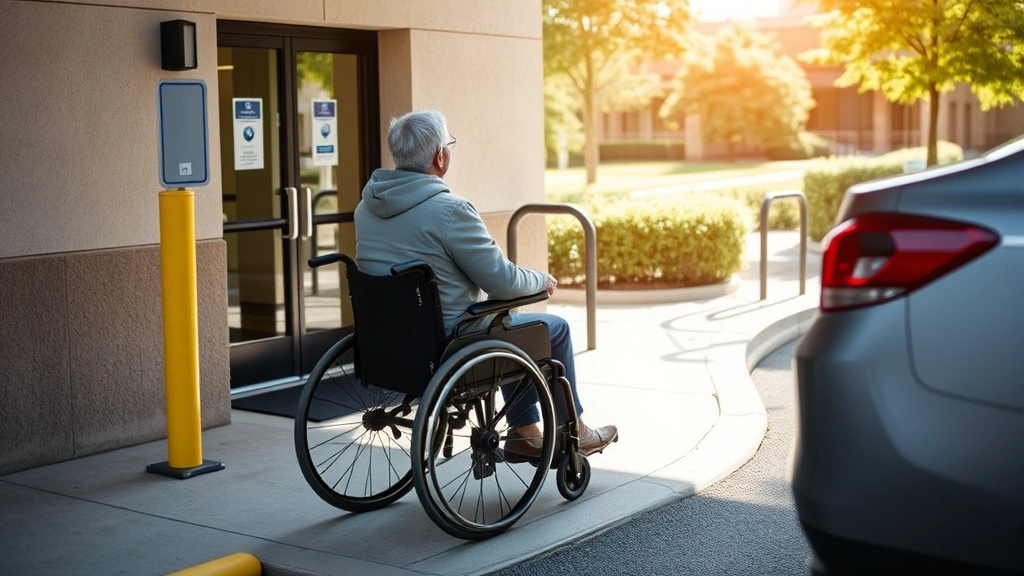
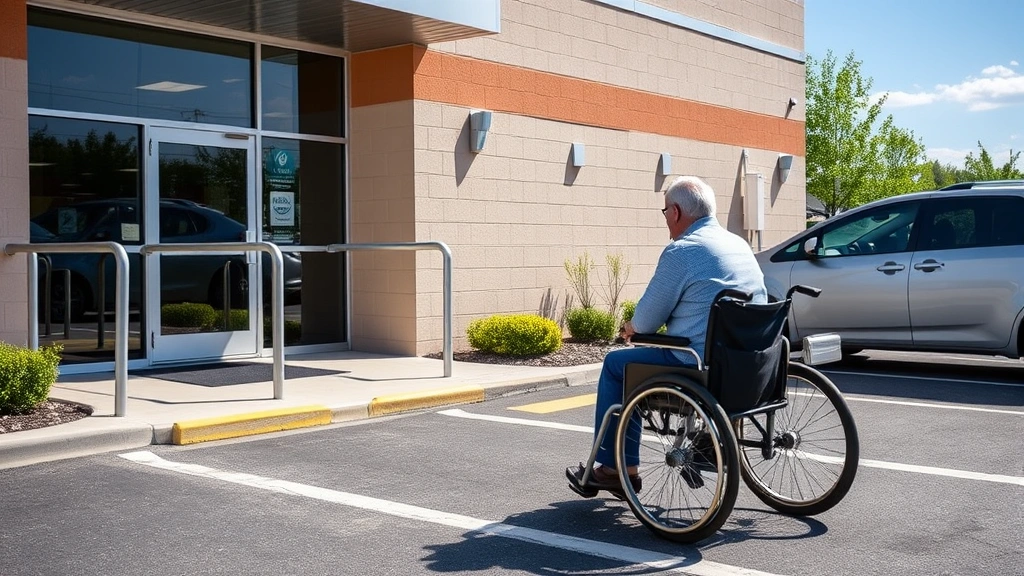
A handicap placard, also called a disabled parking permit or accessible parking placard, is an official document that allows you to park in designated accessible parking spaces. These spaces are closer to building entrances, wider to accommodate wheelchairs and mobility devices, and designed to minimize the distance you must travel on foot. For people with mobility disabilities, chronic pain conditions, respiratory disorders, and other conditions affecting walking ability, this accommodation can be life-changing.
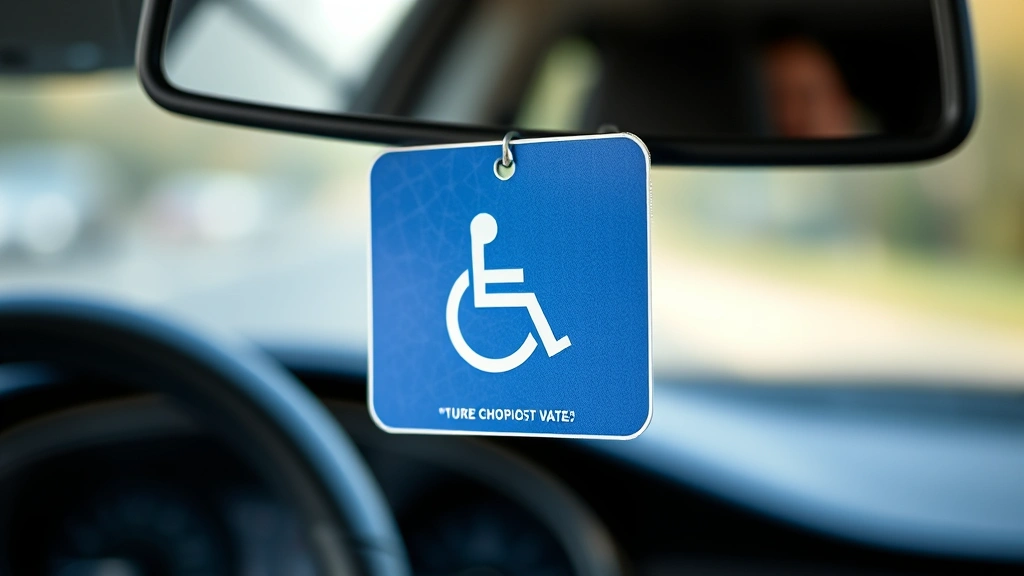
The placard is typically displayed on your vehicle’s rearview mirror or dashboard. It’s recognized across all 50 states and in many international locations, making it invaluable for travel. Beyond convenience, accessible parking reduces physical exertion, decreases pain flare-ups, and enables you to participate more fully in community activities, medical appointments, shopping, and social engagements.
To obtain a placard, you must provide documentation from a healthcare provider confirming your disability. This is where an online medical documentation service becomes essential. Rather than struggling to get an appointment with your current physician—who may be booked for months—you can connect with a licensed provider online who can evaluate your condition and issue the necessary letter within days.
Understanding Eligibility Requirements
Not every condition qualifies for a handicap placard. Understanding eligibility requirements is crucial before you begin the application process. The Americans with Disabilities Act (ADA) provides the framework, but specific eligibility criteria vary slightly by state.
You may qualify for a handicap placard if you have:
- Severe mobility impairment that significantly limits walking ability
- Chronic pain conditions that worsen with prolonged standing or walking
- Respiratory conditions requiring oxygen or limiting exertion
- Neurological disorders affecting balance, coordination, or mobility
- Arthritis or joint diseases causing significant functional limitations
- Heart disease or circulatory conditions limiting activity
- Amputation or limb loss
- Paralysis or severe weakness
- Blind or severely visually impaired status
- Cognitive disabilities affecting safe independent mobility
The key criterion is that your condition must substantially limit your ability to walk or perform major life activities. This is not about minor inconvenience—it’s about documented, significant functional limitations. Your medical provider will evaluate whether your condition meets this threshold during the online consultation.
The Online Application Process
The online process for obtaining a handicap placard letter is streamlined and patient-friendly:
Step 1: Choose Your Provider
Select a telehealth service or medical documentation platform that specializes in handicap placard letters. Look for providers with licensed physicians, transparent pricing, and positive reviews from people with disabilities. Arvix Health and similar services connect you with qualified healthcare providers who understand disability documentation.
Step 2: Complete the Initial Intake Form
You’ll answer detailed questions about your medical history, current symptoms, functional limitations, and how your condition affects your daily life. Be thorough and honest—this information helps the provider understand your situation and determine eligibility. Include specific examples, such as “I can only walk 50 feet before experiencing severe leg pain” or “I use a wheelchair for distances over 20 feet.”
Step 3: Schedule Your Telehealth Consultation
Most providers offer appointments within 24-72 hours. The consultation typically lasts 15-30 minutes and occurs via video call, phone, or secure messaging. You won’t need to travel or sit in a waiting room—the appointment happens on your schedule, from your home.
Step 4: Meet with the Licensed Provider
During your consultation, the healthcare provider will ask detailed questions about your condition, symptoms, medical history, and how your disability affects mobility. They may ask about treatments you’ve tried, your current medications, and your functional abilities on good and bad days. Be specific and honest—providers need accurate information to issue legitimate documentation.
Step 5: Receive Your Letter
If the provider determines you meet eligibility criteria, they’ll generate your official handicap placard letter. This letter includes the provider’s credentials, your diagnosis (or functional limitation description), confirmation of your disability status, and the provider’s signature and license information. Most providers deliver the letter electronically within 24 hours, with official copies mailed to you as well.
Choosing a Qualified Medical Provider
Not all online providers are created equal. Choosing a qualified, legitimate provider protects you legally and ensures your placard application will be accepted by your state’s Department of Motor Vehicles.
What to Look For:
- Licensed Healthcare Providers: The provider must be a licensed physician (MD or DO), nurse practitioner (NP), or physician assistant (PA) in your state. Verify their license through your state’s medical board.
- Specialization in Disability Documentation: Providers experienced with handicap placards understand the specific requirements and language needed for approval.
- Transparent Pricing: Legitimate services clearly state their fees upfront. Avoid providers who promise guaranteed approval or seem evasive about costs.
- Professional Platform: The service should use secure, HIPAA-compliant technology for consultations and document storage.
- Positive Reviews: Check independent review sites and disability community forums for feedback from people who’ve used the service.
- No Pressure: Ethical providers won’t approve everyone. If a provider approves your application without asking detailed questions, that’s a red flag.
Services like Arvix Health specialize in connecting patients with legitimate healthcare providers who understand disability accommodations and can evaluate your situation fairly and thoroughly.

What to Prepare Before Your Appointment
Preparing for your telehealth consultation ensures the appointment goes smoothly and the provider has all the information needed to make an informed decision.
Gather Your Medical Records:
- Recent medical test results (imaging, lab work, etc.)
- Current medication list with dosages
- Names and contact information for your current healthcare providers
- Documentation of past treatments or therapies
- Any previous disability determinations or accommodations you’ve received
Write Down Your Symptoms and Limitations:
Create a detailed list of how your condition affects your daily life. Include specific examples: “I can walk approximately 100 feet before experiencing shortness of breath,” or “On most days, I experience pain that prevents me from standing for more than 15 minutes.” Include both your typical day and your worst-case scenarios.
Document Your Functional Abilities:
Be clear about what you can’t do as well as what you can. For example: “I cannot walk from a distant parking space to a store entrance without experiencing severe fatigue,” or “I require a wheelchair for distances over one block.” Specific, measurable limitations are more convincing than vague statements.
Prepare Questions:
Have questions ready about the placard process, how long the letter will be valid, or what information the DMV will need. The provider can clarify these details during your appointment.
After You Receive Your Letter
Once you have your medical letter, the next steps involve submitting it to your state’s Department of Motor Vehicles or equivalent agency. The process varies by state, but generally follows this pattern:
Submit to Your DMV:
Contact your state’s DMV or motor vehicle department to learn their specific submission process. Most states allow you to submit your medical letter online, by mail, or in person. Some states have official forms you must use; others accept any letter from a licensed provider that confirms your disability and functional limitations.
Pay Application Fees:
Most states charge a small fee (typically $5-$25) to issue your placard. Some states offer free or reduced-cost placards for low-income individuals. Ask about your state’s fee structure when you contact the DMV.
Receive Your Placard:
Once approved, your placard will be mailed to you. Placards are typically valid for 3-5 years, depending on your state. You’ll need to renew your medical documentation and placard before expiration.
Understanding Placard Validity:
Your medical letter establishes that you qualify for a placard, but the placard itself is issued by the DMV. The letter is valid for the purpose of applying for your initial placard and for renewals. Keep copies of your medical letter in a safe place for future reference.
Common Challenges and Solutions
Challenge: DMV Rejection of Your Letter
Some states have very specific requirements for medical letters. If your letter is rejected, contact your medical provider to revise it. Common issues include missing provider credentials, lack of specific functional limitations, or failure to address the state’s specific criteria. Your provider can resubmit a corrected version at no additional cost.
Challenge: Difficulty Describing Your Condition
Many people struggle to articulate how their disability affects them, especially if symptoms fluctuate. During your telehealth appointment, be as detailed as possible. If you find yourself struggling, write down your thoughts beforehand and read from your notes during the appointment. Providers understand that describing invisible disabilities is challenging and will ask clarifying questions to help you explain your limitations accurately.
Challenge: Concerns About Privacy
Online medical consultations are protected by HIPAA (Health Insurance Portability and Accountability Act). Your information is confidential and secure. Legitimate providers use encrypted platforms and don’t share your medical information without your consent. Review the provider’s privacy policy before your appointment if you have concerns.
Challenge: Placard Misuse and Enforcement
Once you have your placard, use it appropriately. Placard misuse—such as lending it to a non-disabled friend or using it when you’re not the driver—is illegal and undermines the intent of the accommodation. Some states have enhanced enforcement and penalties for placard misuse, including hefty fines and criminal charges in severe cases.
FAQ
How long does it take to get an online handicap placard letter?
Most online providers deliver your letter within 24-72 hours of your telehealth appointment. Some expedited services offer same-day letters, though these typically cost more. Once you submit your letter to the DMV, placard processing typically takes 1-3 weeks, depending on your state’s volume and procedures.
Is an online handicap placard letter legitimate?
Yes, if it comes from a licensed healthcare provider. Letters issued by legitimate telehealth services with licensed physicians, nurse practitioners, or physician assistants are just as valid as letters from in-person doctors. The key is that the provider is licensed in your state and has properly evaluated your condition. The HUD (Department of Housing and Urban Development) and DMVs across the country recognize online medical documentation as legitimate.
What if I have an invisible disability? Will my letter be accepted?
Absolutely. Invisible disabilities like fibromyalgia, chronic fatigue syndrome, heart disease, respiratory conditions, and neurological disorders qualify for handicap placards if they substantially limit your ability to walk or perform major life activities. Your medical letter should focus on your functional limitations rather than trying to prove your diagnosis. A qualified provider will understand this and document your limitations appropriately.
Can I get a temporary handicap placard online?
Some states issue temporary placards for short-term disabilities (such as recovery from surgery). The process is similar to permanent placards, but your medical letter must specify that your condition is temporary and expected to resolve within a certain timeframe. Contact your state’s DMV to learn if temporary placards are available and what documentation is required.
Will getting an online letter affect my other disability benefits?
No. A handicap placard letter is separate from other disability determinations. It won’t affect your Social Security Disability Insurance (SSDI), Supplemental Security Income (SSI), workers’ compensation, or other benefits. However, if you’re applying for multiple accommodations, consistent documentation across all applications strengthens your case. If you need help with other disability documentation, services like Arvix Health can assist with those as well.
How often do I need to renew my handicap placard?
Most states require renewal every 3-5 years. When your placard expires, you’ll need a new medical letter confirming that your condition still qualifies you for the accommodation. Many providers offer renewal services at a discounted rate since they already have your medical history on file.
What if my condition worsens and I need permanent placard status?
If your condition is progressive or permanent, you can request permanent placard status during renewal. Your medical provider will confirm that your disability is expected to be lifelong or very long-term. Permanent placards typically don’t require renewal, though some states still ask for periodic updates to confirm your status.
Can I use someone else’s handicap placard?
No. Handicap placards are non-transferable and issued to specific individuals. Using someone else’s placard is illegal and subject to significant fines and penalties. Each person who needs accessible parking must obtain their own placard with their own medical documentation.
What happens if the DMV rejects my application?
If your application is rejected, contact the DMV to understand why. Common reasons include missing information, provider credentials not verified, or insufficient documentation of functional limitations. Your medical provider can revise your letter to address these concerns. Most providers will work with you to ensure your application succeeds.