Landlord Accommodation Letter: Doctor’s Insight
A landlord accommodation letter from a healthcare provider is a critical document that bridges the gap between your medical needs and your housing rights. Whether you require modifications to your rental unit, need to break a lease due to health reasons, or must document accessibility requirements, a well-crafted letter from your doctor carries significant legal weight. This guide explains what these letters are, why they matter, and how to obtain one that effectively communicates your needs to your landlord.
Under the Fair Housing Act and the Americans with Disabilities Act (ADA), landlords are legally required to provide reasonable accommodations for tenants with disabilities or chronic health conditions. A medical letter serves as official documentation of your condition and the specific accommodations you need. Without this letter, your requests may be dismissed or delayed, leaving you in a vulnerable housing situation.
Understanding the purpose and components of a landlord accommodation letter empowers you to advocate for your rights while maintaining a professional relationship with your landlord. This comprehensive guide walks you through the process.
What Is a Landlord Accommodation Letter?
A landlord accommodation letter is an official document written by a licensed healthcare provider that verifies you have a medical condition or disability and outlines the specific accommodations you need in your housing. This letter serves as legal evidence that your requests are medically necessary and protected under federal disability law.
The letter differs from a general medical note or diagnosis confirmation. Instead, it focuses on the functional limitations your condition creates and how those limitations relate to your living environment. For example, if you have severe arthritis, the letter would explain how stairs create a barrier to your housing access and why a ground floor unit is medically necessary.
A strong accommodation letter includes clinical observations, medical reasoning, and specific accommodation requests. It demonstrates that your doctor understands your condition’s impact on daily living and believes the requested modifications are reasonable and medically justified.
Legal Framework and Fair Housing Rights
Your right to housing accommodations is protected by several federal laws. The Fair Housing Act prohibits discrimination based on disability and requires landlords to make reasonable accommodations in housing policies, practices, and physical features. The Americans with Disabilities Act (ADA) similarly mandates that housing providers grant reasonable accommodations when necessary to ensure equal access.
A landlord accommodation letter provides the medical foundation for these legal protections. Without documentation, landlords may claim ignorance of your needs or dispute whether accommodations are truly necessary. Your doctor’s letter creates an official record that strengthens your legal position.
Under the Fair Housing Act, a “reasonable accommodation” is a modification or adjustment to housing rules, policies, or the physical environment that allows a person with a disability to enjoy equal access to housing. Common examples include allowing an emotional support animal despite a no-pet policy, modifying a unit to be wheelchair accessible, or allowing a tenant to terminate a lease early due to health deterioration.
The letter must be credible and specific. Generic letters stating only “this person has a disability” carry minimal weight. Detailed letters that explain the medical basis for your needs and connect those needs to specific accommodations are far more persuasive and legally defensible.
When You Need an Accommodation Letter
You may need a landlord accommodation letter in several housing scenarios:
- Service Animals or Emotional Support Animals: If your landlord has a no-pet policy but you require an ESA or service animal, you need a letter documenting the animal’s necessity. Learn more about functional limitation verification for your specific condition.
- Lease Termination or Early Release: If your health has deteriorated and you must move to a more accessible location or closer to medical care, a letter explaining the medical urgency can support your request to break the lease without penalty.
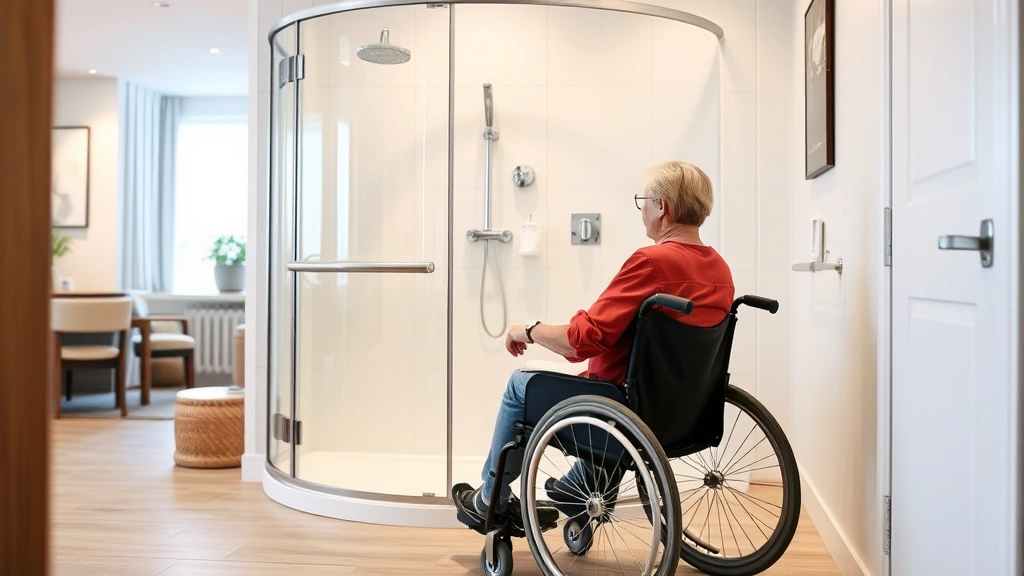
- Unit Modifications: Requests for grab bars, ramps, accessible parking spaces, or other physical modifications require medical justification.
- Accessibility Features: If you need a ground floor unit, an allergen-free environment, or proximity to elevators, a letter documenting these needs strengthens your request.
- Policy Exceptions: If you need an exception to standard housing policies—such as keeping a caregiver on premises or receiving frequent medical visitors—a letter provides medical support.
- Medication or Treatment Storage: If you require refrigeration for medications or special climate control, a letter explains the medical necessity.
Even if your landlord seems sympathetic, obtaining a formal letter protects both you and the landlord by creating clear, documented expectations.
Key Components of an Effective Letter
An effective landlord accommodation letter includes several essential elements:
- Provider Credentials: The letter must be written on official letterhead from a licensed healthcare provider (MD, DO, NP, PA, psychologist, or other qualified professional). Include the provider’s name, license number, contact information, and clinical specialization.
- Relationship to Patient: State how long the provider has known you and the nature of your clinical relationship. “I have treated Ms. Smith for the past three years for chronic pain management” establishes credibility.
- Medical Diagnosis and History: Briefly describe your condition without unnecessary detail. Focus on information relevant to your housing needs. “The patient has been diagnosed with severe osteoarthritis affecting mobility and stair navigation.”
- Functional Limitations: Explain specifically how your condition limits your activities. Rather than stating a diagnosis alone, describe the impact: “Due to limited mobility and pain with weight-bearing, the patient cannot safely navigate stairs or access ground-level features.”
- Connection to Accommodation: Link your functional limitations directly to the requested accommodation. “A ground floor unit would eliminate barriers to bathroom, kitchen, and bedroom access, enabling the patient to maintain independence and safety.”
- Medical Necessity Statement: Include a clear statement that the accommodation is medically necessary, not simply preferred. “In my professional medical opinion, a ground floor unit is medically necessary for this patient’s health and safety.”
- Specificity: Name the exact accommodation needed. Vague requests like “accessible housing” are less persuasive than “a unit with no stairs between the entrance and bedroom, bathroom, and kitchen.”
- Signature and Date: The letter must be personally signed and dated by the provider. Electronic signatures are generally acceptable.
- Confidentiality Notice (Optional): Some providers include a note that the letter contains protected health information and should be handled confidentially.
Avoid letters that are too brief, overly medical, or disconnected from the actual accommodation request. The goal is clarity and credibility, not overwhelming detail.

How to Obtain Your Letter from Your Doctor
Obtaining a landlord accommodation letter requires proactive communication with your healthcare provider:
Step 1: Schedule an Appointment Request a dedicated appointment to discuss your housing needs. Don’t expect your doctor to write a comprehensive letter during a routine visit. Explain that you need documentation to support an accommodation request with your landlord.
Step 2: Prepare Your Request Write down the specific accommodation you need and be ready to explain why it’s medically necessary. Bring any housing-related documentation, such as your lease or the landlord’s denial of your request. Consider providing a draft letter or outline of what you need included.
Step 3: Discuss Your Functional Limitations Help your doctor understand how your condition affects daily activities. If you struggle with stairs, demonstrate or describe the difficulty. If you need climate control, explain the medical reason. The more your doctor understands the real-world impact, the more compelling the letter will be.
Step 4: Ask About Timeline Find out how long the letter will take to prepare. Some providers can write it immediately; others may need several days. Request a specific delivery date.
Step 5: Follow Up If you don’t receive the letter within the agreed timeframe, contact your provider’s office. Be persistent but polite—many offices handle high volumes of documentation requests.
If your primary care doctor is unfamiliar with writing accommodation letters, consider consulting a specialist relevant to your condition. A rheumatologist’s letter about arthritis-related mobility limitations or a psychiatrist’s letter about an emotional support animal may carry more weight than a generalist’s letter.
For complex cases, you may benefit from a general disability confirmation letter that establishes your baseline disability status before requesting specific accommodations.
Presenting Your Letter to Your Landlord
How you present your accommodation letter significantly affects its reception and outcome:
Timing: Present the letter promptly after identifying your need. Don’t wait until you’re in crisis or your lease is expiring. Early communication shows good faith and gives your landlord time to respond thoughtfully.
Format: Provide the original signed letter or a certified copy. Email is acceptable, but follow up with a physical copy. Keep copies for your records.
Cover Letter: Consider including a brief, professional cover letter explaining your request. “I am writing to formally request a ground floor unit as a reasonable accommodation for my disability. My physician’s letter, attached, documents the medical necessity of this accommodation.” This framing is professional and legally sound.
Tone: Remain respectful and collaborative. Frame your request as a partnership: “I want to ensure I can safely and independently access my home. I believe we can work together to find a solution.”
Documentation Trail: Send the letter via email with read receipt, certified mail, or hand-delivered with a signed receipt. Create a paper trail proving you made the request and your landlord received it.
Follow-Up Timeline: The Fair Housing Act doesn’t specify a response deadline, but best practice is to expect a response within 7-14 days. If you don’t hear back, send a polite follow-up inquiry.
If your landlord denies your request, your accommodation letter becomes crucial evidence if you file a Fair Housing complaint. Document everything: the date you submitted the letter, how it was delivered, the landlord’s response (or lack thereof), and any communications about the denial.
Common Issues and Solutions
Issue: Your Doctor Refuses to Write the Letter
Some providers are uncomfortable writing accommodation letters, fearing they’re “taking sides” in a landlord-tenant dispute. Explain that the letter is simply medical documentation, not advocacy. If your doctor still refuses, seek a second opinion from another provider who knows your condition well. You have the right to obtain medical documentation supporting your care.
Issue: The Landlord Claims the Letter Isn’t Specific Enough
If your landlord says the letter doesn’t adequately justify the accommodation, ask specifically what additional information is needed. Return to your doctor with the landlord’s questions. A follow-up letter addressing those concerns often resolves the issue.
Issue: Your Condition Worsened and You Need a New Letter
As your health changes, your accommodation needs may evolve. An updated letter documenting new functional limitations and revised accommodation requests is appropriate and expected. Most providers will update letters at no cost if the information reflects genuine changes in your condition.
Issue: The Landlord Requests “Proof” Beyond Your Doctor’s Letter
Under fair housing law, a healthcare provider’s letter is sufficient documentation. Landlords cannot demand medical records, test results, or additional “proof.” If your landlord is being unreasonably demanding, consult a fair housing attorney or contact HUD’s Fair Housing office.
Issue: Your Letter Doesn’t Address All Your Needs
If you need multiple accommodations, ensure your letter addresses each one. For example: “The patient requires both a ground floor unit AND a reserved accessible parking space due to mobility limitations.” A comprehensive letter prevents back-and-forth negotiations.
Understanding the ADA disability verification letter requirements can also help ensure your accommodation letter meets legal standards.

FAQ
Can a Landlord Deny My Accommodation Request Even With a Doctor’s Letter?
A landlord cannot arbitrarily deny a reasonable accommodation request supported by medical documentation. However, they can deny requests that are unreasonable, create undue financial hardship, or fundamentally alter the nature of the housing. For example, a request to live rent-free would likely be denied, but a request for a ground floor unit is almost always reasonable. If you believe your landlord is wrongfully denying your request, you can file a complaint with HUD or pursue legal action.
Does My Letter Need to Include My Specific Diagnosis?
No. Fair housing law requires only that the letter document a disability or condition and explain the functional limitations and necessary accommodations. Your doctor can write a letter stating “The patient has a medical condition that significantly limits mobility” without naming the specific diagnosis. However, including the diagnosis often strengthens the letter’s credibility.
How Long Is an Accommodation Letter Valid?
There’s no legal expiration date for an accommodation letter. However, if your condition changes significantly or your needs evolve, an updated letter is appropriate. If your landlord questions whether your letter is current, a letter dated within the past year or two is generally considered valid.
Can I Use the Same Letter for Multiple Rental Situations?
Yes. A letter written for one landlord can be used with future landlords, as long as your accommodation needs remain the same. However, if your housing needs change, request an updated letter addressing the new requirements.
What If My Doctor Charges for Writing an Accommodation Letter?
Some providers charge a documentation fee for writing letters, typically $50-$200. This is legal and common. Ask about fees when requesting the letter. If cost is a barrier, explain your situation—some providers waive or reduce fees for low-income patients. Additionally, some disability advocacy organizations offer free or low-cost assistance with accommodation letters.
Can an Emotional Support Animal Letter Be Used as a Housing Accommodation Letter?
Yes, in many cases. An ESA letter that documents the necessity of your animal for a disability-related condition can serve as your accommodation letter for housing. However, ensure the letter specifically addresses housing needs and is written on official letterhead from a licensed provider.
What Should I Do If My Landlord Retaliates After I Request an Accommodation?
Retaliation for requesting a reasonable accommodation is illegal under the Fair Housing Act. Examples include raising rent, threatening eviction, or reducing services. Document any retaliatory actions and report them to HUD or a fair housing attorney immediately.
Do I Need a Lawyer to Present My Accommodation Letter?
No, you can present your letter directly to your landlord. However, if your landlord denies your request or retaliates against you, consulting a fair housing attorney or contacting EEOC resources can help protect your rights. Many fair housing organizations offer free consultations.