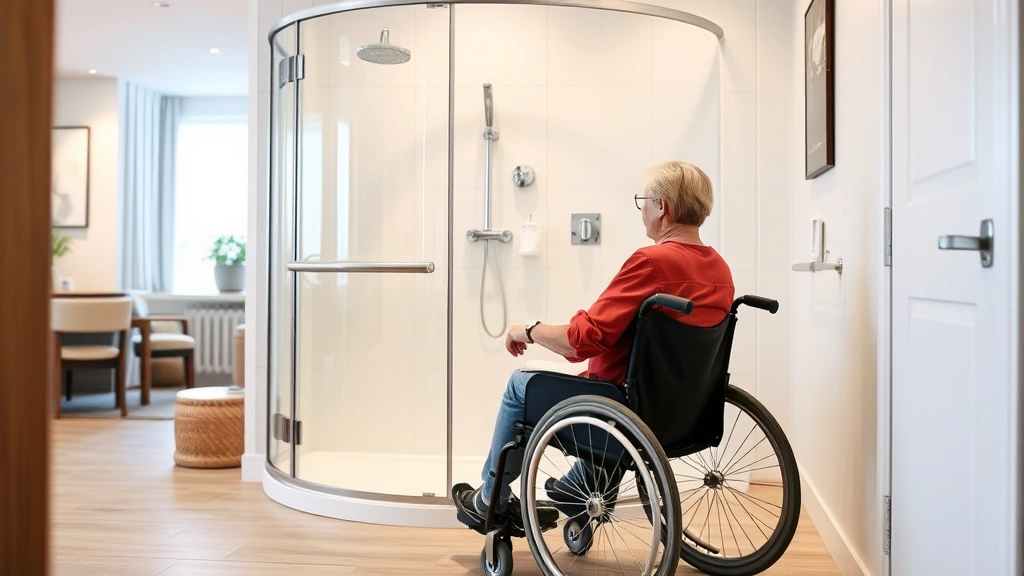
Breaking Lease for Medical Reasons: Legal Insights and Your Rights
When a medical condition makes your current living situation untenable, breaking a lease may be your only viable option. Whether you’re dealing with accessibility barriers, environmental triggers, or health complications that worsen in your present home, understanding your legal rights is essential. Many tenants don’t realize that medical hardship can provide legitimate grounds for lease termination without penalty in many jurisdictions.
This comprehensive guide explores the legal landscape surrounding medical lease breaks, the documentation you’ll need, and the steps to protect yourself during this process. We’ll cover everything from understanding your state’s laws to crafting a compelling medical hardship letter that landlords and courts will take seriously.
Understanding Medical Lease Breaks
A medical lease break occurs when a tenant terminates their lease agreement before the contract expires due to documented health conditions that make the rental unit unsuitable or unsafe. This differs from standard lease termination because it relies on legal protections rather than contractual flexibility.
The concept of medical hardship is recognized across most U.S. jurisdictions, though the specific legal framework varies significantly. Some states have explicit statutory protections for tenants with medical conditions, while others rely on common law principles of habitability and disability accommodation. Understanding which category your state falls into is crucial for building a strong case.
Medical lease breaks can apply to various situations: a respiratory condition worsened by mold in the unit, mobility impairments requiring ground floor access that your current apartment doesn’t provide, mental health conditions triggered by neighborhood violence, or immunocompromised status requiring climate control your landlord won’t repair. The common thread is that the medical condition and the housing situation have a direct causal relationship.
State Laws and Legal Protections
The legal ability to break a lease for medical reasons depends heavily on your state of residence. Some states have comprehensive tenant protection laws, while others require you to rely on federal disability law or general principles of habitability.
States with explicit medical hardship provisions: California, New York, Illinois, and Minnesota have specific statutes allowing lease termination for severe medical conditions. California’s laws, for example, permit early lease termination if a tenant or their family member has a serious illness requiring a move. These states typically require written notice, medical documentation, and a waiting period (often 30-60 days).
Federal protections: The Fair Housing Act (FHA) and the Americans with Disabilities Act (ADA) protect individuals with disabilities from housing discrimination. While these laws don’t automatically permit lease breaks, they do require landlords to provide reasonable accommodations. If your landlord refuses to accommodate your medical needs, you may have grounds for lease termination plus damages.
Habitability standards: Every state recognizes the “implied warranty of habitability,” meaning rental units must meet basic health and safety standards. If your medical condition is worsened by uninhabitable conditions—severe mold, lack of heat, pest infestations—you may break the lease without penalty. This is one of the strongest legal arguments available.
Research your specific state’s tenant rights using resources from HUD.gov or your state’s attorney general office. Many states have free legal aid organizations that can review your situation.
Medical Documentation Requirements
The strength of your medical lease break case depends entirely on the quality of your documentation. Landlords and courts need clear evidence that your medical condition is legitimate and directly connected to your housing situation.
Essential medical documents: Your primary document should be a letter from a licensed healthcare provider (physician, psychiatrist, nurse practitioner, or physician assistant) on official letterhead. This letter must include: your diagnosis or functional limitations (specific enough to be credible but not necessarily the exact diagnosis), how the current housing exacerbates your condition, what specific housing features or environmental factors trigger symptoms, the prognosis or expected duration of the condition, and the healthcare provider’s professional recommendation that you relocate.
Beyond the initial letter, supporting documentation strengthens your case significantly. Medical records showing ongoing treatment, prescription records indicating medication use, specialist referrals, hospital discharge summaries, or mental health treatment records all corroborate your claim. If your condition affects your ability to work or perform daily activities, documentation of that impact is valuable.
For functional limitation verification, you may need to document specific barriers in your current unit. Photographs of mold, humidity readings, noise level measurements, or accessibility issues provide concrete evidence. If your condition requires specific housing features—ground floor access, climate control, proximity to medical facilities—document why your current unit fails to meet these needs.
A doctor-signed general disability confirmation letter can serve as your foundation document. This establishes the legitimacy of your condition and your healthcare provider’s professional assessment. For conditions involving emotional or psychiatric components, ensure your provider is qualified to make such assessments and that documentation is thorough.
Crafting Your Medical Hardship Letter
Your medical hardship letter is the centerpiece of your lease break request. This document should be professional, factual, and emotionally resonant without being manipulative.
Structure and tone: Begin with a clear statement of your intent: “I am writing to request early termination of my lease at [address] due to medical hardship.” Follow with a brief overview of your situation. Use a professional but compassionate tone—you’re not pleading, but you are requesting understanding and accommodation.
The medical connection: Clearly explain the relationship between your medical condition and your current housing. For example: “My severe asthma is exacerbated by the mold present in the bathroom and bedroom walls of the unit. I have incurred increased medical expenses and emergency room visits since moving in. My pulmonologist has recommended relocation to a mold-free environment.” Be specific about symptoms, triggers, and impacts.
Documentation references: Reference the medical documentation you’re providing: “As detailed in the attached letter from Dr. [Name], dated [date], my condition requires [specific accommodation or environment].” This creates a clear link between your narrative and professional validation.
Proposed timeline: Suggest a reasonable move-out date. Standard notice is 30-60 days, though you may request a shorter timeline if circumstances warrant it. Showing flexibility increases the likelihood of landlord cooperation.
What to avoid: Don’t exaggerate or fabricate symptoms. Don’t make threats or accusations. Don’t provide information beyond what’s necessary—your diagnosis details aren’t relevant, only functional impacts. Don’t waive all financial claims if you believe the landlord is at fault for habitability issues.
Communication Strategy with Landlords
How you present your request significantly influences the outcome. Most landlords prefer to negotiate rather than face legal action, so approaching this strategically increases your chances of a favorable resolution.
Initial contact: Request a meeting or send a formal letter (certified mail is best) explaining your situation. Provide copies of all medical documentation simultaneously. This demonstrates seriousness and transparency. If your landlord is unreceptive, having this documentation already submitted protects you legally.
Negotiation points: Many landlords will negotiate rather than litigate. You might offer: paying a portion of remaining rent, providing a longer notice period to allow them to find a replacement tenant, or helping market the unit. Some landlords may agree to release you from the lease entirely if you leave the unit in good condition and provide reasonable notice.
Written communication: Keep all communication in writing—email or certified mail. Verbal promises aren’t enforceable. If your landlord agrees to early termination, get it in writing as an amendment to your lease or a separate agreement. This prevents future disputes about move-out dates or financial obligations.
When negotiation fails: If your landlord refuses to accommodate your medical hardship, you have legal options. Contact a local legal aid organization, file a complaint with your state’s housing authority, or consult a tenant rights attorney. Many offer free initial consultations.
Alternative Solutions Before Breaking Lease
Before pursuing lease termination, explore whether modifications or accommodations might resolve the issue. This demonstrates good faith and may preserve your rental history.
Requesting unit modifications: If your condition is triggered by specific environmental factors—mold, noise, poor ventilation—request that your landlord remedy the problem. Document all requests in writing. If the unit has habitability issues, your landlord is legally obligated to fix them. If they refuse, this strengthens your case for lease break.
Accommodation requests: Under the FHA, landlords must provide reasonable accommodations for individuals with disabilities. This might include allowing an emotional support animal, waiving “no pets” policies, or allowing modifications for accessibility. If your medical condition qualifies as a disability, request specific accommodations in writing.
Unit transfer: Some rental properties have multiple units. If your condition requires ground floor access or a different location within the complex, request a transfer rather than lease termination. This is often a win-win—you get appropriate housing, the landlord keeps a tenant.
Temporary solutions: For some conditions, temporary measures might suffice. Air purifiers for respiratory conditions, blackout curtains for light-sensitive conditions, or soundproofing for noise sensitivity might bridge the gap while you plan a longer-term move.
Potential Costs and Consequences
Understanding the financial and practical implications of breaking a lease prepares you for all outcomes.
Financial penalties: Most leases specify penalty clauses for early termination, typically equivalent to one month’s rent or a percentage of remaining lease value. Medical hardship arguments may eliminate or reduce these penalties, particularly if you have strong documentation and your state recognizes medical hardship protections. However, you should anticipate paying something unless the landlord was in breach of their habitability obligations.
Rental history impact: Breaking a lease can appear on your rental history, potentially affecting future housing applications. However, if you document the medical hardship and reach an agreement with your landlord, you can request they note it as “mutual agreement” rather than “breach” on your rental record. This distinction matters significantly to future landlords.
Legal costs: If your case goes to court, you’ll face legal fees. However, many legal aid organizations assist low-income tenants free of charge. Some tenant rights organizations work on contingency, taking payment only if you win. Consult with local resources before assuming costs will be prohibitive.
Timeline considerations: Legal processes move slowly. If you need to relocate urgently, you may need to negotiate a faster timeline or pay penalties to exit quickly. Understanding this tradeoff helps you make informed decisions.

FAQ
Can I break my lease for any medical condition?
Not any condition, but many qualify. Your condition must be documented by a healthcare provider and must have a direct relationship to your housing. Chronic conditions, disabilities, serious illnesses, and mental health conditions can all qualify if they’re legitimately affected by your living situation. Temporary illnesses or minor health issues generally don’t meet the threshold unless they’re severely exacerbated by housing conditions.
What if my landlord refuses to acknowledge my medical hardship?
Document everything and escalate. Contact your state’s attorney general, file a complaint with HUD, or consult a tenant rights attorney. If your condition qualifies as a disability under the FHA and your landlord refused reasonable accommodation, you may have grounds for a discrimination complaint. Many jurisdictions allow you to break the lease and sue for damages in such cases.
How much notice do I need to give?
This varies by state and lease agreement. Standard notice is 30-60 days, but some states allow shorter notice for medical hardship. Check your lease and state law. When requesting early termination, propose a reasonable timeline—showing flexibility increases the likelihood of landlord cooperation. If circumstances are urgent (severe health crisis), document why a shorter timeline is medically necessary.
Do I need a lawyer to break my lease for medical reasons?
Not necessarily, particularly if your landlord is cooperative. However, a lawyer’s consultation can strengthen your case and protect your interests. Many legal aid organizations offer free consultations and representation for low-income tenants. If your case involves disability discrimination, consulting an attorney is highly advisable.
What documentation is required?
At minimum, a letter from a licensed healthcare provider on official letterhead stating that your medical condition requires relocation. Supplementary documentation—medical records, specialist letters, photographs of housing defects—strengthens your case significantly. The more comprehensive your documentation, the more seriously landlords and courts will take your request.
Can I get my security deposit back?
Yes, in most cases. Your security deposit is separate from lease break penalties. If you leave the unit in good condition and reach an agreement on lease termination, your deposit should be returned. If the landlord withholds it unfairly, you can pursue it through small claims court or your state’s housing authority. Document the unit’s condition with photos before you leave.
What if the housing condition itself is causing my medical problem?
This strengthens your case significantly. If mold, pests, lack of heat, or other habitability issues are causing or exacerbating your condition, your landlord is in breach of their legal obligation. You may be able to break the lease without penalty and potentially recover damages. Document the habitability issue thoroughly with photos, written complaints to your landlord, and medical evidence of causation.
Will breaking my lease affect my credit score?
Only if you fail to pay rent or if the landlord reports it as a default. If you reach an agreement and pay any negotiated settlement, it shouldn’t affect your credit. If the case goes to court and you lose, a judgment could impact your credit. Documenting that you attempted to resolve the issue in good faith helps protect your credit if disputes arise.
Can I get a mobility documentation letter to support my lease break request?
If your medical condition affects mobility, yes. Mobility documentation establishes that you have a functional limitation requiring specific housing features. This is particularly valuable if you need ground floor access, accessible parking, or proximity to medical facilities. The letter should explain how your current unit’s features—stairs, inaccessible parking, distance from services—worsen your condition.
Should I move out before the lease break is finalized?
No. Always wait for written agreement before vacating. If you move out without finalizing the lease break, you may still be held liable for remaining rent. Get written confirmation from your landlord that you’re released from lease obligations before moving your belongings.