
Disability Verification Letter: Doctor’s Approval Guide
A disability verification letter from a licensed doctor is one of the most critical documents you can obtain when seeking accommodations, benefits, or legal protections. This official medical certification confirms your diagnosis, functional limitations, and the impact of your condition on daily activities—serving as the foundation for housing modifications, workplace accommodations, educational support, and disability benefits eligibility.
Whether you’re applying for disability documentation for the first time or need to update an existing letter, understanding what doctors include, how to request one, and what makes a letter legally defensible is essential. This comprehensive guide walks you through the entire process, from preparation to submission.
What Is a Disability Verification Letter?
A disability verification letter is an official document written by a licensed healthcare provider that confirms a patient’s medical condition and its functional impact. Unlike a general medical note, this letter is specifically formatted and detailed to serve legal, administrative, and accommodations purposes. It bridges the gap between your personal health information and institutional requirements for reasonable accommodations under laws like the Americans with Disabilities Act (ADA).
The letter functions as third-party validation—institutions cannot legally require you to disclose your diagnosis, but they can request verification that a disability exists and that specific accommodations are medically necessary. A well-crafted disability verification letter from a licensed doctor provides exactly that: credible, professional confirmation without over-sharing private health details.
These letters are used across multiple contexts: rental applications, employer accommodations, college disability services, court proceedings, and government benefits applications. The letter essentially says, “This person has a condition that limits major life activities, and these specific supports are necessary.”
Why You Need a Disability Verification Letter
Housing and Landlord Issues: Landlords often question emotional support animal requests or accessibility modifications. A medical disability documentation letter from a licensed doctor provides legal protection under Fair Housing Act guidelines, making it harder for landlords to deny reasonable accommodations.
Workplace Accommodations: Employers need documented justification for remote work, flexible schedules, ergonomic modifications, or medical leave. A disability verification letter creates an official record that protects both you and the employer legally.
Educational Settings: Colleges and universities require verification before providing extended test time, reduced course loads, or alternative learning formats. Your letter ensures disability services offices have the documentation needed to grant accommodations without delay.
Government Benefits: Social Security Disability Insurance (SSDI) and Supplemental Security Income (SSI) applications require medical evidence. A comprehensive disability verification letter from your licensed doctor strengthens your case significantly.
Legal Proceedings: Court accommodations, jury duty exemptions, or medical hardship claims all benefit from official medical verification. Judges and court administrators rely on these letters to make informed decisions.
Travel and Mobility: Airlines, cruise lines, and transportation services may request documentation for mobility devices, service animals, or medical equipment. A disability verification letter expedites approval processes.
Key Components a Doctor Must Include
Not all letters are created equal. A legally defensible disability verification letter should contain these essential elements:
- Doctor’s Letterhead: Official office stationery with name, credentials, license number, contact information, and address
- Patient Identification: Your full name, date of birth, and patient ID number (if applicable)
- Date of Letter and Duration of Treatment: When the letter was written and how long the doctor has treated you
- Diagnosis or Condition Name: The specific medical condition (though you can request less specific language if privacy is a concern)
- Functional Limitations: How the condition affects major life activities—mobility, cognition, communication, self-care, concentration, or physical endurance
- Specific Accommodations Needed: The letter should state exactly what accommodations are medically necessary and why
- Expected Duration: Is this permanent, temporary, or likely to change? Timeline matters for institutions
- Doctor’s Professional Opinion: A clear statement that accommodations are medically necessary, not optional
- Doctor’s Signature and Credentials: Licensed healthcare provider’s signature, printed name, license number, and professional title
- Contact Information: Phone and fax so institutions can verify authenticity if needed
When requesting disability verification letters online, ensure the provider includes all these elements. Missing components weaken the letter’s credibility.
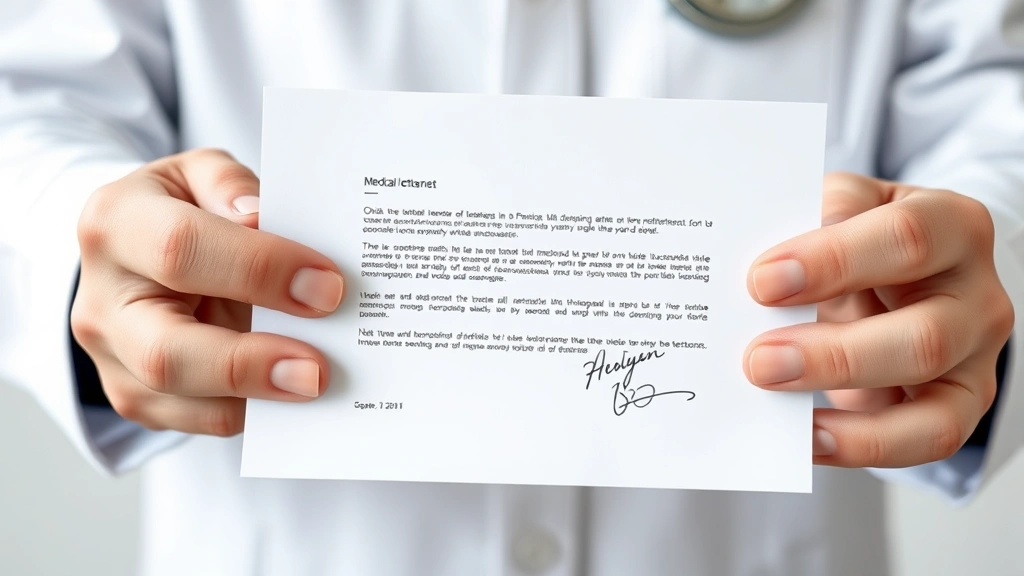
Licensed Doctor Requirements and Credentials
The term “licensed doctor” varies by context, but generally includes:
- Medical Doctors (MD): Physicians licensed in your state with an active medical license
- Doctors of Osteopathic Medicine (DO): Osteopathic physicians with full medical licensing
- Licensed Psychologists (PhD, PsyD): With a state psychology license (for mental health, cognitive, or psychiatric conditions)
- Licensed Clinical Social Workers (LCSW): In some jurisdictions, for mental health conditions
- Nurse Practitioners (NP) and Physician Assistants (PA): In some states and contexts, though they’re less universally accepted
- Psychiatrists: MDs specializing in mental health with full medical licensing
The provider must be:
- Currently licensed and in good standing (verifiable through state medical boards)
- Actively treating you (not a one-time evaluation)
- Knowledgeable about your condition and its functional impact
- Willing to put their professional reputation behind the letter
Some institutions specify requirements. For example, an ADA disability verification letter typically requires an MD, DO, or licensed psychologist. Always check your specific institution’s requirements before requesting a letter.
How to Request One From Your Doctor
Step 1: Know What You Need Before contacting your doctor, identify the specific purpose: housing, employment, education, benefits, or legal proceedings. Different contexts may require slightly different emphasis or language.
Step 2: Schedule a Dedicated Appointment or Call Don’t slip this request into an annual checkup. Contact your doctor’s office and explain you need a disability verification letter for official accommodations. This allows your doctor time to draft a thorough document.
Step 3: Provide Clear Instructions Give your doctor a written list of what the letter needs to address. For example: “I need verification that my condition limits my ability to work full-time hours, and that a flexible schedule is medically necessary.” The more specific you are, the stronger the letter.
Step 4: Specify the Recipient Tell your doctor who will receive the letter (employer, university, housing authority). This helps them tailor language appropriately.
Step 5: Allow Adequate Time Most offices need 1-2 weeks. Don’t request letters last-minute. If you need it urgently, explain the timeline when you call.
Step 6: Clarify Costs Ask if there’s a fee. Many doctors charge $50-200 for formal verification letters since they require time and professional liability consideration.
Step 7: Confirm Format Ask if your doctor can email the letter directly to you (for your records) and to the institution if needed. Some institutions prefer direct submission from the doctor’s office.
What Makes a Letter Legally Valid
A disability verification letter carries legal weight when it meets these criteria:
- Doctor-Patient Relationship: The doctor must have an established, ongoing relationship with you. A letter from a doctor who saw you once is less defensible than one from your regular provider.
- Professional Credentials: License number and credentials must be verifiable. Institutions often check state medical board databases.
- Specificity Over Vagueness: “Patient has a disability” is weak. “Patient’s condition limits standing for more than 30 minutes and requires a sit-stand desk” is strong.
- Medical Necessity Language: The letter should state accommodations are “medically necessary” or “clinically indicated,” not merely preferred.
- Objectivity: The letter should be professional and clinical, not emotional or argumentative.
- Timeliness: Letters older than 1-3 years may be questioned. For permanent disability confirmation letters, age matters less, but recent letters are always stronger.
- Compliance with ADA Standards: For ADA contexts, the letter should address whether the condition “substantially limits” major life activities, per ADA Amendments Act guidelines.
Understanding EEOC guidelines for workplace accommodations and HUD standards for housing helps ensure your letter meets institutional expectations.
Common Mistakes to Avoid
Mistake 1: Vague Functional Limitations Avoid letters that describe diagnosis only. Instead, ensure they explain what you *cannot* do without accommodations. “ADHD” alone is insufficient; “ADHD significantly impairs concentration and executive function, making a quiet workspace medically necessary” is defensible.
Mistake 2: Requesting a Letter Without Ongoing Care If you haven’t seen your doctor in years, they may refuse or write a weak letter. Maintain ongoing care with your provider before requesting verification.
Mistake 3: Asking for Over-Specific Diagnosis Language While privacy matters, some doctors refuse to write letters that don’t name the condition. Ask for a balance: specific enough to be credible, general enough to protect privacy if needed.
Mistake 4: Not Providing Clear Instructions Vague requests lead to vague letters. Be specific about what accommodations you need and why.
Mistake 5: Ignoring Institutional Requirements Some employers, schools, or agencies have specific letter requirements. Ask for these guidelines before requesting a letter from your doctor.
Mistake 6: Submitting Outdated Letters Letters older than 3 years may be rejected. Plan ahead and request updated verification periodically.
Mistake 7: Forgetting to Verify Credentials Before submitting, verify your doctor’s license is current through your state medical board. An expired license undermines the entire letter.
For more detailed guidance on avoiding pitfalls, review functional limitation verification letter legal standards.

FAQ
Can a nurse practitioner or physician assistant write a disability verification letter?
It depends on the context. Some institutions accept letters from NPs and PAs, while others require an MD, DO, or licensed psychologist. Always check institutional requirements first. For maximum defensibility, an MD or DO is preferable, but NPs and PAs can write valid letters in many situations, especially if they have an established treatment relationship with you.
How much does a disability verification letter cost?
Costs vary widely, typically ranging from $50 to $250. Some doctors include it as part of regular care; others charge a separate fee because the letter requires time and carries professional liability. Ask about costs when you request the letter. Some employers or schools may reimburse these fees.
How long does it take to get a disability verification letter?
Plan for 1-2 weeks. Busy practices may take longer. If you need it urgently, explain the timeline when requesting. Some providers offer expedited letters for an additional fee. Never wait until the last minute, as delays could affect your application or accommodation requests.
Can I request a disability verification letter via telehealth?
Yes, if you have an established telehealth relationship with your doctor. Many providers now offer disability verification letters through online platforms. The same standards apply: the provider must know your medical history and be able to speak credibly about your functional limitations.
What if my doctor refuses to write a disability verification letter?
A doctor can refuse if they believe the accommodations aren’t medically necessary or if they don’t have sufficient knowledge of your condition. In this case, consider: (1) discussing your needs more thoroughly with them, (2) seeking a second opinion from another provider, or (3) finding a new doctor who will work with you on accommodations. Don’t pressure a reluctant doctor—their signature carries professional liability, and they must believe in the letter’s accuracy.
How often should I get my disability verification letter updated?
For ongoing accommodations, update your letter every 1-3 years, or whenever your condition or needs change significantly. For permanent conditions, you may only need updating if institutions specifically request recent documentation. For temporary or improving conditions, annual updates are advisable. Check your institution’s specific renewal requirements.
Can I use the same disability verification letter for multiple purposes?
Generally yes, but check each institution’s requirements. A housing letter might emphasize mobility needs, while an employment letter might focus on cognitive or pain-related limitations. You can use the same letter for multiple similar contexts (e.g., multiple job applications), but different contexts (housing vs. education) might benefit from slightly customized letters addressing specific accommodation needs.
What’s the difference between a disability verification letter and an ESA letter?
A disability verification letter confirms a disability and necessary accommodations. An emotional support animal letter specifically verifies that an animal provides therapeutic benefit for a disability. They serve different purposes, though both come from licensed providers. You may need both documents in different situations.
Is a disability verification letter protected by privacy laws?
Yes, your medical information is protected by HIPAA. Once you submit a letter to an institution, that institution must keep it confidential. You can also request your doctor limit what information appears in the letter while still addressing functional limitations and accommodation needs.
What if an institution says my disability verification letter isn’t sufficient?
Ask specifically what’s missing. They may need: more detail about functional limitations, confirmation the provider is currently licensed, specific accommodation justifications, or a more recent letter. Work with your doctor to address these gaps. If the institution makes unreasonable demands (like requiring your full diagnosis or demanding information beyond what’s necessary for accommodations), contact the Job Accommodation Network (JAN) or your state disability rights organization for guidance.