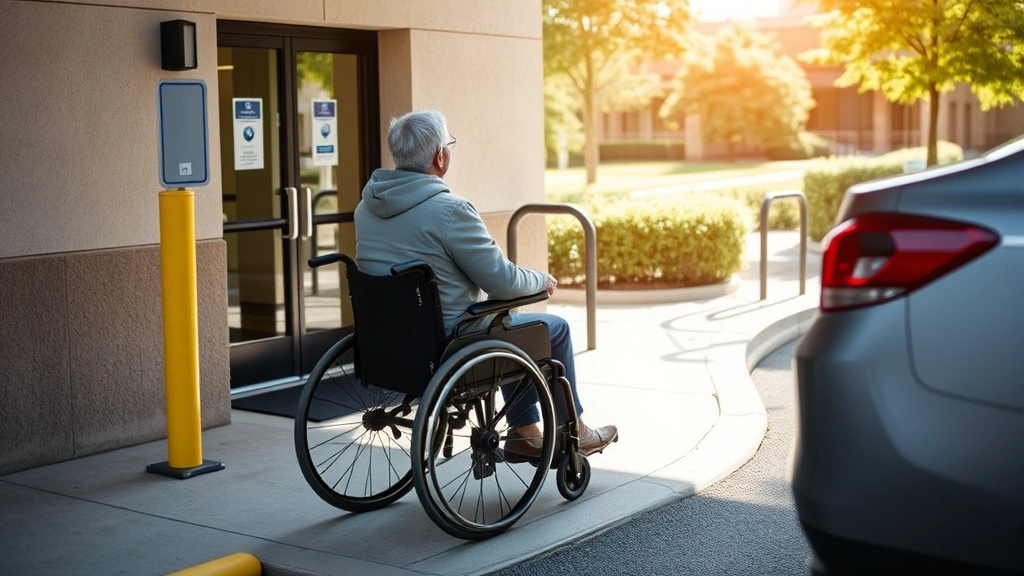
How to Obtain a Doctor Disability Letter Online
A doctor disability confirmation letter is an official medical document that verifies your disability status and functional limitations. Whether you need accommodations at work, in housing, for travel, or for legal purposes, obtaining this letter online has become faster and more accessible than ever. This comprehensive guide walks you through the process, explains what to expect, and helps you understand how to use your disability letter effectively across different life areas.
The digital shift in healthcare has made it possible to connect with licensed physicians remotely and receive legitimate medical documentation without lengthy in-person appointments. Understanding the proper channels, requirements, and legal standards ensures you receive a valid letter that meets institutional and legal requirements.

What Is a Doctor Disability Letter?
A doctor disability confirmation letter is a formal medical document written by a licensed healthcare provider that confirms your diagnosis, describes your functional limitations, and documents how your condition impacts daily activities. This letter serves as official proof of your disability status and is recognized by employers, educational institutions, housing providers, courts, and government agencies.
The letter typically includes your name, date of birth, diagnosis (or general description if you prefer privacy), duration of the condition, specific functional limitations, and recommendations for accommodations. Unlike casual medical records, a disability letter is specifically formatted and worded to meet institutional standards and legal requirements.
Key distinctions exist between different types of medical letters. An ESA letter for emotional support animals focuses on mental health conditions and the therapeutic benefit of an animal. An ADA disability verification letter emphasizes functional limitations under Americans with Disabilities Act standards. A workplace accommodation letter specifically addresses job-related limitations and needed modifications.

Why You Need a Disability Confirmation Letter
Disability confirmation letters serve multiple critical purposes across different life domains. Understanding when and why you need one helps you prepare appropriate documentation and request the right type of letter from your physician.
Workplace Accommodations: Employers are required under the ADA to provide reasonable accommodations to qualified employees with disabilities. Submitting a workplace accommodation letter for your employer formally initiates the interactive process. This letter should specify your functional limitations and suggest accommodations like remote work, flexible scheduling, ergonomic modifications, or additional breaks.
Housing Rights: Fair Housing laws protect tenants with disabilities. An emotional support animal letter for housing is essential if you need an ESA in a no-pet building. Disability letters also support requests for unit modifications, ground floor transfers, accessible parking, or lease modifications due to medical needs.
Educational Access: Students with disabilities receive accommodations through their school’s disability services office. Letters documenting your condition enable extended testing time, reduced course loads, attendance flexibility, or remote learning options.
Travel Clearance: Airlines, cruise lines, and transportation services often require medical documentation. A medical travel clearance letter online confirms you’re fit to travel and describes any special equipment or assistance needs.
Legal and Court Matters: Courts may require medical documentation for jury duty exemptions, postponed court dates, or hardship claims. Disability verification letters provide the foundation for these legal accommodations.
Government Benefits: Social Security, disability insurance, and other programs require medical verification of your condition and functional limitations.
How to Find Licensed Physicians Online
Finding a reputable online physician is the critical first step. Not all online services are equal, and you want to ensure you’re working with legitimate, licensed healthcare providers who understand your condition.
Verify Licensing and Credentials: Before engaging any online physician, confirm their medical license through your state’s medical board website. Most states maintain searchable databases where you can verify active licenses, board certifications, and any disciplinary history. This protects you legally and ensures your letter will be recognized by institutions.
Choose Specialized Services: Look for telehealth platforms specializing in disability documentation and accommodation letters. These services employ physicians experienced in writing letters that meet institutional standards and legal requirements. They understand what employers, schools, and housing providers need to see.
Check Reviews and Ratings: Read patient reviews on independent platforms and the provider’s website. Look for feedback about the physician’s responsiveness, knowledge of accommodation law, and quality of documentation. Avoid services with consistently negative reviews or complaints about invalid letters.
Verify HIPAA Compliance: Ensure the platform is HIPAA-compliant and uses secure, encrypted communication. Your medical information is sensitive and must be protected.
Confirm Turnaround Time: Ask about delivery timelines before you begin. Reputable services typically deliver letters within 2-5 business days. Be wary of services promising same-day delivery without proper medical evaluation.
The Online Application Process
Most online disability letter services follow a straightforward process designed to be accessible and efficient.
Step 1: Create Your Account Begin by registering on the platform with basic information: name, email, phone number, and date of birth. You’ll create a secure login and password. This account stores your medical information and allows you to track your letter status.
Step 2: Complete Your Medical History Answer detailed questions about your condition, symptoms, when you were diagnosed, current treatments, medications, and how your disability affects daily activities. Be thorough and honest. The more information you provide, the better the physician can understand your needs and write an appropriate letter.
Step 3: Specify Your Needs Clearly state what you need the letter for (workplace, housing, school, travel, legal) and what specific accommodations you’re requesting. Different purposes require different emphases in the letter.
Step 4: Upload Supporting Documentation Provide any existing medical records, previous diagnoses, treatment history, or relevant documentation. This helps the physician understand your condition without requiring new testing.
Step 5: Connect with a Physician You’ll be matched with a licensed physician in your state who reviews your information. Many services offer video consultations where you can discuss your condition directly with the doctor.
Step 6: Letter Drafting and Review The physician drafts your letter based on your medical history and needs. You typically receive a draft to review and request changes if needed.
Step 7: Finalization and Delivery Once you approve the letter, the physician signs it digitally or provides an official signature. The letter is delivered via secure email, mail, or both, depending on your preference.
Documentation Requirements
Having the right documentation ready streamlines the process and helps the physician write a stronger letter. Gather these materials before starting your application:
- Medical Records: Previous diagnoses, treatment summaries, specialist reports, and clinical notes documenting your condition
- Medication List: All current prescriptions with dosages, including when you started each medication
- Test Results: Relevant lab work, imaging, psychological evaluations, or diagnostic test results
- Treatment History: Dates of hospitalizations, surgeries, therapy sessions, or other medical interventions
- Symptom Documentation: Detailed descriptions of how your condition affects you daily—pain levels, mobility, cognitive function, emotional symptoms, fatigue, or other limitations
- Functional Impact Details: Specific examples of activities you cannot do or need modifications for at work, school, or home
- Current Providers: Names and contact information for your regular physicians, therapists, or specialists
- Previous Accommodation Letters: If you have letters from previous employers or institutions, these provide helpful context
Don’t worry if you don’t have all this documentation. Online physicians can work with what you have and may request specific information if needed. However, having comprehensive records helps ensure accuracy and completeness.
Legal Standards and Compliance
Understanding the legal framework ensures your letter is valid and recognized by institutions. Different contexts have different legal requirements.
ADA Standards: Under the Americans with Disabilities Act, disability letters must establish that you have a physical or mental impairment substantially limiting a major life activity. The letter should describe your limitations in functional terms, not just diagnosis.
Fair Housing Act Requirements: HUD regulations require housing providers to accept reliable disability documentation. Your letter should establish a relationship between your disability and your need for accommodations or an emotional support animal.
EEOC Guidelines: The Equal Employment Opportunity Commission expects employers to accept medical documentation from licensed healthcare providers. Your letter should be specific enough for the employer to understand what accommodations are needed.
Physician Qualifications: For most purposes, the physician writing your letter must be licensed in your state and have direct knowledge of your condition. Some institutions require the physician to be treating you, though many accept letters from physicians doing remote evaluations if they conduct proper assessments.
Letter Content Standards: Valid disability letters include the physician’s letterhead, license number, signature, date, your identifying information, diagnosis or functional limitation description, duration of the condition, specific functional limitations, and accommodation recommendations. Avoid vague language; be specific about what you cannot do.
Timeline and Delivery
Understanding the timeline helps you plan ahead, especially when you have urgent needs.
Application Review: Most platforms review applications within 24 hours and match you with a physician.
Physician Consultation: Initial physician review typically occurs within 1-2 business days. If a video consultation is needed, you’ll schedule this at your convenience.
Letter Drafting: After evaluation, the physician drafts your letter, usually within 1-2 business days.
Your Review Period: You have time to review the draft and request revisions if needed. This typically takes 24 hours.
Final Delivery: Once approved, final delivery occurs within 1-2 business days. Total timeline is typically 3-5 business days from application to delivery.
Expedited Options: Some services offer rush processing for additional fees, delivering letters within 24 hours. Plan ahead when possible, but expedited options exist for urgent situations.
Delivery Methods: Letters are delivered via secure email, certified mail, or both. Secure email is fastest; certified mail provides a physical original with official signature if needed.
Using Your Letter for Different Purposes
Your disability letter is a versatile document, but different institutions may have specific requirements or preferences for how they receive and use it.
Workplace Submissions: Provide your letter to your HR department or designated accommodation contact. Follow your company’s process for requesting accommodations. Keep a copy for your records. Your letter initiates the interactive process where your employer discusses specific accommodations with you.
Housing Applications: Submit your letter with your rental application or when requesting accommodations from your landlord or property manager. For ESA letters, provide it when requesting a pet accommodation. Keep documentation of when and to whom you submitted the letter.
Educational Institutions: Contact your school’s disability services office before submitting your letter. They may have specific forms or processes. Submit your letter early in the semester to allow time for accommodation implementation.
Travel Arrangements: Contact airlines, cruise lines, or other transportation providers before travel to understand their documentation requirements. Some accept letters via email; others require original documents. Submit well in advance.
Legal Proceedings: Consult with your attorney about how to submit medical documentation to the court. Timing and method vary depending on the case type and jurisdiction.
Government Benefits: Follow your specific program’s submission procedures. Social Security, disability insurance, and other programs have detailed requirements for medical evidence.
FAQ
Is an online doctor disability letter legally valid?
Yes, when obtained from a licensed physician through a legitimate telehealth service, an online disability letter is legally valid and recognized by employers, schools, housing providers, and courts. The key is working with a licensed, state-verified physician who conducts a proper evaluation and understands legal standards for disability documentation.
What if I don’t have recent medical records?
Online physicians can work with your description of your condition, symptoms, and functional limitations. However, having some medical documentation—even older records—strengthens your letter. If you have no records, be prepared to provide detailed information about your condition’s history, current symptoms, treatments, and how it affects you daily.
Can I request a specific diagnosis or condition in my letter?
You should be honest about your actual condition. The physician will write the letter based on your genuine medical situation. However, you can discuss with the physician what level of detail to include. Some letters describe your condition broadly (mental health condition, physical impairment) rather than naming a specific diagnosis, which is often acceptable and provides more privacy.
How much does an online disability letter cost?
Costs vary by service, typically ranging from $150 to $500. Some services charge flat rates; others vary based on complexity or urgency. Many offer payment plans or accept insurance. Compare services and understand what’s included before committing.
Will my insurance cover an online disability letter?
Insurance coverage varies. Some plans cover telehealth visits and resulting documentation; others don’t. Check with your insurance provider before using a service. Many people find the direct cost reasonable compared to in-person physician visits, especially when they don’t have an established relationship with a local doctor.
How long is a disability letter valid?
Most institutions accept disability letters for 1-3 years, though some require updates annually. Check with the specific institution about their validity requirements. Some letters state an expiration date; others don’t. You can always request an updated letter if needed.
What if the institution rejects my letter?
If an institution rejects your letter, ask specifically why. Common reasons include lack of physician credentials information, insufficient functional limitation details, or outdated information. Contact your physician to request a revised letter addressing the specific concerns. Most reputable services will revise letters at no additional cost.
Can I use the same letter for multiple purposes?
Sometimes. A general disability letter works for many purposes. However, specific situations may need tailored letters—for example, an ESA letter focuses on mental health and animal benefit, while a workplace letter emphasizes job-related limitations. Discuss with the physician what purposes you have in mind; they can write one comprehensive letter or multiple tailored versions.
What information should I NOT include in my letter?
Avoid including irrelevant medical history, unrelated conditions, or excessive detail about symptoms. The letter should focus on your current condition and how it affects the specific area you’re seeking accommodations for. Your physician helps determine what’s relevant and necessary.
Is my medical information secure with online services?
Legitimate telehealth services are HIPAA-compliant and use encrypted communication and secure servers. Before using a service, verify their privacy policy, ask about security measures, and ensure they don’t share your information without consent. Your medical privacy is legally protected.