Airline Oxygen Needs: Doctor’s Note 2026 Guide
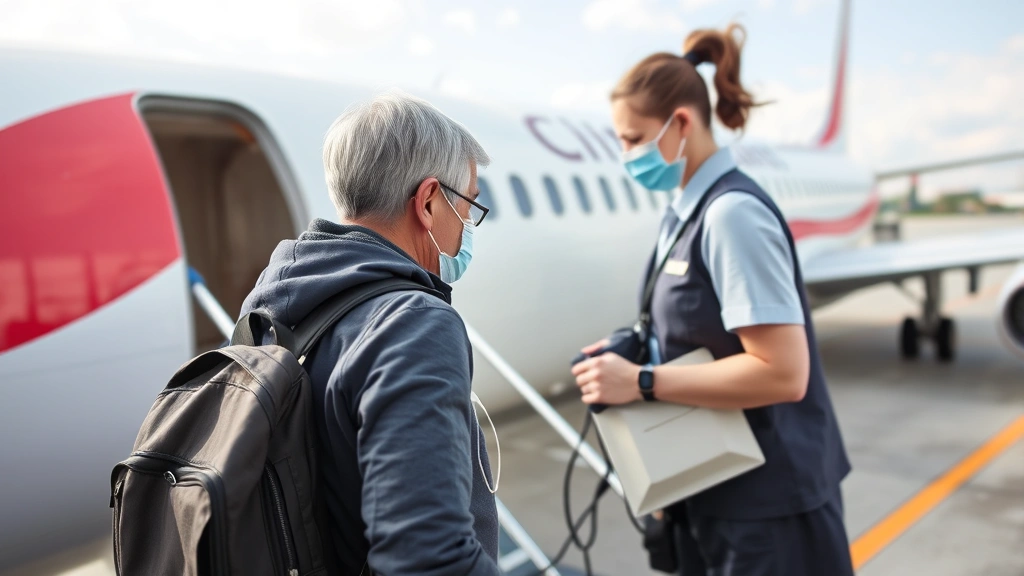
Traveling by air with supplemental oxygen requires careful planning, medical documentation, and understanding of current airline regulations. Whether you have chronic obstructive pulmonary disease (COPD), pulmonary hypertension, or another respiratory condition requiring oxygen therapy, a comprehensive doctor’s note is essential to ensure safe, compliant air travel in 2026. Airlines, the Federal Aviation Administration (FAA), and the Transportation Security Administration (TSA) have specific requirements for passengers traveling with oxygen equipment, and your physician’s documentation serves as the foundation for approval and boarding.
This guide walks you through everything you need to know about obtaining, preparing, and presenting a doctor’s note for airline oxygen use. We’ll cover regulatory requirements, what airlines expect, how to work with your healthcare provider, and practical tips for smooth airport navigation. With proper documentation and advance planning, you can travel confidently while maintaining your respiratory health and safety.

FAA and TSA Oxygen Requirements for 2026
The Federal Aviation Administration (FAA) and Transportation Security Administration (TSA) maintain strict regulations governing oxygen use on commercial aircraft. These rules exist to protect all passengers and crew members while accommodating medical needs. As of 2026, the FAA prohibits passengers from bringing their own oxygen supply aboard aircraft. Instead, airlines must provide FAA-approved oxygen equipment for in-flight use if medically necessary.
The TSA permits empty oxygen tanks and oxygen-delivery equipment through security checkpoints when properly documented. However, filled tanks are prohibited. This means you’ll need to arrange oxygen delivery through your airline or use portable oxygen concentrators (POCs), which are battery-operated devices that extract oxygen from ambient air. Many passengers find POCs preferable because they offer greater independence and don’t require airline coordination.
Your doctor’s note must clearly state your medical need for supplemental oxygen, including the specific oxygen flow rate (liters per minute) and duration needed during flight. The FAA requires this information to determine whether airline-provided oxygen or a passenger-owned POC is appropriate. Additionally, your documentation should specify whether you need oxygen only at altitude or continuously throughout the flight.
For the most current regulations, consult the FAA’s official website and the TSA’s travel guidelines, which are updated regularly to reflect changes in policy and technology.
Major Airline Policies and Documentation Needs
Each major airline has slightly different procedures for passengers requiring oxygen, though all follow FAA guidelines. The largest U.S. carriers—including American, Delta, United, Southwest, and others—require advance notification and specific medical documentation. Most airlines request 48 hours’ notice, though some require up to 72 hours, to arrange oxygen delivery and coordinate ground support.
United Airlines requires a completed Special Service Request form and a doctor’s statement confirming your oxygen need. Delta Air Lines similarly demands advance notice and medical documentation showing oxygen flow rate and duration. Southwest Airlines accepts portable oxygen concentrators and requires advance notification. International carriers often have more stringent requirements, particularly regarding oxygen equipment specifications and medical certifications.
Your doctor’s note should be specific, dated, and on official letterhead. Airlines will reject vague or undated documentation. The note must include your physician’s contact information, their medical license number, and their signature. Some airlines provide specific forms or templates; ask your airline if one is available before your appointment with your doctor.
When contacting your airline, request their Special Needs or Disability Services department. Provide your confirmation number, flight details, and explain that you’ll be submitting medical documentation. Ask for any airline-specific forms or requirements to ensure your doctor’s note meets their exact standards. This proactive approach prevents delays and complications at the airport.
What Your Doctor’s Note Must Include
A comprehensive airline oxygen doctor’s note requires specific medical and administrative elements. Here’s what must be included:
- Patient Information: Your full name, date of birth, and the date the note was written
- Diagnosis: The specific respiratory condition requiring supplemental oxygen (e.g., COPD, pulmonary hypertension, interstitial lung disease)
- Oxygen Prescription Details: The prescribed oxygen flow rate in liters per minute (LPM), whether continuous or as-needed, and the duration needed during flight
- Medical Necessity Statement: A clear statement that supplemental oxygen is medically necessary for air travel due to the altitude and cabin pressure changes
- Equipment Specification: If using a portable oxygen concentrator, the specific model and FAA approval status must be documented. If using airline oxygen, this should be stated
- Functional Limitations: Brief description of how your condition affects your ability to fly without oxygen (e.g., dyspnea on exertion, reduced oxygen saturation at altitude)
- Physician Credentials: The doctor’s full name, specialty, medical license number, phone number, and practice address
- Official Letterhead: The note must be printed on the medical practice’s official letterhead with the practice address and contact information
- Signature and Date: The physician’s original signature and the date the note was written (typically valid for 12 months)
Avoid vague language. Instead of “patient may need oxygen,” write “patient requires supplemental oxygen at 2 LPM continuously during flight due to documented hypoxemia at altitude.” Specificity strengthens your documentation and reduces airline pushback.
How to Obtain Your Medical Documentation
Start by scheduling an appointment with your primary care physician or pulmonologist well in advance of your travel date—ideally 4-6 weeks before your flight. Explain that you need a doctor’s note specifically for airline oxygen use and mention the 2026 travel date. Bring any existing medical records showing your oxygen prescription and recent pulmonary function tests or blood gas analyses.
If you already use supplemental oxygen at home, your doctor has baseline documentation of your oxygen requirements. Share your home oxygen prescription details with your physician. If you don’t currently use oxygen but believe you may need it for air travel, your doctor may recommend a hypoxia simulation test or high-altitude exercise test to determine if supplemental oxygen is medically necessary during flight.
Provide your doctor with the airline-specific form if one exists, along with a copy of the FAA and TSA guidelines. Many physicians are familiar with these requirements, but some may need guidance on the specific format airlines expect. Don’t hesitate to ask your doctor’s office to contact your airline directly if questions arise about documentation adequacy.
For help understanding your medical options and documentation needs, review our comprehensive guide on how to get disability documentation, which covers general principles applicable to travel accommodations. Additionally, consulting resources on functional limitation verification can help you understand what medical professionals document regarding your respiratory limitations.
Request multiple copies of your doctor’s note—at least three. Keep one with your airline reservation, one in your carry-on bag, and one with your checked luggage. Digital copies on your phone are also helpful as backup.
Advance Planning and Notification Procedures
Contact your airline at least 72 hours before your flight, though earlier notification (1-2 weeks) is preferable. Call the airline’s Special Services or Disability Services line, not the general reservations number. Have your confirmation number, flight details, and doctor’s note ready.
Inform the airline representative of your oxygen needs and ask whether you’ll use airline-provided oxygen or a portable oxygen concentrator. If using a POC, provide the specific model number and mention that it’s FAA-approved. If using airline oxygen, confirm that the airline can provide the prescribed flow rate and has oxygen available on your specific aircraft.
Send your doctor’s note via email or mail to the airline’s special services department within 24 hours of your phone call. Request written confirmation that they’ve received and reviewed your documentation. Keep this confirmation in your travel records.
For connecting flights, contact each airline separately, as they may have different procedures. If flying internationally, contact both your departure and arrival country’s aviation authorities, as some nations have additional oxygen regulations.
Consider obtaining a reasonable accommodation letter from your healthcare provider that addresses your broader medical needs during travel, including ground transportation and hotel accommodations with accessible facilities.
Portable Oxygen Equipment Options
Portable oxygen concentrators (POCs) have revolutionized air travel for oxygen-dependent passengers. Unlike traditional oxygen tanks, POCs are battery-powered devices that extract oxygen from the air, eliminating the need for airlines to provide oxygen or for passengers to navigate regulations around filled tanks.
The FAA approves specific POC models for in-flight use. Popular FAA-approved models include the Inogen One series, Philips Respironics SimplyGo, and DeVilbiss iGo. Your doctor’s note should specify your POC model and confirm it’s FAA-approved. Airlines will verify this independently, but having it in your documentation streamlines the process.
POCs typically weigh 2-6 pounds and fit in a carry-on bag. Battery life ranges from 4-8 hours depending on the model and oxygen flow setting. Most passengers carry backup batteries or a battery charger for longer flights. Airlines typically allow POCs in carry-on luggage without restriction, unlike filled oxygen tanks.
If you don’t own a POC but prefer to use one rather than airline oxygen, you can rent or purchase one before your trip. Medical equipment rental companies offer short-term POC rentals specifically for travelers. Discuss rental options with your healthcare provider or search for “portable oxygen concentrator rental” in your area.
Navigating Airport Security with Oxygen
Inform TSA officers at the security checkpoint that you’re traveling with oxygen equipment. Portable oxygen concentrators pass through standard X-ray screening without issue. Inform the officer before placing your device on the conveyor belt.
Empty oxygen tanks or cylinders are permitted through security when properly documented. However, filled tanks are prohibited. If you use airline oxygen, you won’t have tanks at the airport. If you use a POC, you won’t have tanks either. If you use home oxygen before arriving at the airport, arrange for a home health company to retrieve your home equipment after you leave.
Request TSA PreCheck or CLEAR if you travel frequently with medical equipment. These programs expedite security screening. Inform the TSA agent during enrollment that you travel with oxygen, and they’ll note your account.
Keep your doctor’s note and airline confirmation easily accessible. TSA may ask to see your documentation, and having it readily available speeds the process. Place it in your carry-on’s outside pocket or a clear document holder.
If traveling with a portable oxygen concentrator, ensure batteries are fully charged before arriving at the airport. Charge it in the airport terminal if needed before boarding. Many airports now have charging stations in gates and lounges.
Troubleshooting Common Issues
Airline Denies Your Oxygen Request: If an airline refuses your oxygen accommodation despite valid medical documentation, request written explanation of their denial. Contact the airline’s customer relations department and escalate to their disability accommodations manager. If necessary, file a complaint with the U.S. Department of Transportation’s Aviation Consumer Protection Division. You may also consult disability rights organizations like the Disability Rights Education & Defense Fund for guidance.
Doctor Won’t Provide Required Documentation: If your physician is unwilling or unable to provide the specific airline documentation you need, request a referral to a pulmonologist or travel medicine specialist who can. Some physicians are unfamiliar with airline oxygen requirements; explaining the specific format and details needed often resolves this issue.
Portable Oxygen Concentrator Malfunctions: Carry backup batteries and a charger. Know how to troubleshoot your specific POC model. Contact the manufacturer’s customer service before your trip to understand their travel support options. Some manufacturers offer 24/7 travel support lines.
Airline Oxygen Supply Unavailable: Although rare, occasionally airlines run short on oxygen or equipment malfunctions. If this occurs, request that your flight be delayed until oxygen is available, or ask to be rebooked on another flight with confirmed oxygen availability. Document all communications in writing.
Connecting Flight Complications: Allow extra time between connections when traveling with oxygen. If using airline oxygen, coordinate oxygen delivery between airlines at your connection point. If using a POC, ensure batteries are charged during your layover.
FAQ
Do I need a doctor’s note if I only sometimes use oxygen?
Yes. If you anticipate needing oxygen during your flight—whether continuously or intermittently—you need medical documentation. Airlines require this documentation to provide oxygen or approve your POC use. Your doctor can specify “as needed” flow rates if your oxygen requirement is intermittent.
How long is a doctor’s note valid for airline oxygen?
Typically, a doctor’s note is valid for 12 months from the date written. For flights beyond 12 months, you’ll need a new note. Some airlines may accept notes up to 18 months old if no change in your condition has occurred, but confirming with your specific airline is safest.
Can I bring my home oxygen equipment on the plane?
No. Filled oxygen tanks are prohibited on aircraft per FAA regulations. You must either use airline-provided oxygen or a portable oxygen concentrator. Home oxygen equipment must remain at home or be arranged for pickup before you travel.
What if my airline doesn’t provide the exact flow rate I need?
Most airlines provide oxygen in standard flow rates (1-4 LPM). If your prescription exceeds airline capabilities, discuss POC use with your doctor. POCs can deliver higher flow rates than traditional airline oxygen systems.
Do international flights have different oxygen requirements?
Yes. International carriers and destination countries may have additional requirements. Contact your specific airline and research destination country regulations early in your planning process. Some countries require additional medical certifications or specific equipment approvals.
Can I use my portable oxygen concentrator on the ground before and after my flight?
Yes. POCs are permitted in airport terminals, ground transportation, and hotels. They’re not restricted to aircraft use. This makes them convenient for pre-flight and post-flight oxygen needs.
What should I do if I’m denied boarding due to oxygen needs?
Request written explanation of the denial. Contact the airline’s corporate office and disability services department. If the denial appears discriminatory under the Air Carrier Access Act, file a complaint with the Department of Transportation. Consider consulting an attorney specializing in disability rights.
Can I get a doctor’s note for oxygen if I don’t currently use it at home?
Yes. If you have a respiratory condition and your doctor believes you’ll need oxygen at altitude, they can prescribe it for air travel even if you don’t use it at home. Your doctor may recommend a hypoxia simulation test to determine your oxygen need at altitude.
How far in advance should I contact my airline about oxygen?
Contact your airline 2-3 weeks before your flight. This allows time for your airline to coordinate oxygen delivery, for you to obtain doctor’s notes if needed, and to resolve any documentation issues before your travel date.