Breaking Lease with Doctor’s Note: Legal Insights and Requirements
Ending a rental lease early due to health conditions can feel overwhelming, especially when you’re managing medical challenges while navigating complex landlord-tenant laws. A doctor’s letter supporting lease termination is a powerful legal tool, but understanding how it works, what it must contain, and your rights under housing law is essential to breaking your lease successfully and protecting yourself from financial penalties.
Whether you’re facing a serious health diagnosis, mobility limitations, or mental health conditions that make your current housing unsuitable, medical documentation can provide the legal foundation for early lease termination. This guide explains the medical, legal, and practical aspects of using a doctor’s note to break your lease while minimizing financial and legal consequences.
Understanding Lease Termination on Medical Grounds
Lease termination due to medical reasons operates differently than standard lease breaking. Most residential leases require tenants to pay remaining rent or face legal action from landlords. However, medical hardship—documented by a licensed healthcare provider—can create legal exceptions under fair housing law and state tenant protections.
A doctor’s note for lease termination must demonstrate that your current housing situation is incompatible with your medical condition or treatment plan. This might include situations where:
- Your health condition requires relocation to a different climate or environment
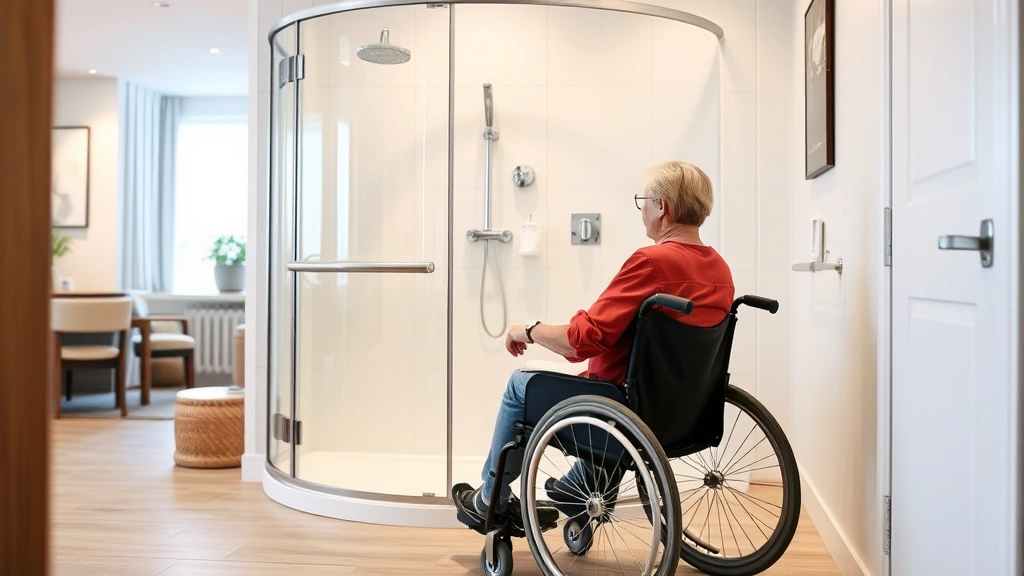
- The unit lacks necessary accessibility features for mobility limitations
- Environmental factors in the building (allergens, mold, noise) directly worsen your condition
- You require caregiver support that the current unit cannot accommodate
- Medical treatment requires proximity to a specific healthcare facility
- Your condition has significantly deteriorated, making the lease unsustainable
The strength of your medical letter directly impacts how seriously landlords and courts take your termination request. A vague note stating “this tenant has a medical condition” will not suffice. Instead, your doctor must provide specific, functional details about how your condition relates to housing needs.
Many states recognize constructive eviction claims when housing conditions violate the implied warranty of habitability and directly harm your health. Medical documentation strengthens these claims significantly. Additionally, the Fair Housing Act protects tenants with disabilities from housing discrimination, meaning landlords cannot refuse reasonable accommodations or penalize you for requesting medical-related lease modifications.
What Must a Doctor’s Letter Include
A legally defensible medical letter for lease termination requires specific components. Generic letters carry minimal weight with landlords and courts. Your doctor’s letter should include:
- Letterhead with doctor’s credentials: Full name, medical license number, specialty, clinic/hospital name, address, phone, and email. This verifies the letter’s authenticity.
- Your patient identification: Your full name, date of birth, and patient ID number (if applicable). This confirms you are an established patient.
- Specific diagnosis or functional limitation: While privacy laws protect full medical details, the letter should state your condition clearly enough to explain the housing need. Examples: “severe mobility limitations,” “chronic respiratory condition,” “psychiatric disability affecting housing stability.”
- Functional impact on housing: Explain how your condition makes your current lease untenable. Be specific: “Patient requires ground-floor accessibility due to inability to climb stairs” or “Patient’s condition worsens with high-allergen environments, making current unit unsuitable.”
- Medical necessity for lease termination: State that early lease termination is medically necessary, not optional. Example: “In my professional medical opinion, continued occupancy in the current unit poses significant risk to the patient’s health and recovery.”
- Timeframe for relocation: If relevant, specify any urgency: “Patient should relocate within 30 days to minimize health complications.”
- Doctor’s signature and date: Handwritten signature (not typed) with today’s date adds legal weight.
- Professional statement: A closing statement such as “I recommend this patient be released from their current lease to protect their health and wellbeing.”
The letter should balance medical specificity with privacy. You don’t need to disclose your full diagnosis to your landlord; instead, focus on functional limitations and housing-related needs. A medical accommodation letter follows similar principles and can serve as a template for lease termination requests.
Legal Protections and Fair Housing Laws
Tenants with disabilities or serious health conditions enjoy specific legal protections under federal and state law. Understanding these protections empowers you when negotiating lease termination.
Fair Housing Act (FHA): This federal law prohibits housing discrimination based on disability. Landlords must provide reasonable accommodations—including lease modifications or early termination—when medically necessary. If your doctor confirms that your current housing is incompatible with your disability, the landlord may be legally obligated to negotiate termination rather than demand remaining rent.
State Tenant Rights: Many states recognize medical hardship as grounds for lease termination without penalty. States like California, New York, and Massachusetts have explicit protections. Research your state’s tenant rights through your state housing authority or legal aid organization.
Implied Warranty of Habitability: Every state requires rental units to meet basic health and safety standards. If your unit violates these standards and your doctor confirms this worsens your condition, you may have grounds for termination without penalty. Mold, pest infestations, structural damage, or lack of heat/water are common examples.
Constructive Eviction: If housing conditions make the unit uninhabitable due to your health needs, you may claim constructive eviction—essentially, the landlord has made the unit unusable for you. Medical documentation is critical here.
These protections vary by location, so consult a tenant rights organization or attorney in your area. Many offer free consultations and can review your doctor’s letter for legal strength.
How to Request a Medical Letter from Your Doctor
Obtaining a strong medical letter requires clear communication with your healthcare provider. Don’t assume your doctor will automatically understand what you need.
Schedule a dedicated appointment: Don’t request this during a routine visit. Call ahead and explain that you need a letter documenting medical necessity for housing accommodation. This gives your doctor time to prepare and ensure accuracy.
Bring written context: Prepare a brief written summary explaining:
- Your current housing situation and specific problems
- How your medical condition is affected by the housing
- What type of housing accommodation you need
- Your timeline for needing the letter
Discuss the letter’s purpose: Explain that the letter will be submitted to your landlord as part of a formal accommodation request. Your doctor may have specific language or formatting they prefer.
Ask about specificity: Request that the letter include functional limitations rather than just a diagnosis. Functional language is more persuasive to landlords and courts.
Clarify privacy boundaries: Ask your doctor what medical details they’re comfortable including. Most doctors will focus on functional limitations while respecting your privacy.
Request multiple copies: Ask for at least 3-4 signed copies. You’ll need originals for your landlord, any legal proceedings, and your records.
Verify authenticity features: Ensure the letter includes doctor credentials, letterhead, contact information, and an original signature. Digital signatures are acceptable in most jurisdictions, but verify with your landlord.
If your regular doctor is unavailable or unwilling to provide the letter, consider consulting a specialist in your condition area. A letter from a psychiatrist carries weight for mental health-related housing needs; a pulmonologist for respiratory conditions, etc.
Presenting Your Documentation to Your Landlord
How you present your medical letter significantly impacts the landlord’s response. Approach this as a formal, professional accommodation request rather than a casual plea.
Review your lease: Before contacting your landlord, review your lease for any language about early termination, medical accommodations, or dispute resolution. Some leases outline procedures for accommodation requests.
Send formal written notice: Don’t rely on verbal conversations. Send a certified letter or email (with read receipt) to your landlord stating:
- Your name and unit address
- Your lease dates
- A clear request for early lease termination based on medical necessity
- That medical documentation is attached
- Your proposed move-out date
- Your contact information
Include the doctor’s letter: Attach the original signed letter (or a certified copy). Don’t paraphrase or summarize—let the doctor’s professional opinion speak for itself.
Remain professional and unemotional: Frame this as a medical accommodation request under fair housing law, not an emotional appeal. Professional tone increases credibility.
Offer reasonable timelines: If possible, suggest a move-out date that gives the landlord reasonable notice (30-60 days) to mitigate damages by finding a new tenant. This demonstrates good faith.
Document everything: Keep copies of all correspondence, the doctor’s letter, any landlord responses, and dated records of when documents were sent and received. This creates a legal paper trail.
Know when to escalate: If your landlord refuses the accommodation request, consult a tenant rights attorney or your local Fair Housing office. Many jurisdictions offer free legal aid for housing disputes.
When Medical Hardship Qualifies as Legal Grounds
Not every health condition automatically justifies lease termination. Courts and landlords assess whether the medical hardship genuinely makes the lease unsustainable. Understanding what qualifies strengthens your case.
Serious or terminal illness: Conditions like cancer, advanced heart disease, or end-stage organ failure often qualify, especially if treatment requires relocation or intensive caregiver support.
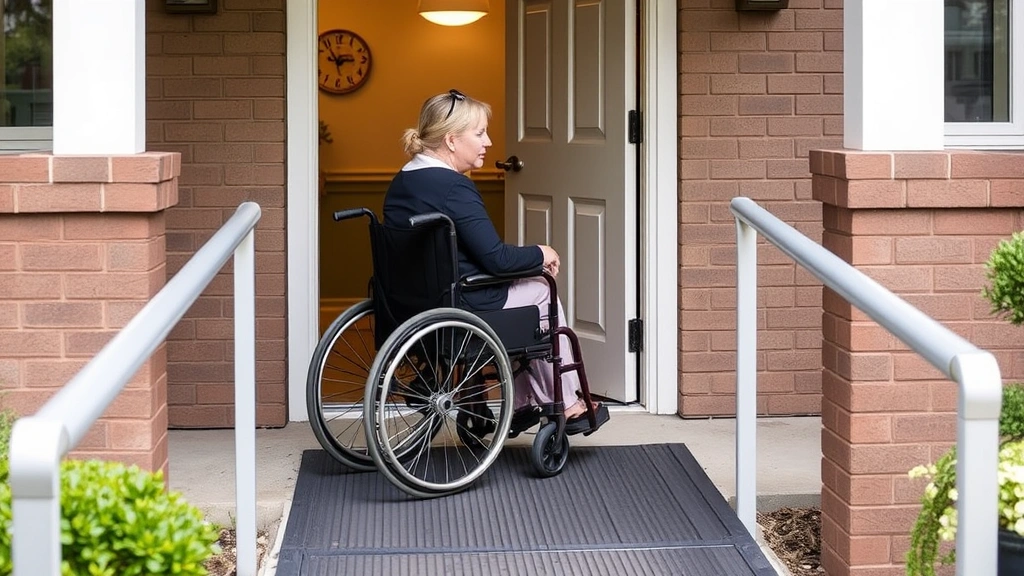
Severe mobility limitations: Inability to climb stairs, use bathrooms, or access essential areas due to spinal injury, arthritis, or neurological conditions typically qualifies when the unit lacks accessibility features.
Respiratory or environmental sensitivity: Conditions like severe asthma, COPD, or multiple chemical sensitivities may qualify if the unit has mold, poor ventilation, or environmental triggers.
Psychiatric or psychological conditions: PTSD, severe anxiety, or depression may qualify if documented by a mental health professional and directly linked to the housing environment or location. A doctor’s note for accommodation can establish this connection clearly.
Caregiver dependency: If you require full-time caregiver support and the unit cannot accommodate this (no space for caregiver, accessibility barriers), this often qualifies.
Proximity to medical care: If your condition requires frequent specialist visits and you must relocate closer to that care, medical documentation supporting this can strengthen your case.
Housing-exacerbated conditions: If your condition has measurably worsened since moving into the unit due to environmental factors (mold, noise, structural issues), this is strong grounds for termination.
Courts generally ask: “Does the medical condition make continued occupancy genuinely untenable, or is this merely inconvenient?” The stronger your doctor’s documentation of functional impact, the more compelling your case.

FAQ
Can a landlord refuse to accept a doctor’s letter for lease termination?
Landlords cannot legally refuse to consider a doctor’s letter documenting medical necessity. However, they may dispute whether the medical hardship truly justifies lease termination. If your landlord refuses, you can file a Fair Housing complaint or pursue legal action. Consulting a tenant rights attorney strengthens your position.
Will my landlord charge me remaining rent even with a doctor’s note?
This depends on your state’s laws and the strength of your medical documentation. Many states require landlords to mitigate damages—meaning they must attempt to find a new tenant rather than demand remaining rent. A strong doctor’s letter supports this duty. However, some landlords may still pursue partial payment. Negotiation is often necessary.
How long does the lease termination process take with medical documentation?
Timelines vary. If your landlord accepts the medical letter, termination might occur within 30-60 days. If they dispute it, the process could take months, especially if legal action becomes necessary. Having a strong, specific doctor’s letter accelerates acceptance.
Can I use a telehealth doctor’s letter for lease termination?
Yes, if the telehealth doctor is licensed in your state and has an established doctor-patient relationship with you. The letter must include the doctor’s full credentials, license number, and contact information. Some landlords may question telehealth credentials, but legally, they hold equal weight to in-person doctors.
What if my doctor won’t write the letter?
You can seek a second opinion from another licensed provider in your specialty. If your regular doctor won’t document medical necessity, a specialist often will. Alternatively, consult a tenant rights attorney about other legal grounds for termination (constructive eviction, habitability violations, etc.).
Should I disclose my full diagnosis to my landlord?
No. Your doctor’s letter should focus on functional limitations and housing-related needs, not full medical details. Federal privacy laws (HIPAA) protect your medical information. Landlords only need to know how your condition affects housing, not your specific diagnosis.
Can I break my lease due to mental health conditions with a doctor’s letter?
Yes. Mental health conditions documented by a licensed therapist, psychiatrist, or counselor are legally protected under fair housing law. The letter must explain how your condition makes the current housing unsuitable—for example, trauma-related triggers in the location or need for proximity to mental health care.
What’s the difference between a medical letter and a disability accommodation letter?
A medical letter documents your health condition and its functional impact. A disability accommodation letter requests specific modifications or accommodations. For lease termination, you typically need both: medical documentation of the condition and a clear statement that early termination is the necessary accommodation.
Can I be evicted for requesting lease termination based on medical grounds?
No. Retaliation for requesting fair housing accommodations is illegal under the Fair Housing Act. If your landlord retaliates (threatens eviction, raises rent, reduces services) after you submit a medical accommodation request, you can file a complaint with HUD or pursue legal action.
Should I hire a lawyer for medical lease termination?
Many successful medical lease terminations don’t require lawyers, especially when the landlord accepts the doctor’s letter. However, if your landlord disputes the medical necessity, refuses accommodation, or threatens legal action, consulting a tenant rights attorney is wise. Many offer free initial consultations and can review your doctor’s letter for legal strength.