Breaking a Lease for Medical Reasons: Doctor’s Advice
When a serious health condition emerges, staying in your current living situation may become medically unsafe or impossible. A lease break due to medical reasons is a legitimate legal pathway in most jurisdictions, but it requires proper documentation from a licensed healthcare provider. Understanding how to obtain a doctor’s letter to break a lease and navigating the process can help you exit your rental agreement without facing financial penalties or legal consequences.
This comprehensive guide explains the medical, legal, and practical aspects of breaking a lease for health reasons, including what information your doctor needs to include, how landlords typically respond, and your rights under fair housing laws. Whether you’re dealing with a chronic illness, disability, mental health crisis, or unsafe housing conditions that worsen your condition, a properly written medical letter can be your key to freedom from an unsuitable rental.
When Medical Reasons Justify Breaking a Lease
Not every health challenge qualifies as grounds for breaking a lease, but serious medical conditions that make your current housing unsafe, inaccessible, or detrimental to your health do. The key legal standard is whether your condition creates a functional limitation that your current living situation cannot accommodate, or whether remaining in the unit poses a genuine risk to your physical or mental health.
Common medical reasons that justify lease breaks include:
- Severe allergies or environmental sensitivities – mold, pet dander, or chemical exposure in the unit
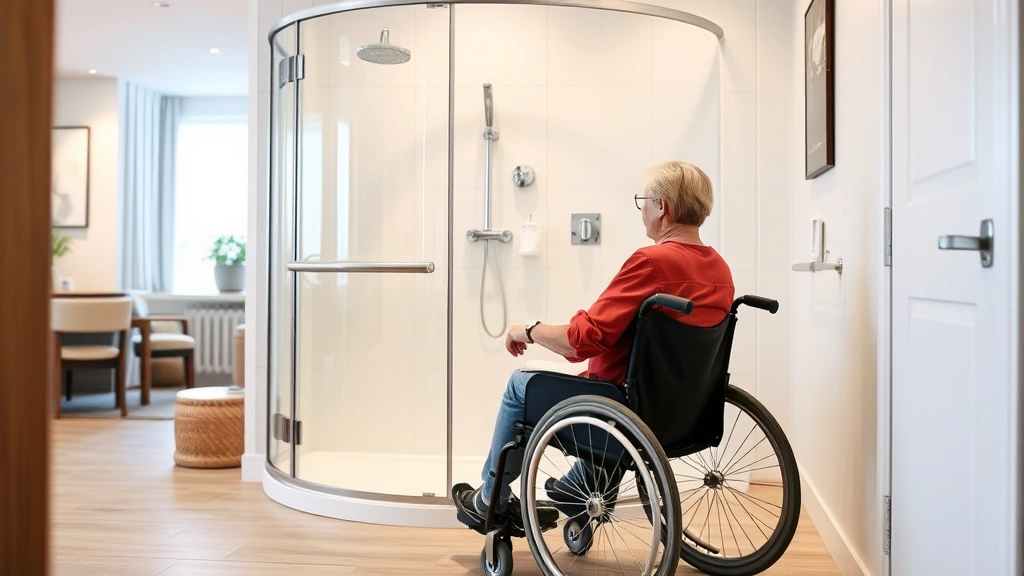
- Mobility impairments – stairs, lack of accessible bathroom, no elevator access
- Respiratory conditions – asthma, COPD, or other lung diseases worsened by poor air quality
- Mental health crises – PTSD requiring relocation, domestic violence situations, severe anxiety triggered by location
- Immunocompromised status – conditions requiring isolation or relocation away from infectious disease exposure
- Unsafe housing conditions – lead paint, mold, pest infestations, or structural hazards that worsen medical conditions
- Proximity requirements – need to relocate near specialized medical facilities or family caregivers
- Infectious disease isolation – need for single occupancy or separate housing during treatment
The strength of your case depends on demonstrating a clear causal link between your medical condition and your current housing. A functional limitation verification letter from your licensed doctor provides the clinical evidence needed to establish this connection.
What a Licensed Doctor’s Letter Must Include
A medical letter requesting lease termination must be professional, specific, and legally compelling. Landlords and courts review these letters carefully, so vague or generic statements carry little weight. Your licensed doctor’s letter should be written on official letterhead and include the following essential elements:
1. Doctor’s Credentials and Contact Information
The letter must clearly identify your healthcare provider as a licensed physician, psychiatrist, nurse practitioner, or other qualified medical professional. Include their full name, medical license number, specialty, practice address, phone number, and email. This allows landlords or courts to verify credentials if needed.
2. Patient Identification (Without Excessive Detail)
Include your name, date of birth, and the dates you’ve been under the doctor’s care. You don’t need to list every visit, but mention how long the treatment relationship has existed—at least several months is ideal for credibility.
3. Diagnosis Statement
The letter should clearly state your medical diagnosis. You can reference it by condition name (e.g., “severe asthma,” “mobility impairment,” “PTSD”) without revealing unnecessary details. The diagnosis must be substantial enough to justify housing changes—minor conditions rarely qualify.
4. Functional Limitations Related to Housing
This is the critical section. Your doctor should explicitly describe how your condition creates functional limitations that your current housing cannot address. Examples:
- “Due to [condition], the patient requires ground-floor housing without stairs, which their current third-floor unit cannot provide.”
- “The patient’s severe mold allergies are exacerbated by documented mold in the current unit, making continued occupancy medically contraindicated.”
- “The patient requires proximity to [medical facility/caregiver], necessitating relocation from their current location.”
5. Medical Necessity for Relocation
The letter must state that relocation is medically necessary or recommended, not optional. Language like “the patient would benefit from” is weaker than “the patient requires” or “continued occupancy poses a risk to the patient’s health.”
6. Timeline Recommendation
Include a suggested timeline for relocation—typically 30 to 60 days—to demonstrate medical urgency while remaining reasonable.
7. Doctor’s Signature and Credentials
The letter must be signed by the licensed healthcare provider and include their medical license number, board certification details, and practice credentials. Electronic signatures are generally acceptable.
Sample language your doctor might use: “I am writing to document that my patient, [Your Name], has been under my medical care since [date]. [He/She/They] has been diagnosed with [condition], which significantly limits [his/her/their] ability to [perform specific housing-related functions]. Based on [his/her/their] current functional limitations, I medically recommend that [patient name] relocate to housing that [specific accommodation]. Continued occupancy of [his/her/their] current residence poses a risk to [his/her/their] health. I recommend relocation within [30-60] days.”

The Legal Framework Behind Medical Lease Breaks
The legal authority to break a lease for medical reasons stems from several federal and state laws designed to protect people with disabilities and serious health conditions. Understanding this legal foundation strengthens your position when approaching your landlord.
Fair Housing Act (FHA)
The Fair Housing Act prohibits landlords from discriminating against tenants based on disability. If your medical condition qualifies as a disability, your landlord may be legally obligated to provide reasonable accommodations—which can include lease modification or termination if the current unit cannot accommodate your needs. A workplace accommodation letter follows similar principles in employment settings.
Americans with Disabilities Act (ADA)
The ADA requires that housing providers make reasonable accommodations for people with disabilities. While the ADA primarily applies to federally funded housing, its principles influence state and local housing laws.
State-Specific Medical Lease Break Laws
Many states have enacted specific statutes allowing lease termination for documented medical reasons. These vary significantly by jurisdiction. Some states recognize medical hardship as grounds for early lease termination without penalty; others require proof of uninhabitable conditions that worsen medical status. California, Texas, New York, and Florida have particularly detailed medical lease break provisions.
Constructive Eviction Doctrine
If your housing has become uninhabitable due to conditions that worsen your medical condition (mold, pests, no heat), you may invoke constructive eviction—a legal principle allowing lease termination when the landlord fails to maintain habitable conditions. Medical documentation strengthens this argument.
How to Request a Medical Letter from Your Doctor
Obtaining a medical letter requires a thoughtful conversation with your licensed healthcare provider. Many doctors are willing to write these letters, but they need clear guidance about what information to include and why.
Schedule an Appointment or Call
Don’t simply ask your doctor via email or during a routine visit. Schedule a dedicated appointment or phone call to discuss your housing situation and request a formal letter. This demonstrates seriousness and gives your doctor time to draft a thorough, legally sound document.
Explain Your Situation Clearly
Tell your doctor specifically why your current housing is problematic for your health. Don’t exaggerate, but be comprehensive: “The unit has mold that triggers my asthma attacks,” or “I’m on the third floor and my mobility condition makes stairs dangerous,” or “I need to relocate closer to my specialist’s office for frequent appointments.”
Provide Written Guidance
Offer your doctor a summary of what the letter should include. You can reference this article or provide a simple bullet-point outline. Many doctors appreciate this because it ensures the letter serves your legal needs.
Clarify That You Need a Formal Letter
Distinguish between a casual note and an official medical letter. The letter should be on letterhead, signed, and include credentials. A doctor note for accommodation follows similar formatting standards.
Ask About Timeline
Request that your doctor complete the letter within a specific timeframe (typically 1-2 weeks). If you’re in urgent circumstances, explain that and ask for expedited processing.
Discuss Cost
Some doctors charge for letters beyond routine office visits. Ask about fees upfront. Many practices charge $25-$100 for a medical letter. Some insurance plans cover this cost; others don’t.
Request Multiple Copies
Ask your doctor to provide at least three copies of the signed letter. You’ll need one for your landlord, one for your records, and potentially one for legal proceedings if the landlord disputes your claim.
Presenting Your Doctor’s Letter to Your Landlord
How you present your medical documentation affects how seriously your landlord takes your request. Strategic communication and proper documentation increase your chances of a smooth lease break.
Send a Formal Request Letter
Don’t simply hand your doctor’s letter to your landlord. Write a formal letter requesting lease termination based on medical grounds. Include:
- Your name and lease number
- The date of your request
- A brief statement that you’re requesting early lease termination due to documented medical reasons
- Reference to the enclosed doctor’s letter
- Your proposed move-out date (typically 30-60 days from the request)
- A statement that you’re willing to discuss reasonable alternatives if needed
Deliver via Certified Mail
Send your request and medical documentation via certified mail with return receipt requested. This creates a legal record that your landlord received the information and when. Keep copies of everything you send.
Include HIPAA Authorization (If Appropriate)
Some landlords may want to contact your doctor to verify the information. You can include a signed authorization allowing your doctor to confirm the medical necessity of relocation, while protecting your privacy regarding specific diagnosis details. This shows good faith and transparency.
Avoid Over-Sharing Medical Details
Your doctor’s letter should include enough medical information to justify relocation, but you don’t need to share every diagnosis, medication, or treatment detail. Landlords are entitled to know the functional impact of your condition, not your entire medical history.
Know Your Rights if Landlord Refuses
If your landlord denies your medical lease break request, you have options. You can file a Fair Housing complaint with HUD, consult a tenant rights attorney, or contact your state’s housing authority. Many states have legal aid organizations that assist tenants with housing disputes at no cost.

State and Local Variations in Lease Break Laws
Medical lease break laws vary dramatically by jurisdiction. Before submitting your doctor’s letter, research your specific state and local requirements.
States with Strong Medical Lease Break Protections:
- California: Tenants can break leases due to documented domestic violence, sexual assault, stalking, or human trafficking. Some cities extend this to general medical hardship.
- New York: Recognizes medical hardship as grounds for lease termination, particularly in rent-stabilized units.
- Texas: Allows lease termination for documented family violence; medical extensions vary by city.
- Florida: Provides lease break rights for domestic violence victims; medical provisions are more limited.
States with Limited Protections:
Some states (like Alabama, Arkansas, and Mississippi) have minimal statutory protections for medical lease breaks. In these jurisdictions, your case depends more heavily on Fair Housing Act protections and your landlord’s willingness to cooperate.
City-Level Variations:
Cities like San Francisco, Los Angeles, New York City, and Chicago have enacted local ordinances that provide stronger medical lease break protections than their states. Check your city’s housing department website for specific regulations.
Research Before You Act
Contact your state’s Attorney General office, local tenant rights organization, or a housing attorney to understand your specific legal landscape. Many jurisdictions have free tenant hotlines that can answer questions about medical lease breaks.
Protecting Your Privacy and Rights
While a doctor’s letter is necessary to break your lease for medical reasons, you have legal rights to protect your medical privacy throughout the process.
HIPAA Protections
The Health Insurance Portability and Accountability Act (HIPAA) protects your medical information. Your landlord is not covered by HIPAA (that applies to healthcare providers and health plans), but your doctor is. You can authorize your doctor to share only specific information with your landlord while keeping other details confidential.
Fair Housing Privacy Rights
Under the Fair Housing Act, you don’t need to disclose your specific diagnosis to your landlord. You only need to demonstrate that a medical condition creates a functional limitation that your current housing cannot accommodate. A good doctor’s letter provides this information without unnecessary personal health details.
Request Confidentiality Agreements
You can ask your landlord to keep your medical documentation confidential and not share it with other tenants, maintenance staff, or third parties. While not legally binding in all cases, this request demonstrates your expectation of privacy.
Keep Documentation Secure
Maintain copies of your doctor’s letter and all correspondence in a safe place. If your case proceeds to legal action, you’ll need these documents. Scan them and save digital copies as backup.
Document Everything
Keep records of all communications with your landlord regarding your medical lease break request. Save emails, certified mail receipts, and written responses. This documentation protects you if your landlord claims they never received your request or if disputes arise.
FAQ
Can any doctor write a lease break letter, or must it be my primary care physician?
Any licensed healthcare provider can write a medical letter for lease termination—your primary care doctor, a specialist, a psychiatrist, or nurse practitioner. However, the doctor should have an established treatment relationship with you (ideally several months) and be familiar with how your condition affects your housing needs. A specialist in your condition (pulmonologist for asthma, psychiatrist for mental health, etc.) may carry more weight.
How long should the letter be?
A medical letter for lease termination should be 1-2 pages maximum. It needs to be comprehensive enough to justify relocation but concise enough to be taken seriously. Lengthy letters with excessive medical jargon or irrelevant details are less effective.
What if my landlord asks my doctor follow-up questions?
Your doctor can answer limited questions to verify the information in the letter, but they’re not obligated to provide extensive medical details. You can authorize your doctor to confirm that you have a documented condition requiring relocation without disclosing diagnosis specifics. A remote work accommodation letter follows similar confidentiality principles.
Can I be evicted if I break my lease with a doctor’s letter?
In most jurisdictions, a properly documented medical lease break protects you from eviction for breach of lease. However, your landlord can still pursue you for unpaid rent or lease termination fees if they’re legally permissible in your state. Some states allow landlords to charge for early termination; others do not. Research your state’s law or consult an attorney.
What if my doctor refuses to write the letter?
If your doctor is unwilling to write a medical letter, you can seek a second opinion from another licensed healthcare provider. You might also ask why your doctor is hesitant—sometimes they need clarification about what you’re requesting or may require additional appointments to gather information. If you’re switching doctors, ensure the new provider has enough time to establish your medical history before writing the letter.
Does my landlord have to accept my doctor’s letter?
Landlords should seriously consider a medical letter from a licensed healthcare provider, but they’re not automatically obligated to accept it. However, refusing a legitimate medical request for accommodation may violate Fair Housing Act protections. If your landlord refuses without reasonable justification, you can file a complaint with HUD or pursue legal action.
What’s the difference between a medical lease break and an accommodation request?
A medical lease break terminates your lease entirely, allowing you to move. An accommodation request asks your landlord to modify your current lease or living situation (e.g., transfer to a ground-floor unit, allow an emotional support animal). A medical documentation letter can support either type of request, depending on your needs.
Should I mention my lease break request to my landlord before submitting the doctor’s letter?
It’s often helpful to have a preliminary conversation with your landlord to explain your situation and indicate that medical documentation will follow. This prevents your formal request from seeming sudden or adversarial. However, if you anticipate resistance or conflict, submitting the formal request with medical documentation directly may be more appropriate.
Can I get financial assistance to cover moving costs if I break my lease for medical reasons?
Some nonprofits, government programs, and community organizations offer relocation assistance for people with medical hardships or disabilities. Contact your local housing authority, disability services organization, or United Way chapter to inquire about available resources. Some states also have emergency housing assistance programs.
What if I don’t have health insurance or a regular doctor?
You can seek a medical letter from federally qualified health centers (FQHCs), community health clinics, urgent care providers, or telehealth services. Many of these options are affordable or sliding-scale. Some telemedicine providers specialize in housing-related medical documentation. Ensure whoever writes the letter is a licensed healthcare provider with proper credentials.