Breaking Lease for Medical Reasons: Doctor’s Guide
When health conditions make your current living situation untenable, breaking a lease may be your only option for recovery and wellbeing. A doctor’s letter to terminate an apartment lease serves as formal medical documentation that your health requires immediate relocation. This guide explains how to obtain this critical document, what it should contain, and how to present it to your landlord or manage the legal process.
Medical lease termination is a legitimate pathway when your rental unit exacerbates chronic conditions, triggers allergies, prevents mobility access, or poses safety risks. Rather than defaulting on payments or abandoning the property, a physician-supported termination letter provides legal protection and demonstrates good faith to your landlord. Understanding this process empowers you to prioritize your health without financial or legal consequences.
Breaking a lease without proper documentation can result in eviction records, damaged credit, and ongoing rent liability. A doctor’s letter transforms your situation from contract breach into a recognized medical accommodation, often allowing early termination without penalty under state laws and fair housing regulations.
When You Need a Doctor’s Letter for Lease Termination
A medical lease termination letter becomes necessary when your health condition is directly worsened by your current housing. Common scenarios include:
- Mold, moisture, or air quality issues triggering asthma, allergies, or respiratory disease
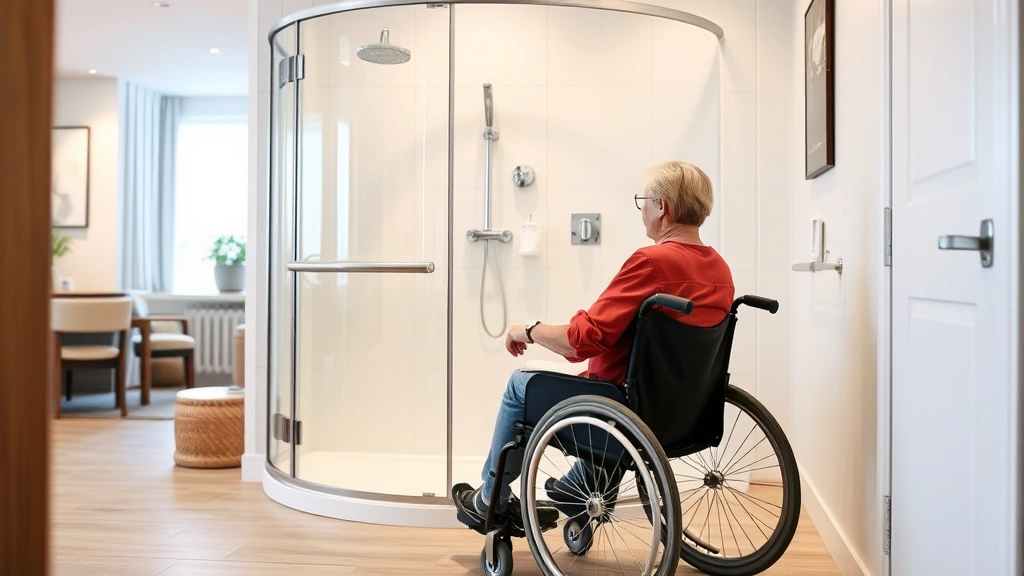
- Accessibility barriers preventing safe mobility for those with arthritis, spinal injuries, or mobility disabilities
- Noise or environmental stressors exacerbating PTSD, anxiety, or sleep disorders
- Allergen exposure from unit construction, pest infestations, or shared HVAC systems
- Proximity to medical triggers such as secondhand smoke or chemical odors
- Inadequate climate control harmful to those with cardiovascular, neurological, or autoimmune conditions
The key threshold is that the condition must be medically documented and the housing must be demonstrably harmful. Vague discomfort or preference for a different neighborhood does not qualify. Your physician must establish a clear causal link between your diagnosis and the specific housing defect.
If your landlord has failed to make necessary repairs under HUD tenant rights guidelines, a medical letter strengthens your position significantly. Many states recognize “constructive eviction” when a unit becomes uninhabitable due to landlord neglect—a doctor’s letter documents the health impact of that neglect.
What a Medical Lease Termination Letter Must Include
A legally effective doctor’s letter for lease termination should contain specific elements to maximize its credibility with landlords and courts:
- Physician credentials: Full name, license number, medical specialty, and contact information on official letterhead
- Patient identification: Your full legal name and lease address (the unit you’re terminating)
- Diagnosis or condition: The specific medical condition (e.g., “moderate persistent asthma,” “fibromyalgia with chronic pain,” “mobility impairment requiring ground-floor access”)
- Functional limitations: How the condition affects daily activities—breathing, sleeping, mobility, pain levels
- Housing-condition nexus: Explicit statement linking the unit’s defect to symptom exacerbation (“Patient’s asthma is triggered by mold present in the master bedroom” or “Current second-floor unit prevents safe mobility”)
- Medical necessity statement: “It is medically necessary that this patient relocate to a different living environment” or similar language
- Timeline: Recommended move date or urgency level (immediate vs. 30 days)
- Physician signature and date: Original signature (not electronic) where legally required by your state
Avoid vague language like “patient reports housing concerns.” Instead, use clinical terminology: “prolonged exposure to [specific trigger] results in increased symptoms requiring medication escalation” or “current unit design prevents safe ambulation without assistance.”
Your letter should be supported by functional limitation verification that documents how housing barriers impact your daily living. This creates a comprehensive medical record that’s difficult for a landlord to dispute.

How to Request This Letter From Your Doctor
Approaching your physician requires clarity and preparation. Here’s a strategic framework:
Step 1: Schedule a focused appointment. Don’t try to squeeze this into a routine visit. Request a specific appointment to discuss housing-related health impacts. Tell the scheduler: “I need to discuss how my current apartment is affecting my health condition.”
Step 2: Document the housing problem. Bring photos of mold, moisture damage, pest evidence, or accessibility barriers. Document dates when symptoms worsened after moving in. Provide utility bills showing temperature fluctuations if relevant. This concrete evidence helps your doctor establish causation.
Step 3: Explain your need clearly. Say: “My lease requires me to stay until [date], but my condition is worsening here. I need a letter documenting that relocation is medically necessary so my landlord will release me from the lease.” Be specific about which housing feature is problematic.
Step 4: Request specific language. Ask for the elements listed above. Provide a template if helpful (many medical offices appreciate this). Say: “Could you include your medical recommendation that I relocate, and how this specific housing condition triggers my symptoms?”
Step 5: Ask about timeline. “Can you provide this letter within 5-7 business days?” Having multiple copies is wise—one for your landlord, one for your records, one for legal proceedings if needed.
If your regular physician declines or seems uncomfortable, consider a telehealth specialist in your condition area. Services offering disability confirmation letters can provide medical documentation specifically for housing accommodations when your own doctor is unavailable.
Legal Grounds for Medical Lease Breaks
Several legal frameworks protect your right to break a lease for medical reasons:
Fair Housing Act (FHA): Under the Americans with Disabilities Act and Fair Housing Act, landlords must provide reasonable accommodations for disabilities. If your unit cannot be reasonably modified to accommodate your condition, termination may be required. A doctor’s letter documenting disability and accommodation need is critical evidence.
Habitability standards: Every state implies a “warranty of habitability”—landlords must maintain safe, healthy housing. Mold, pest infestations, broken heating, or other conditions violating health codes may justify lease termination. Medical documentation that the uninhabitable condition harms your specific health makes this argument stronger.
Constructive eviction doctrine: When housing conditions become so bad that living there is impossible, you may have legal grounds to terminate without penalty. A doctor’s letter proving the condition makes your unit unsuitable for your medical needs supports this defense.
State-specific medical hardship laws: Some states (California, New York, Colorado) have explicit medical hardship provisions allowing lease termination with proper documentation. Check your state’s tenant rights website for specific language.
Consult a disability rights attorney if your landlord resists. Many offer free consultations. Your doctor’s letter becomes evidence in potential Fair Housing complaints or eviction defense cases.
Presenting Your Letter to Your Landlord
How you present your medical documentation significantly affects your landlord’s response. Follow this protocol:
Timing: Submit the letter as soon as you have it. Don’t wait until you’re in crisis or behind on rent. Early notice demonstrates good faith.
Format: Deliver the original signed letter (or certified scan) via certified mail with return receipt. This creates a legal record. Include a formal letter of your own stating: “Enclosed is a letter from my physician documenting that my medical condition requires relocation from [address]. I am requesting early lease termination effective [date] pursuant to medical necessity. Please confirm receipt and your timeline for processing this request.”
Tone: Keep your communication professional and non-confrontational. You’re not accusing your landlord of wrongdoing; you’re documenting a medical need. Say “I need to relocate for health reasons” rather than “Your moldy apartment is making me sick.”
Offer solutions: Propose a move date and suggest how to handle rent prorating, security deposits, and final inspection. Many landlords will cooperate if the process feels collaborative rather than adversarial.
Follow up**: If no response within 7 days, send a second letter via certified mail. Document all communications. If the landlord still refuses, consult an attorney about filing a Fair Housing complaint or pursuing legal action.
Never abandon the property without formal termination. Even with a doctor’s letter, you need written agreement to break the lease, or you risk eviction and credit damage. A mobility documentation letter or similar medical record strengthens your negotiating position significantly.
State Laws and Tenant Protections
Lease termination rights vary dramatically by state. Research your specific jurisdiction:
California: Recognizes medical hardship as grounds for lease termination. Tenants can break leases for serious health conditions worsened by the unit. Submit medical documentation to the landlord; they have 30 days to respond.
New York: Requires landlords to maintain habitable conditions. Mold, pests, or other health hazards may justify termination. Medical proof of condition exacerbation strengthens your case.
Texas: Allows termination if the unit becomes “uninhabitable.” Medical documentation of how conditions affect your health is essential evidence.
Colorado: Has explicit medical hardship laws allowing lease breaks with proper physician certification. This is one of the most tenant-friendly states for medical termination.
Check HUD.gov and your state attorney general’s office for tenant rights summaries. Many states have free legal aid organizations for low-income tenants—they can advise on your specific situation.
Federal law (Fair Housing Act) applies everywhere, so even in landlord-friendly states, disability-related accommodations must be provided. A doctor’s letter documenting disability strengthens your federal claim significantly.

FAQ
Can my landlord refuse to accept a doctor’s letter for lease termination?
In most states, if a physician documents that your health requires relocation, landlords cannot legally refuse. However, they may dispute the medical necessity or attempt to negotiate terms. If refused, you can file a Fair Housing complaint with HUD’s Fair Housing office or pursue legal action. Having a strong letter from a licensed physician makes refusal risky for the landlord.
Will this affect my credit or rental history?
A medically documented lease termination should not damage your credit if handled properly. The key is obtaining written agreement from your landlord before moving. If the termination is mutual or based on documented medical hardship, it typically doesn’t appear as a default. Always get written confirmation from your landlord that the lease is terminated without penalty.
What if my doctor won’t write the letter?
If your regular physician declines, explain the medical necessity and ask specifically what information would make them comfortable providing it. If they still refuse, seek a second opinion from a specialist in your condition. Telehealth services specializing in disability confirmation letters can provide medical documentation for housing accommodations when your primary doctor is unavailable.
How long does the letter remain valid?
A doctor’s letter for lease termination is typically valid for the lease termination process and any subsequent disputes. If your landlord contests it months later, you may need an updated letter. Get the original letter notarized if possible to strengthen its legal standing.
Can I use a telehealth doctor’s letter?
Yes, if the telehealth provider is a licensed physician in your state and has documented your condition. However, in-person evaluation is stronger because it demonstrates thorough assessment. If using telehealth, ensure the provider has medical records of your condition and can speak to the housing-health nexus specifically.
What if the housing problem is in a shared building (noise, odors)?
Document the specific problem (noise levels, odor presence, frequency) and how it triggers your symptoms. Your doctor’s letter should reference these specifics: “Patient’s anxiety disorder is triggered by noise levels exceeding [decibels] occurring [frequency], which are regularly present in this unit due to [cause].” This concrete language makes the letter harder to dismiss.
Should I mention legal action in my letter to the landlord?
No. Keep your communication professional and focused on medical necessity, not legal threats. Let the doctor’s letter speak for itself. If the landlord refuses, then consult an attorney about formal action. Threatening legal action can escalate conflict unnecessarily.
Can I terminate my lease for a roommate’s medical condition?
Only if you’re the leaseholder and the condition is yours. If your roommate has a condition affecting you (secondhand smoke, chemical sensitivity), you would need your own medical documentation showing harm. Consult your lease and local law about roommate-related termination rights.