
Need Airline Oxygen? Doctor Note Guidelines Inside
Traveling by air with a respiratory condition requires careful planning and proper medical documentation. If you depend on supplemental oxygen, understanding how to obtain the right doctor’s note is essential for a smooth travel experience. Airlines have strict protocols regarding medical oxygen, and your healthcare provider’s documentation serves as the foundation for approval and safe in-flight management of your condition.
This guide walks you through the process of securing medical documentation for airline oxygen use, what airlines require, and how to prepare for your journey. Whether you’re traveling for work, leisure, or medical appointments, having comprehensive physician guidance ensures you can fly safely and confidently.
Understanding Airline Oxygen Requirements
Commercial airlines are required by the Federal Aviation Administration (FAA) to follow specific guidelines when passengers require supplemental oxygen during flight. The pressurized cabin environment at cruising altitude (typically 35,000-43,000 feet) creates lower oxygen availability than sea level, which can exacerbate respiratory conditions. Airlines must balance passenger safety with operational feasibility, making medical documentation critical to your travel approval.
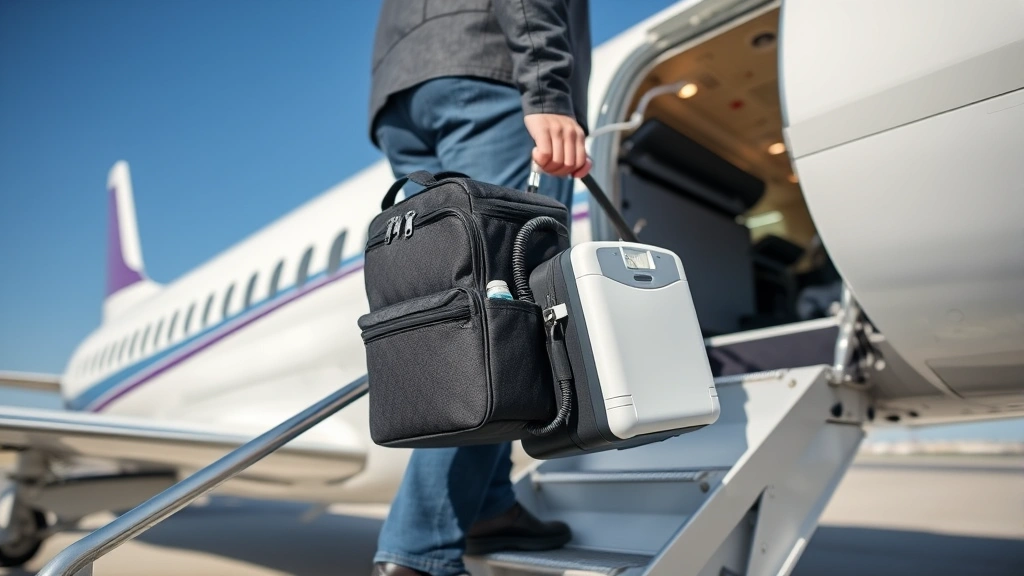
Each airline maintains its own oxygen policies, though they generally align with FAA standards. Most carriers allow passengers to bring their own FAA-approved portable oxygen concentrators (POCs) onboard, but this requires advance notification and proper medical certification. Some airlines provide supplemental oxygen for a fee, while others may deny service if they deem the passenger’s condition too severe for safe air travel.
Your doctor-signed functional limitation verification letter serves as your primary tool for communicating your medical needs to the airline. This documentation must clearly establish that you have a legitimate medical need for oxygen and that air travel is medically feasible with appropriate accommodations.
The airline’s medical department will review your documentation and may request additional information from your physician. This process typically takes 48 hours to two weeks, depending on the carrier and complexity of your case. Starting this process at least three weeks before your flight ensures adequate time for approval.
What Your Doctor’s Note Must Include
A comprehensive doctor’s note for airline oxygen must contain specific medical information that airlines use to make safety determinations. Vague or incomplete documentation often results in requests for clarification, delays, or denial of your request. Work with your physician to ensure all essential elements are included:
- Your full legal name and date of birth – Must match your airline ticket exactly
- Diagnosis and medical history – Specific condition requiring oxygen (COPD, pulmonary fibrosis, cystic fibrosis, heart disease, etc.)
- Current oxygen requirements – Resting oxygen saturation levels, exertional desaturation patterns, and prescribed flow rates (liters per minute)
- Equipment specifications – Type of device (portable oxygen concentrator model, liquid oxygen, compressed oxygen cylinder), battery life if applicable
- Flight duration compatibility – Confirmation that your equipment can sustain you for the flight duration plus contingencies
- Functional limitations at altitude – How your condition is affected by reduced cabin pressure and cabin air quality
- Medical clearance for air travel – Explicit statement that air travel is medically appropriate for you
- Physician contact information – Name, credentials, specialty, phone number, fax, and office address
- Physician signature and date – Original signature or electronic verification (many airlines now accept electronic signatures)
- Letterhead or credentials verification – Official medical practice letterhead or credentials documentation
Airlines may request that your physician use their specific medical forms. Request these forms from the airline’s special services department when you notify them of your oxygen needs. Completing airline-specific forms ensures all required information is captured in the format the airline’s medical team expects.

Medical Documentation Standards
Your doctor’s note must meet professional medical documentation standards to be accepted by airlines. This means using clinical language, citing objective medical measurements, and avoiding speculation or vague statements. Airlines’ medical departments review hundreds of such documents and can quickly identify incomplete or unprofessional documentation.
The note should be typed on official letterhead and include your physician’s full credentials. Board certification, specialty (pulmonology, cardiology, internal medicine), and years of experience strengthen the document’s credibility. Airlines may contact your physician to verify information, so ensure your doctor’s office can easily provide supporting medical records if requested.
Include objective data supporting your oxygen need. Rather than “patient has difficulty breathing,” the note should state specific measurements: “Patient’s resting oxygen saturation is 88% on room air, dropping to 76% with minimal exertion. Patient requires supplemental oxygen at 2 liters per minute at rest and 3-4 liters per minute during activity.” This specificity demonstrates legitimate medical need and helps the airline assess safety accurately.
Your note should also address what happens if oxygen is not provided during flight. Airlines need to understand the medical risk to make informed decisions. For example: “Without supplemental oxygen during flight, patient would likely experience significant hypoxemia (low blood oxygen), increasing risk of cardiac arrhythmia, altered mental status, and respiratory distress.” This clinical clarity justifies your accommodation request.
Preparing Your Doctor’s Note
Begin by scheduling an appointment with your primary care physician or pulmonologist at least four weeks before your planned travel. This allows time for documentation, airline processing, and any necessary follow-up. Bring your airline ticket confirmation and flight details to the appointment so your physician can address the specific flight duration and aircraft type if relevant.
Discuss your travel plans openly with your doctor. Explain the airline’s requirements and provide any medical forms the airline has given you. Many airlines now have downloadable medical clearance forms on their websites. Offering these forms streamlines the process and ensures your physician addresses all airline-required information.
Ask your physician to include recent pulmonary function test results, arterial blood gas measurements, or oxygen saturation readings if available. These objective data points significantly strengthen your documentation. If you’ve recently had testing done, request that copies be available for the airline if they request supporting records.
Request an electronic copy of the completed note for your records. This allows you to verify all information is accurate before the airline receives it. You can also use this copy for future travel, though airlines typically require documentation dated within 12 months of your flight.
A medical certification letter from your healthcare provider can also support your airline oxygen request, particularly if your travel is work-related or involves medical appointments. This documentation establishes the medical necessity of your travel itself.
TSA and FAA Regulations
Understanding federal regulations helps you navigate the documentation process more effectively. The Federal Aviation Administration (FAA) establishes baseline standards for medical oxygen on aircraft, while individual airlines implement their own policies within these guidelines.
The Transportation Security Administration (TSA) allows portable oxygen concentrators (POCs) meeting specific FAA-approved models in carry-on luggage. However, you cannot bring compressed oxygen cylinders or liquid oxygen systems onboard commercial flights. Your doctor’s note should specify whether you use a POC (which you can bring) or require airline-provided oxygen (which must be arranged in advance).
Approved POC models are certified by the FAA and have gone through rigorous safety testing. If you own a POC, your note should include the specific model and battery specifications. Airlines will verify that your device is on their approved list. Your physician can help confirm your equipment meets FAA standards.
The Americans with Disabilities Act (ADA) requires airlines to provide reasonable accommodations for passengers with disabilities, including those with respiratory conditions. Your medical documentation supports your request for accommodation under these legal protections. Airlines cannot deny you service solely based on your oxygen need; they must make individualized assessments using your medical documentation.
Some airlines are members of the International Air Transport Association (IATA) and follow additional medical guidance through their Dangerous Goods Regulations. These standards may require more detailed medical documentation but ultimately protect passenger safety.
Working With Your Healthcare Provider
Your physician is your partner in securing airline oxygen approval. Approach your doctor with professionalism and clear communication about your needs. Bring all relevant information: your airline’s medical form, flight details, equipment specifications, and any previous medical documentation related to your oxygen use.
If your primary care physician is unfamiliar with airline oxygen requirements, ask for a referral to a pulmonologist or respiratory specialist. Specialists who regularly work with patients needing portable oxygen understand airline protocols and can provide more detailed, airline-ready documentation.
Discuss whether you should use your own portable oxygen concentrator or rely on airline-provided oxygen. POCs offer independence and reliability, as you control your equipment. However, they require advance FAA model approval and battery management during flights. Airline-provided oxygen removes equipment concerns but requires advance arrangement and may incur fees ($75-$300+ depending on carrier).
Your physician should also address your workplace accommodation needs if your travel is employment-related. If you’re traveling for work and need oxygen, your employer may also need medical documentation confirming your fitness for travel and any workplace modifications needed upon arrival.
Request that your doctor provide their direct contact information to the airline. Airlines sometimes contact physicians directly to clarify medical information or request additional details. Ensure your doctor’s office knows to expect such calls and can respond promptly.
Keep copies of all correspondence with the airline and your physician. Document the date you submitted your medical information, the airline’s confirmation of receipt, and any follow-up requests. This paper trail protects you if issues arise and helps resolve disputes quickly.
FAQ
How far in advance should I notify the airline about my oxygen needs?
Notify the airline at least three weeks before your flight, though earlier is better. This allows time for the airline to receive and process your medical documentation, request clarification if needed, and arrange oxygen equipment if you’re not bringing your own POC. Some airlines require notification 48 hours in advance at minimum, but this leaves little time for problem-solving.
Can I use my home oxygen equipment on the plane?
No. Home oxygen systems (compressed cylinders, liquid oxygen, or stationary concentrators) are prohibited onboard aircraft. You must use an FAA-approved portable oxygen concentrator or arrange for airline-provided oxygen. Your doctor’s note should address which option is appropriate for you.
What if my airline doesn’t accept my doctor’s note?
If the airline requests additional information, contact your physician immediately. The airline will specify what’s missing. Common issues include insufficient detail about oxygen requirements, lack of physician contact information, or documentation older than 12 months. Your doctor can provide a revised letter addressing the airline’s concerns within days.
Will I be charged for airline oxygen?
Airlines vary in their policies. Some include oxygen at no additional charge; others charge $75-$300+ depending on flight duration. Your doctor’s note doesn’t affect whether you’re charged, but it’s worth asking the airline about costs when you submit your medical documentation. If you bring your own POC, there’s no charge beyond your regular ticket.
Can my doctor note be electronic or does it need to be original?
Most airlines now accept electronic signatures and scanned documents. However, verify your specific airline’s policy. Some may request an original signed letter, particularly if your medical documentation is unusually complex. Electronic submission is typically faster and sufficient for most airlines.
How long is my doctor’s note valid for airline travel?
Airlines typically accept medical documentation dated within 12 months of your flight. If your note is older, request an updated letter from your physician. Your condition may have changed, and airlines want current medical information to make accurate safety assessments.
What if I have multiple flights or frequent travel?
Request that your physician date the note generically (e.g., “for air travel between [month/year] and [month/year]”) rather than specifying a single flight. This allows you to use the same documentation for multiple trips within the validity period. However, you must still notify each airline individually about your oxygen needs for each specific flight.
Should my doctor’s note address connecting flights or layovers?
Yes, if you have connections. Your note should address the total travel time, including layovers. For example, if you have a 2-hour layover between flights, your physician should confirm your equipment or oxygen access can sustain you through that period plus buffer time for delays.
Can a telehealth doctor provide the airline oxygen note?
Airlines require notes from licensed physicians with direct knowledge of your medical condition. Telehealth doctors can provide medical documentation, but they must have examined you (even via virtual visit) and have access to your medical records. Your regular in-person physician is typically preferred, as they have comprehensive medical history.
What happens if I’m denied air travel based on my medical documentation?
If an airline denies your travel, request a written explanation from their medical department. You have the right to appeal using additional medical documentation or a second opinion from another physician. Contact the airline’s disability services department and consider filing a complaint with the U.S. Department of Transportation (DOT) if you believe the denial violates ADA requirements.