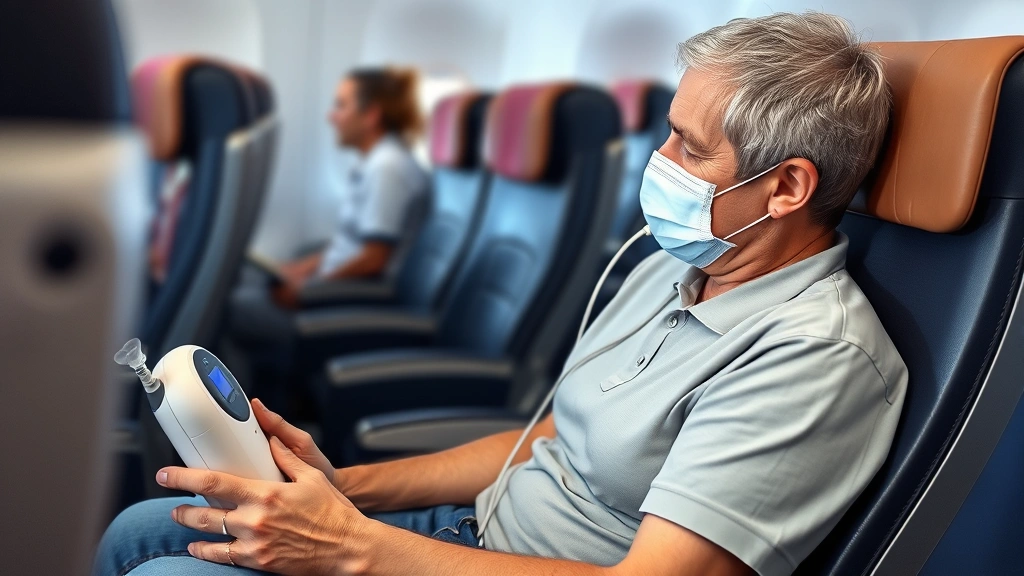
Doctor’s Note for Air Travel Oxygen: Local Guide
Traveling by air with supplemental oxygen requires careful planning and proper medical documentation. If you rely on oxygen therapy, obtaining a doctor’s note for airline oxygen is essential to ensure a smooth, compliant travel experience. Airlines have strict regulations regarding in-flight oxygen use, and your healthcare provider’s authorization serves as proof that your medical condition necessitates continuous oxygen support during flight.
This guide walks you through everything you need to know about securing medical clearance for oxygen during air travel, understanding airline policies, and preparing the necessary documentation. Whether you’re traveling domestically or internationally, having the right paperwork protects your health and prevents travel delays.
Many travelers with respiratory conditions feel anxious about flying, but with proper preparation and a comprehensive doctor’s note, you can travel confidently. Understanding the requirements now saves time at the airport and ensures your oxygen needs are met throughout your journey.
Why You Need a Doctor’s Note for Airline Oxygen
A doctor’s note confirming oxygen necessity serves multiple critical purposes when flying. First, it provides airlines with medical justification for allowing supplemental oxygen aboard the aircraft. The Federal Aviation Administration (FAA) permits passengers to use oxygen during flight only with proper physician authorization and airline approval.
Your doctor’s note establishes several key facts: that you have a diagnosed medical condition requiring supplemental oxygen, your prescribed oxygen flow rate, and that flying poses no undue medical risk with appropriate oxygen support. This documentation protects both you and the airline by ensuring everyone understands your medical needs and the safety protocols in place.
Beyond regulatory compliance, a comprehensive note prevents airport delays. Without proper documentation, you may face questioning at security checkpoints, gate delays while airlines verify your medical necessity, or potential denial of your oxygen equipment. Having a disability verification letter from telehealth providers can expedite this process if you don’t have a local physician readily available.
The note also serves as a communication tool between your healthcare provider, the airline, and ground personnel. It ensures consistent understanding of your oxygen requirements across all parties involved in your travel.
Understanding Airline Oxygen Policies
Each airline maintains specific policies regarding passenger oxygen use, and these policies vary significantly. Major carriers including United, American, Delta, and Southwest all require advance notice and medical documentation before allowing oxygen aboard. Typically, airlines require notification at least 48 hours before your flight, though some recommend even earlier notice.
Most airlines permit passengers to bring their own portable oxygen concentrators (POCs) if they meet specific criteria: they must be FAA-approved models, battery-powered, and in good working condition. However, passengers cannot use continuous-flow oxygen tanks during flight—only battery-powered devices are permitted in the cabin. Liquid oxygen and compressed gas cylinders are strictly prohibited.
Airlines require that your oxygen equipment be compatible with their systems and that you have sufficient battery power for your flight duration plus a safety margin. Your doctor’s note should specify which type of oxygen equipment you use, making it easier for airlines to assess compatibility.
International flights often have additional requirements. Some countries have stricter regulations, and you may need specialized documentation for flights departing the United States. Contacting your airline’s medical clearance office at least two weeks before international travel ensures you understand all requirements.
Understanding these policies prevents last-minute complications. Visit your airline’s website or call their medical clearance department to confirm current oxygen policies before requesting your doctor’s note. This way, your physician can address specific airline requirements in the documentation.
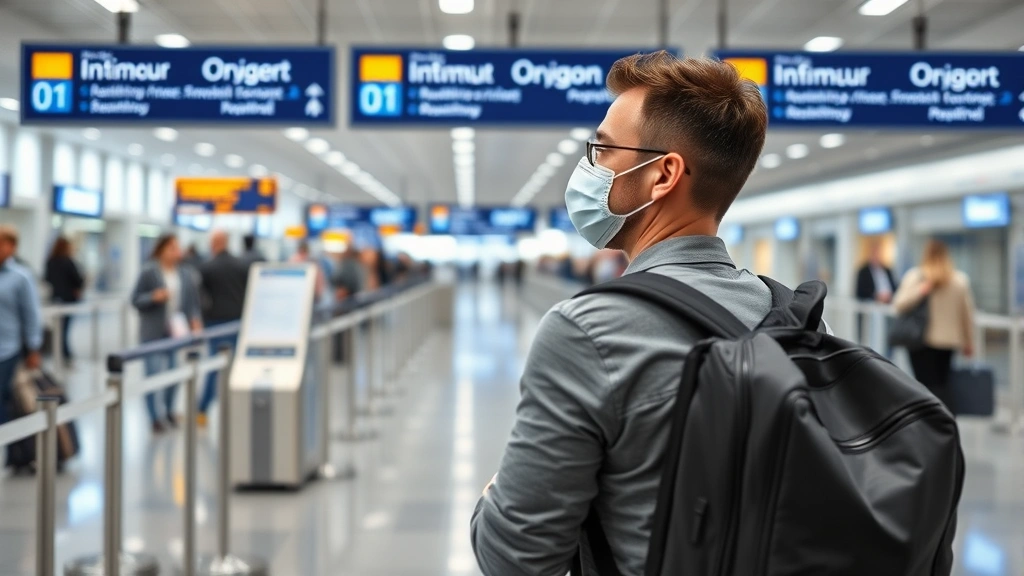
” alt=”Passenger receiving oxygen support during flight with medical equipment”>
What Your Doctor’s Note Must Include
A comprehensive doctor’s note for airline oxygen should contain specific medical information that airlines and TSA require. The documentation must be on official letterhead from your healthcare provider, include their contact information, license number, and signature, and be dated within six months of your travel date.
Essential elements your note must address:
- Medical Diagnosis: Clear statement of your respiratory or cardiac condition requiring supplemental oxygen
- Oxygen Prescription Details: Specific flow rate (liters per minute), continuous versus intermittent use, and duration needed daily
- Equipment Type: Specific oxygen equipment you use—portable concentrator model number, liquid oxygen, or compressed cylinder
- Functional Limitations: Description of how your condition affects activity and why oxygen is medically necessary for air travel
- Flight Safety Clearance: Physician’s statement that flying with supplemental oxygen poses no undue medical risk
- Airline-Specific Certifications: Any additional requirements specific to your chosen airline
- Battery Duration: For portable concentrators, confirmation that batteries will last throughout your flight
Your doctor should also note any additional medical equipment you’re bringing (wheelchairs, CPAP devices, mobility aids) so airlines can coordinate comprehensive accommodations. If you have multiple conditions requiring accommodation, a functional limitation verification letter may provide more detailed information about your specific needs.
Some airlines provide specific forms they want completed by your physician. Request these forms from the airline’s medical clearance office and provide them to your doctor along with a blank note template. This ensures your documentation meets the airline’s exact requirements.
How to Request Documentation from Your Healthcare Provider
Requesting your doctor’s note requires planning and clear communication. Schedule an appointment specifically for this purpose rather than requesting the note during a routine visit. This gives your physician adequate time to review your medical records and prepare comprehensive documentation.
When scheduling, mention that you need a medical clearance letter for air travel involving supplemental oxygen. This alerts your provider to the specific documentation requirements. Provide your doctor with your flight dates, airline name, and destination, as some international locations have unique requirements.
Bring a list of specific information to your appointment: your exact oxygen prescription (flow rate and usage pattern), the portable concentrator model number if applicable, your flight duration, and any other medical equipment you’ll travel with. This information helps your physician provide accurate, detailed documentation.
If you don’t have a local primary care physician or cannot schedule an appointment in time, telemedicine platforms offering doctor-signed documentation provide convenient alternatives. Many telehealth providers specialize in travel medical clearance letters and understand airline requirements.
Allow at least two weeks for your doctor to prepare and deliver the documentation. Some providers charge a documentation fee ($50-$200 range), which you should confirm before your appointment. Request two or three printed copies—keep one for your records, provide one to the airline, and carry one in your travel documents.
TSA and FAA Regulations for In-Flight Oxygen
The Transportation Security Administration (TSA) and Federal Aviation Administration (FAA) maintain specific regulations governing oxygen during air travel. Understanding these regulations prevents confusion at security checkpoints and ensures your equipment meets federal standards.
The FAA permits only battery-powered portable oxygen concentrators in aircraft cabins. These devices must be on the FAA’s approved portable oxygen concentrator list. Compressed gas cylinders and liquid oxygen are absolutely prohibited in cabin areas—these can only be transported in cargo holds with proper hazmat documentation, and many airlines prohibit them entirely.
TSA permits oxygen concentrators through security checkpoints with your doctor’s authorization letter. Inform security officers that you’re traveling with medical oxygen equipment. They may conduct additional screening, but the equipment is permitted. Never attempt to hide or misrepresent oxygen equipment—transparency with security personnel ensures smooth passage.
Your portable concentrator must have adequate battery power for your entire flight plus a two-hour safety margin. Airlines require verification that your device batteries can sustain your prescribed oxygen flow rate for this duration. If your flight exceeds your battery capacity, you’ll need additional batteries or alternative arrangements.
The FAA also requires that your oxygen equipment not interfere with aircraft systems or pose fire hazards. Your equipment must be in good working condition, properly maintained, and free from damage. Airlines may refuse equipment that appears damaged or unsafe.
For additional regulatory information, consult the FAA’s passenger health and safety resources and contact your airline’s medical clearance department directly. They provide detailed guidance on their specific oxygen policies and documentation requirements.
Preparing for Your Flight with Oxygen
Once you have your doctor’s note and airline approval, comprehensive preparation ensures a smooth travel experience. Begin by notifying your airline at least 48 hours before departure—many airlines request 72 hours or more advance notice. Provide your confirmation number, flight details, and reference your medical clearance documentation.
Charge all portable concentrator batteries fully before arriving at the airport. Arrive early—at least three hours for domestic flights, four hours for international—to allow extra time for security screening and medical equipment verification. Pack oxygen equipment in your carry-on bag, never checked luggage, ensuring you have access throughout your flight.
Bring printed copies of your doctor’s note, airline approval confirmation, and your oxygen prescription. Keep these documents easily accessible during security screening and boarding. Many travelers find it helpful to create a travel folder containing all medical documentation, insurance information, and emergency contact numbers.
Pack extra batteries or backup power supplies. Even if your batteries should last the entire flight, unexpected delays require additional power. Many airports have charging stations where you can recharge between flights on connecting journeys.
Inform flight attendants when you board that you’re traveling with medical oxygen. Show them your documentation and explain your equipment. Attendants appreciate advance notice and can better assist you if needed during flight. They can also direct you to your seat location relative to emergency exits if required.
Common Challenges and Solutions
Many oxygen-dependent travelers encounter predictable challenges during air travel. Addressing these proactively prevents stressful situations at the airport.
Challenge: Airline Denial of Equipment
Some airlines initially deny portable oxygen concentrators if they believe the equipment doesn’t meet standards. Solution: Provide your doctor’s note clearly stating your equipment model and FAA approval status. If the airline continues refusing, ask to speak with their medical clearance department. Having a licensed doctor’s confirmation letter strengthens your position.
Challenge: Battery Power Concerns
Insufficient battery power for flight duration creates anxiety. Solution: Your doctor’s note should specify battery duration. Purchase additional batteries from your equipment manufacturer before travel. Contact your airline about charging options during layovers.
Challenge: International Travel Restrictions
Different countries have varying regulations for medical equipment. Solution: Contact your destination country’s aviation authority and your airline’s international medical clearance office. Some countries require additional permits or certifications beyond your U.S. doctor’s note.
Challenge: Equipment Malfunction During Travel
Portable concentrators occasionally malfunction. Solution: Know your equipment troubleshooting procedures before traveling. Carry your equipment’s user manual. Research oxygen suppliers in your destination city in case you need emergency equipment replacement.
Challenge: TSA Misunderstanding of Medical Equipment
Security personnel unfamiliar with oxygen equipment may subject you to extensive screening. Solution: Remain patient and cooperative. Show your doctor’s note proactively. TSA agents receive training on medical equipment, but not all agents encounter oxygen equipment regularly. Clear communication prevents misunderstandings.
Challenge: Connecting Flight Complications
Tight connections with oxygen equipment create stress. Solution: Book flights with adequate layover time. Notify your airline of connections when making reservations. Request wheelchair assistance if walking between gates while using oxygen is difficult.
FAQ
How far in advance should I request my doctor’s note for airline oxygen?
Request your note at least three to four weeks before travel. This allows your doctor adequate time to prepare documentation and gives you time to submit it to your airline, which typically requires 48-72 hours advance notice before your flight.
Can I use my home oxygen setup on an airplane?
No. Only battery-powered portable oxygen concentrators are permitted in aircraft cabins. Compressed gas cylinders and liquid oxygen systems are prohibited. If you use home oxygen, you’ll need to arrange a portable concentrator for your flight.
What if my doctor refuses to write the note?
If your current physician won’t provide documentation, consult another healthcare provider or use a telehealth service specializing in travel medical documentation. Any licensed physician who evaluates your medical condition can provide appropriate documentation.
Do I need separate documentation for connecting flights?
One comprehensive doctor’s note covers all flights on your itinerary. However, if your trip spans several months, your note may expire. Ensure your documentation is dated within six months of your final flight.
Can I bring backup oxygen equipment as checked baggage?
Spare batteries for portable concentrators are permitted in carry-on baggage only. Checked baggage is not allowed due to fire hazard concerns. Never pack oxygen equipment in checked luggage.
What happens if the airline approves my oxygen after I’ve booked?
Airlines typically approve oxygen requests within 24-48 hours of receiving your doctor’s note. Approval is documented in your reservation. You’ll receive confirmation via email or phone, which you should print and carry with your medical documentation.
Are there specific portable concentrator models airlines prefer?
Airlines accept any FAA-approved portable oxygen concentrator. Popular models include Inogen, Respironics, and ResMed brands. Your doctor’s note should specify your equipment model, and you can verify FAA approval status on the official FAA list before purchasing or traveling.
What if I need oxygen for a medical appointment at my destination?
Arrange oxygen delivery to your destination in advance. Contact oxygen suppliers in your destination city weeks before travel. Your doctor can provide recommendations, or you can research suppliers online. Many hotels can assist with oxygen arrangements for guests.