Telehealth Doctor Letters for Housing Accommodation: Your Complete Guide
Finding suitable housing is challenging for anyone, but for individuals with disabilities, medical conditions, or mental health concerns, the process becomes significantly more complex. A telehealth doctor letter for housing accommodation serves as critical documentation that bridges the gap between your medical needs and your landlord’s legal obligations. Whether you require accessible modifications, allergen-free environments, ground floor units, or other reasonable accommodations, a properly drafted letter from a qualified healthcare provider can make the difference between safe housing and prolonged suffering.
The shift toward telehealth has democratized access to medical documentation. You no longer need to schedule in-person appointments with local physicians who may lack expertise in accommodation letters. Instead, licensed doctors via telehealth platforms can evaluate your condition, understand your housing needs, and provide legally compliant documentation—all from your home. This guide explores how telehealth doctor letters work, what makes them valid under fair housing law, and how to secure one that actually gets results.
Understanding the intersection of telehealth medicine, fair housing law, and disability rights is essential. Many people struggle with housing because they lack proper medical documentation. Others have letters that are legally weak or fail to convince landlords. We’ll address both scenarios and empower you with knowledge to advocate effectively for safe, accessible housing.
What Is a Housing Accommodation Letter?
A housing accommodation letter is formal medical documentation from a licensed healthcare provider confirming that you have a disability or medical condition and require specific modifications or accommodations to your living environment. This letter serves as your legal foundation under the Fair Housing Act and enables landlords to understand their obligations.
Unlike casual medical notes, a proper housing accommodation letter includes specific elements: your diagnosis (or functional limitations if you prefer privacy), how your condition affects your ability to access or enjoy housing, what specific accommodations you need, and why those accommodations are medically necessary. The letter essentially translates your medical reality into housing terms.
Common accommodations documented in these letters include:
- Ground floor units (for mobility limitations)
- Accessible parking spaces near your unit
- Modification of no-pet policies for service animals or ESAs
- Allergen-free units or chemical-free environments
- Soundproofing or quiet environments (for anxiety, PTSD, autism)
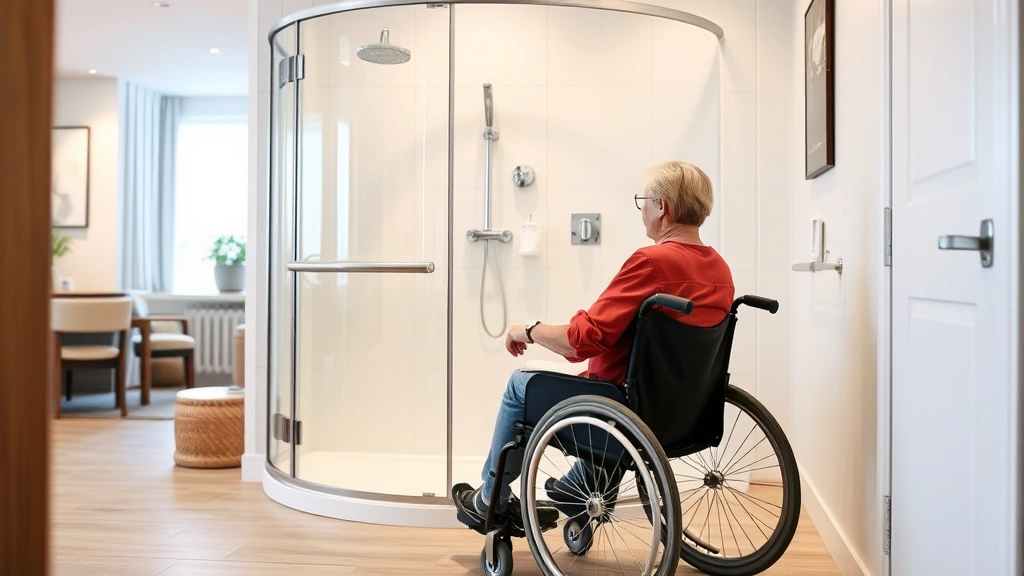
- Accessible bathrooms with grab bars and roll-in showers
- Proximity to elevators or reduced stair access
- Accessible kitchen modifications
- Emotional support animal housing exceptions
Why Telehealth for Housing Accommodation Letters
Telehealth has revolutionized access to medical documentation. Rather than waiting weeks for appointments with local physicians who may lack experience with accommodation letters, you can connect with qualified doctors via video consultation within days. This approach offers several distinct advantages.
Speed and convenience are obvious benefits. You schedule a call at your convenience, discuss your medical needs from home, and receive documentation quickly. For people with mobility limitations, chronic fatigue, or transportation barriers, this eliminates a significant obstacle.
Expertise matters. Telehealth platforms specializing in disability documentation connect you with providers experienced in fair housing law and accommodation letters. Local doctors may be unfamiliar with what makes a legally defensible accommodation letter, potentially creating weak documentation that landlords challenge.
Cost-effectiveness is another advantage. Telehealth consultations typically cost less than in-person appointments, and you avoid travel expenses or time off work. Many telehealth providers offer transparent pricing without hidden fees.
Continuity and follow-up are easier with telehealth. If your landlord requests clarification or additional information, you can schedule a quick follow-up call rather than arranging another in-person visit. This responsiveness strengthens your position in housing disputes.
Legal compliance is built into reputable telehealth platforms. Providers understand HUD fair housing guidelines and ADA requirements, ensuring your letter meets legal standards. This reduces the risk of landlords dismissing your documentation as insufficient.
Legal Requirements and Fair Housing Law
Your telehealth doctor’s letter carries legal weight because it’s grounded in federal law. The Fair Housing Act prohibits discrimination based on disability and requires landlords to make reasonable accommodations in housing. Understanding these legal foundations empowers you to advocate effectively.
The Fair Housing Act defines disability broadly to include physical or mental impairments that substantially limit major life activities. This encompasses visible disabilities like mobility impairments, as well as invisible conditions like anxiety disorders, PTSD, autism, chronic pain, and autoimmune diseases. Your condition doesn’t need to be severe by medical standards—only that it substantially limits a major life activity.
A reasonable accommodation under fair housing law is a modification to rules, policies, practices, or services that enables someone with a disability to fully enjoy housing. The key word is “reasonable”—accommodations must be necessary for equal access, not merely convenient. This is why your letter must clearly connect your medical condition to your specific housing needs.
Your doctor’s letter should demonstrate:
- Nexus between condition and accommodation: How does your specific condition create a need for this specific accommodation?
- Medical necessity: Is the accommodation medically necessary, not merely preferred?
- Provider qualifications: Is the writer licensed to diagnose and treat your condition?
- Reliability of information: Does the provider have sufficient knowledge of your medical history?
Telehealth providers must be licensed physicians, psychiatrists, psychologists, or other qualified mental health professionals in your state. A letter from an unlicensed provider or someone outside their scope of practice is legally weak and easily challenged.
What Makes a Telehealth Letter Valid
Not all doctor letters are created equal. Landlords and their attorneys scrutinize accommodation letters, looking for weaknesses they can use to deny your request. A valid telehealth housing letter includes specific elements that withstand legal scrutiny.
Provider credentials must be clear. The letter should include the doctor’s full name, license number, state of licensure, contact information, and the date of your consultation. A vague letter from “Dr. Smith” without verifiable credentials is easily dismissed. Reputable telehealth platforms provide this information automatically.
Established patient relationship matters legally. Some courts have questioned whether a single telehealth consultation creates sufficient doctor-patient relationship to justify an accommodation letter. Best practice is working with a telehealth provider who conducts a thorough evaluation, reviews your medical history, and documents the consultation date. Avoid services offering instant letters without real consultation.
Specific functional limitations are crucial. Rather than vague language like “patient has anxiety,” effective letters describe functional impact: “Patient experiences panic attacks when exposed to certain environmental triggers, limiting ability to access common areas, use elevators, or tolerate noise above 70 decibels.” This specificity connects disability to accommodation.
Clear nexus to accommodation is essential. Your letter must explain why your specific accommodation addresses your specific limitation. For example: “Due to patient’s mobility impairment and inability to climb stairs, ground floor unit is medically necessary for safe access to housing.” Weak letters skip this connection, leaving landlords unconvinced.
Medical necessity language strengthens your position. Letters stating the accommodation is “medically necessary” or “medically indicated” carry more weight than those saying it would be “helpful” or “beneficial.” Your provider should understand this distinction and use appropriately strong language.
Professional formatting matters. Letters on official letterhead, properly dated and signed, appear more credible than informal notes. Telehealth platforms provide professional templates, ensuring your documentation looks legitimate.
Confidentiality boundaries are appropriate. Your letter doesn’t need to reveal your diagnosis if you prefer privacy. Many effective letters describe functional limitations without naming specific conditions. A good telehealth provider respects your privacy while providing legally sufficient documentation.
Learn more about what makes disability documentation valid and why attention to detail matters.

Medical Conditions Supported by Housing Accommodation Letters
Housing accommodation letters support a wide range of medical and mental health conditions. Fair housing law protects people with disabilities broadly defined, and telehealth providers can document many conditions effectively.
Mobility impairments are among the most straightforward to document. Conditions like arthritis, spinal cord injury, cerebral palsy, and multiple sclerosis create clear functional limitations requiring ground floor units, accessible parking, or modified bathrooms. Telehealth providers can evaluate mobility limitations through video consultation, asking about your ability to climb stairs, walk distances, and use standard fixtures.
Chronic pain conditions including fibromyalgia, complex regional pain syndrome, and chronic fatigue syndrome often require environmental modifications. Quiet environments, proximity to amenities, or ground floor units reduce pain triggers. Telehealth consultations can thoroughly explore how environmental factors affect your symptoms.
Mental health conditions are equally valid bases for housing accommodations. PTSD, anxiety disorders, panic disorder, agoraphobia, and depression frequently require specific accommodations. A patient with PTSD triggered by noise might need a quiet environment or top-floor unit away from common areas. Telehealth psychiatrists and psychologists excel at documenting these connections.
Autism spectrum disorder often requires sensory-friendly environments. Individuals may need units away from elevators, hallways, or high-traffic areas to avoid sensory overload. Ground floor units reduce elevator exposure. Telehealth providers experienced with autism can effectively document these sensory needs.
Respiratory and immunological conditions justify allergen-free or chemically sensitive housing. People with severe asthma, COPD, mold allergies, or chemical sensitivities need units isolated from common triggers. Telehealth providers can document how environmental exposures affect respiratory function.
Neurological conditions like migraine disorder, epilepsy, or Parkinson’s disease may require specific accommodations. Quiet environments, reduced stress, or proximity to medical facilities might be necessary. Telehealth neurologists can evaluate these needs.
Emotional support animals require documentation that your animal provides therapeutic benefit for a disability-related condition. If you need an ESA exception to no-pet policies, a proper telehealth letter explains the disability, the therapeutic relationship, and why the animal is necessary. Explore emotional support animal letters via telehealth for specific guidance.
The key is demonstrating that your condition substantially limits major life activities and that your requested accommodation addresses that limitation. Telehealth providers work with you to establish this connection clearly.
How to Obtain a Telehealth Housing Accommodation Letter
Obtaining a telehealth housing accommodation letter involves several steps. Understanding the process helps you prepare effectively and ensures you receive strong documentation.
Step 1: Choose a reputable telehealth provider. Not all telehealth platforms are created equal. Select providers specializing in disability documentation and housing accommodations, not general medicine telehealth. Look for platforms that employ licensed providers, maintain patient confidentiality, and understand fair housing law. Read reviews and verify provider credentials before committing.
Step 2: Complete intake documentation. Most providers require detailed health history forms. Be thorough and honest about your medical conditions, medications, previous diagnoses, and functional limitations. This information helps your provider understand your situation and write a credible letter. Don’t minimize symptoms or hide relevant history—transparency strengthens your documentation.
Step 3: Schedule your telehealth consultation. Many providers offer appointments within days. Choose a time when you’re rested and can speak clearly about your condition. Prepare notes about your specific housing needs and how your condition affects daily living. Having organized thoughts helps the consultation feel productive.
Step 4: Have a thorough consultation. During your video appointment, discuss your medical condition, functional limitations, and specific housing needs. A qualified provider asks detailed questions about how your condition affects major life activities and why particular accommodations are necessary. This conversation becomes the foundation of your letter. Don’t rush—allocate 30-60 minutes for a comprehensive evaluation.
Step 5: Specify your accommodation needs. Clearly communicate what accommodation you’re requesting. Rather than vague requests, be specific: “ground floor unit in buildings with elevators” or “unit at least 50 feet from common areas to minimize noise exposure.” Your provider uses this information to write a letter with clear medical necessity language.
Step 6: Review and receive your letter. Most providers deliver letters electronically within 1-3 business days. Review carefully to ensure accuracy. If information is missing or unclear, request revisions. Don’t accept a letter that doesn’t adequately explain your accommodation needs.
Step 7: Get official documentation. Ensure you receive the letter on official letterhead with provider credentials, license number, and contact information. Keep digital and printed copies. Some providers offer notarized versions, which add extra credibility when landlords challenge your request.
For specific guidance on housing accommodation letters, see our detailed resource on housing accommodation letters via telehealth.
Presenting Your Letter to Your Landlord
Having a strong letter is only half the battle. How you present it to your landlord significantly impacts whether your accommodation request is approved. Strategic presentation increases your chances of success.
Timing matters. Present your letter as early as possible in your housing search or tenancy. If you’re applying for housing, include the letter with your application. If you’re already a tenant requesting modifications, submit the letter promptly when you identify the need. Delayed requests raise landlord suspicion and suggest the accommodation isn’t truly necessary.
Professional presentation influences perception. Submit your letter in a professional package including a cover letter explaining your request, the doctor’s letter, and relevant documentation (lease, photos of current unit limitations, etc.). Use a folder or binder rather than loose pages. First impressions matter—a well-organized submission suggests a serious, legitimate request.
Know your rights. Before presenting, understand fair housing law. Under the Fair Housing Act, landlords must provide reasonable accommodations unless doing so causes undue financial or administrative burden. Familiarize yourself with EEOC resources on disability rights and local fair housing ordinances. This knowledge helps you recognize if a landlord’s refusal is illegal.
Clear communication is essential. Write a professional letter accompanying your medical documentation. Explain your accommodation request, reference your doctor’s letter, and state that you’re seeking a reasonable accommodation under fair housing law. Use respectful but confident language—you’re not asking for a favor, you’re requesting your legal right.
Documentation of communication protects you. Send your request via email or certified mail, creating a record of when you submitted it and what you requested. Keep copies of everything. If the landlord denies your request without legitimate reason, this documentation becomes evidence of discrimination.
Follow-up appropriately. If you don’t receive a response within a reasonable timeframe (typically 5-10 business days), follow up in writing. Ask for a specific response date. If the landlord continues to ignore your request or denies it without valid reason, you may need to file a fair housing complaint.
Escalation options exist if your landlord refuses. Contact your local fair housing agency, file a complaint with HUD, or consult a disability rights attorney. Many provide free initial consultations. Organizations like JAN (Job Accommodation Network) and Disability Rights organizations offer resources and advocacy support.
Reasonable vs. unreasonable requests matter. Landlords must provide reasonable accommodations, but not every request qualifies. Requesting a luxury unit or free rent isn’t reasonable. Requesting a ground floor unit because you use a wheelchair is reasonable. Your letter should make this distinction clear by connecting your specific condition to your specific need.
FAQ
Is a telehealth doctor letter legally valid for housing accommodations?
Yes, when obtained from a licensed provider through a reputable platform. The Fair Housing Act doesn’t specify whether medical evaluations must be in-person. What matters is that a qualified healthcare provider has sufficient knowledge of your condition and functional limitations. A thorough telehealth consultation establishes this relationship as effectively as in-person visits. Ensure your provider is state-licensed and documents the consultation professionally.
How much does a telehealth housing accommodation letter cost?
Costs typically range from $150-$500 depending on the provider and complexity of your situation. Some insurance plans cover disability documentation, though many don’t. Reputable providers offer transparent pricing upfront without hidden fees. Compare several platforms to find affordable options. Consider it an investment in housing security—it’s often worth the cost.
How long does it take to get a telehealth housing letter?
Most providers deliver letters within 1-3 business days of your consultation. Some offer expedited options for additional fees. Planning ahead prevents rushing, which can weaken your documentation. If you’re searching for housing, start the process as soon as you identify accommodation needs.
Can landlords verify my doctor’s credentials?
Yes, landlords can contact your provider to verify their license and credentials. Reputable telehealth platforms use licensed providers with verifiable credentials, making verification straightforward. This transparency actually strengthens your position—it demonstrates your documentation is legitimate. Avoid any platform that obscures provider information.
What if my landlord says the letter isn’t sufficient?
Landlords sometimes claim letters are inadequate to delay or deny accommodation requests. If your letter includes provider credentials, describes your functional limitations, and explains the medical necessity of your accommodation, it likely meets legal standards. If a landlord claims insufficiency, ask specifically what information is missing. You may request clarification from your provider or consult a disability rights attorney about whether the landlord’s objection is legitimate.
Can I get a housing accommodation letter for an emotional support animal?
Yes, telehealth providers can document emotional support animals through proper disability assessment. The letter must establish that you have a disability-related condition and that your animal provides therapeutic benefit. This differs from service animal documentation. Learn more about emotional support animal letters through telehealth.
What if I have a disability I prefer not to disclose?
Your letter can describe functional limitations without naming your diagnosis. For example, instead of “anxiety disorder,” your letter might say “patient experiences panic attacks and agoraphobia, requiring quiet environments and limited social interaction in common areas.” This protects your privacy while providing sufficient information for your landlord to understand your accommodation needs. Discuss privacy preferences with your telehealth provider.
Are there situations where landlords can deny reasonable accommodations?
Yes, but only in limited circumstances. Landlords can deny accommodations if granting them would cause undue financial or administrative burden, fundamentally alter their operations, or create direct threat to health or safety. For most housing accommodations like ground floor units or accessible parking, these exceptions rarely apply. If a landlord claims undue burden, ask for specific evidence. Consult a disability rights attorney if the refusal seems discriminatory.
What’s the difference between a housing accommodation letter and an ESA letter?
A housing accommodation letter documents your disability and explains why specific housing modifications are necessary. An ESA letter documents your disability and explains why your animal provides therapeutic benefit. While related, they serve different purposes. You might need both if you have a disability requiring accommodations and an emotional support animal. Many telehealth providers offer both services.
Can I use the same letter for multiple housing applications?
Generally yes, if the letter doesn’t reference a specific property or landlord. Most letters are written generically to apply to any housing situation. However, if a particular landlord requests modifications or clarifications, you may need a supplemental letter. Discuss with your provider whether your letter is suitable for multiple applications or if updates are needed.