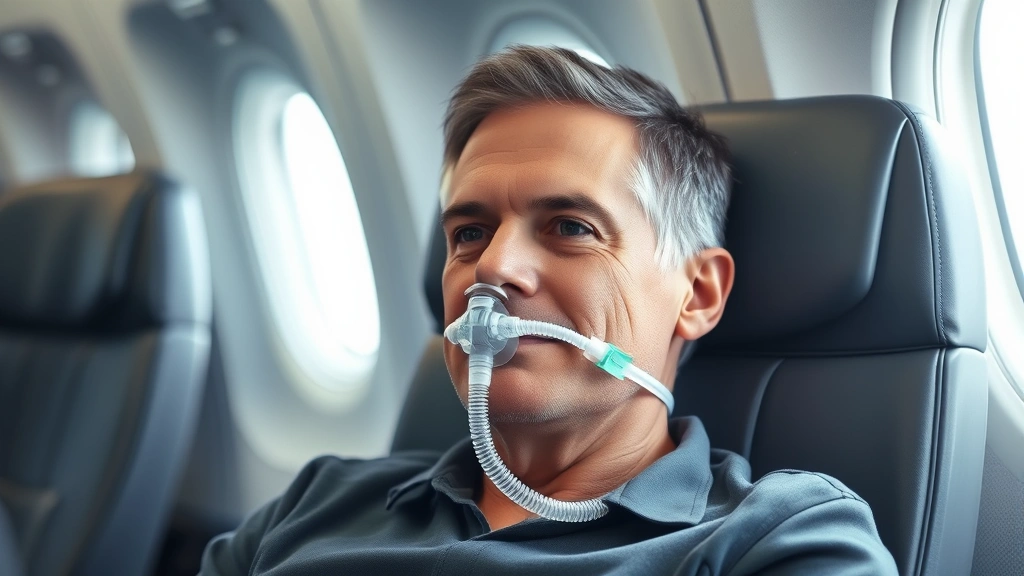
Same-Day Airline Oxygen Note: Doctor’s Advice
Traveling by air with a respiratory condition requiring supplemental oxygen presents unique medical and logistical challenges. Airlines have strict regulations governing the use of oxygen during flight, and passengers must provide proper medical documentation before boarding. A same-day airline oxygen note from your physician can be the difference between a smooth journey and a cancelled trip. Understanding how to obtain this documentation quickly and what airlines require will help you travel safely and confidently.
The Federal Aviation Administration (FAA) and individual airlines maintain detailed policies about in-flight oxygen use. Passengers cannot bring their own oxygen tanks aboard commercial flights—airlines provide their own equipment under controlled conditions. However, you must first notify the airline and provide medical certification proving your need for supplemental oxygen. This article explains the process of obtaining a same-day doctor’s note, what information must be included, and how to navigate airline oxygen policies effectively.
Whether you’re managing chronic obstructive pulmonary disease (COPD), pulmonary fibrosis, heart disease, or another condition affecting oxygen saturation, having proper documentation ensures you can fly safely. We’ll walk you through the requirements, the documentation process, and practical tips for traveling with oxygen needs.
FAA and Airline Oxygen Requirements
The FAA does not permit passengers to bring personal oxygen tanks or liquid oxygen containers aboard commercial aircraft. This blanket restriction exists for safety reasons—pressurized cabins, electrical systems, and confined spaces create fire and explosion risks with consumer oxygen equipment. Instead, airlines operate their own oxygen delivery systems maintained by certified technicians and integrated into aircraft safety protocols.
To use in-flight oxygen, you must meet specific medical criteria established by the FAA and your airline. Most airlines require that your resting oxygen saturation at sea level be below 92% or that you experience significant hypoxemia during air travel simulation testing. Some passengers with conditions like severe anemia, cardiac disease, or pulmonary hypertension may also qualify even with higher resting oxygen levels, depending on their physician’s assessment.
Airlines typically charge fees for in-flight oxygen service, ranging from $75 to $200 per flight segment, though some carriers waive fees for passengers meeting medical criteria. You must request oxygen service during the booking process or as soon as possible thereafter. The airline will then request medical documentation to approve your request before your flight date.
The FAA’s passenger medical information page provides detailed guidance on traveling with medical conditions. Individual airlines publish their own oxygen policies, which may be more restrictive than FAA minimums. Always verify your specific airline’s requirements before scheduling your flight.
What Your Doctor’s Note Must Include
A valid airline oxygen certification letter must contain specific medical information and follow a standardized format recognized by the FAA and airlines. Your physician should include the following elements to ensure the airline accepts your documentation without requesting additional information:
- Patient identifying information: Full legal name, date of birth, and confirmation that you are their patient
- Diagnosis: Specific medical condition(s) requiring supplemental oxygen
- Oxygen requirements: Flow rate in liters per minute (LPM) at sea level and at cruise altitude (typically 8,000 feet cabin pressure)
- Continuous vs. intermittent use: Whether you need oxygen continuously during the flight or only during specific phases (takeoff, landing, or cruise)
- Current oxygen saturation: Resting SpO2 percentage at sea level, ideally with recent pulse oximetry readings
- Exercise tolerance: Whether you need oxygen only at rest or also during physical activity
- Medical necessity statement: Physician’s professional opinion that air travel at cabin altitude creates medical risk without supplemental oxygen
- Physician credentials: Printed name, medical license number, specialty, and contact information
- Official letterhead: Documentation on the physician’s official practice letterhead
- Signature and date: Physician’s original signature and the date the note was written
The note should be written on official medical letterhead and signed by a licensed physician. Nurse practitioners or physician assistants may sign in some cases, but verify your airline’s acceptance policy first. The documentation must be dated within a specific timeframe—typically 30 to 60 days of your flight—so timing is critical for same-day requests.
Airlines may request additional testing results, such as arterial blood gas (ABG) measurements or formal hypoxia altitude simulation testing (HAST), if your resting oxygen levels are borderline. However, a comprehensive physician note often satisfies initial approval without additional testing.
Obtaining a Same-Day Airline Oxygen Note
When you need an airline oxygen note urgently, same-day turnaround is possible through several avenues. Your primary care physician, pulmonologist, or cardiologist may be able to issue documentation on the same day if you contact them during business hours with advance notice. Call your doctor’s office, explain that you need the letter for air travel approval, and ask if they can accommodate a same-day request. Many practices can generate a letter within hours if the clinical information is already documented in your medical record.
If your regular physician is unavailable, consider contacting an urgent care clinic or walk-in medical facility. Physicians at these locations can review your medical history, perform a brief assessment, and issue a letter if they confirm your oxygen need. Bring any recent medical records, test results, or previous oxygen prescriptions to expedite the process. Urgent care visits typically cost $100 to $300 and may yield documentation within one to two hours.
Telemedicine services specializing in travel medical documentation offer another option for same-day letters. Functional limitation verification letters and travel medical certifications can often be obtained through online consultations with licensed physicians. These services connect you with board-certified doctors who understand airline requirements and can issue appropriate documentation after a brief video consultation. The process typically takes 2 to 4 hours from consultation to document delivery.
When contacting any provider for a same-day note, have the following information ready: your full legal name, date of birth, specific airline name, flight date, your medical diagnosis, current oxygen prescription (if you have one), and recent oxygen saturation readings if available. This information allows the physician to complete the letter accurately without delays.
Be aware that requesting documentation very close to your flight date creates risk. Airlines may not receive and process your letter in time to approve oxygen service before boarding. Ideally, submit your oxygen request and medical documentation at least 48 hours before your flight, though some airlines require 24-hour advance notice at minimum.
Understanding Individual Airline Policies
Each major airline maintains distinct oxygen policies, approval processes, and associated fees. The following airlines typically permit in-flight oxygen but with varying requirements:
- United Airlines: Requires 48-hour advance notice and medical certification. Charges approximately $150 per flight segment. Accepts physician letters confirming oxygen need and recommended flow rate.
- American Airlines: Mandates advance oxygen requests with medical documentation. Fee is typically $150. Requires confirmation of oxygen saturation below 92% at sea level or physician statement of medical necessity.
- Delta Air Lines: Requests 48-hour notice minimum. Charges approximately $150 per segment. Requires detailed medical information including specific oxygen flow requirements.
- Southwest Airlines: Permits in-flight oxygen with advance notice. Medical certification required. Fees and specific requirements vary by individual case review.
- Alaska Airlines: Allows oxygen service with physician documentation. Advance notice essential. Fees and approval timeline vary.
International carriers may have additional restrictions or different documentation requirements. If you’re flying internationally, contact the airline’s medical clearance desk directly and ask about their specific oxygen policies and required documentation format.
Some airlines waive oxygen fees for passengers with significant medical need or low income. Ask about fee waivers during your oxygen request—many carriers have programs to assist passengers with documented financial hardship or severe medical conditions.
Pre-Flight Steps and Advance Notice
Proper preparation weeks before your flight prevents last-minute documentation emergencies. Follow these steps to ensure smooth oxygen approval:
- Contact your airline immediately upon booking: Call the airline’s reservations or medical services department and inform them of your oxygen need. Ask for specific documentation requirements and submission deadlines.
- Schedule a physician appointment: Contact your doctor’s office and explain that you need oxygen certification for air travel. Request an appointment at least one week before your flight to allow time for documentation preparation and airline processing.
- Gather recent medical records: Collect recent oxygen saturation readings, pulmonary function test results, and any other relevant medical documentation. Bring these to your appointment to provide complete clinical context.
- Obtain your prescription: If you don’t have a current oxygen prescription, ask your physician to issue one. This documentation supports your airline oxygen request and may be useful at your destination.
- Submit documentation promptly: Once your physician issues the letter, submit it to the airline immediately. Follow up within 24 hours to confirm receipt and approval.
- Confirm oxygen approval: Call the airline 72 hours before your flight to verify that oxygen service has been approved and is reserved for your specific flight.
- Arrive early at the airport: Plan to arrive 3 hours before domestic flights and 4 hours before international flights. This allows extra time for medical equipment setup and any questions from airline personnel.
Maintain a copy of all medical documentation and airline approvals in your travel documents folder. Bring printed copies of your physician’s letter and airline oxygen approval confirmation to the airport.

What to Expect at the Airport
When you arrive at the airport for a flight where you’ve requested oxygen service, ground personnel will direct you to the medical services or special assistance desk. Arrive early enough to complete this process without rushing. Have your identification, airline confirmation of oxygen approval, and physician’s letter readily available.
Airport medical staff will verify your information, confirm your oxygen prescription details, and arrange for in-flight oxygen setup. They may conduct a brief assessment or ask questions about your oxygen needs. Be prepared to explain your symptoms, oxygen saturation at sea level, and how oxygen affects your ability to travel safely.
Oxygen equipment is set up at your seat before boarding or shortly after you board, depending on airline procedures. The flight crew will provide instructions on using the equipment, adjusting the flow rate, and troubleshooting any issues. In-flight oxygen typically uses a nasal cannula or face mask connected to the aircraft’s centralized oxygen system.
Inform the flight crew immediately if you experience any problems with the oxygen equipment, such as disconnection, inadequate flow, or discomfort. Crew members are trained to assist with medical equipment and can adjust settings or troubleshoot issues during flight.
Upon arrival at your destination, ask ground personnel how to safely disconnect from the aircraft oxygen system. If you need oxygen at your destination airport, contact your airline to arrange ground oxygen before deplaning.

FAQ
Can I bring my own oxygen tank on an airplane?
No. The FAA prohibits passengers from bringing personal oxygen tanks, liquid oxygen containers, or any consumer-owned oxygen equipment aboard commercial aircraft. Airlines provide their own oxygen systems maintained by certified technicians. You must request airline oxygen service in advance with medical documentation.
How much does in-flight oxygen cost?
Most major airlines charge $75 to $200 per flight segment for in-flight oxygen service. Some carriers offer fee waivers for passengers with severe medical conditions or documented financial hardship. Ask your airline about available assistance programs when requesting oxygen service.
How far in advance must I request in-flight oxygen?
Airlines typically require 24 to 48 hours advance notice for oxygen service. However, requesting oxygen when you book your flight—or at least one week before departure—allows adequate time for medical documentation review and approval. Same-day requests carry significant risk of denial due to processing delays.
Can a nurse practitioner or physician assistant provide the oxygen letter?
Some airlines accept letters from nurse practitioners or physician assistants, particularly if they work in a pulmonology or cardiology practice. However, verify your specific airline’s requirements before obtaining documentation from a non-physician provider. When possible, obtain the letter from your primary physician or specialist.
What if my doctor refuses to write an airline oxygen letter?
If your regular physician is unwilling to provide documentation, seek a second opinion from a pulmonologist, cardiologist, or other relevant specialist. If no physician believes oxygen is medically necessary, the airline will likely deny your request. In this case, you may consider postponing air travel until your condition stabilizes or seek consultation with a travel medicine specialist.
What happens if I fly without approved oxygen when I need it?
Flying without necessary supplemental oxygen creates serious health risks, including hypoxemia, cardiac events, and altitude-related complications. Additionally, airlines may refuse to allow you to board if they suspect undisclosed medical conditions. Always obtain proper medical documentation and airline approval before flying.
Can I use oxygen during ground transportation to and from the airport?
Yes. If you have an active oxygen prescription, you can use portable oxygen equipment during ground transportation, including in taxis, ride-share vehicles, or private vehicles. Portable oxygen concentrators are TSA-approved and can accompany you through security. However, you cannot use personal oxygen in airport terminals—only airline-provided oxygen is permitted in those areas.
What if I need oxygen but my airline denies my request?
If an airline denies your oxygen request despite medical documentation, you have several options: request a formal medical review by the airline’s chief medical officer, seek documentation from a different physician supporting your need, obtain formal hypoxia altitude simulation testing (HAST) results, or contact the airline’s disability services office to request reconsideration. You may also file a complaint with the Department of Transportation if you believe the airline violated accessibility requirements.
Will oxygen affect my other medications or medical devices?
Supplemental oxygen is generally safe to use alongside most medications and medical devices. However, inform the flight crew about any medications you’re taking and any implanted devices (pacemakers, defibrillators, etc.). Certain medications that increase fire risk should not be used near oxygen, but airline staff are trained to address these concerns.
Can I request oxygen for a connecting flight?
Yes. Oxygen service can be arranged for multiple flight segments in a single itinerary. When booking or requesting oxygen, specify all flight segments requiring supplemental oxygen. The airline will arrange oxygen setup on each leg of your journey. You may need to disconnect and reconnect during layovers.
Related Resources: Learn more about medical necessity letters for travel planning, and understand disability verification documentation for comprehensive travel accommodations. For passengers traveling with service animals, our guide on proving service animal need provides essential information.
Additional resources include the Department of Transportation’s Fly Rights guide, American Lung Association travel resources, and the Job Accommodation Network’s medical travel accommodations information.