Prove Service Animal Need: Expert Steps & Tips
Service animals are highly trained working dogs (and in rare cases, miniature horses) that perform specific tasks for people with disabilities. Unlike emotional support animals, service animals must be individually trained to mitigate their handler’s disability through task-specific work. Proving your service animal need requires comprehensive documentation, clear functional limitations, and legitimate handler-animal bonding evidence. Understanding the legal framework and preparation steps can help you navigate this process successfully.
Whether you’re seeking housing protection, workplace accommodation, or public access rights, demonstrating a genuine service animal need involves medical evidence, task documentation, and often professional verification. This guide walks you through expert-backed steps to build a compelling case with proper documentation and professional support.
Understanding Service Animal Legal Requirements
The Americans with Disabilities Act (ADA) defines service animals narrowly: dogs trained to perform specific disability-related tasks. ADA.gov outlines precise requirements that distinguish service animals from emotional support animals or pets. A service animal must have a direct nexus between the handler’s disability and the animal’s trained tasks.
Under ADA guidelines, service animals are allowed in public spaces where pets are typically prohibited—restaurants, stores, airplanes, and government buildings. However, this access hinges on proving both disability and task necessity. The burden falls on you to demonstrate that your service animal performs work or tasks directly related to your disability, not merely providing comfort or emotional support.
Key legal distinctions include: (1) the handler must have a documented disability under the ADA definition, (2) the animal must be individually trained for specific disability-related tasks, (3) the tasks must be directly tied to functional limitations, and (4) the animal must behave appropriately in public settings. Unlike ESAs, service animals don’t require special housing letters; they operate under public access protections instead.
Medical Documentation & Disability Verification
Your foundation for proving service animal need begins with a general disability confirmation letter from a licensed healthcare provider. This letter must establish that you have a diagnosed condition recognized under the ADA—such as mobility impairment, PTSD, diabetes, seizure disorder, or visual impairment. The documentation should include:
- Formal diagnosis with ICD-10 codes
- Duration and prognosis of the condition
- Specific functional limitations affecting daily life
- Provider’s professional credentials and licensure
- Dates of treatment and ongoing care
Medical records should demonstrate that your condition substantially limits one or more major life activities. This is the legal threshold for ADA disability status. Collect comprehensive medical documentation from treating physicians, specialists, and mental health providers as applicable. Records should span at least 12 months to show continuity of condition and treatment.
Request a functional limitation verification letter that explicitly connects your disability to specific limitations requiring accommodation. For example: “Due to severe PTSD and hypervigilance, the handler experiences panic attacks in crowded environments and requires a service animal trained to recognize anxiety signals and provide grounding techniques.” This specificity strengthens your case significantly.
Task Training & Functional Limitation Evidence
The cornerstone of service animal proof is documenting the specific, disability-related tasks your animal performs. Unlike ESAs that provide comfort through presence alone, service animals must perform trained work. Common service animal tasks include:
- Mobility assistance: Retrieving items, opening doors, providing balance support, pulling wheelchairs
- Alert tasks: Alerting to seizures, blood sugar changes, or migraine onset
- PTSD support: Room clearing, interrupting nightmares, grounding techniques, blocking during anxiety
- Visual guidance: Guiding handlers with visual impairments around obstacles
- Hearing alerts: Alerting to sounds like doorbells, alarms, or crying babies
Document each task with detailed descriptions of how the animal performs it and how it directly mitigates your functional limitation. Video evidence of your service animal performing trained tasks is powerful supporting material. Include timestamps, descriptions, and the specific disability-related benefit each task provides.
Training records from a credentialed trainer or organization strengthen your proof significantly. If your animal was professionally trained, obtain certification documents, training logs, and task completion records. Even owner-trained animals benefit from detailed logs showing progressive skill development, task mastery, and public access readiness.
Professional Verification Letters
A service animal verification letter from a healthcare provider carries substantial weight in proving your need. This letter should be distinct from a general disability letter—it must specifically address why you require a trained service animal rather than other accommodations.
The verification letter should include:
- Statement of your diagnosed disability and functional limitations
- Explanation of why standard accommodations are insufficient
- Detailed description of how the service animal mitigates specific limitations
- Confirmation that the animal is trained for disability-related tasks
- Assessment of the handler-animal bond and the animal’s public access suitability
- Provider’s professional qualifications and contact information
When seeking this letter, work with providers familiar with service animal assessment. Mental health professionals, physicians, and rehabilitation specialists understand the nexus between disability and service animal function. Avoid letters that simply state “the handler needs a service animal”—they must articulate the specific, functional relationship.
Keep original letters on file and provide copies only when necessary. Some housing authorities or employers may request direct provider contact for verification. Ensure your healthcare provider is willing to support your documentation claims if contacted.
Building Your Service Animal File
Create a comprehensive portfolio documenting your service animal need. This file should be organized, professional, and thorough—it’s your evidence in disputes with housing, employers, or public access situations.
Essential components include:
- Medical documentation: Disability confirmation letters, functional limitation assessments, provider contact information
- Training records: Certificates, trainer credentials, task completion logs, training photos/videos
- Behavioral records: Public access logs, incident reports (or lack thereof), handler testimonials
- Veterinary records: Health certificates, vaccinations, microchip registration, trainer recommendations
- Task evidence: Video demonstrations, written task descriptions, photographs of the animal performing work
- Handler-animal bond: Documentation of time together, bonding activities, mutual dependency indicators
Organize documents chronologically and by category. Include a cover letter summarizing your service animal’s role and your disability. Number pages and create an index. This professional presentation demonstrates seriousness and preparedness.
Consider obtaining a difference between ESA and service animal letter that clarifies why your animal is specifically a service animal rather than an ESA. This distinction is crucial because ESAs don’t have public access rights, and some people conflate the two categories.
Public Access & Housing Documentation
When proving service animal need in public access situations, understand that businesses may only ask two questions under ADA law: (1) Is this a service animal required because of a disability? (2) What work or task does the animal perform? You’re not required to provide medical records, diagnoses, or detailed disability information in public settings.
However, for housing accommodations under the Fair Housing Act, HUD.gov provides guidance on reasonable accommodations that includes service animals. Landlords may request reliable documentation of disability and the disability-related need for the animal. Your service animal verification letter serves this purpose in housing contexts.
For employment, EEOC guidance on workplace accommodations explains that employers may ask for medical certification of disability and functional need for the service animal. Provide your comprehensive documentation proactively to demonstrate good faith.
In air travel, the Department of Transportation permits service animals in aircraft cabins. Transportation.gov provides specific requirements for documenting service animal status. Have your verification letter and task documentation accessible during travel.
Document any denials of access or housing discrimination. Take notes including dates, locations, staff names, and specific language used. If you’re denied access inappropriately, your service animal documentation becomes evidence for civil rights complaints or litigation.

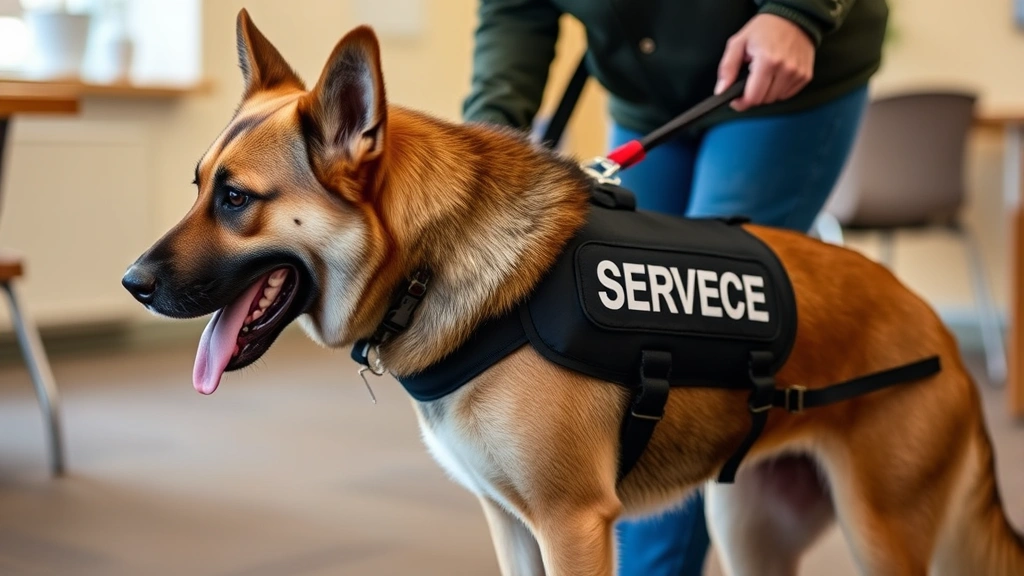
” alt=”Professional service dog wearing vest in public setting, alert and focused”/>
Red Flags & Documentation Pitfalls to Avoid
Strengthen your proof by avoiding common mistakes that undermine credibility. Don’t rely on online registries claiming to certify service animals—no legitimate federal registry exists. The ADA explicitly states that service animals are not required to wear vests, IDs, or have special documentation, but practical documentation like yours is valuable for proof purposes.
Avoid exaggerating your disability or the animal’s capabilities. Fraudulent service animal claims damage legitimate handlers’ credibility and result in legal consequences. Stick to truthful, specific descriptions of your functional limitations and the animal’s trained tasks.
Don’t use affordable ESA letter services when you need service animal documentation. ESA letters and service animal letters serve different purposes—ESAs provide housing protections, while service animals provide public access rights. Using the wrong letter type weakens your case.
Ensure all documentation is current. Healthcare providers’ letters should be dated within the past 12 months. Training records should show recent task maintenance and public access practice. Outdated documentation raises questions about whether your disability remains active and the animal remains trained.
Maintain consistent narratives across all documentation. Discrepancies between your medical records, provider letters, and task descriptions create credibility problems. Review all documents for consistency before submission.
Working With Healthcare Providers & Professionals
Establish clear communication with your healthcare provider about your service animal needs. Explain your disability, functional limitations, and the specific tasks your animal performs. Provide concrete examples of how the animal helps you function in daily life.
If your current provider is unfamiliar with service animals, consider consulting specialists who regularly work with service animal handlers—disability-focused psychiatrists, rehabilitation medicine physicians, or neurologists familiar with seizure alert dogs or PTSD service animals.
Be prepared to educate providers about the ADA distinction between service animals and emotional support animals. Provide them with ADA.gov resources explaining legal definitions and requirements. This ensures their letters reflect accurate legal standards.
Consider working with disability advocacy organizations. The Job Accommodation Network (JAN) provides guidance on workplace service animal documentation. Organizations focused on specific disabilities often have templates or recommendations for healthcare provider letters.
FAQ
What’s the difference between a service animal letter and an ESA letter?
Service animal letters document a trained dog performing specific disability-related tasks. ESA letters confirm emotional support animal status for housing accommodations. Service animals have public access rights; ESAs don’t. Service animal letters emphasize task training; ESA letters emphasize disability-related need for animal presence. Choose documentation matching your actual animal’s role and your specific accommodation need.
Do I need official certification or registration for my service animal?
No. The ADA doesn’t require service animals to be officially registered, certified, or wear special gear. However, maintaining your own documentation—medical letters, training records, task videos—strengthens your proof in disputes. Avoid paid “registration” services; they’re not legally recognized.
How detailed should task descriptions be in my documentation?
Very detailed. Instead of “helps with anxiety,” write: “Recognizes physiological anxiety indicators including elevated heart rate and shallow breathing, then performs deep pressure therapy by leaning against handler’s body for 2-3 minutes, effectively reducing anxiety to manageable levels within 5 minutes.” Specificity demonstrates genuine task training versus comfort provision.
Can I get a service animal letter online?
Yes, through legitimate telehealth providers who conduct thorough disability assessments. Avoid services offering instant letters without detailed evaluation. Reputable providers ask extensive questions about your disability, functional limitations, and the animal’s specific training before issuing documentation.
What if my healthcare provider refuses to write a service animal letter?
Ask why. If they’re unfamiliar with service animals, educate them using ADA resources. If they genuinely don’t believe you need a service animal, seek a second opinion from a provider specializing in your disability type. Document your request and their response—this matters if you later face access denials.
How long is a service animal verification letter valid?
Typically 12 months. Update your letter annually or when your disability or the animal’s tasks change significantly. Some organizations request current letters (within 6 months) for housing or employment accommodation requests. Keep renewal timelines in your calendar.