Doctor’s Note for Light Duty: Tenant Rights Guide
When a medical condition limits your ability to perform physically demanding tasks, a doctor’s note for light duty can be a critical document—not just for your employer, but also for your landlord and housing situation. If you’re struggling with mobility issues, chronic pain, or recovery from surgery while renting an apartment, understanding how a light duty note intersects with tenant rights is essential. This guide explains how medical documentation supports housing accommodations, what protections exist under housing law, and how to navigate conversations with your landlord about your needs.
A light duty restriction is a medical determination that you cannot safely perform certain physical activities. While this term is commonly associated with workplace accommodations, the same medical evidence can support requests for housing accommodations under the Fair Housing Act. Your doctor’s documentation of functional limitations may justify modifications to your lease, changes to your living space, or adjustments to lease obligations—all of which fall under tenant rights protections.

Understanding Light Duty Restrictions and Housing
Light duty is a medical classification indicating that a person should avoid strenuous physical activity, heavy lifting, prolonged standing, or repetitive motions. Common conditions resulting in light duty restrictions include:
- Post-surgical recovery (knee, shoulder, back surgery)
- Chronic pain disorders (fibromyalgia, chronic fatigue syndrome)
- Mobility impairments (arthritis, osteoporosis)
- Cardiovascular conditions (heart disease, hypertension)
- Musculoskeletal injuries (herniated discs, rotator cuff tears)
- Neurological conditions (multiple sclerosis, Parkinson’s disease)
In a rental context, light duty restrictions may affect your ability to maintain your apartment, comply with certain lease terms, or live safely without modifications. For example, if you have a light duty restriction preventing heavy lifting and stair climbing, living on the third floor of a building without an elevator becomes a genuine hardship. Similarly, if your condition prevents you from performing routine maintenance or yard work, you may need your lease modified to exclude such responsibilities.
The key distinction is that light duty is medically documented. This is not a preference or convenience—it’s a functional limitation verified by a healthcare provider. This medical foundation is what gives your housing accommodation request legal standing under federal fair housing law.

Fair Housing Act Protections for Medical Conditions
The Fair Housing Act (FHA), enforced by the U.S. Department of Housing and Urban Development (HUD), prohibits housing discrimination based on disability. Under the FHA, a disability includes any physical or mental impairment that substantially limits a major life activity. Light duty restrictions often qualify as disabilities under this definition because they limit activities such as working, walking, lifting, or self-care.
The FHA requires landlords to make reasonable accommodations in rules, policies, practices, or services when necessary to afford a person with a disability equal opportunity to use and enjoy a dwelling. This means your landlord must consider your medical documentation seriously and work with you to find solutions—even if the requested accommodation isn’t explicitly covered in your lease.
Reasonable accommodations under the FHA might include:
- Exempting you from lease clauses requiring yard maintenance or heavy cleaning
- Allowing a ground floor unit transfer to avoid stairs
- Permitting modifications to the unit (grab bars, ramp, accessible parking)
- Waiving fees for service animal or emotional support animal housing
- Adjusting lease enforcement timelines during medical recovery
The critical requirement is that your request be based on a disability-related need. This is where your doctor’s note becomes essential. Without medical documentation, your request is simply a preference. With it, your request becomes a legally protected accommodation demand.
What a Doctor’s Note Should Include
Not all doctor’s notes carry equal weight in housing accommodation requests. A strong, legally defensible light duty note for apartment accommodation should include:
- Doctor’s Credentials: Full name, medical license number, specialty, contact information, and clinic/hospital name. This allows your landlord to verify the provider’s legitimacy.
- Patient Identification: Your full legal name and date of birth. The note must clearly identify who it applies to.
- Date of Examination: When the doctor last evaluated you. Recent notes (within 30 days) carry more weight than old ones.
- Specific Diagnosis or Condition: The medical condition causing the light duty restriction. This doesn’t need to be overly detailed but should be specific enough to justify the restriction.
- Functional Limitations: Explicit statements about what you cannot do safely. Examples: “Patient cannot lift more than 10 pounds,” “Patient cannot climb stairs without assistance,” “Patient cannot perform strenuous activities for more than 2 hours per day.”
- Duration: How long the light duty restriction is expected to last. This helps your landlord understand if the accommodation is temporary or ongoing.
- Connection to Housing Need: Ideally, the note should explain how these functional limitations affect your ability to live safely or maintain your current apartment. For example: “Patient’s inability to climb stairs makes the third-floor unit unsafe and unsuitable.”
- Doctor’s Signature and Date: Original signature (not electronic) when possible, or authenticated electronic signature with credentials.
Learn more about medical letters for apartment accommodations that meet legal standards and carry weight with landlords.
Requesting Housing Accommodations Based on Medical Need
Once you have a solid doctor’s note documenting light duty restrictions, the next step is formally requesting accommodations from your landlord. This process is crucial because it creates a documented record of your request, which protects you legally.
Step 1: Put Your Request in Writing
Never rely on verbal requests. Send a formal written accommodation request via email or certified mail. Your letter should:
- Clearly state that you are requesting a reasonable accommodation under the Fair Housing Act
- Describe your disability-related functional limitations (referencing your doctor’s note)
- Specify the accommodation you need and why it’s necessary
- Attach a copy of your doctor’s note
- Provide a timeline if appropriate (e.g., “I need this accommodation immediately due to post-surgical recovery”)
Step 2: Provide Medical Documentation
Include your doctor’s note with your written request. The landlord is entitled to request reliable documentation but cannot demand your full medical records or diagnosis details beyond what’s necessary to evaluate the accommodation need. A properly formatted light duty note that addresses functional limitations is typically sufficient.
Step 3: Engage in Interactive Process
Fair housing law requires landlords and tenants to engage in an “interactive process” to find reasonable accommodations. Be prepared to discuss:
- Why your current apartment doesn’t meet your needs
- What specific changes would make it suitable
- Alternative accommodations if your first choice isn’t feasible
- Timeline for implementation
Your landlord may ask clarifying questions about your medical limitations. They can ask how your condition affects your ability to use your apartment, but they cannot ask for details unrelated to the accommodation need.
Common Apartment Accommodations for Light Duty Conditions
Depending on your specific functional limitations documented in your light duty note, common housing accommodations include:
Unit Transfer or Modification
If you live in a multi-story building and have restrictions on stair climbing, you can request transfer to a ground floor unit. This is one of the most common and easily granted accommodations. If transfer isn’t possible, your landlord may need to modify the current unit (install elevator access, ramp, or other adaptations).
Exemption from Maintenance Obligations
Many leases require tenants to maintain common areas, perform yard work, or handle minor repairs. If your light duty restriction prevents these activities, you can request exemption. Your landlord retains responsibility for maintenance, or you may hire help at the landlord’s expense if the lease previously placed that burden on you.
Accessible Parking
If your functional limitations affect mobility or pain levels during walking, you may request designated accessible parking close to your unit entrance. This reduces strain and supports independence.
Lease Term Modification
If you’re in recovery and your light duty restriction is temporary, you might request lease modifications allowing early termination without penalty once you recover. This provides security during a vulnerable period.
Pet or Service Animal Housing
Some light duty conditions benefit from emotional support animals or service animals. Your doctor’s note can support a request for pet waiver or animal housing allowance.
Accessibility Modifications
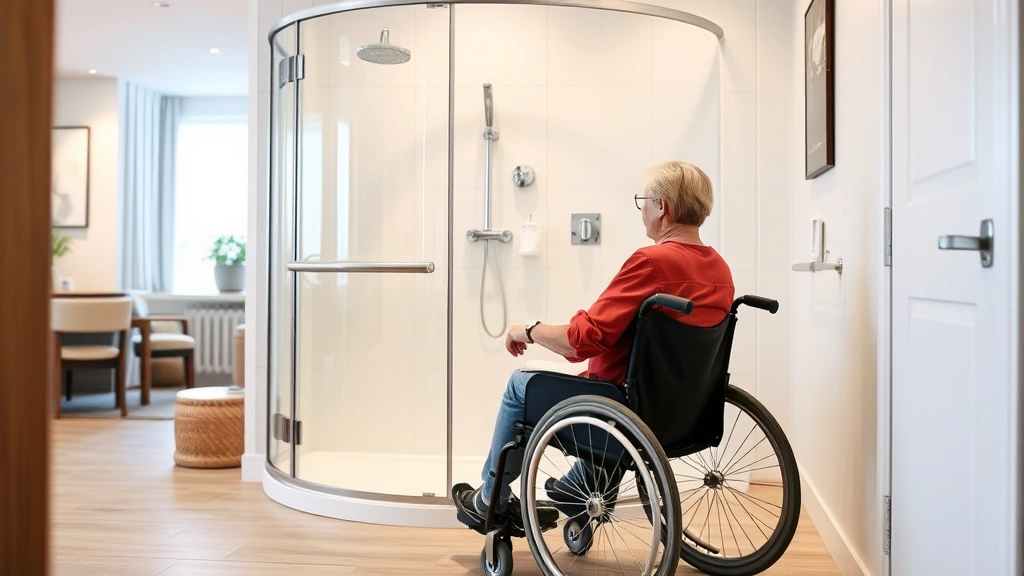
Grab bars, ramps, accessible showers, or other physical modifications may be necessary. Your landlord must allow reasonable modifications, though they may require you to restore the unit when you leave if the modification is removable.
Documenting Your Request and Tenant Rights
Proper documentation protects your rights throughout the accommodation process. Keep detailed records of:
- All written requests: Save copies of every email, letter, or form you submit to your landlord
- Medical documentation: Maintain copies of your doctor’s note and any follow-up medical correspondence
- Landlord responses: Keep all replies, whether approving or denying your request
- Dates and times: Note when you submitted requests and when you received responses
- Conversations: After verbal discussions, send follow-up emails summarizing what was discussed and agreed upon
- Implementation: Document when accommodations are made or denied, and take photos if physical modifications are involved
This documentation creates a clear timeline and evidence trail. If your landlord later denies your request or retaliates against you for requesting accommodations, this record is invaluable for filing a fair housing complaint or pursuing legal action.
Under the EEOC and fair housing enforcement mechanisms, you have the right to request accommodations, and retaliation for making such requests is illegal. Documentation proves you made a good-faith request and strengthens your position if disputes arise.
Handling Landlord Pushback or Denials
Unfortunately, not all landlords immediately grant accommodation requests. Some may deny your request, request excessive medical documentation, or attempt to delay implementation. Understanding your rights helps you respond effectively.
Denials Based on Undue Financial Hardship
Landlords can deny accommodations only if they create an undue financial or administrative burden. This is a high bar. Landlords cannot deny accommodations simply because they’re inconvenient or costly. For example, a ground floor unit transfer is rarely considered an undue burden because it involves reassignment, not expense. Accessibility modifications may be denied only if the cost is genuinely prohibitive relative to the landlord’s resources and the accommodation is non-essential.
Requests for Excessive Medical Information
If your landlord requests your full medical records, detailed diagnosis, or information unrelated to your functional limitations, you can refuse. They’re entitled to reliable documentation that your condition requires the accommodation, but not to your complete medical history. A functional limitation verification letter focused on capabilities and restrictions—not diagnosis—often satisfies landlords while protecting your privacy.
Delayed Responses
Landlords must respond to accommodation requests in a timely manner. While there’s no strict deadline in the FHA, delays of more than 30 days without communication may be considered unreasonable. If your landlord delays, send a follow-up written request asking for a response within 10 business days.
Filing a Fair Housing Complaint
If your landlord denies your request without valid reason, retaliates against you, or fails to engage in the interactive process, you can file a fair housing complaint with HUD’s Fair Housing Enforcement Office. Complaints must typically be filed within one year of the violation. HUD investigates and can order your landlord to provide the accommodation, pay damages, and cover legal fees.
Alternatively, you can pursue a private lawsuit under the FHA. Many disability rights organizations and legal aid societies offer free or low-cost consultation on housing discrimination cases.
For additional guidance, consult the Job Accommodation Network (JAN), which provides resources on functional limitations and reasonable accommodations that apply broadly to housing contexts.
FAQ
Can my landlord ask for my full medical diagnosis if I request a light duty accommodation?
No. Landlords can request reliable documentation that you have a disability-related functional limitation requiring the accommodation, but they cannot demand your complete medical records or diagnosis. A doctor’s note stating your functional limitations—what you cannot safely do—is typically sufficient. You can redact diagnosis details if they’re included in the note.
How long does a light duty accommodation last?
Duration depends on your medical condition. If your light duty restriction is temporary (post-surgical recovery, acute injury), accommodations may be time-limited. If your condition is chronic or permanent, accommodations may be permanent. Your doctor’s note should specify the expected duration, and you can request review or modification if circumstances change.
Can my landlord charge me more rent if I request accommodations?
No. Fair housing law prohibits charging additional rent or fees for accommodations. If your landlord attempts to do so, this is illegal discrimination. The only exception is if you request modifications you’ll take with you (removable accessibility features), in which case you may be responsible for removal costs.
What if my landlord says the accommodation is “too expensive” or “not feasible”?
Landlords can deny accommodations only if they create an undue financial or administrative burden. Most common accommodations (unit transfer, exemption from maintenance, parking assignment) are not expensive. If your landlord claims undue hardship, request a detailed explanation and consider filing a fair housing complaint if you believe the denial is unjustified.
Do I need a light duty note specifically mentioning “apartment” or “housing”?
No. A standard doctor’s note documenting light duty restrictions and functional limitations is sufficient. However, it’s helpful if the note explicitly connects your limitations to housing needs (e.g., “Patient cannot climb stairs, making multi-story apartment unsuitable”). You can request your doctor add this language when requesting the note.
Can I request accommodations even if my lease doesn’t mention disabilities or accommodations?
Yes. The Fair Housing Act applies to all housing regardless of lease language. Your lease cannot override fair housing protections. Even if your lease is silent on accommodations, you have the right to request them if you have a disability-related need.
How do I know if my accommodation request is “reasonable”?
Reasonable accommodations are those necessary to provide equal access to housing and don’t fundamentally alter the landlord-tenant relationship. Common examples include unit transfers, exemptions from lease obligations, and accessibility modifications. Unusual or highly disruptive requests are more likely to be challenged. If you’re unsure, consult a disability rights attorney or fair housing organization.