
Light Duty Doctor Note: Legal Housing Insights
A light duty doctor note serves multiple purposes in your life, but many people don’t realize its potential relevance to housing accommodations and legal protections. While primarily associated with workplace restrictions, a medical note documenting your functional limitations can support housing-related requests, lease modifications, and accessibility accommodations under fair housing laws. Understanding how light duty documentation intersects with housing rights empowers you to advocate effectively for a safe, accessible living environment.
This comprehensive guide explores the legal framework connecting medical documentation to housing accommodations, the specific content requirements for housing-related light duty notes, and practical strategies for leveraging your medical evidence. Whether you’re seeking ground floor placement due to mobility restrictions, requesting lease modifications for medical reasons, or documenting functional limitations for fair housing compliance, knowing how to present medical evidence strengthens your case and protects your rights.
Understanding Light Duty Documentation in Housing Context
A light duty doctor note typically documents medical restrictions limiting physical activities, typically used in workplace settings. However, these same functional limitations often create legitimate housing needs. If your doctor restricts you from climbing stairs, carrying heavy items, or standing for extended periods, these restrictions directly impact your ability to safely inhabit certain housing types or perform standard lease obligations like maintaining exterior areas or accessing upper-floor units.
Housing discrimination based on disability is illegal under the Fair Housing Act, which requires landlords to provide reasonable accommodations for individuals with disabilities. Medical documentation proving your functional limitations becomes the legal foundation for requesting these accommodations. A light duty note from your healthcare provider serves as objective evidence of your disability-related needs, making it significantly harder for landlords to deny reasonable requests without legitimate justification.
The distinction between light duty notes for workplace versus housing purposes matters less than you might think. The same medical evidence demonstrating you cannot perform certain job functions also demonstrates you cannot perform certain housing-related activities. Your functional limitations don’t change based on whether you’re at work or at home—they’re consistent medical realities that fair housing laws recognize and protect.
Fair Housing Laws and Medical Documentation Requirements
The Fair Housing Act prohibits discrimination based on disability and requires landlords to make reasonable accommodations in rules, policies, practices, or services when necessary to afford a person with a disability equal opportunity to use and enjoy a dwelling. Medical documentation isn’t always legally required—you can request accommodations verbally—but providing written medical evidence dramatically strengthens your position and creates a clear legal record.
EEOC guidance on disability discrimination establishes that accommodation requests should include sufficient information about your functional limitations and how they affect your ability to use housing. This is where your light duty note becomes invaluable. It provides objective, professional documentation of your limitations without requiring you to disclose your diagnosis or detailed medical history.
Many tenants mistakenly believe they must provide complete medical records or diagnoses to landlords. You don’t. Fair housing law requires only enough information to establish the disability-accommodation connection. A light duty note stating “Patient has functional restrictions preventing stair climbing, carrying items over 10 pounds, and prolonged standing” provides sufficient documentation without revealing whether you have arthritis, a spinal condition, cardiac disease, or another diagnosis. This protects your medical privacy while establishing your legitimate accommodation need.
Your general disability confirmation letter can be tailored specifically for housing purposes, ensuring it addresses the functional limitations directly relevant to your housing situation. This targeted approach is more persuasive than generic medical documentation and demonstrates you’ve thought carefully about your needs.
Key Elements of a Housing-Related Light Duty Note
An effective light duty doctor note for housing purposes should include several specific elements. First, it must come from a licensed healthcare provider (physician, psychiatrist, psychologist, nurse practitioner, or physician assistant) with knowledge of your medical condition. The provider doesn’t need to be your primary care doctor, but they must have examined you or reviewed sufficient medical records to make informed conclusions about your functional limitations.
Second, the note should clearly describe your functional limitations in plain language. Instead of medical jargon, use statements like “unable to climb stairs more than one flight,” “cannot carry items exceeding 15 pounds,” or “requires ability to rest frequently throughout the day.” These specific, measurable limitations directly connect to housing accommodations—ground floor units, accessible parking, modified lease terms—making the accommodation request logical and reasonable.
Third, the note should indicate the expected duration of these limitations. Is this temporary (3-6 months post-surgery) or permanent/long-term? This information helps landlords understand whether they’re making a short-term adjustment or permanent modification. Permanent limitations typically justify more substantial accommodations, while temporary restrictions may warrant shorter-term solutions.
Fourth, the note should explain the nexus between your limitations and housing accommodations. For example: “Due to these functional restrictions, Patient requires ground-floor housing with accessible parking within 50 feet of the entrance” or “Patient’s mobility limitations necessitate a lease modification allowing reasonable notice for maintenance inspections due to difficulty accessing certain areas of the unit.” This explicit connection shows why the accommodation is necessary, not merely convenient.
Finally, the note should be dated and signed by the healthcare provider, including their credentials and contact information. Landlords may contact your provider to verify the documentation’s authenticity, so ensure your provider is willing and able to respond to such inquiries.
Your doctor note for workplace accommodation can be adapted for housing purposes by adding specific housing-related functional descriptions and accommodation requests.

Common Housing Accommodations Supported by Medical Notes
Light duty notes support numerous housing accommodations under fair housing law. Ground floor unit assignment is among the most common, requested by individuals with mobility limitations, chronic pain conditions, or cardiac/respiratory restrictions. Medical documentation explaining why stair climbing is contraindicated or dangerous provides the legal foundation for this request.
Accessible parking placement near your unit entrance accommodates individuals with limited walking tolerance, chronic fatigue, or mobility devices. A light duty note documenting your inability to walk extended distances justifies this accommodation even if you don’t use a wheelchair or have an official handicap placard.
Lease modification or termination due to medical hardship is another accommodation category. If your condition worsens or changes, making your current unit unsuitable, medical documentation supports your request to break the lease without penalty or to modify lease terms (such as extending notice periods for maintenance or allowing service animals despite breed restrictions).
Reasonable accommodation for service animals or emotional support animals requires medical documentation establishing the disability-animal nexus. Your light duty note alone may not suffice—you typically need documentation specifically addressing your need for the animal—but it supports your overall accommodation request portfolio.
Modification of housing rules or policies might include exceptions to pet restrictions (for service or support animals), modified maintenance schedules, or flexibility regarding lease terms. Medical documentation explaining your functional limitations justifies these policy exceptions.
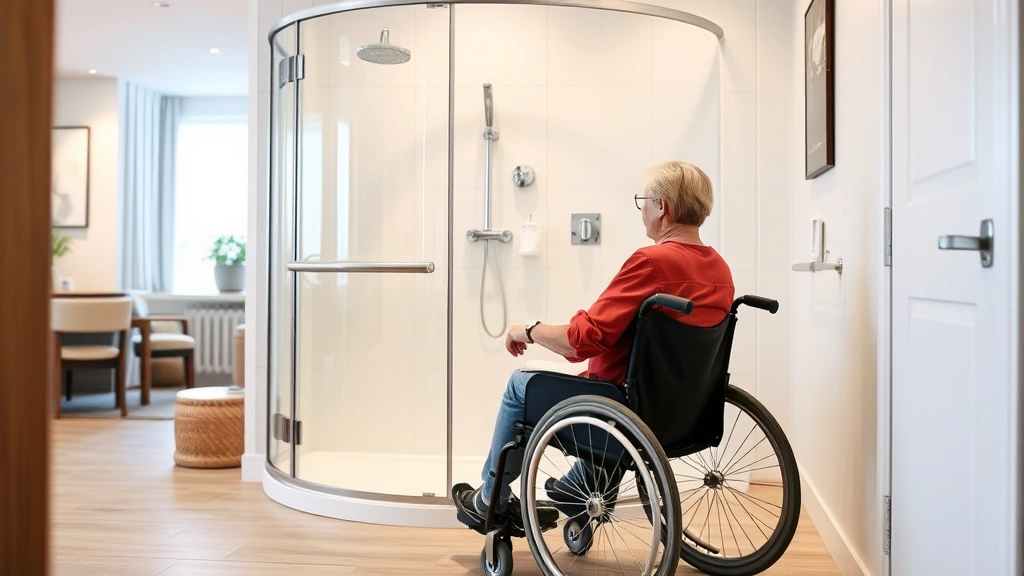
Unit modifications such as grab bars, ramps, or accessible bathroom fixtures are accommodations landlords may need to fund. Your medical note explaining why these modifications are necessary—not merely helpful—strengthens your request. Documentation of your medical necessity makes denial more legally risky for the landlord.
Legal Protections and Your Rights
When you submit a light duty doctor note supporting a housing accommodation request, you gain significant legal protections. Landlords cannot legally retaliate against you for requesting accommodations—doing so violates fair housing law. Retaliation includes rent increases, lease non-renewal, negative references, or any adverse action taken because you requested an accommodation or filed a complaint.
You also have the right to interactive process with your landlord. This means they should discuss your accommodation request, ask clarifying questions if needed, and work collaboratively toward solutions. They cannot simply deny your request without engaging in this conversation. If your doctor’s note clearly establishes your functional limitations, denial becomes harder to justify legally.
Importantly, landlords cannot require you to disclose your diagnosis or detailed medical history. They can only ask for information about your functional limitations and the accommodation-disability nexus. If a landlord demands excessive medical information, that itself may constitute discrimination. Your light duty note provides sufficient documentation without crossing privacy boundaries.
If your landlord denies a reasonable accommodation request, you have HUD fair housing complaint options. You can file a complaint with HUD within one year of the alleged violation. Having medical documentation in writing creates a clear record supporting your complaint and strengthens your legal position significantly.
The Job Accommodation Network (JAN), while primarily focused on workplace accommodations, offers excellent resources about functional limitations and reasonable accommodations that apply equally to housing contexts. Their resources help you understand how to frame your needs effectively.
Submitting Medical Documentation to Landlords
Strategic presentation of your light duty doctor note matters. Submit documentation proactively and in writing whenever possible. Email is preferable to verbal requests because it creates a timestamped record. Include a brief cover letter explaining your accommodation request, referencing the attached medical documentation.
Your cover letter should be professional and concise: “I am requesting [specific accommodation] due to functional limitations documented in the attached medical note from my healthcare provider. This accommodation is necessary to provide me equal access to housing as required by fair housing law. I am available to discuss this request at your convenience.” This framing establishes legal awareness without being confrontational.
Consider submitting your disability verification letter alongside or instead of a simple light duty note if you need broader disability documentation. Verification letters explicitly state that you have a disability and describe functional limitations, making the legal connection even clearer.
Keep copies of everything you submit. Document the submission date, method (email, certified mail), and recipient. If your landlord claims not to have received documentation, your records prove otherwise. This documentation trail becomes crucial if you need to file a fair housing complaint.
Give your landlord reasonable time to respond—typically 5-10 business days for initial response, longer for complex requests. If they don’t respond or deny your request without legitimate justification, that’s when you escalate to formal complaints or legal action.
Never submit medical records beyond what’s necessary. Your light duty note is sufficient. Avoid providing detailed treatment histories, diagnoses, medication lists, or other sensitive medical information. Fair housing law doesn’t require this information, and sharing it only increases privacy risks without strengthening your legal position.

FAQ
Can a landlord deny my accommodation request if I submit a light duty doctor note?
Landlords can deny accommodation requests only if the request is unreasonable, poses an undue financial burden, or fundamentally alters the housing program. A properly documented functional limitation supporting a reasonable accommodation request is very difficult to deny legally. Denial typically requires documented proof that the accommodation is genuinely unreasonable or creates undue hardship.
Do I need to disclose my medical diagnosis to my landlord?
No. Fair housing law requires only enough information to establish your disability and the need for accommodation. Your diagnosis is your private medical information. A light duty note describing functional limitations without naming the underlying condition fully satisfies legal requirements and protects your privacy.
What if my light duty note is temporary but I need permanent housing accommodations?
If your condition is expected to be long-term or permanent, request medical documentation reflecting this. Your provider can write “Patient has permanent functional restrictions” or “Expected to continue indefinitely” instead of specifying a temporary timeframe. For truly temporary situations, discuss with your landlord whether short-term modifications are possible, with plans to adjust if your condition changes.
Can my landlord contact my doctor to verify the light duty note?
Yes, landlords can attempt to verify medical documentation, but your doctor is not obligated to discuss your medical details. They can confirm they examined you and that the note is authentic, but cannot discuss diagnosis, treatment, or other sensitive information without your written authorization. Ensure your doctor is prepared for such inquiries.
What happens if my landlord retaliates after I request accommodations?
Retaliation is illegal under fair housing law. If your landlord increases rent, threatens non-renewal, gives negative references, or takes any adverse action in response to your accommodation request, document this immediately. You can file a fair housing complaint with HUD and potentially pursue legal action for damages.
Is a light duty note from any healthcare provider acceptable?
The provider must be licensed and have knowledge of your condition. Physicians, psychiatrists, psychologists, nurse practitioners, and physician assistants all qualify. The provider should have examined you or reviewed sufficient medical records. Notes from unlicensed practitioners or people without medical knowledge may be questioned.
Can I use the same light duty note for both workplace and housing purposes?
Yes, with potential modifications. The functional limitations described apply equally to both contexts. However, tailoring the note to address housing-specific needs—ground floor access, parking proximity, lease modifications—makes it more persuasive for housing requests. Consider requesting a version specifically addressing your housing situation.