Doctor Note for School: Landlord’s Legal Guide
Landlords often encounter situations where tenants request accommodations based on medical conditions affecting their ability to maintain a rental property or comply with lease terms. When a tenant provides a doctor’s note citing school-related stress, medical appointments, or health conditions, landlords must understand how to evaluate these documents legally and fairly. This guide clarifies what landlords need to know about medical documentation, tenant rights, and fair housing compliance when accommodations intersect with educational pursuits.
Medical documentation serves as the foundation for reasonable accommodation requests under the Fair Housing Act and state disability laws. However, not all doctor’s notes carry the same legal weight, and landlords have the right to verify that requests are legitimate. Understanding the distinction between casual medical letters and verified disability documentation protects both your property and your tenants’ legal rights.
Understanding Medical Documentation in Rental Housing
When a tenant presents a doctor’s note requesting accommodations, landlords must recognize that this falls under disability accommodation law rather than standard lease enforcement. The Fair Housing Act prohibits discrimination based on disability and requires landlords to provide reasonable accommodations in rules, policies, practices, or services when necessary to afford a person with a disability equal opportunity to use and enjoy a rental property.
Medical documentation in the rental context serves a specific purpose: establishing that a tenant has a disability and demonstrating a nexus between that disability and the requested accommodation. A doctor’s note stating “My patient needs a quiet environment for studying” differs significantly from one documenting “Patient has diagnosed anxiety disorder that is exacerbated by noise, requiring reasonable accommodation of quiet hours.” The latter includes functional limitations and medical reasoning.
Landlords should understand that disability documentation comes in various forms, from simple provider letters to comprehensive functional limitation assessments. Student tenants may have legitimate medical reasons for requesting modified lease terms, including accommodation for medical appointments, stress-related conditions, or physical disabilities affecting housing accessibility.
The key principle: you cannot ignore a medical accommodation request, but you also have the right to verify its legitimacy through proper legal channels. Verification protects against fraudulent claims while ensuring compliant tenants receive fair treatment.
What Makes a Doctor’s Note Valid for Accommodation Requests
A legally sufficient doctor’s note for accommodation purposes should contain specific elements that establish both disability and necessity. While providers aren’t required to use formal templates, their documentation should demonstrate professional judgment and medical reasoning.
Essential components include:
- Licensed provider identification: The note must come from a medical professional licensed to practice in your state (MD, DO, PA, NP, or other licensed practitioners). This excludes wellness coaches, life coaches, or unlicensed practitioners.
- Patient-provider relationship: The provider must have examined or treated the tenant. Telehealth relationships count, but the provider must have legitimate clinical knowledge of the patient.
- Disability description: The note should identify the condition or disability without requiring diagnosis disclosure. “Patient has a disability affecting [functional area]” is sufficient; detailed medical diagnoses aren’t necessary.
- Functional limitation nexus: The document should explain how the disability creates a need for the requested accommodation. “Patient’s condition requires [specific accommodation] to enable equal use and enjoyment of housing.”
- Date and provider signature: Recent documentation (typically within 1-2 years) with the provider’s signature, credentials, and contact information establishes authenticity.
- Reasonable specificity: Vague notes like “Please accommodate my tenant” lack sufficient detail. Professional medical documentation explains the accommodation’s necessity.
A well-crafted note demonstrates that the provider considered the accommodation request in their professional capacity, not simply as a favor to the tenant. Landlords can request clarification on vague documentation without violating fair housing law, though you cannot demand complete medical records or diagnosis specifics.

Fair Housing Laws and Medical Accommodation Requests
The Fair Housing Act applies to rental housing transactions and ongoing tenancy. Under this federal law, landlords must make reasonable accommodations in rules, policies, practices, or services when necessary to afford a person with a disability equal opportunity to use and enjoy a dwelling. This obligation exists even if the accommodation wasn’t anticipated when creating lease terms.
The U.S. Department of Housing and Urban Development (HUD) provides clear guidance: disability-related accommodations are mandatory unless they impose undue financial or administrative burden. For most student tenants, accommodations rarely meet this high threshold.
School-related medical needs fall within fair housing protections. If a tenant documents that a medical condition requires accommodation to attend school effectively (reduced noise, flexible guest policies, modified lease terms, or lease termination), landlords must engage in the interactive process. This means discussing the request, asking clarifying questions, and determining whether the accommodation is reasonable.
Key legal principles:
- Tenants don’t need to request accommodations in writing or use formal language; any clear communication triggers your obligation to respond.
- You cannot charge fees for reasonable accommodations, though you can charge for modifications that benefit future tenants.
- Denials must be based on legitimate non-discriminatory reasons, documented thoroughly.
- The accommodation must be necessary for the tenant to use and enjoy the housing, not merely convenient or preferred.
- Verification is permitted when the disability or necessity isn’t obvious, but verification methods must be reasonable and non-invasive.
Many student tenants face legitimate medical challenges—anxiety, ADHD, chronic pain, mental health conditions—that affect their ability to focus on schoolwork or maintain housing stability. Medical documentation supporting these conditions deserves serious consideration, not dismissal.
School-Related Accommodations and Lease Modifications
Student tenants may request various accommodations tied to medical conditions affecting their educational success. Common requests include:
Quiet hours or noise restrictions: A tenant with anxiety disorder or autism spectrum disorder might require documented quiet periods to manage sensory sensitivities or study effectively. This modifies lease enforcement but doesn’t create special rules—it ensures equal access to the property.
Modified guest policies: Some tenants with medical conditions (social anxiety, immune system disorders, trauma-related conditions) may need restrictions on guests or flexibility regarding overnight visitors. Documentation explaining the medical necessity is required.
Lease termination for medical hardship: Students sometimes face medical crises requiring them to leave housing mid-lease. A doctor’s note documenting medical necessity for relocation supports medical hardship requests, potentially reducing your damages claim or enabling early lease termination.
Flexible payment schedules: Medical expenses might affect a tenant’s ability to pay rent on standard schedules. Documentation of ongoing medical costs could support reasonable accommodation of modified payment timing.
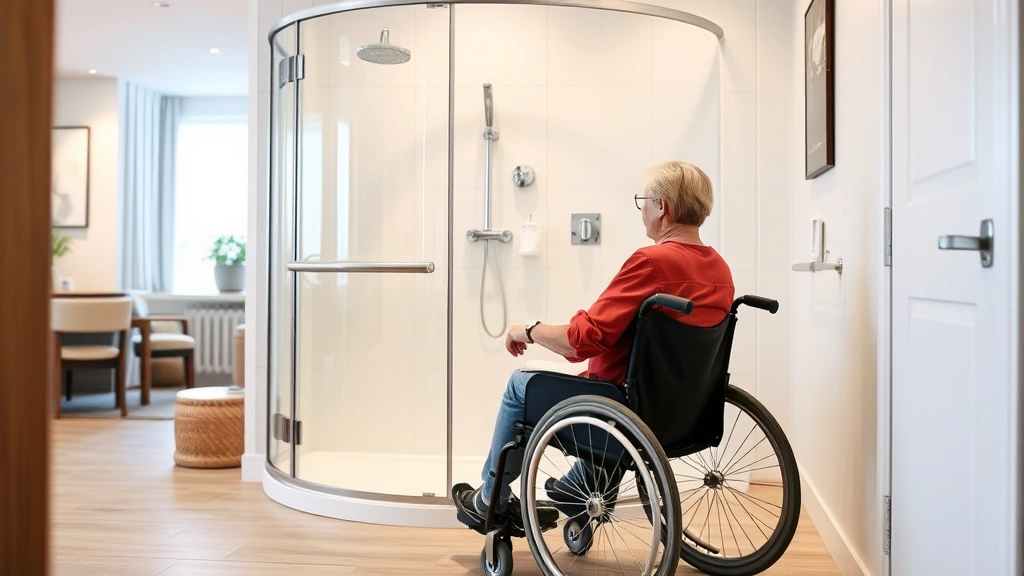
Accessible unit modifications: Student tenants with mobility disabilities might require grab bars, ramps, accessible parking, or unit transfers. These accommodations are legally required and often involve property modifications.
The critical question: Is the requested accommodation necessary for the tenant to use and enjoy the housing due to their medical condition? If yes, you must engage in good-faith discussion about feasibility and alternative solutions.
Verifying Medical Documentation Legitimately
Landlords have legitimate concerns about fraudulent accommodation requests. Verification is permitted under fair housing law, but methods must be reasonable and non-discriminatory. You cannot verify in ways that violate tenant privacy or disability confidentiality.
Acceptable verification approaches:
- Provider contact verification: You may contact the provider’s office to confirm the patient-provider relationship and that the provider wrote the letter. Ask only whether they have a patient by that name and whether they issued the documentation—not details about the condition.
- Third-party verification services: Some landlords use disability verification companies that contact providers with tenant authorization. This is permissible if the tenant consents and the service respects privacy boundaries.
- Consistency evaluation: Assess whether the accommodation request aligns with the documented disability and the tenant’s observable needs. A request for quiet hours supporting anxiety documentation is consistent; a request for free rent isn’t accommodation-related.
- Reasonable specificity requests: If a note lacks necessary detail (“Patient needs accommodation” with no explanation), you can request clarification. The tenant must provide sufficient information to understand the necessity.
Unacceptable verification methods:
- Demanding complete medical records or detailed diagnosis information
- Requiring the tenant to sign HIPAA releases allowing full medical file access
- Contacting providers with questions about diagnosis, treatment details, or prognosis
- Requiring in-person medical examination by landlord-chosen providers
- Asking for psychiatric records, medication lists, or therapy notes
- Investigating the tenant’s disability through social media or other means
The verification standard is reasonableness. You need enough information to confirm the accommodation is disability-related and necessary—not complete medical knowledge. If documentation appears fabricated (obviously forged provider letterhead, inconsistent information), you can investigate further or deny the request with documented reasoning.

Common Accommodation Scenarios for Student Tenants
Scenario 1: Anxiety-Related Accommodation
A tenant provides a note stating: “My patient has diagnosed anxiety disorder. Due to sensory sensitivities and difficulty concentrating, they require accommodation of quiet hours (10 PM–8 AM) and restriction on unannounced guest visits.” This documentation sufficiently establishes disability and accommodation necessity. You should engage in discussion about implementation. Can you enforce quiet hours for this tenant specifically? Do other tenants have similar needs? What’s a reasonable approach?
Scenario 2: ADHD and Workplace Accommodation
A student tenant with ADHD requests workplace accommodation affecting their housing stability, such as flexible work-from-home arrangements enabling them to remain in the rental. While the accommodation request targets employment, the medical documentation may explain why housing stability is essential to their treatment plan. Consider whether the request truly affects housing use or merely supports employment.
Scenario 3: Medical Leave and Lease Termination
A tenant’s doctor notes that medical treatment requires the tenant to move home with family for six months. This creates a legitimate medical hardship accommodation request. Rather than enforcing the full lease, you might negotiate early termination, reduced damages, or lease suspension. Documentation demonstrating medical necessity supports reasonable resolution.
Scenario 4: Chronic Pain and Accessibility
A student with chronic pain requests ground floor housing or accessible parking. Medical documentation should explain the functional limitation (difficulty with stairs, limited mobility, pain with extended walking). These accommodations are legally required and often involve unit modifications. Denying them exposes you to fair housing liability.
Documentation You Can Legally Request
Fair housing law permits landlords to request documentation sufficient to evaluate accommodation necessity. You cannot demand comprehensive medical records, but you can request clarification and verification.
Permissible requests:
- Clarification of how the disability creates the accommodation need
- Confirmation that the provider-patient relationship is current and legitimate
- Explanation of why this specific accommodation is necessary (not alternatives)
- Information about the accommodation’s duration or whether it’s permanent
- Details about how the accommodation affects other tenants or property management
Impermissible requests:
- Specific diagnosis or medical condition name
- Prescription medications or treatment details
- Therapy records, psychiatric evaluations, or counseling notes
- Complete medical history or hospital records
- Prognosis or expected duration of disability
- Details about other medical conditions or treatments
The distinction: You need functional information (what limitation affects housing use), not medical information (what condition causes the limitation). A note stating “Patient has a condition requiring quiet environment to manage sensory sensitivities” provides sufficient functional detail without requiring diagnosis disclosure.
Responding to Accommodation Requests: Best Practices
Step 1: Acknowledge the Request
When a tenant presents a doctor’s note requesting accommodation, respond promptly in writing. Acknowledge receipt and indicate that you’re reviewing the request. This demonstrates good faith and creates documentation of your fair housing compliance.
Step 2: Evaluate Documentation Sufficiency
Does the note adequately explain the disability and accommodation necessity? If yes, proceed to the interactive process. If unclear, request clarification in writing: “Please provide additional information explaining how [specific accommodation] is necessary due to your medical condition.”
Step 3: Engage in Interactive Process
Discuss the request with the tenant. Ask questions about implementation, duration, and alternatives. Document these conversations. The interactive process demonstrates that you’re seriously considering the accommodation rather than reflexively denying it.
Step 4: Determine Reasonableness
Is the accommodation reasonable? Does it impose undue financial or administrative burden? For most student tenants, accommodations are reasonable. Denials must be based on legitimate concerns (safety issues, undue burden with specific evidence, fundamental alteration of housing nature).
Step 5: Document Your Decision
Whether approving or denying, provide written documentation explaining your reasoning. Approval letters should specify the accommodation and its duration. Denial letters should explain why the request is unreasonable with specific factual support.
Step 6: Implement and Monitor
If approved, implement the accommodation consistently. If denying, be prepared to defend the decision if challenged. Fair housing violations can result in significant damages and attorney’s fees.
Consider consulting the Job Accommodation Network (JAN), which provides guidance on evaluating accommodation requests even in housing contexts. Their interactive process model is widely recognized as a fair housing best practice.
FAQ
Can I require a specific medical form for accommodation requests?
No. While you can request documentation, you cannot mandate a specific form. Tenants have the right to provide documentation from their healthcare provider in the provider’s standard format. However, if the documentation lacks necessary information, you can request clarification.
What if a tenant provides a note from a telehealth provider I don’t recognize?
Telehealth relationships are legally valid. You can verify the provider’s licensure through your state medical board and confirm the patient-provider relationship, but you cannot dismiss the accommodation request simply because it’s from a telehealth provider. Many licensed providers operate through telehealth platforms.
Can I deny an accommodation because I think the tenant is faking?
Not without evidence. If documentation appears forged (obviously fake letterhead, provider denies writing it), you can deny the request. But suspicion alone isn’t sufficient. Fair housing law assumes good faith in documentation unless you have specific evidence of fraud.
What if the accommodation is expensive or inconvenient?
Expense and inconvenience alone don’t justify denial. The legal standard is undue financial or administrative burden—a high threshold. For most student tenant accommodations (quiet hours, guest policy modifications, lease modifications), the burden is minimal. Property modifications have higher cost considerations, but accessibility law requires them regardless of expense.
Can I require the tenant to pay for modifications related to their accommodation?
No. Reasonable accommodations cannot be charged to the tenant. However, modifications that benefit the property for future tenants might be considered capital improvements. The distinction is purpose: if the modification is necessary for the tenant’s disability accommodation, it’s free; if it’s a general property upgrade that happens to benefit the tenant, cost-sharing is more complex legally.
How long should I keep accommodation documentation?
Maintain records for at least three years, consistent with fair housing documentation retention standards. This protects you if a complaint is filed and demonstrates your good-faith compliance efforts.
What if multiple tenants request conflicting accommodations?
This is common. If one tenant needs quiet hours and another needs to practice music, you’re not required to grant both. However, you must engage in the interactive process with both tenants to find reasonable solutions—perhaps specific hours for each, soundproofing, or unit reassignment. Document your decision-making thoroughly.
Can I contact a tenant’s school to verify their medical status?
No. Educational records are protected under FERPA, and the school cannot disclose disability information without authorization. Your verification must be direct (provider contact) or with explicit tenant authorization (third-party verification services with written consent).
What about ESA letters or emotional support animals related to school stress?
Emotional support animals are accommodations under fair housing law. If a tenant provides documentation that their disability requires an ESA, you must allow the animal regardless of pet policies. However, you can verify the disability and the animal’s necessity. The animal must be necessary due to disability, not merely beneficial.
Can I require re-verification of accommodation needs annually?
For ongoing disabilities, re-verification annually is generally not required unless circumstances suggest the disability has resolved. However, you can request updated documentation if the accommodation changes or if substantial time has passed (typically 3+ years). Be consistent in applying this policy to avoid fair housing violations.
What if the tenant’s doctor is also their landlord or has a conflict of interest?
This raises concerns but doesn’t automatically invalidate the documentation. However, you can request independent verification or ask for clarification about the provider’s clinical basis for the recommendation. If the conflict is significant (provider is the landlord), requesting a second opinion from an independent provider is reasonable.
Understanding doctor’s notes in the context of rental housing requires balancing tenant rights with landlord protections. By following fair housing law, engaging in good-faith interactive processes, and maintaining thorough documentation, you can manage accommodation requests fairly while protecting your property interests. When in doubt, consult the EEOC or the ADA guidance on reasonable accommodations. Many disability rights organizations provide landlord resources as well.