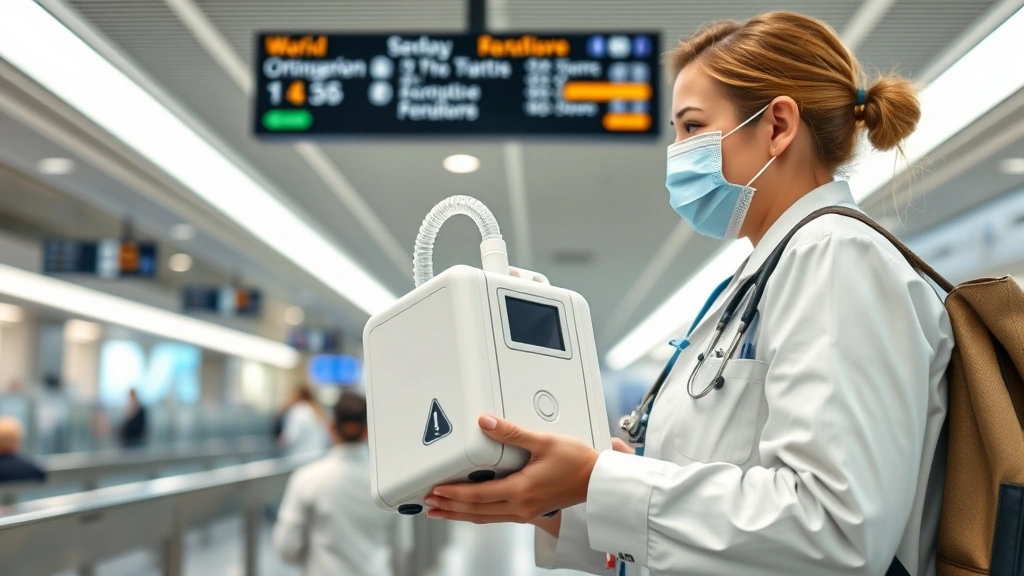
Traveling with Medical Equipment: Doctor’s Approval Guide
Traveling with medical equipment can feel overwhelming, but with proper documentation and planning, you can move through airports, hotels, and transportation hubs with confidence. A doctor-signed medical equipment travel allowance letter is one of the most critical documents you can carry—it serves as official verification that your equipment is medically necessary, helps you navigate TSA screening, and ensures you receive appropriate accommodations across all travel environments.
Whether you’re traveling domestically or internationally with oxygen concentrators, CPAP machines, insulin pumps, mobility devices, or other essential medical equipment, understanding how to obtain and use this documentation can transform your travel experience from stressful to manageable. This guide walks you through everything you need to know about medical equipment travel letters, how doctors approach them, and how to ensure your equipment travels safely with you.
What Is a Medical Equipment Travel Letter?
A medical equipment travel allowance letter is an official document signed by a licensed healthcare provider that confirms you require specific medical equipment for your health and safety. This letter serves multiple critical functions: it explains why you need the equipment, describes what the equipment does, and requests that transportation security and travel personnel provide reasonable accommodations for its transport and use.
Unlike general medical documentation, a travel-specific letter is formatted and detailed in ways that security personnel and airline staff can quickly understand. It’s not a prescription—it’s a formal statement of medical necessity that carries legal weight under the Americans with Disabilities Act (ADA) and TSA regulations. The signature of your doctor adds authority and credibility that makes security and airline personnel more likely to accommodate your needs without extensive questioning.
This documentation becomes especially important when your equipment looks unusual, requires special handling, or might raise questions during security screening. A clear, professionally-written letter signed by your physician can reduce delays, prevent confiscation, and ensure you’re treated with respect throughout your journey.
Why Your Doctor’s Signature Matters
A doctor’s signature transforms a personal statement into a legally recognized medical document. Here’s why this matters for travel:
- Legal Authority: TSA and airline personnel are trained to respect physician-signed documentation as evidence of medical necessity. A signed letter carries far more weight than an unsigned statement.
- Compliance with Regulations: The ADA and TSA have specific guidelines about medical equipment on aircraft and in secure areas. A doctor-signed letter demonstrates compliance with these regulations.
- Liability Protection: Airlines and security agencies are more confident accommodating your needs when a licensed healthcare provider has documented the medical necessity.
- Dispute Resolution: If you encounter resistance from security or airline staff, a signed letter from your doctor provides documented evidence you can reference in complaints or appeals.
- International Recognition: Many countries recognize physician-signed medical documentation more readily than personal statements, making international travel smoother.
Your doctor’s signature essentially says: “I have examined this patient, I understand their medical condition, and I confirm that this equipment is medically necessary for their health and safety.” This professional endorsement opens doors that personal documentation alone cannot.
Types of Medical Equipment Requiring Documentation
While not every medical item requires a travel letter, certain equipment almost always benefits from documented physician approval:
- Oxygen Equipment: Portable oxygen concentrators, oxygen cylinders, and liquid oxygen systems require TSA notification and airline approval. A letter explaining your oxygen requirements and equipment specifications is essential.
- CPAP and BiPAP Machines: Sleep apnea equipment can be carried on aircraft, but a letter explaining its medical necessity helps streamline security screening.
- Insulin Pumps and Continuous Glucose Monitors: While these typically don’t require special documentation, a letter can help if you need to explain why you’re carrying syringes, lancets, or other diabetes supplies.
- Mobility Devices: Wheelchairs, walkers, canes, and crutches generally don’t require letters, but documentation helps if you need priority boarding or gate assistance.
- Nebulizers and Inhalers: Portable breathing equipment benefits from documentation, especially if you need to use it during flights.
- Feeding Tubes and Supplies: Enteral nutrition equipment and associated supplies require documentation to pass through security.
- Dialysis Equipment: Portable dialysis machines need comprehensive medical documentation for air travel.
- Pain Management Devices: Infusion pumps and similar devices require physician-signed letters explaining their medical necessity.
Even if your equipment isn’t on this list, if it’s medically necessary and might raise questions at security checkpoints, obtaining a letter is a smart precaution.

How to Request This Letter from Your Doctor
Requesting a medical equipment travel letter is straightforward, but timing and clarity matter. Here’s how to approach your healthcare provider:
- Schedule an Appointment or Call: Don’t ambush your doctor with this request during an unrelated visit. Call your doctor’s office and explain that you need a travel-specific medical documentation letter. Many offices can prepare this without requiring a new appointment.
- Provide Clear Information: Tell your doctor your travel dates, destinations, and which equipment you’ll be traveling with. The more specific you are, the more detailed and useful your letter will be.
- Explain the Purpose: Let your doctor know this letter is for TSA, airline, and international travel purposes. This helps them understand what information to include and how to format it.
- Request Specific Details: Ask your doctor to include your diagnosis (if you’re comfortable sharing), the equipment model and specifications, why the equipment is medically necessary, and any special handling requirements.
- Ask About Multiple Copies: Request several signed copies. You’ll want originals for your carry-on bag, checked luggage, and personal records.
- Discuss Digital Options: Ask if your doctor can provide a digital copy you can store on your phone or email to yourself for backup.
- Clarify Timeline: Ask how long the letter will take to prepare. Most offices can provide this within 3-5 business days, but don’t wait until the last minute.
If your regular doctor is unavailable, any licensed healthcare provider who knows your medical history can write this letter. This might include specialists, nurse practitioners, or physician assistants. The key is that the signer must be licensed and familiar with your condition.
What Should Be Included in the Letter
A comprehensive medical equipment travel letter should contain specific elements that security and airline personnel expect to see:
- Letterhead: The letter should be printed on official medical office letterhead with the doctor’s name, credentials, office address, phone number, and fax number.
- Your Information: Include your full name, date of birth, and passport number (if available). This helps security personnel verify the letter is for you.
- Date of the Letter: Include the date written. Most travel letters are valid for one year from the date of issue.
- Clear Diagnosis: State your medical condition clearly. For example: “Type 1 Diabetes,” “Obstructive Sleep Apnea,” or “Chronic Obstructive Pulmonary Disease.”
- Equipment Description: List the specific equipment you’ll be traveling with, including brand name and model number when possible. For example: “ResMed AirSense 10 CPAP machine” or “Inogen One G5 portable oxygen concentrator.”
- Medical Necessity Statement: Explain why this equipment is medically necessary. For instance: “This patient requires continuous positive airway pressure (CPAP) therapy nightly to maintain adequate oxygenation and prevent serious health complications.”
- Equipment Specifications: Include technical details relevant to security screening. For oxygen equipment, include flow rates and duration of use. For electrical devices, note voltage requirements.
- Special Handling Instructions: If your equipment requires special handling, temperature control, or protection from X-rays, include these details.
- Medication or Supply Lists: If you’re traveling with associated medications or supplies (syringes, lancets, feeding tubes), list them clearly.
- Request for Accommodation: Include a clear statement requesting that security and airline personnel allow you to carry and use this equipment during travel.
- Contact Information: Provide a phone number where the doctor or their office can be reached if security personnel have questions.
- Original Signature: The letter must be signed by the healthcare provider in blue or black ink. Digital signatures are acceptable for some purposes but original signatures are preferred for travel.
A well-written letter anticipates questions security personnel might have and answers them preemptively, reducing delays and complications.
TSA and International Travel Requirements
The Transportation Security Administration (TSA) has specific guidelines for medical equipment on aircraft. Understanding these requirements helps you prepare properly:
TSA Carry-On Rules: Most medical equipment is permitted in carry-on luggage. This is actually preferable because it keeps your equipment with you and reduces the risk of damage or loss. A TSA-approved medical equipment travel letter helps security personnel understand that your device is medically necessary and should not be confiscated.
Oxygen Equipment: Portable oxygen concentrators are permitted on aircraft, but you must notify the airline in advance. Your doctor’s letter should specify the oxygen flow rate and type of equipment. Some airlines have specific models they approve; check with your airline before traveling.
Batteries and Power: Medical devices with lithium batteries have specific TSA rules. Your letter should help explain why these batteries are necessary and that they’re for medical purposes.
Liquids and Gels: Medical liquids like saline solution, insulin, or feeding formula are exempt from the 3.4-ounce liquid rule if they’re for medical purposes. Your letter documenting medical necessity helps security personnel understand these exemptions.
International Travel: Different countries have different regulations. Contact the International Air Transport Association (IATA) and your destination country’s customs authority for specific requirements. Your doctor’s letter should be in English or accompanied by a certified translation.
Advance Notification: For oxygen equipment and some other devices, TSA recommends calling the airline at least 48 hours before your flight. Your doctor’s letter gives you the documentation to reference during this conversation.
For comprehensive TSA guidance, visit TSA.gov and search for “medical devices” or “traveling with medical equipment.”
Presenting Your Documentation at Security
How you present your medical equipment travel letter makes a significant difference in how smoothly you move through security:
- Have It Easily Accessible: Don’t bury your letter in checked luggage. Keep it in a folder in your carry-on or even in your jacket pocket so you can present it immediately if asked.
- Present It Proactively: When you reach the security checkpoint, you don’t need to volunteer the letter unless your equipment raises questions. However, if you sense hesitation from security personnel, proactively present it.
- Be Prepared to Explain: Security personnel may ask you questions about your equipment. Be ready to explain briefly what it does and why you need it. Your doctor’s letter provides backup documentation.
- Know Your Rights: You have the right to carry medically necessary equipment through security. If a security officer denies your equipment, calmly ask to speak to a supervisor and reference your physician-signed documentation.
- Use TSA PreCheck When Possible: If you travel frequently, TSA PreCheck can streamline security screening and reduce the likelihood of equipment complications.
- Notify the Flight Crew: Once aboard, inform flight attendants that you have medical equipment. They can provide assistance if needed and understand why you need your device accessible during the flight.
Confidence and clarity go a long way. Security personnel deal with hundreds of passengers daily; a clear explanation supported by physician documentation helps them help you quickly.
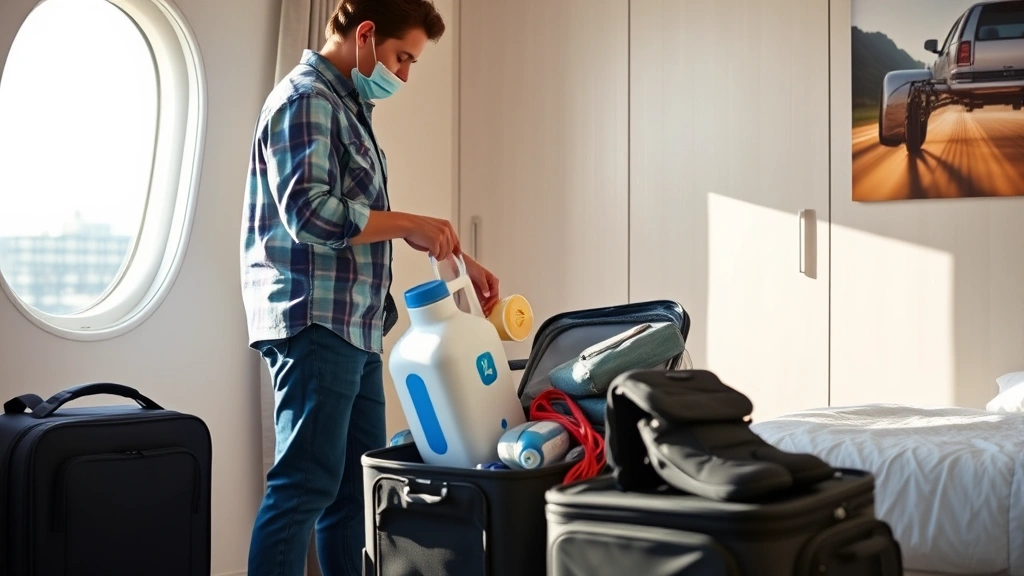
Backup Documentation and Digital Copies
In our digital age, redundancy is your friend. Here’s how to ensure you always have access to your medical equipment travel letter:
Multiple Physical Copies: Request at least 3-5 original signed copies from your doctor. Keep one in your carry-on, one in checked luggage, and one in your travel documents folder at home.
Digital Storage: Ask your doctor’s office if they can email you a PDF of the signed letter. Store this in cloud storage (Google Drive, OneDrive, Dropbox) so you can access it from any device, anywhere in the world.
Mobile Phone Access: Take a photo of your signed letter on your smartphone. Even if you lose physical copies, you have a backup image accessible immediately.
Email Backup: Email yourself a copy of the letter. This creates a timestamped record you can reference if needed.
International Considerations: For international travel, consider having your letter translated into the primary language of your destination country. This helps customs and security personnel in other countries understand your medical needs.
Expiration Awareness: Medical letters typically expire one year from the date of issue. Mark your calendar to request a renewal letter before your next trip if your original letter has expired.
If you need professional assistance preparing or obtaining a medical equipment travel letter, Arvix Health provides medical documentation services that can help connect you with licensed healthcare providers who can evaluate your needs and provide appropriate documentation.
FAQ
Do I absolutely need a doctor’s letter to travel with medical equipment?
While not legally required for all medical equipment, a physician-signed letter is highly recommended. It significantly reduces security delays, prevents equipment confiscation, and provides documented proof of medical necessity. For oxygen equipment and some other devices, airlines strongly recommend it.
How long does it take to get a medical equipment travel letter from my doctor?
Most doctors can prepare this letter within 3-5 business days. Some offices can do it faster if you explain the urgency. Call ahead rather than waiting until the last minute before your trip.
Can I use a telemedicine doctor to get a travel letter?
Yes, if the telemedicine doctor is licensed in your state and has reviewed your medical history. However, they should have established knowledge of your condition. A letter from a doctor who has never examined you may carry less weight with security personnel.
What if my doctor refuses to write a travel letter?
Ask why they’re hesitant. Often, doctors are simply unfamiliar with this type of documentation. Explain its purpose and offer to provide a template. If your doctor still refuses, consider seeing a specialist who treats your condition—they may be more comfortable with this documentation. Services like medical documentation providers can also help connect you with licensed healthcare providers.
Is my medical equipment travel letter valid for multiple trips?
Yes, typically for one year from the date of issue. However, if your medical condition or equipment changes, you should request an updated letter.
What should I do if security confiscates my medical equipment despite my letter?
Stay calm and ask to speak with a supervisor. Show your physician-signed letter and explain that the equipment is medically necessary. Document the incident with names, badge numbers, and time. File a complaint with TSA afterward. The ADA.gov website provides information about your rights regarding medical equipment and accommodations.
Do I need different letters for domestic and international travel?
One comprehensive letter works for both, but for international travel, check your destination country’s specific requirements. Some countries require additional documentation or certification from their own medical authorities.
Can I use my prescription as a travel letter?
No. A prescription is different from a travel letter. A prescription indicates medication dosage; a travel letter documents medical necessity for equipment. Request a specific travel letter from your doctor.
What if I travel frequently? Should I get a new letter each time?
No. One letter is valid for one year and covers multiple trips. However, if your condition or equipment changes, request an updated letter.
Are there legal protections if my equipment is damaged during travel?
Airlines have liability limits, but a physician-signed letter documenting the equipment’s medical necessity strengthens your case if you need to file a claim. Keep your letter as part of your travel records.