
Service Animal Letter: Doctor-Signed Essentials
A doctor-signed service animal verification letter is a critical document that legitimizes your service animal’s role in managing a disability-related task or condition. Unlike emotional support animal letters, which focus on therapeutic companionship, service animal letters must document the animal’s trained task performance and medical necessity. This comprehensive guide explains what makes a legitimate service animal letter, why physician verification matters, and how to obtain one that meets legal and housing standards.
Service animals perform trained tasks that directly mitigate disabilities—from guiding individuals with blindness to alerting diabetics of glucose fluctuations. The ADA recognizes only dogs (and in some cases miniature horses) as service animals, and the animal must complete task-specific training. A doctor-signed verification letter serves as proof of medical necessity, helping you navigate housing, employment, and travel scenarios where questions about your animal’s legitimacy may arise. Understanding the components of a proper letter protects your rights and your animal’s legal status.
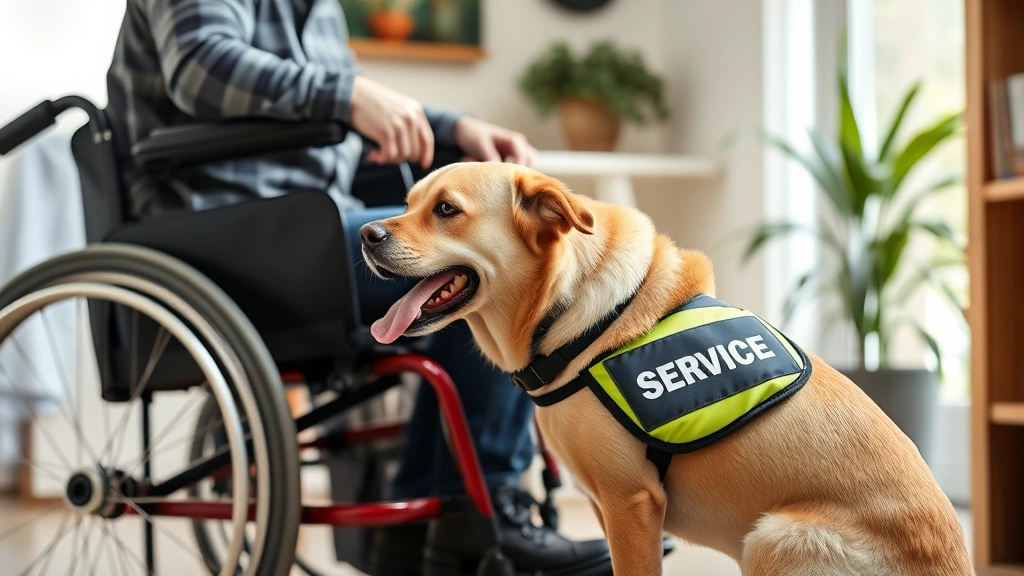
What Is a Doctor-Signed Service Animal Letter?
A doctor-signed service animal verification letter is an official document from a licensed healthcare provider confirming that you have a disability and that your animal has been trained to perform specific tasks related to that disability. This letter differs fundamentally from how to get an emotional support animal letter, which does not require task documentation.
The letter serves multiple purposes: it establishes medical necessity for housing accommodations, supports requests for public access with your animal, documents the animal’s training status for travel purposes, and provides a legal record should disputes arise. A legitimate letter comes from a licensed physician, psychiatrist, psychologist, or other qualified healthcare professional who has evaluated your condition and understands your animal’s training and role.
Service animal letters are not standardized forms—they are professional medical documents that vary based on your specific disability and the tasks your animal performs. A letter for a seizure alert dog will differ from one for a psychiatric service dog or a mobility assistance dog, as each addresses different functional limitations and trained responses.

Legal Requirements and ADA Standards
The Americans with Disabilities Act (ADA) establishes clear criteria for service animals, and a doctor-signed letter must align with these standards. According to ADA.gov, a service animal is defined as a dog (or miniature horse) that is individually trained to do work or perform tasks for a person with a disability. The task or work must be directly related to the person’s disability.
Your letter must confirm that you have a disability as defined by the ADA—a physical or mental impairment that substantially limits one or more major life activities. This is not simply having a diagnosis; it requires documented functional limitations. For example, a letter might state that your mobility impairment prevents independent ambulation, requiring a mobility assistance dog, or that your psychiatric disability causes panic attacks that your service dog is trained to interrupt.
Under the Fair Housing Act, housing providers cannot deny housing based on service animals, but they can request service animal verification letter online documentation. A proper doctor-signed letter satisfies this requirement. For employment, the EEOC (Equal Employment Opportunity Commission) recognizes service animals as reasonable accommodations, and your letter supports this claim in the workplace.
State and local laws may impose additional requirements. Some jurisdictions require service animal registration or certification, though the ADA does not mandate national registration. Your letter should address whether your animal is registered with any local or state body, as this strengthens its legitimacy in those jurisdictions.
Essential Components of a Legitimate Letter
A legally sound doctor-signed service animal letter includes specific elements that establish credibility and meet regulatory standards. Understanding these components helps you identify legitimate letters and know what to expect when requesting one.
Provider Credentials: The letter must come from a licensed healthcare professional with relevant qualifications. For physical disabilities, a physician or physical medicine specialist is appropriate. For psychiatric service animals, a psychiatrist, psychologist, or licensed clinical social worker is suitable. The letter should include the provider’s full name, license number, credentials, clinic or hospital affiliation, and contact information. This allows housing providers or employers to verify the provider’s legitimacy if needed.
Your Disability Diagnosis and Functional Limitations: The letter must clearly state your disability diagnosis (e.g., PTSD, diabetes, mobility impairment) and describe how it substantially limits major life activities. Rather than vague language, effective letters specify functional limitations: “The patient experiences panic attacks that prevent independent navigation in public spaces” or “The patient’s blood glucose fluctuations cause dangerous hypoglycemic episodes without warning.” This specificity demonstrates that the disability is genuine and significant.
Trained Task Documentation: The letter must describe the specific task or tasks your service animal is trained to perform. This is the critical distinction from emotional support animals. Examples include: alerting to seizures, retrieving dropped items, providing deep pressure therapy during anxiety episodes, guiding around obstacles, detecting blood glucose changes, or interrupting nightmares. The letter should indicate that the animal has completed training for these tasks, not that it is still in training.
Disability-Task Nexus: The letter must explicitly connect your disability to the animal’s trained task. It should explain why the task is necessary and how it mitigates your disability. For instance: “Due to the patient’s PTSD-related hypervigilance and panic attacks, the service dog is trained to recognize signs of anxiety escalation and provide deep pressure therapy, which clinical evidence shows reduces cortisol levels and prevents full panic episodes.”
Animal Description: Include a brief description of your service animal—breed, size, color, and distinguishing features. This helps verify that the animal referenced in the letter is the one in question, preventing misuse of letters for multiple animals.
Professional Letterhead: Legitimate letters appear on the provider’s official letterhead, including clinic or hospital name, address, phone number, and license information. This adds authenticity and allows verification of the provider’s identity.
Provider Signature and Date: The letter must be personally signed by the licensed provider and dated. Undated or unsigned letters carry no legal weight.
How to Obtain Your Service Animal Letter
Obtaining a doctor-signed service animal letter requires working with a qualified healthcare provider who understands your disability and your animal’s role. Here’s the process:
- Establish Care with a Qualified Provider: If you don’t already have a healthcare provider, seek one who specializes in your disability type. For psychiatric service animals, find a psychiatrist or licensed therapist experienced with your condition. For physical disabilities, work with your primary care physician or relevant specialist (endocrinologist, neurologist, etc.). The provider must have a genuine therapeutic relationship with you—they cannot write a letter based solely on a brief consultation.
- Document Your Animal’s Training: Before requesting a letter, gather documentation of your service animal’s training. This includes certificates from a recognized training organization, training records showing task completion, or letters from trainers detailing the animal’s trained tasks. Some animals are owner-trained; in these cases, document the training process and tasks thoroughly.
- Discuss Your Service Animal’s Role: During appointments, explicitly discuss how your service animal performs trained tasks related to your disability. Provide specific examples: “My dog alerts me 15 minutes before a seizure by [specific behavior],” or “When I experience a panic attack, my dog applies deep pressure to my legs, which reduces my heart rate.” Your provider needs this information to write an informed, specific letter.
- Request the Letter Formally: Make a formal written request for a service animal verification letter. Include the specific purpose (housing, employment, travel, etc.) so your provider can tailor the letter appropriately. Provide your provider with the emotional support animal letter legitimate standards and ADA requirements so they understand what components are necessary.
- Review and Verify: Once you receive the letter, review it for all essential components listed above. Verify that your provider’s credentials are accurately listed and that the letter specifically addresses your disability and your animal’s trained tasks.
If your current healthcare provider is unwilling or unable to write a service animal letter, you may need to seek a second opinion from another qualified provider. Legitimate providers will write letters based on genuine clinical relationships; be wary of providers who write letters for anyone without proper evaluation.
Using Your Letter in Real-World Situations
Your doctor-signed service animal letter serves practical purposes in various scenarios. Understanding how to use it effectively protects your rights and your animal’s access.
Housing: When applying for housing, provide your letter to the landlord or property manager proactively. Federal Fair Housing Act rules protect service animals, but landlords can request documentation. A doctor-signed letter satisfies this requirement and often prevents disputes. Include the letter with your application or during the verification process.
Employment: If you need workplace accommodations for your service animal (such as allowing the animal in a no-pets workplace), provide your letter to your employer’s HR department. The Job Accommodation Network (JAN) offers guidance on workplace accommodations, and your letter supports your request under the ADA.
Travel: Airlines and transportation services may request documentation of your service animal. Your letter, along with doctor signed emotional support animal letter guidelines, demonstrates that your animal is a legitimate service animal, not a pet. Note that airlines distinguish between service animals (which fly free) and emotional support animals (which may have restrictions), so your letter’s specificity about trained tasks is crucial.
Public Access Disputes: If a business questions your service animal’s right to be present, your letter provides evidence of the animal’s status. While you are not legally required to carry the letter at all times, having it available resolves disputes quickly. The letter demonstrates that your animal performs trained tasks and is not simply a pet.
Legal Proceedings: If disputes arise regarding your animal’s access or status, your doctor-signed letter serves as critical evidence. It establishes medical necessity and the animal’s legitimacy, supporting your case in housing disputes, employment issues, or access-related conflicts.
Common Mistakes and Red Flags
Understanding what makes a letter illegitimate helps you avoid common pitfalls and identify fraudulent documents.
Letters from Unqualified Providers: A letter from a naturopath, life coach, or online provider without legitimate licensure is not legally valid. Verify that your provider holds an active license in a regulated healthcare profession. Be skeptical of online services that sell pre-written letters without requiring a genuine clinical evaluation.
Vague Language About Tasks: A letter that says your animal “provides comfort” or “helps with your condition” without specifying trained tasks is insufficient. Service animals must perform concrete, trained tasks. Vague letters resemble emotional support animal letters and lack the specificity required for legal protection.
No Disability-Task Connection: If your letter doesn’t explicitly link your disability to the animal’s trained tasks, it’s incomplete. Housing providers and employers need to understand why the animal is necessary, not just that you have a disability.
Missing Provider Credentials: A letter without the provider’s license number, contact information, or clinic affiliation is difficult to verify. Legitimate providers include this information to allow verification of their credentials.
Undated or Unsigned Letters: A letter without a signature or date has no legal standing. It demonstrates that the provider did not personally review and authorize the document.
Generic or Template Language: Letters that appear to use boilerplate language for all patients suggest the provider did not perform individual evaluation. Your letter should reference your specific disability, your specific animal, and your specific trained tasks.
Claims of Special Registration or Certification: Be wary of letters claiming your animal is “certified” or “registered” as a service animal. No federal certification or registration system exists for service animals under the ADA. State or local registration may exist, but federal law does not require it. Legitimate letters reference training completed but not federal certification that doesn’t exist.
FAQ
Can I use an emotional support animal letter instead of a service animal letter?
No. Emotional support animal letters and service animal letters serve different purposes. Emotional support animal letters document therapeutic benefit but not trained tasks. Service animal letters must specifically document trained tasks that mitigate your disability. Using an ESA letter when a service animal letter is required may result in denied housing, employment, or travel accommodations.
How much does a doctor-signed service animal letter cost?
Costs vary by provider and location. If you have an established therapeutic relationship with a healthcare provider, requesting a letter may be included in your regular care or cost $50–$200. If you need to establish care with a new provider, you may face initial consultation fees ($100–$300) plus letter preparation fees. Be cautious of services charging excessive fees ($500+) or offering letters without evaluation.
How long is a service animal letter valid?
Service animal letters typically remain valid indefinitely unless your disability or animal’s status changes. However, some housing providers or employers may request updated letters periodically (every 1–3 years). Discuss validity duration with your provider when you receive the letter.
Do I have to carry my service animal letter at all times?
No. You are not legally required to carry documentation. However, having your letter available resolves disputes quickly and provides proof if questioned. Many handlers keep a copy in their bag or on their phone for convenience.
Can I get a service animal letter online?
Legitimate online services can facilitate the process, but they must involve genuine evaluation by a licensed provider. Beware of services that sell pre-written letters without requiring a real consultation or evaluation. A legitimate online letter still requires a telehealth appointment with a qualified provider who evaluates your disability and animal.
What if my healthcare provider refuses to write a service animal letter?
Your provider may decline if they don’t believe your animal performs trained tasks or if they haven’t evaluated your condition adequately. In this case, seek a second opinion from another qualified provider. Ensure your new provider understands your disability and your animal’s trained tasks before requesting the letter.
Can a service animal letter be challenged or disputed?
Yes. Housing providers or employers can request additional information or documentation if they have reasonable doubt. However, a well-written letter from a qualified provider, with specific task documentation and clear disability connection, is difficult to dispute. Keep records of your animal’s training and behavior to support your letter if challenged.
Does my service animal need to be registered or certified?
Federal law does not require service animal registration or certification. Some states or local jurisdictions may have registration systems, but these are voluntary and not required by the ADA. Your letter should clarify whether your animal is registered locally, but registration is not necessary for legal protection.