Unit Modification Letter: Doctor’s Insight & Guide
A unit modification medical letter is a formal document from a healthcare provider that explains your medical condition and justifies necessary modifications to your rental unit. Whether you need grab bars in the bathroom, a ground floor transfer, allergen remediation, or accessible parking, this letter serves as the clinical foundation for your reasonable accommodation request under the Fair Housing Act. Without proper medical documentation, landlords may deny your request or delay approval indefinitely.
This guide walks you through understanding unit modification letters, what doctors should include, how to request one, and how to present it effectively to your landlord. We’ll also explore common modifications, legal protections, and next steps if your request is denied.
What Is a Unit Modification Medical Letter?
A unit modification medical letter is a clinical statement from a licensed healthcare provider (MD, DO, NP, PA, or licensed mental health professional) that documents your disability, describes your functional limitations, and explains the nexus between your condition and the requested modification. It answers the critical question: “Why does this person need this specific change to their living space?”
Unlike a general disability confirmation, a unit modification letter is highly specific and solution-focused. It doesn’t just say “the tenant has mobility issues”—it explains that their arthritis prevents them from using stairs, therefore a ground floor unit or ramp installation is medically necessary. This specificity is what makes the letter credible and persuasive.
The letter typically runs 1–2 pages and is written on official letterhead with the provider’s credentials, license number, and contact information. Landlords cannot require extensive medical records or diagnosis codes; the letter itself is sufficient evidence under fair housing law.
Legal Framework & Fair Housing Rights
Your right to request unit modifications is protected by the Fair Housing Act (FHA), which applies to most rental housing nationwide. The FHA requires landlords to make reasonable accommodations in policies, practices, or services when necessary to afford a person with a disability equal opportunity to use and enjoy their home.
A reasonable accommodation is any modification or adjustment that:
- Addresses a disability-related functional limitation
- Enables equal access to and enjoyment of the unit
- Is not an undue financial or administrative burden
- Does not fundamentally alter the nature of the housing
Landlords cannot charge you for disability-related modifications (though they may require restoration upon move-out). They also cannot ask for more medical detail than necessary or request your full medical records. A letter from your healthcare provider is the standard, acceptable evidence.
If you receive a denial, the EEOC and HUD’s Fair Housing Office can investigate complaints. Many states and cities have additional protections and local fair housing agencies.
Common Unit Modifications & Medical Justifications
Understanding which modifications are reasonable helps you make a credible request and helps your doctor articulate the medical necessity:
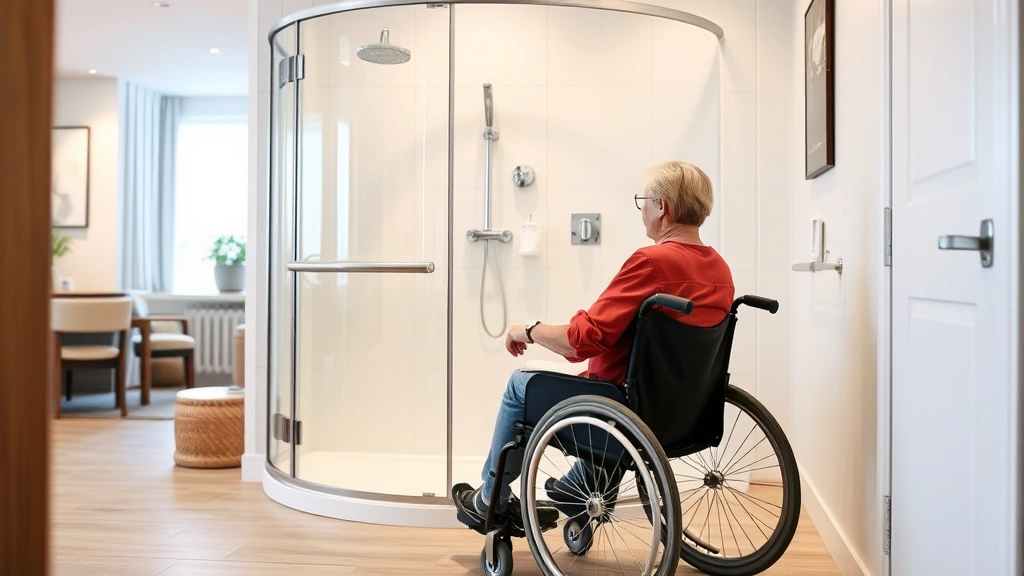
- Grab Bars & Accessibility Features: Requested by people with balance disorders, arthritis, neurological conditions, or mobility impairments. Prevents falls and enables safe bathing/toileting.
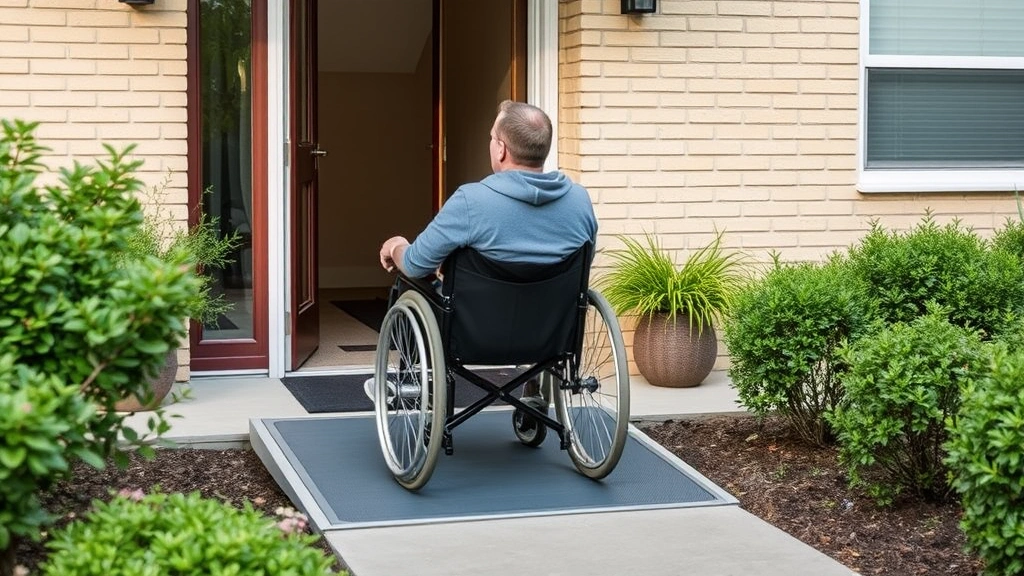
- Ground Floor Transfer: Medically justified for wheelchair users, people with severe joint pain on stairs, cardiac patients unable to climb, or those with oxygen-dependent respiratory conditions.
- Accessible Parking: Required for people with mobility impairments, chronic pain worsened by walking, or respiratory conditions requiring minimal exertion before entering the unit.
- Allergen Remediation: Removal of carpet, mold treatment, or HVAC upgrades for people with severe asthma, multiple chemical sensitivities, or allergic rhinitis that significantly impacts functioning.
- Pet Policy Exception: Often paired with service animal or emotional support animal letters for people with PTSD, depression, anxiety, or mobility assistance needs.
- Washer/Dryer In-Unit: For people with severe mobility impairments, chronic fatigue, or immunocompromised conditions unable to access shared laundry facilities.
- Lease Modification (early termination, rent reduction): Occasionally requested when a medical condition deteriorates or housing becomes unsuitable; requires strong clinical justification.
Each modification must have a clear medical-functional link. Vague requests are more easily denied.
What Your Doctor Should Include
A strong unit modification letter contains these essential elements:
- Letterhead & Credentials: Official practice letterhead, provider name, license type (MD, DO, NP, PA, LCSW, etc.), license number, and contact information. This establishes legitimacy and allows landlords to verify credentials if needed.
- Patient Identification: Your full name and date of birth to confirm the letter refers to you specifically.
- Relationship & Duration: How long the provider has been treating you and in what capacity. Longer-term relationships carry more weight than one-visit letters.
- Diagnosis or Functional Limitation: The provider does not need to disclose your diagnosis (e.g., “rheumatoid arthritis”), but must describe functional limitations. Example: “The patient experiences significant pain and reduced mobility in the lower extremities, limiting stair use and affecting balance.”
- Functional Impact on Housing: How the condition affects your ability to use standard housing. Example: “The patient’s mobility impairment makes it unsafe to navigate stairs; a ground floor unit is medically necessary to ensure safe access.”
- Medical Necessity of the Specific Modification: Why this modification addresses the functional limitation. Example: “Grab bars in the bathroom will reduce fall risk and enable safe independent toileting.”
- Nexus Statement: A clear connection: “In my professional opinion, this modification is medically necessary for the patient to safely and independently use their rental unit.”
- Signature & Date: Original signature (not stamped) with today’s date or recent date.
What the letter should NOT include:
- Unnecessary medical history or detailed diagnoses
- Mental health diagnoses (functional limitations only for psychiatric conditions)
- Prognosis or life expectancy
- Medication lists or treatment details unrelated to housing
- Speculation about future needs
How to Request One From Your Doctor
Step 1: Schedule an Appointment
If you haven’t seen your provider recently, schedule a visit specifically to discuss housing accommodations. Telehealth visits are acceptable for this purpose and often more convenient. Come prepared with notes about your functional limitations and the specific modification you need.
Step 2: Provide Clear Information
Write a brief email or bring a note explaining:
- The specific modification you’re requesting (e.g., “ground floor unit transfer”)
- How your medical condition affects your ability to use standard housing
- Why this modification is necessary (e.g., “My arthritis makes climbing stairs painful and unsafe”)
This helps your provider understand the context and write a more compelling letter.
Step 3: Ask for a Formal Letter
Request a formal letter on letterhead, not a note in your medical record. Ask that it be addressed generally (“To Whom It May Concern”) so you can use it for your current or future landlords. Some providers charge a small fee ($25–$75) for this service; it’s a legitimate administrative cost.
Step 4: Review & Request Revisions if Needed
When you receive the letter, check that it includes the elements listed above. If it’s too vague or missing key details, ask your provider to revise it. You might say: “This is helpful, but could you also mention how my condition affects my ability to use stairs safely?” Most providers are willing to strengthen the letter with minor revisions.
Step 5: Keep Copies & Store Securely
Make several copies and store originals in a safe place. You may need the letter for future housing, appeals, or legal proceedings. Consider scanning and backing it up digitally.
Presenting Your Letter to Your Landlord
Timing & Format
Submit your modification request and letter in writing via email (with read receipt) or certified mail. Include a brief cover letter stating your request clearly. Example:
“I am requesting a reasonable accommodation under the Fair Housing Act: a ground floor unit transfer due to a disability-related mobility limitation. My healthcare provider’s letter, attached, explains the medical necessity. I welcome discussing this further and am happy to answer questions.”
What NOT to Disclose
You do not need to disclose your diagnosis, prognosis, or specific medications. The letter’s functional language should be sufficient. If your landlord asks invasive questions, you can say: “My provider’s letter contains the information relevant to my accommodation request.”
Timeline Expectations
Landlords must respond to reasonable accommodation requests in a timely manner (typically 5–10 business days). Some will approve quickly; others may request clarification. If they deny your request, ask for the reason in writing. Denials must be based on undue financial burden or fundamental alteration—not skepticism about your disability.

Next Steps If Your Request Is Denied
Understand the Denial Reason
A landlord cannot deny a reasonable accommodation simply because they don’t believe you. They must provide a specific, documented reason (e.g., “This modification would cost $8,000 and fundamentally alter the structure”). Vague or discriminatory denials are violations.
Request Reconsideration or Negotiation
If denied, respond in writing requesting reconsideration. You might offer alternatives: “If a full ground floor transfer is not possible, would a first-floor unit be available?” Or you might offer to cover costs for minor modifications like grab bars.
File a Fair Housing Complaint
If your landlord refuses without legitimate cause, file a complaint with HUD’s Fair Housing Office (within 1 year of the violation) or your state/local fair housing agency. Complaints are free and can result in mediation, investigation, or legal action. You can also consult a fair housing attorney for a free or low-cost consultation.
Strengthen Your Documentation
If your first letter was denied, consider getting a second opinion from another healthcare provider or a specialist in your condition. A letter from a specialist (e.g., a rheumatologist for arthritis) often carries more weight than a primary care provider.
You might also request that your provider add specific details about how the modification will improve your safety or functioning. For example: “Installation of grab bars will reduce fall risk by an estimated 60% based on clinical evidence for patients with similar mobility limitations.”
FAQ
Can my landlord ask for my full medical records?
No. The Fair Housing Act limits what landlords can request. A letter from your healthcare provider is sufficient and standard evidence. Landlords cannot demand your medical records, diagnosis codes, or treatment history. If they do, you can refuse and report the violation to HUD or your local fair housing agency.
Do I need a letter from a medical doctor, or can other providers write one?
Licensed healthcare providers including MDs, DOs, nurse practitioners (NPs), physician assistants (PAs), and licensed mental health professionals (LCSWs, psychologists, psychiatrists) can write accommodation letters. The provider must have a professional relationship with you and be licensed in your state. Unlicensed practitioners’ letters carry minimal weight.
What if my landlord says the modification is too expensive?
Landlords can argue undue financial burden if the cost is genuinely excessive relative to their resources. However, minor modifications (grab bars, lever handles, threshold ramps) are typically considered reasonable. If they claim high cost, ask for a written estimate and consider offering to cover the cost yourself or finding a less expensive solution. You can also challenge their financial claim with HUD if it seems pretextual.
Can I be charged for a unit modification?
No. Under the FHA, landlords must cover the cost of disability-related modifications. However, they may require you to restore the unit to its original condition when you move out (e.g., removing grab bars, patching holes). Some landlords ask tenants to contribute to permanent modifications; this is a negotiation point, but the landlord cannot refuse the accommodation based solely on cost.
How long is a unit modification letter valid?
There is no set expiration date, but a recent letter (within 1–2 years) is more credible. If you move to a new landlord or your condition changes significantly, you may want to request an updated letter. If your condition improves or resolves, you should inform your landlord, as the accommodation may no longer be necessary.
What if I have a service animal or emotional support animal—do I need both a unit modification letter and an animal letter?
Possibly. If you’re requesting pet policy exceptions for a service animal or service animal verification, that’s handled separately. However, if you also need physical modifications (e.g., accessible parking for easier service animal access), you may need both letters. These are distinct accommodations, though they can be addressed in a single comprehensive letter from your provider.
Can I get a unit modification letter online without seeing a doctor in person?
Telehealth visits with licensed providers are legitimate and increasingly common. However, be cautious of websites offering pre-written letters without a real clinical relationship. A provider must genuinely know your medical history and functional limitations to ethically write a letter. Using fraudulent letters violates fair housing law and can result in lease termination or legal liability for you.
What should I do if my provider refuses to write a letter?
If your longtime provider refuses, ask why. They may need clarification about the purpose or content. If they still refuse, you have the right to seek a second opinion from another provider. Providers cannot ethically refuse to document legitimate medical needs, but they also cannot be coerced. If you believe the refusal is discriminatory, consult a fair housing attorney.