
Find ESA Documentation Near Me: Expert Tips for Getting Legitimate Support
Finding legitimate emotional support animal (ESA) documentation can feel overwhelming, especially when you’re navigating mental health challenges and housing uncertainties. Whether you’re searching for ESA letter online affordable options or need in-person verification, understanding where to look and what constitutes valid documentation is essential. This guide walks you through trusted resources, red flags to avoid, and how to access professional ESA verification from qualified mental health providers in your area.
ESA documentation serves a critical purpose: it legally establishes your need for an emotional support animal under the Fair Housing Act and Air Carrier Access Act. Unlike service animals, ESAs don’t require specialized training, but they do require legitimate documentation from a licensed mental health professional. The challenge many people face is distinguishing between legitimate providers and predatory online services that offer fake letters without proper evaluation. We’ll help you find credible documentation sources near you.
Finding Local ESA Providers
The best place to start your search for ESA documentation is with mental health professionals you already trust. If you’re currently seeing a therapist, psychologist, psychiatrist, or counselor, ask them directly about ESA letters. Licensed professionals who know your medical history and treatment plan are the most credible sources for documentation. They understand your condition, can assess your genuine need for an emotional support animal, and provide letters that hold legal weight.
To find licensed mental health providers in your area, use these resources:
- Psychology Today’s Therapist Directory: Search by location, specialty, and insurance acceptance
- SAMHSA National Helpline: Call 1-800-662-4357 for referrals to local mental health services
- Your Insurance Provider: Check your health plan’s directory for in-network therapists and psychiatrists
- Local Community Mental Health Centers: These nonprofits often provide affordable or sliding-scale services
- University Psychology Clinics: Many colleges offer mental health services to community members at reduced rates
- Employee Assistance Programs (EAP): If employed, your company may offer free mental health consultations
When contacting providers, be direct: explain that you have a mental health condition that causes functional limitations and you’re interested in learning whether an emotional support animal might benefit you. Reputable providers will schedule an evaluation before discussing ESA documentation.
What Constitutes Valid ESA Documentation
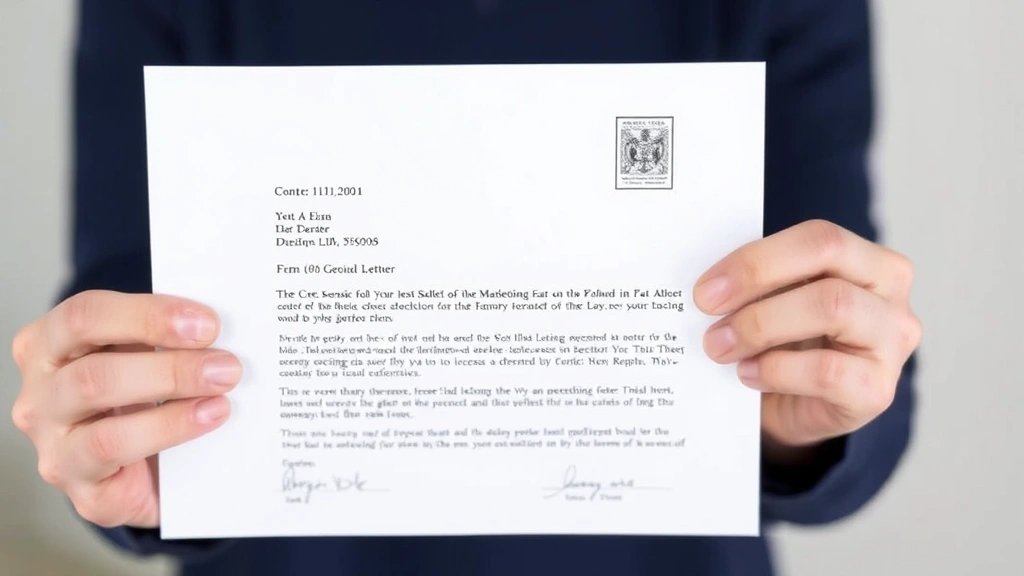
Legitimate ESA documentation must include specific elements to be legally defensible. Landlords, housing authorities, and airlines have clear standards for what they’ll accept. Your ESA letter should contain:
- Licensed Professional Credentials: The provider’s name, license type, license number, state, and expiration date
- Professional Contact Information: Office address, phone number, and email for verification
- Established Professional Relationship: Evidence that you’ve been in treatment with this provider (typically at least 30 days)
- Specific Diagnosis: A legitimate mental health condition recognized in the DSM-5
- Functional Limitations: Clear explanation of how your condition limits major life activities
- ESA Necessity Statement: Why the emotional support animal specifically helps with your condition
- Animal Description: Species, size, and basic appearance (no need for training certification)
- Professional Letterhead: Official documentation on provider’s letterhead with contact details
- Current Date and Signature: Handwritten or digital signature with date (valid for typically one year)
Poor quality letters that lack these elements—especially those from online mills with no real provider relationship—will likely be rejected by landlords and housing authorities. Worse, using fraudulent documentation can have serious legal consequences.

Telehealth ESA Documentation Options
If you can’t find local providers or prefer the convenience of remote consultations, legitimate telehealth platforms connect you with licensed professionals who can evaluate your need for an emotional support animal. Workplace accommodation letter telehealth services have expanded significantly, and many providers now offer comprehensive ESA evaluations online.
When choosing a telehealth ESA provider, verify:
- The provider holds an active, verifiable license in your state
- They require an intake assessment before issuing any documentation
- They have a real clinical relationship with you (at least one consultation, usually longer)
- They ask detailed questions about your mental health condition and how an animal helps
- They provide documentation on professional letterhead with verifiable credentials
- They maintain HIPAA compliance and secure patient records
Arvix Health offers ESA letter online affordable services through licensed mental health professionals who conduct thorough evaluations. The process typically involves initial consultation, clinical assessment, and professional documentation—all conducted securely online.
Red Flags and Scams to Avoid
The ESA documentation industry attracts many predatory services that issue fake letters without legitimate professional evaluation. Protect yourself by avoiding these warning signs:
- No Consultation Required: Legitimate providers always conduct at least one evaluation before issuing letters
- Instant Approval: Real clinical assessments take time; letters issued within hours are likely fraudulent
- Guaranteed Letters: No ethical provider guarantees approval—they evaluate genuine need
- Vague Provider Credentials: Can’t verify the provider’s license, state, or contact information
- Generic Template Letters: Professional ESA letters are personalized; generic templates are red flags
- Pressure to Pay: Aggressive marketing or pressure to purchase immediately suggests scam
- Non-Licensed Providers: Only licensed mental health professionals (MDs, DOs, psychologists, counselors, therapists) can legally issue ESA letters
- Unverifiable Contact Information: Phone numbers that don’t connect to real offices or email addresses that bounce
- Combining Sales: Services that sell ESA letters, registries, vests, and IDs together often operate scams
Using fraudulent ESA documentation can result in lease termination, housing discrimination claims, fines, and potential criminal charges. It’s never worth the risk.
The ESA Verification Process
Understanding how landlords and housing authorities verify ESA documentation helps you prepare appropriate materials. Most verification involves:
- Letter Review: Checking that documentation includes required elements and appears professional
- Provider Verification: Contacting the mental health professional to confirm the letter’s authenticity
- Credential Confirmation: Verifying the provider’s license through state licensing boards
- Relationship Confirmation: Confirming that you’ve been in treatment with the provider
When you obtain your ESA letter, keep copies of your provider’s license information readily available. Some landlords will contact your provider directly, and having their verified credentials accessible speeds up the process. Your provider should be willing to confirm the letter’s authenticity if contacted.
For additional functional limitation verification letter quick approval documentation, ensure your ESA letter includes detailed explanations of how your emotional support animal mitigates your condition’s symptoms.
Legal Requirements and Standards
ESA documentation is governed by specific federal laws that define what qualifies as legitimate:
- Fair Housing Act (FHA): Requires housing providers to make reasonable accommodations for people with disabilities, including allowing ESAs. Under FHA, you need documentation from a licensed mental health professional showing you have a disability-related need for the animal. Learn more at HUD.gov.
- Air Carrier Access Act (ACAA): Allows ESAs in airplane cabins. Airlines may request documentation, which should come from a licensed mental health provider familiar with your condition. The letter must confirm your disability-related need for the animal.
- Americans with Disabilities Act (ADA): Specifically defines service animals differently from ESAs. ESAs don’t have the same public access rights as service animals, but housing and air travel protections are strong. More information available at ADA.gov.
State laws vary regarding which professionals can issue ESA letters. Most states recognize:
- Licensed Psychologists (PhD, PsyD)
- Licensed Professional Counselors (LPC, LPCC)
- Licensed Clinical Social Workers (LCSW)
- Licensed Marriage and Family Therapists (LMFT)
- Psychiatrists (MD, DO)
- Psychiatric Nurse Practitioners (with appropriate credentials)
Verify your state’s specific requirements by checking your state’s mental health licensing board website.
FAQ
How much does legitimate ESA documentation cost?
Legitimate ESA letters from licensed professionals typically cost $200-$500 for the evaluation and documentation. This includes the professional’s time conducting an assessment. Some providers offer sliding-scale fees based on income. Be suspicious of services charging significantly less or more—extremely cheap services are often fraudulent, while extremely expensive services may be overcharging.
Can I get an ESA letter from my regular doctor?
Your primary care physician can technically issue an ESA letter if they’re licensed to diagnose mental health conditions and have an established relationship with you. However, mental health specialists (therapists, psychiatrists, psychologists) are typically better positioned to provide documentation since they specialize in behavioral health. Your doctor can refer you to a mental health professional if they’re not comfortable issuing the letter.
How long is an ESA letter valid?
Most ESA letters are valid for one year from the date of issuance. Some providers issue letters valid for two years. You’ll need to renew your documentation annually, which typically requires a follow-up consultation with your provider. This ensures your condition and need for the animal remain current.
Do I need to register my ESA?
No. There is no official ESA registry required by law. Websites offering ESA registration or certification are not providing legally required documentation—they’re selling optional items. Your letter from a licensed mental health professional is sufficient legal documentation. Be wary of services bundling registration with letters, as this is often a scam indicator.
What if my provider refuses to write an ESA letter?
Your provider may decline to write an ESA letter if they don’t believe you have a genuine disability-related need for an emotional support animal. This is their professional judgment, and they’re not required to issue letters if they don’t support the recommendation. If this happens, consider seeking a second opinion from another licensed mental health professional, or explore whether other accommodations might better serve your needs.
Can I get ESA documentation for multiple animals?
Yes, though less commonly. Your ESA letter should specify each animal. Your provider will need to assess whether you have a disability-related need for more than one emotional support animal. Some housing providers may question multiple ESAs, so having detailed clinical justification is important.
What happens if I submit fraudulent ESA documentation?
Using fake ESA letters can result in lease termination, eviction, housing discrimination lawsuits, fines up to $100,000, and potential criminal charges for fraud. The consequences are severe and affect your housing history, making future rentals difficult. Always obtain legitimate documentation.
How do I renew my ESA letter?
Contact your mental health provider 30-60 days before your letter expires to schedule a renewal consultation. Most providers offer renewal appointments, which are typically shorter and less expensive than initial evaluations since they already know your history. Some providers proactively contact patients before expiration to schedule renewals.
Can I get an ESA letter if I’m unemployed or low-income?
Yes. Your financial situation doesn’t affect your eligibility for ESA documentation. Many providers offer sliding-scale fees, and community mental health centers often provide affordable services. If cost is a barrier, ask potential providers about payment plans or reduced fees.
Do I need to disclose my ESA to my landlord immediately?
You should disclose your need for an ESA accommodation before signing a lease or shortly after if you didn’t have the animal initially. Provide your ESA letter as requested. Some landlords may ask you to wait until they verify the documentation before approving the animal. Being proactive and transparent prevents conflicts later.
Finding legitimate medical hardship letter licensed doctor or ESA documentation doesn’t have to be complicated. Start with your current healthcare providers, verify credentials carefully, and avoid services that promise instant approval. Your mental health and housing stability depend on obtaining genuine, legally defensible documentation from qualified professionals.