Functional Limitation Verification via Telehealth: Expert Tips
Obtaining a functional limitation verification letter through telehealth has become increasingly accessible and practical for individuals seeking workplace accommodations, housing modifications, or legal protections. Telehealth appointments eliminate geographical barriers and scheduling conflicts while maintaining the clinical rigor required for legitimate medical documentation. Whether you’re managing a chronic condition, recovering from an injury, or navigating a disability-related need, understanding how to effectively communicate your functional limitations to a healthcare provider via video consultation is essential.
A functional limitation verification letter serves as official medical documentation that outlines specific physical or mental health conditions and their measurable impact on your daily activities, work performance, or ability to access services. When obtained through telehealth, this letter carries the same legal weight as in-person documentation—provided the provider is licensed, the assessment is thorough, and the letter meets regulatory standards. This guide walks you through the telehealth verification process, helping you prepare, communicate effectively, and secure the documentation you need.

Understanding Functional Limitation Verification
A functional limitation verification letter is a clinical document that formally documents how a medical condition affects your ability to perform specific tasks, maintain employment, or access community services. Unlike a general diagnosis letter, which simply states that you have a condition, a functional limitation letter connects that condition to concrete, measurable impacts on your functioning. For example, rather than stating “chronic migraine,” it specifies “experiences migraines 3-4 times weekly, lasting 4-8 hours, causing inability to concentrate and requiring rest in a dark environment.”
These letters are commonly requested by employers evaluating ADA reasonable accommodations for remote work, landlords assessing housing accessibility needs, courts determining disability-related legal accommodations, or educational institutions reviewing academic adjustments. The specificity of functional limitations—rather than diagnoses alone—is what makes these letters legally defensible and practically useful for determining appropriate accommodations.
Functional limitations encompass physical restrictions (mobility, dexterity, endurance), cognitive challenges (memory, concentration, processing speed), sensory limitations (vision, hearing), and mental health impacts (anxiety, panic attacks, depression-related fatigue). A comprehensive functional limitation letter addresses how these limitations manifest in real-world contexts and what environmental or schedule modifications would enable better functioning.

Why Telehealth Works for Verification Letters
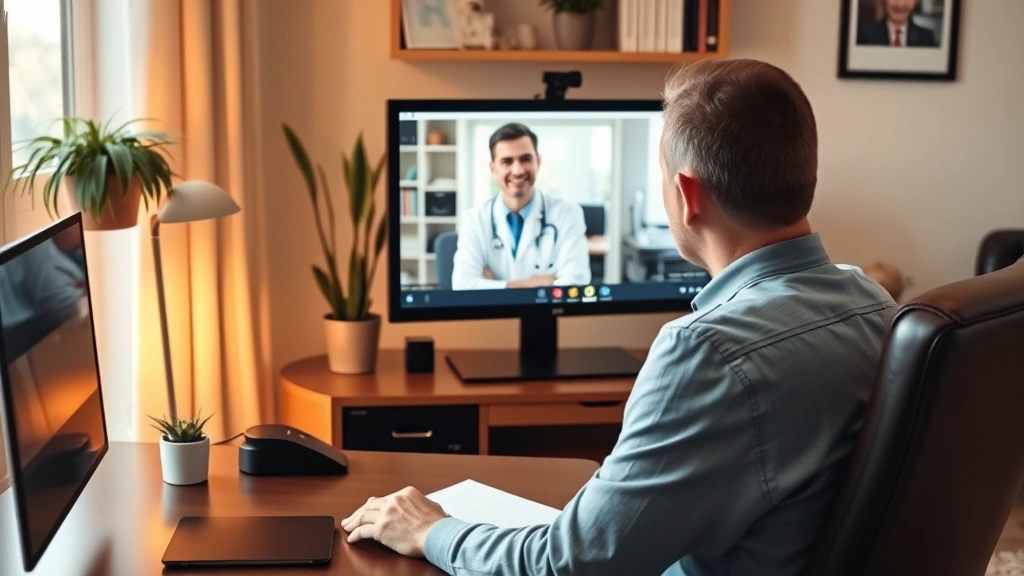
Telehealth appointments are fully capable of producing legitimate, legally recognized functional limitation verification letters. Licensed healthcare providers—including physicians, psychiatrists, psychologists, nurse practitioners, and physician assistants—can conduct thorough assessments via video consultation. The key requirement is that the provider has appropriate licensure in your state and has established a genuine provider-patient relationship through the telehealth consultation.
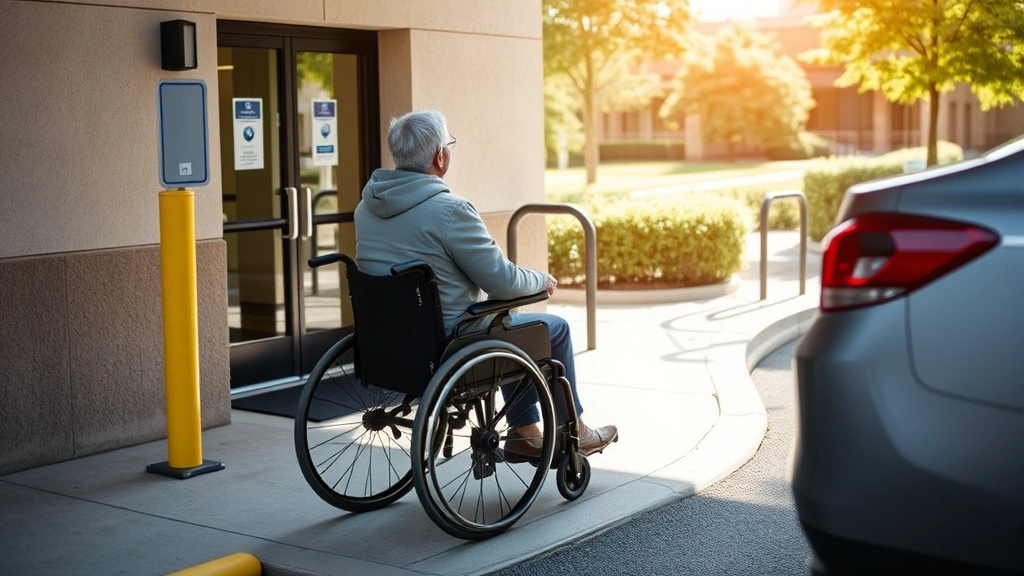
Telehealth offers significant advantages for functional limitation verification. Remote appointments eliminate transportation barriers for individuals with mobility limitations, reduce appointment wait times, and allow you to be in a comfortable environment where you can clearly articulate how your condition affects daily functioning. Many telehealth providers specialize in disability documentation, meaning they understand exactly what information employers, landlords, and courts require in verification letters.
The Equal Employment Opportunity Commission (EEOC) and U.S. Department of Justice ADA.gov both recognize telehealth-obtained medical documentation as legally valid when provided by licensed practitioners. The format of the consultation—in-person versus video—does not diminish the clinical validity or legal standing of the resulting letter, provided the assessment is thorough and documented appropriately.
Preparing for Your Telehealth Appointment
Successful functional limitation verification begins with preparation. Before your telehealth appointment, gather relevant medical records, including previous diagnoses, treatment history, medication lists, and any prior functional assessments. Compile a detailed timeline of when your condition began, how it has progressed, and what specific activities have become more difficult.
Create a list of your functional limitations organized by category: physical (can you lift, stand, walk, sit for extended periods?), cognitive (concentration, memory, multitasking), sensory (vision, hearing), and emotional/behavioral (anxiety triggers, panic response, mood stability). For each limitation, note specific examples of how it impacts work, home, or social activities. Instead of saying “I have trouble concentrating,” write “I cannot attend meetings longer than 30 minutes without becoming distracted, and I need breaks every 45 minutes when working on detailed tasks.”
Document any accommodations that have helped you function better—remote work, flexible scheduling, reduced workload, environmental modifications—as this information helps the provider understand what level of accommodation is appropriate and effective for you. Also prepare information about your daily routine: typical wake time, work schedule, physical activities, and any patterns in symptom severity. This contextual information helps the telehealth provider assess functional impact realistically.
Test your technology before the appointment. Ensure your internet connection is stable, your camera and microphone work clearly, and you’re in a private, quiet space where you can speak freely about your health. Have your insurance information and photo ID ready, as you would for an in-person visit.
Communicating Your Functional Limitations Effectively
During your telehealth appointment, clear communication about functional limitations is critical. The provider needs to understand not just what your condition is, but how it functionally restricts your activities. Use specific, measurable language whenever possible. Instead of “I’m tired all the time,” say “I wake exhausted after 8 hours of sleep, and by 2 PM I need a 30-minute rest period to continue working, or my error rate increases significantly.”
Describe limitations in the context of the specific accommodation you’re seeking. If you’re requesting a workplace accommodation letter from a licensed doctor, explain how your functional limitations affect job performance and which accommodations would enable you to work effectively. If seeking housing accommodations, describe how your condition affects your ability to navigate stairs, access bathrooms, or manage noise sensitivity.
Be honest about bad days and good days. Many conditions fluctuate; documenting this variability helps the provider and the recipient understand that you need accommodations for your baseline functioning, not just your worst-case scenarios. Explain what percentage of time you experience significant limitations, and what external factors (weather, stress, activity level) influence symptom severity.
Bring up any previous accommodations that worked well or poorly. If you’ve tried remote work and it significantly improved your functioning, mention this. If you’ve found that flexible start times help you manage morning symptoms, specify this. This evidence-based approach strengthens the provider’s recommendation for specific accommodations.
Ask the provider directly what information they need included in the letter. Most providers will explain what their standard functional limitation letters include, and you can ensure all relevant information about your specific situation is covered. This collaborative approach ensures the final letter addresses your actual needs.
What to Expect in the Letter
A comprehensive functional limitation verification letter obtained via telehealth should include several key components. The letter begins with the provider’s credentials, license number, and contact information, establishing their authority to make medical assessments. It includes the date of the telehealth consultation and confirms that the provider-patient relationship was established during this appointment.
The letter then documents your medical condition(s), with specificity about diagnosis and duration. Rather than vague language, it includes functional impact statements: “Patient reports difficulty sustaining attention for periods exceeding 45 minutes, requiring breaks to reset focus and prevent error accumulation. This significantly impacts ability to participate in meetings longer than one hour or to complete detailed analytical work without interruption.”
Effective functional limitation letters include specific recommendations for accommodations. Instead of saying “reasonable accommodations needed,” they state “To enable optimal job performance, this patient would benefit from: ability to attend meetings via video rather than in-person, permission to step away for 5-minute breaks each hour, and flexibility to schedule cognitively demanding tasks during peak performance hours (typically 9 AM-1 PM for this patient).”
The letter addresses the duration of functional limitations—whether they are temporary, expected to improve with treatment, or permanent—and any anticipated changes in functional status. It may include information about treatment compliance and how current treatments affect functional capacity. The provider signs and dates the letter, and includes their license number and contact information, enabling verification if needed.
For workplace accommodations, the letter may specifically reference the Americans with Disabilities Act (ADA) and confirm that the functional limitations substantially limit a major life activity, which is the legal threshold for ADA protection. For housing, the letter may address Fair Housing Act requirements. For court or legal matters, the letter addresses relevant legal standards for that context.
Legal Standards and Compliance
Functional limitation verification letters obtained via telehealth must meet the same legal standards as in-person letters. According to HUD.gov guidelines, letters must be from licensed healthcare providers with appropriate credentials in your state. The provider must have conducted a genuine clinical assessment—not simply written a letter based on your request—and must maintain clinical objectivity.
The EEOC and JAN (Job Accommodation Network) both recognize that functional limitations must be documented by qualified healthcare providers and must connect specific medical conditions to measurable functional restrictions. Vague letters that don’t specify what activities are limited, or letters that seem to simply validate whatever the patient requests without clinical assessment, may be challenged by employers or institutions.
For ADA compliance, the letter should demonstrate that the functional limitation substantially limits a major life activity (working, walking, seeing, hearing, learning, concentrating, thinking, communicating, performing manual tasks, etc.). The letter doesn’t need to use the exact phrase “substantially limits,” but the functional impact described should make this clear. For example, if your functional limitation prevents you from working in standard office environments but you can work remotely, the letter should document this specific functional impact.
State laws vary regarding telehealth licensure and what constitutes a valid provider-patient relationship. Most states recognize that a single telehealth appointment can establish this relationship for purposes of issuing medical documentation, but some states have specific requirements about the nature of the consultation or the provider’s prior knowledge of the patient. Verify your state’s requirements; your telehealth provider should be familiar with these standards.
The letter should be on official letterhead with the provider’s name, credentials, license number, and contact information. This enables recipients to verify the provider’s legitimacy if needed. Some employers or institutions may contact the provider to confirm they issued the letter, so ensuring the provider’s information is accurate and up-to-date is important.
Common Challenges and Solutions
Challenge: Skepticism about telehealth legitimacy. Some employers or institutions may question whether a telehealth-obtained letter is valid. Solution: Ensure the letter includes the provider’s full credentials, license number, and contact information. If challenged, ask the provider to provide additional verification. Most providers are accustomed to this and can quickly confirm the letter’s authenticity.
Challenge: Letter lacks sufficient specificity. A generic letter that doesn’t address your particular functional limitations won’t be useful for securing accommodations. Solution: Before the appointment, prepare detailed examples of your functional limitations. During the appointment, ask the provider to include specific examples in the letter. Request to review a draft before finalization if possible.
Challenge: Concern that telehealth providers may be less thorough. While some telehealth appointments are brief, functional limitation assessments require time and depth. Solution: Choose providers or platforms that specialize in disability documentation. Proof of disability letters from doctors obtained through specialized services often involve longer consultations specifically designed to gather functional information.
Challenge: Difficulty articulating functional limitations clearly. Many people struggle to describe how their condition affects functioning in concrete terms. Solution: Bring notes or a written list to your appointment. Use your calendar to track patterns of good and bad days. Describe specific work tasks or daily activities that are affected. The provider can help translate your experiences into clinical language.
Challenge: Concern about cost and insurance coverage. Telehealth appointments vary in cost, and insurance coverage differs. Solution: Ask about costs before booking. Some providers offer tiered pricing. If insurance doesn’t cover it, some providers offer payment plans. Remember that a functional limitation letter is an investment in securing accommodations that significantly improve your quality of life and functioning.
Challenge: Getting a letter that addresses your specific accommodation needs. Different situations require different information in the letter. Solution: Clearly explain to the provider what you’re using the letter for—workplace accommodation, housing accessibility, educational adjustment—and what specific accommodations you’re requesting. The provider can tailor the letter accordingly.
FAQ
Can a telehealth provider issue a functional limitation verification letter that’s legally valid?
Yes, absolutely. A licensed healthcare provider conducting a telehealth appointment can issue a legally valid functional limitation verification letter. The ADA, EEOC, HUD, and courts all recognize telehealth-obtained medical documentation. What matters is that the provider is licensed in your state, conducted a genuine clinical assessment, and the letter meets professional standards for medical documentation.
How long does a telehealth appointment for functional limitation verification typically take?
Appointments specifically designed for functional limitation verification usually last 45-90 minutes. This allows time for the provider to understand your medical history, assess your functional limitations in detail, and discuss what accommodations would be most helpful. Shorter appointments may not provide sufficient depth for a comprehensive letter.
What if I don’t have a previous relationship with the telehealth provider?
That’s fine. A single telehealth appointment can establish the provider-patient relationship necessary for issuing medical documentation. The provider will conduct an assessment during that appointment based on your history, current symptoms, and functional limitations. This is sufficient to issue a legitimate letter.
How much does a functional limitation verification letter via telehealth cost?
Costs vary widely depending on the provider and platform, ranging from $100 to $500 or more. Some insurance plans cover telehealth appointments for disability documentation; others don’t. Ask about costs upfront and whether your insurance might cover it. Some providers offer sliding scale fees.
Can I request specific accommodations in my functional limitation letter?
Yes. Discuss your accommodation needs with the provider during your appointment. A good provider will listen to what you’re requesting and provide clinical recommendations based on your functional limitations. The provider isn’t obligated to recommend something they don’t think is clinically appropriate, but they should explain their reasoning if they decline a request.
How long is a functional limitation verification letter valid?
This depends on the context and your condition. Many employers accept letters dated within the past year. Courts may require more recent documentation. If your condition is stable and not expected to change, one letter may serve you for several years. If your condition fluctuates or you’re undergoing treatment that may change your functional status, you may need updated letters more frequently.
What should I do if my employer or institution questions the validity of my telehealth-obtained letter?
Ask them what specific concerns they have. If they question whether the provider is licensed, ask them to contact the provider directly for verification—most providers have processes for this. If they’re concerned about the depth of the assessment, ask the provider to provide additional documentation or clarification. Most legitimate concerns can be addressed through verification or additional communication with the provider.
Can I use the same functional limitation letter for different purposes (work, housing, education)?
A general functional limitation letter can be used for multiple purposes if it’s sufficiently detailed. However, different contexts may require different emphases. A housing accommodation letter might emphasize physical accessibility needs, while a workplace accommodation letter emphasizes cognitive or stamina-related limitations. You can often use one comprehensive letter for multiple purposes, but sometimes a targeted letter for a specific context is more effective.
What if my functional limitations are primarily mental health-related?
Mental health conditions can be documented through functional limitation letters just as physical conditions are. Providers might describe limitations like “difficulty concentrating for more than 30 minutes due to anxiety,” “avoidance of in-person meetings due to social anxiety,” or “morning fatigue and delayed sleep cycle due to depression.” Mental health functional limitations are equally valid and legally recognized.
How do I know if a telehealth provider is legitimate and qualified to issue functional limitation letters?
Verify that the provider is licensed in your state through your state’s medical board website. Check that they’re offering services through a legitimate telehealth platform or practice. Read reviews or ask for references. Legitimate providers will have clear information about their credentials, will conduct a thorough assessment, and will provide letters on official letterhead with complete contact information.
Getting a functional limitation verification letter via telehealth is a practical, accessible way to secure the documentation you need for workplace accommodations, housing modifications, or legal protections. By preparing thoroughly, communicating clearly about your specific functional limitations, and working with a qualified telehealth provider, you can obtain a letter that effectively supports your accommodation requests. Medical disability documentation from licensed doctors through telehealth is increasingly recognized as standard practice, making it easier than ever to access the clinical documentation that enables meaningful accommodations.