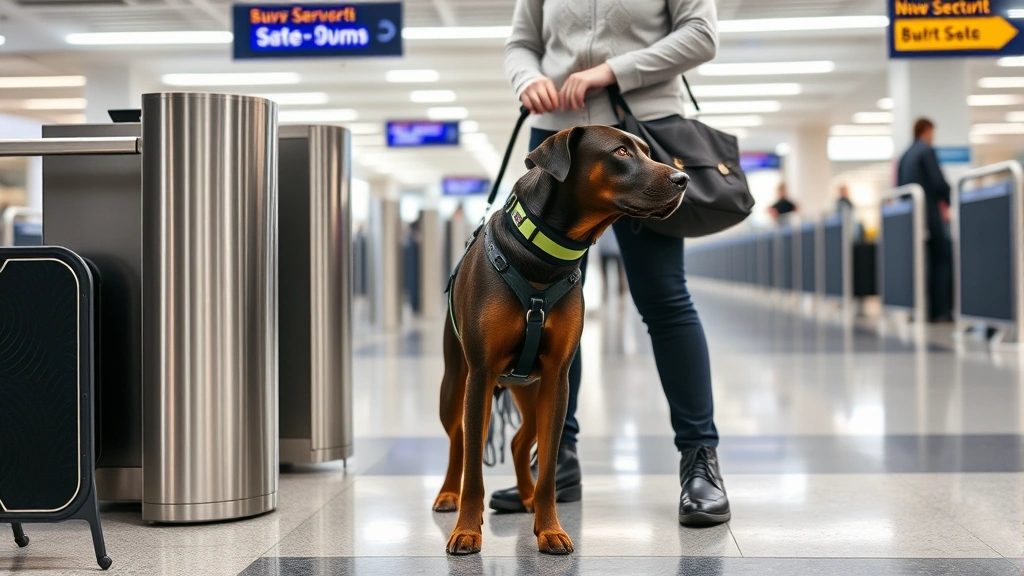
Affordable Service Animal Travel Docs: Expert Tips
Traveling with a service animal requires proper documentation to ensure smooth journeys through airports, hotels, and public transportation. Many handlers worry about the cost of obtaining legitimate travel papers, but affordable options exist when you understand what documents are actually required by law and how to obtain them efficiently. This guide walks you through the essentials of service animal travel documentation, cost-effective strategies, and insider tips to protect both your animal and your rights.
Service animals perform critical tasks for people with disabilities—from guiding individuals with visual impairments to alerting those with seizure disorders or PTSD. When traveling domestically or internationally, proper documentation becomes your first line of defense against denial of access and unnecessary questioning. Understanding the difference between legitimate requirements and unlawful requests will save you money and stress.
What Documentation Do Service Animals Actually Need?
Under the Americans with Disabilities Act (ADA), service animals are not required to wear special identification, carry documentation, or have any official certification. This is crucial: no government agency issues service animal licenses or certifications. However, having proper documentation from your healthcare provider can prevent confrontations and expedite travel.
The key documents you should obtain include:
- Healthcare Provider Letter: A statement from your licensed physician, psychiatrist, or mental health professional confirming your disability and the service animal’s necessity. This is the most valuable document and costs significantly less than fraudulent “official” certifications.
- Service Animal Attestation Form: The TSA provides a free Service Animal Attestation form that you can complete and have your provider sign.
- Vaccination and Health Records: Airlines and hotels may request proof of vaccinations and health certificates, especially for international travel.
- Travel Insurance Documentation: Some policies require medical certification of your disability-related needs.
Many people mistakenly purchase expensive “service animal registries” or “official certifications” online. These are scams. No legitimate registry exists, and paying for fake credentials wastes money and could complicate your legal standing.
Affordable Ways to Obtain Service Animal Travel Letters
Getting a proper healthcare provider letter doesn’t require expensive specialized services. Here are cost-effective approaches:
Option 1: Your Existing Healthcare Provider
Contact your current doctor, psychiatrist, or therapist. They already understand your condition and can write a letter confirming your disability and the service animal’s role. Many providers charge $25–$100 for a letter, or may provide it free as part of your care. This is the most affordable option and carries the most legal weight because it comes from someone who knows you.
Option 2: Telehealth Providers
Telehealth platforms offering doctor notes for accommodation often provide service animal letters at $100–$200. These are legitimate licensed providers, making the documentation legally sound. Ensure the provider is licensed in your state and has proper credentials.
Option 3: Disability Rights Organizations
Some non-profit disability organizations offer low-cost or sliding-scale documentation services. Contact your state’s disability rights council or local service animal organizations for referrals.
Option 4: University Health Services
If you’re a student, your university health center may provide documentation at reduced or no cost. Consider exploring academic accommodation letter resources if you travel for school.
What to Include in Your Request
When requesting a letter from any provider, ask them to include:
- Confirmation of your diagnosed disability
- How long they’ve known you and your condition
- Specific tasks the service animal performs
- Why the animal is necessary for your safety or independence
- That the animal is trained to perform these specific tasks
- Dated signature and license number
A well-written letter from any licensed healthcare provider will satisfy nearly all travel requirements and costs far less than fraudulent registry services.
TSA and Airline Requirements Explained
The Transportation Security Administration has specific guidelines for service animals that differ from emotional support animals. Understanding these distinctions saves money by helping you avoid unnecessary documentation purchases.
TSA Service Animal Rules
The TSA allows service animals in the cabin of aircraft at no charge. They do not require special documentation, but you may be asked questions to verify the animal’s status. The TSA website clarifies that they may ask: “Is that a service animal?” and “What task does it perform?” You are not required to provide written documentation, but having it available prevents disputes.
Service animals must pass through security screening and may be subject to additional screening procedures. They must remain under control at all times and cannot block aisles or seating areas.
Airline-Specific Policies
Different airlines have varying policies. Some accept the TSA Attestation form, while others may request a healthcare provider letter. Before booking, contact your airline directly to ask their specific requirements. This prevents purchasing unnecessary documentation.
Major carriers like United, American, and Delta generally accept:
- TSA Service Animal Attestation Form (free)
- Healthcare provider letter
- Vaccination records
International Air Travel
International flights require additional documentation. You’ll need health certificates from a USDA-accredited veterinarian (typically $50–$150) and may need an APHIS import permit depending on destination country. Plan 4–6 weeks ahead for international travel documentation.
Ground Transportation
Amtrak, buses, and trains have different policies. Amtrak allows service animals free of charge with no documentation requirement, though you may carry your healthcare provider letter for verification. Greyhound and regional bus services have similar policies but may ask questions. Having documentation available prevents conflicts.
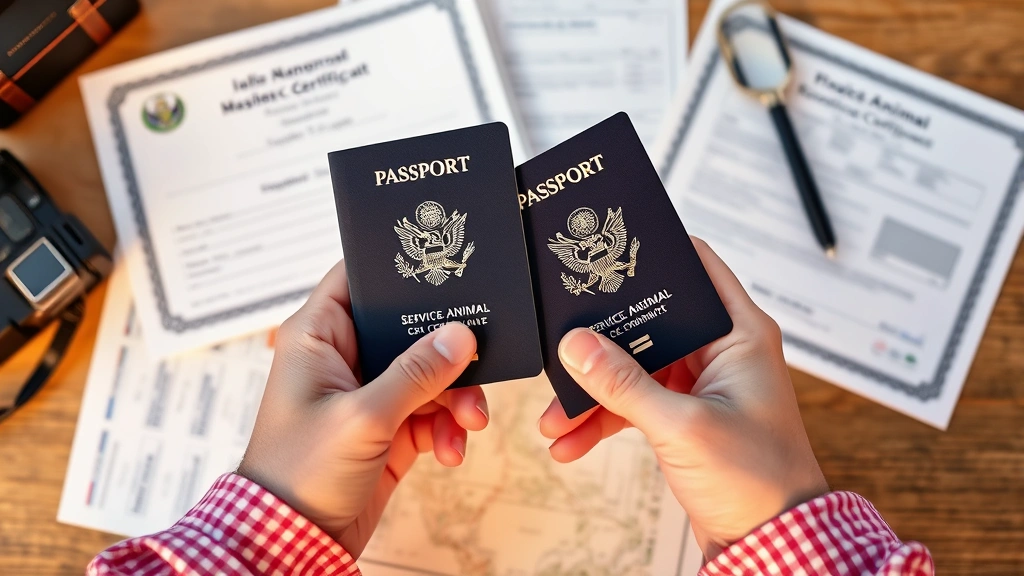
International Travel Documentation
Traveling internationally with a service animal requires more extensive paperwork, but many costs can be minimized with planning.
Required Documents
- Health Certificate: Issued by a USDA-accredited veterinarian within 10 days of travel. Cost: $50–$150.
- Rabies Vaccination Record: Most countries require proof of current rabies vaccination. Your regular veterinarian provides this free or for $15–$25.
- Import Permits: Some countries (UK, Australia, Japan) require advance import permits. Check your destination’s agricultural department website.
- Microchip Documentation: Many countries require microchipping. Cost: $25–$50 at your vet.
- Healthcare Provider Letter: Your disability documentation letter is valuable internationally. Have it notarized ($10–$25) for additional credibility.
Cost-Saving Strategies
Schedule your veterinary health certificate appointment during a regular check-up to avoid additional exam fees. Request all documents together to streamline the process. Many vets charge a flat fee ($50) for the health certificate rather than charging for a separate appointment.
For frequent international travelers, consider obtaining your ESA documentation legal requirements and service animal documentation during one comprehensive healthcare visit. This consolidates costs and ensures all papers are current.
Research your specific destination’s requirements at least 8 weeks before departure. Some countries have breed restrictions or specific training certifications for service animals that require advance notification.
How to Avoid Scams and Unnecessary Costs
The service animal documentation industry is rife with scams designed to exploit people’s uncertainty about requirements. Protect yourself by understanding what’s legitimate and what’s not.
Red Flags for Scams
- “Official” Service Animal Registries: No government agency maintains a service animal registry. Any website claiming to be an “official registry” or selling certificates is fraudulent.
- Guaranteed Approval: Legitimate documentation services cannot guarantee approval because requirements vary by location and situation.
- Prices Over $500 for Domestic Documentation: A healthcare provider letter should cost $50–$300. Anything significantly higher is likely a scam.
- No Licensed Provider Involvement: Legitimate services involve actual licensed healthcare providers who evaluate your situation. If you never speak to a licensed professional, it’s not legitimate.
- Vests and ID Tags as “Requirements”: Service animals are not required to wear special vests or carry ID tags. These are optional items, not mandatory documentation.
Legitimate Documentation Sources
Stick with:
- Your personal healthcare provider
- Licensed therapists or psychiatrists
- Telehealth providers with verifiable credentials
- Your state’s disability rights organization
- Veterinarians for health certificates
- The TSA and airline websites for official forms
If you’re unsure about a service, check whether the provider is licensed by your state’s medical board or psychology licensing board. You can verify credentials online through your state’s regulatory agency.
Protecting Your Documentation While Traveling
Once you’ve obtained your documentation, protect it during travel to prevent loss or damage.
Organization Strategies
- Digital Copies: Photograph all documents and store them in cloud storage (Google Drive, Dropbox). This ensures access even if physical copies are lost.
- Laminated Originals: Keep laminated copies of key documents in your carry-on luggage. Cost: $1–$3 per document at any office supply store.
- Multiple Copies: Carry 3–4 printed copies—one in your wallet, one in luggage, one with your service animal’s carrier, and one in your checked bag.
- Letter of Rights: Print the ADA Service Animal guidance and carry it. This helps if you encounter misinformed staff.
Communication Tools
Create a simple one-page summary of your service animal’s training and tasks. This is faster than presenting lengthy documentation and often satisfies questions without requiring full disclosure of your medical details.
If you have a housing-related accommodation need while traveling, understand that housing accommodation letters may be requested at hotels or rentals. Keep this documentation accessible as well.
When to Present Documentation
You are not required to present documentation unless authorities have legitimate reason to question whether your animal is a service animal. However, voluntarily presenting it often prevents conflicts. Use your judgment based on the situation.
If questioned, remain calm and factual. You can say: “This is my service animal. It’s trained to perform specific tasks for my disability,” and offer documentation if the person seems genuinely uncertain.
FAQ
Do service animals need official certification to travel?
No. The ADA does not require service animals to have any official certification, registration, or identification. However, a letter from your healthcare provider is valuable documentation that prevents conflicts and is much cheaper than fraudulent registry services.
How much should I expect to pay for service animal travel documentation?
A healthcare provider letter typically costs $50–$300. A TSA Attestation form is free. International health certificates cost $50–$150. Avoid any service charging over $500 for basic documentation without clear justification.
Can I use an ESA letter for my service animal?
No. Emotional support animals and service animals are legally distinct. An ESA letter for school or housing won’t work for service animal travel. You need documentation confirming your service animal’s specific trained tasks, not just emotional support.
What if airlines ask for documentation I don’t have?
Ask what specific information they need. If they request something not required by law (like a registry certificate), explain that no such official registry exists. Offer your healthcare provider letter instead. If they refuse to allow your service animal, ask to speak with a manager and cite the ADA.
Is a service animal vest required for travel?
No. Vests are optional. Service animals do not need to wear special clothing or carry ID tags. However, some handlers use vests to prevent public confusion and reduce unwanted interactions.
How far in advance should I arrange travel documentation?
For domestic travel, 2–3 weeks is sufficient. For international travel, start 6–8 weeks ahead to allow time for import permits, health certificates, and any required vaccinations or treatments.
What if I lose my documentation while traveling?
Having digital copies in cloud storage allows you to print replacements at any internet café or hotel business center. You can also contact your healthcare provider to request an emergency copy via email. This is why digital backups are essential.
Are there affordable alternatives to hiring a documentation service?
Yes. Contact your current healthcare provider first—they may provide documentation free or at minimal cost. Telehealth providers offer affordable letters ($100–$200). Disability rights organizations sometimes offer sliding-scale services. These options are legitimate and far cheaper than scam registries.