Instant Housing Accommodation Letter: Expert Tips for Quick Approval
A housing accommodation letter is a critical document that verifies your medical need for specific living arrangements or modifications. Whether you require an accessible unit, allergen-free housing, ground floor placement, or other disability-related accommodations, having an instant housing accommodation letter can accelerate your approval process and ensure your landlord or property manager understands your legitimate needs under fair housing law.
The urgency of securing housing that meets your medical requirements cannot be overstated. Delays in obtaining proper documentation can result in housing denials, prolonged living situations that worsen your health, or unnecessary legal conflicts with landlords. This comprehensive guide walks you through obtaining an instant housing accommodation letter, understanding what makes it effective, and leveraging it to secure the accommodations you deserve.
What Is a Housing Accommodation Letter?
A housing accommodation letter is a medical document written by a licensed healthcare provider that verifies your disability and explains your need for specific housing modifications or accommodations. Unlike a general general disability confirmation letter, a housing accommodation letter is tailored specifically to residential needs and fair housing compliance.
This letter serves as official documentation that your requested accommodations are medically necessary, not merely convenient preferences. Common housing accommodations addressed in these letters include:
- Accessible unit placement – Ground floor or elevator-accessible units for mobility limitations
- Allergen-free housing – Units free from specific allergens or pet dander
- Accessible parking – Reserved, accessible parking spaces near your unit entrance
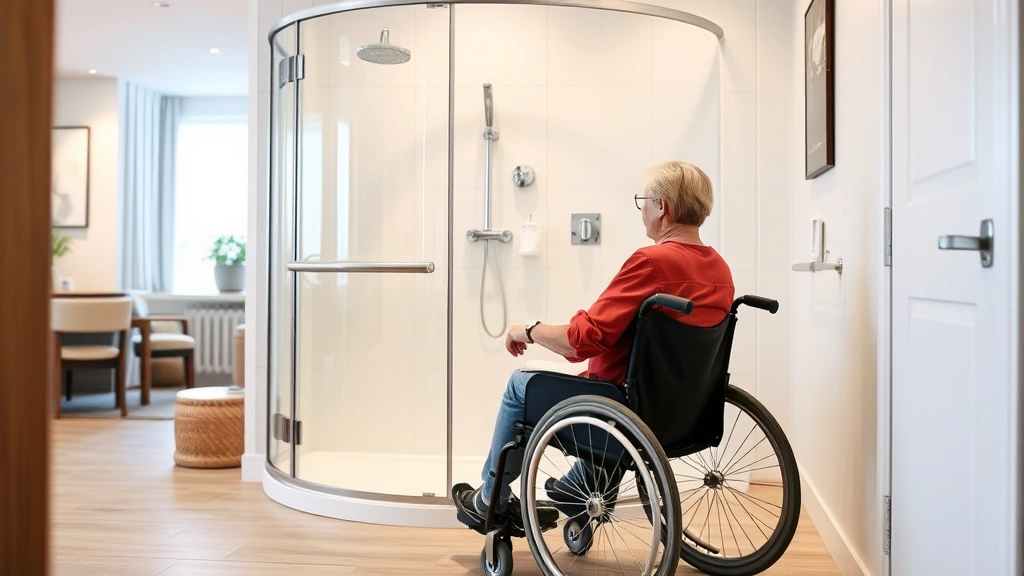
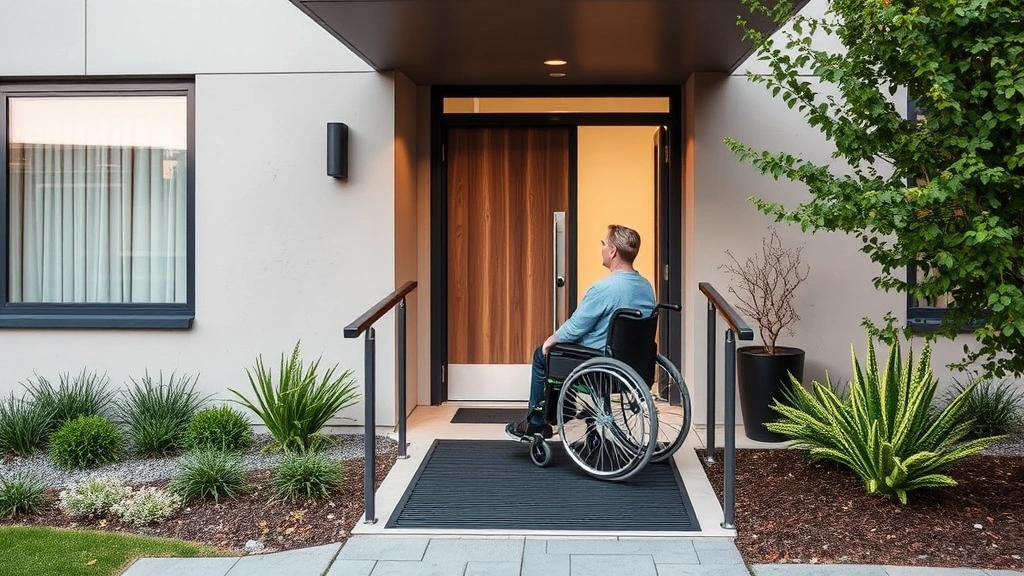
- Unit modifications – Grab bars, ramps, widened doorways, or bathroom adaptations
- Policy exceptions – Pet ownership for service animals, lease term modifications, or early termination rights
- Environmental controls – HVAC modifications, noise reduction, or lighting accommodations
The letter establishes a legal paper trail demonstrating that your accommodation request is disability-based and protected under the Fair Housing Act and Americans with Disabilities Act. This protection is essential if disputes arise with your landlord.
Legal Requirements and Fair Housing Laws
Understanding the legal framework surrounding housing accommodations ensures your letter meets regulatory standards and provides maximum protection. The Fair Housing Act, enforced by HUD (Department of Housing and Urban Development), prohibits discrimination based on disability and requires landlords to provide reasonable accommodations.
An ADA disability verification letter or fair housing accommodation letter must meet these legal standards:
- Written by a licensed provider – A physician, psychiatrist, psychologist, nurse practitioner, or other qualified healthcare professional with direct knowledge of your condition
- Specific diagnosis or functional limitation – The letter should describe how your disability affects major life activities, without necessarily disclosing your specific diagnosis if you prefer privacy
- Clear nexus between disability and accommodation – Explicit explanation of why the requested accommodation is medically necessary
- Provider credentials – Letterhead, license number, contact information, and signature from the healthcare provider
- Dated and current – Typically no more than one year old, though some landlords may accept older letters
- Professional tone – Written in clinical, objective language rather than casual or emotional language
According to ADA.gov, landlords cannot charge additional fees for accommodations, cannot request extensive medical documentation beyond what’s reasonable, and cannot deny your application solely because you require accommodations. Your housing accommodation letter protects these rights.
How to Get an Instant Housing Accommodation Letter
The path to obtaining an instant housing accommodation letter has become significantly faster with telehealth and specialized medical documentation services. Here’s how to expedite the process:
Option 1: Telehealth Medical Providers
Licensed telehealth platforms can connect you with healthcare providers who specialize in accommodation letters. Many can review your medical history and issue letters within 24-48 hours. This option works best if you have existing medical documentation or clear, well-documented conditions.
The telehealth process typically involves:
- Online intake form describing your disability and accommodation needs
- Brief telehealth consultation with a licensed provider (15-30 minutes)
- Provider reviews your medical records and functional limitations
- Letter drafted and delivered digitally within 24-72 hours
- Physical copy mailed if needed for landlord requirements
Option 2: Your Current Healthcare Provider
If you have an established relationship with a doctor, psychiatrist, or other healthcare provider, request an accommodation letter directly. Many providers can generate these quickly since they already have your medical history. Call your provider’s office and explain the urgency—many prioritize accommodation letters knowing they’re time-sensitive for housing decisions.
Option 3: Specialized Medical Documentation Services
Companies specializing in disability verification and accommodation letters can provide instant options. These services connect you with licensed providers who understand fair housing requirements and can generate compliant letters rapidly. Choose services that employ actual licensed healthcare providers, not document mills.
When selecting a service, verify:
- Providers are licensed and credentialed in your state
- Services comply with ADA and fair housing standards
- Letters are individualized, not templated
- Turnaround time is clearly stated and guaranteed
- Customer reviews confirm legitimate, effective letters
Key Components of an Effective Housing Accommodation Letter
A housing accommodation letter that actually works contains specific elements that satisfy landlord requirements and withstand scrutiny. Here’s what must be included:
Provider Information and Credentials
The letter must be on official letterhead with:
- Provider’s full name and title
- License number and state of licensure
- Clinic or practice name and address
- Phone number and email for verification
- Signature in blue or black ink (or digital signature for electronic versions)
Your Information
Include your full legal name, current address, and date of birth. This ensures the letter is matched to the correct person during the housing application process.
Statement of Medical Relationship
The letter should confirm the provider has a professional relationship with you and has personal knowledge of your condition. Example language: “I have been treating [your name] for [duration] and am familiar with [his/her/their] medical condition and functional limitations.”
Description of Disability and Functional Limitations
This section explains how your disability affects major life activities without necessarily disclosing your diagnosis. For example:
“My patient experiences significant mobility limitations that substantially affect the major life activity of walking. Due to these limitations, accessing upper-floor units, stairs, or units without accessible parking cause substantial difficulty and pain.”
Specific Accommodation Request
Clearly state the exact accommodation needed: “A ground floor unit with accessible parking within 50 feet of the entrance” or “Housing free from pet dander and fur due to severe allergic reactions.”
Medical Nexus Statement
This is crucial: explain the direct connection between your disability and the accommodation. Example: “The requested ground floor placement is medically necessary to enable my patient to access housing safely and independently, reducing pain and preventing falls.”
Professional Language and Tone
Effective letters use clinical, objective language. Avoid emotional appeals or exaggeration, which can undermine credibility. The letter should read as a straightforward medical assessment, not a persuasive argument.

Using Your Letter With Landlords and Property Managers
Having an instant housing accommodation letter is only the first step. How you present and use it significantly impacts its effectiveness. Here’s a strategic approach:
Timing of Disclosure
Provide your accommodation letter early in the application process—ideally when submitting your rental application. This demonstrates transparency and prevents landlords from making decisions without understanding your needs. Include a cover letter explaining your request in professional, straightforward language.
Professional Presentation
Submit the letter on official provider letterhead, signed and dated. If submitting digitally, use PDF format to preserve formatting. Keep the original for your records and provide copies to landlords.
Communication Strategy
Follow up with property managers after submitting your letter. A brief, professional email confirming receipt and offering to discuss the accommodation demonstrates proactive engagement. Example:
“I have submitted my housing accommodation letter with my rental application. I’m happy to discuss my accommodation needs or provide additional information if needed. Please let me know if you have any questions.”
Documentation of Interactions
Keep records of all communications regarding your accommodation request—emails, phone calls, dates, and names of staff members. This documentation is invaluable if disputes arise and you need to file a fair housing complaint.
Know Your Rights
Landlords cannot legally:
- Deny your application based on disability
- Charge additional fees for reasonable accommodations
- Request excessive medical documentation
- Disclose your medical information to other tenants or staff
- Retaliate against you for requesting accommodations
If a landlord refuses your reasonable accommodation request, you may file a complaint with HUD’s Fair Housing Office or your state’s fair housing authority.
Common Mistakes to Avoid
Many people inadvertently weaken their housing accommodation letters through preventable errors:
Using Unlicensed Providers
Letters from unlicensed individuals, online mills, or non-professionals are easily rejected by landlords and provide no legal protection. Ensure your letter is from a licensed, verifiable healthcare provider. Landlords can and will contact your provider to verify credentials.
Vague or Generic Language
Letters that use boilerplate templates without personalizing to your specific condition and accommodation are red flags. Landlords recognize generic letters and may dismiss them. Your letter should be individualized and specific to your situation.
Excessive Medical Detail or Diagnosis Disclosure
While your letter must explain functional limitations, you don’t need to disclose your specific diagnosis if you prefer privacy. Conversely, providing too much irrelevant medical information can confuse the accommodation request. Strike a balance: explain how your disability affects housing access without oversharing.
Emotional or Persuasive Tone
Letters written in emotional, desperate, or argumentative language undermine credibility. Landlords respond to clinical, objective medical documentation. Let the facts and provider credentials speak for themselves.
Outdated Letters
Using accommodation letters more than 1-2 years old can trigger skepticism. If your letter is older, consider obtaining a disability verification letter instant update to demonstrate current medical status.
Failing to Follow Application Instructions
Some landlords have specific procedures for submitting accommodation requests. Follow their instructions precisely. Submit documents through their requested channels, include all required information, and meet stated deadlines.
Not Keeping Copies
Always retain copies of your accommodation letter and all correspondence with landlords. These documents protect you if disputes arise or if you need to file a fair housing complaint.

FAQ
How quickly can I get a housing accommodation letter?
Instant or same-day letters are possible through telehealth services and specialized documentation providers. Your existing healthcare provider may also expedite requests if they already have your medical records. Typical turnaround ranges from 24 hours to one week depending on the service and your documentation availability.
Can a landlord reject my accommodation request if I have a letter?
Landlords cannot reject reasonable accommodation requests supported by valid medical documentation. However, they can request clarification or verification if your letter seems incomplete or from an unverifiable provider. If a landlord wrongfully denies your request, you have legal recourse through fair housing authorities.
What’s the difference between a housing accommodation letter and a disability verification letter?
A disability verification letter instant confirms you have a disability, while a housing accommodation letter specifically explains your need for residential accommodations. Housing accommodation letters are more specialized and directly address fair housing requirements.
Do I have to disclose my diagnosis in a housing accommodation letter?
No. You can describe functional limitations (“significant mobility limitations” or “severe allergic reactions”) without disclosing your specific diagnosis. However, your description must be detailed enough that the landlord understands why the accommodation is necessary.
Can I use a university accommodation letter for housing?
While a university accommodation verification form confirms disability, it’s not ideal for housing applications. Housing providers prefer letters specifically addressing residential accommodations. If you only have an academic accommodation letter, consider obtaining a housing-specific letter for better results.
What if my landlord asks for more information after receiving my letter?
Landlords can request reasonable clarification but cannot demand extensive medical records. Provide only what’s necessary to explain the accommodation need. If requests become excessive, consult a fair housing attorney—this may violate fair housing laws.
How long is a housing accommodation letter valid?
Most landlords accept letters dated within the past 1-2 years. If your condition has changed or your letter is older, obtain an updated one. The letter’s validity also depends on your condition’s stability—permanent disabilities may be acceptable longer than temporary conditions.
Can I appeal if my landlord denies my accommodation request?
Yes. Request written explanation for the denial, provide additional documentation if appropriate, and if necessary, file a complaint with HUD or your state’s fair housing authority. Many denials are reversed after fair housing intervention.
What should I do if my provider refuses to write a housing accommodation letter?
If your provider knows your condition well, request a conversation about why they’re hesitant. If they remain unwilling, seek a second opinion from another licensed provider. Telehealth and documentation services can provide letters if your current provider cannot.
Is a housing accommodation letter the same as an ESA letter?
No. An ESA and service animal letter verifies an emotional support animal, while a housing accommodation letter addresses residential modifications or policy exceptions. You may need both if you require both an ESA and other housing accommodations.