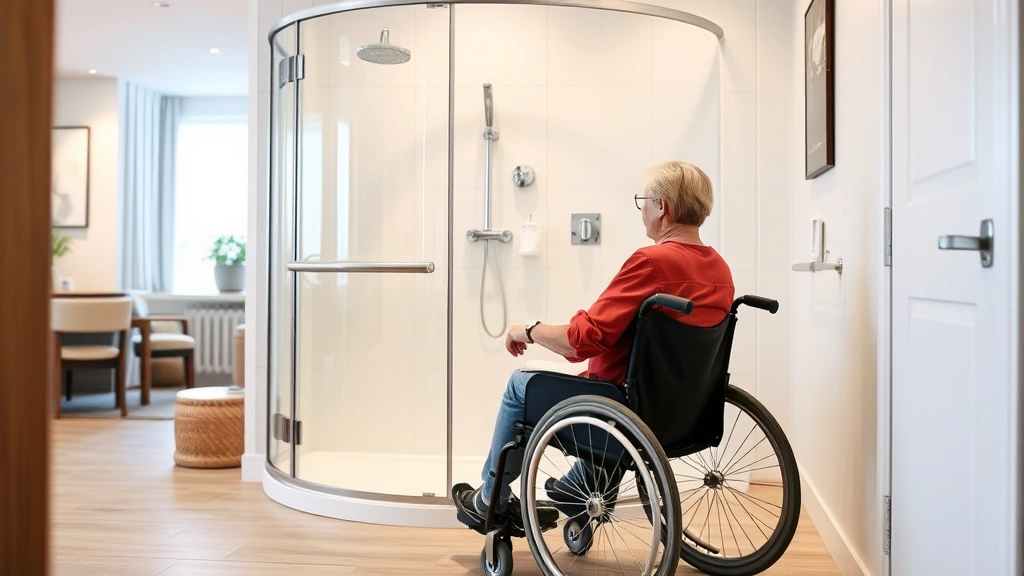
How to Get a Housing Accommodation Letter Online
Finding suitable housing when you have a disability or medical condition can be challenging, especially when your living situation needs to meet specific health requirements. A housing accommodation letter is a crucial document that communicates your medical needs to landlords, property managers, and housing authorities. This letter serves as professional verification that reasonable accommodations are medically necessary for you to enjoy equal access to housing.
Obtaining a housing accommodation letter online has become increasingly accessible and convenient. Rather than scheduling in-person appointments or waiting weeks for appointments, you can now connect with qualified healthcare providers through telehealth platforms and receive the documentation you need from the comfort of your home. Understanding how to navigate this process ensures you get the right letter that landlords will accept and that accurately reflects your housing needs.
Whether you need modifications to your unit, accessible parking, ground floor placement, or other reasonable accommodations under the Fair Housing Act, this guide walks you through obtaining legitimate housing accommodation letters online and using them effectively.
What is a Housing Accommodation Letter?
A housing accommodation letter, also called a reasonable accommodation letter or housing disability letter, is official documentation from a licensed healthcare provider stating that you have a disability or medical condition requiring specific housing modifications or accommodations. This letter explains your functional limitations and how certain housing features or modifications would enable you to live safely and independently.
Unlike an emotional support animal letter (which verifies need for an ESA under Fair Housing rules), a housing accommodation letter addresses physical or medical needs related to your living environment. Common reasons for requesting housing accommodations include mobility limitations, respiratory conditions, allergies, sensory disabilities, cognitive disabilities, and chronic health conditions.
The letter carries legal weight under the Fair Housing Act and Americans with Disabilities Act (ADA), making it an essential tool when negotiating with landlords or appealing housing denials. Landlords are legally required to consider reasonable accommodation requests supported by credible medical documentation.
Legal Framework and Fair Housing Requirements
Understanding the legal basis for housing accommodations helps you present your request confidently and ensures landlords take your needs seriously. The Fair Housing Act prohibits discrimination based on disability and requires housing providers to make reasonable accommodations in policies, practices, and procedures when necessary.
A reasonable accommodation is any change, modification, or adjustment to a rule, policy, practice, or service that enables a person with a disability to have equal access to and enjoyment of housing. This differs from an alteration, which is a physical modification to the building structure itself. For example, requesting a ground floor unit is an accommodation (policy change), while installing a wheelchair ramp is an alteration.
The Equal Employment Opportunity Commission (EEOC) and HUD enforce these protections. Your housing accommodation letter provides the medical foundation supporting your request. While landlords may request medical verification, they cannot ask for a diagnosis, full medical records, or specific treatments. The letter should focus on functional limitations and how the accommodation addresses them.
State and local laws may provide additional protections. Some jurisdictions have stricter standards or expanded definitions of reasonable accommodations. Familiarizing yourself with your local housing laws strengthens your position when requesting accommodations.
Steps to Get a Housing Accommodation Letter Online
Step 1: Identify Your Accommodation Needs
Before contacting a provider, clearly define what accommodation you need. Do you need a unit on a ground floor due to mobility limitations? Do you need to avoid certain allergens? Do you require proximity to public transportation? Do you need a modified lease regarding medical absences? Being specific helps the healthcare provider write a targeted, credible letter.
Step 2: Research Telehealth Providers
Several platforms offer online housing accommodation letters. Look for providers that specialize in disability documentation and have licensed healthcare providers on staff. Reputable services include established telehealth platforms with transparent pricing and clear provider credentials. Avoid services that promise guaranteed letters regardless of medical need—legitimate providers conduct genuine evaluations.
Step 3: Schedule a Virtual Consultation
Most telehealth services allow you to book appointments through their website. You’ll typically choose an appointment time and connect with a healthcare provider via video call. The entire process usually takes 15-45 minutes depending on the complexity of your situation.
Step 4: Prepare Your Medical Information
Have your medical history available during the consultation. Be prepared to discuss your diagnosis, functional limitations, current treatments, and how these limitations affect your ability to live in standard housing. Bring any recent medical records or test results if available, though providers can often work with your verbal description.
Step 5: Discuss Your Accommodation Request
Clearly explain to the provider which specific accommodations you need and why. Explain the connection between your medical condition and the accommodation request. For example: “My severe arthritis makes stairs painful, so I need a ground floor unit” or “My respiratory condition requires an allergen-free environment, so I need to request no-pet policies be waived for my hypoallergenic dog.”
Step 6: Receive Your Letter
After the consultation, the provider will draft your housing accommodation letter. Most services deliver letters within 24-48 hours, either electronically or by mail. Digital delivery is faster and allows you to share the letter immediately with your landlord or include it in rental applications.
Choosing a Telehealth Provider
Not all online medical services are created equal. When selecting a provider for your housing accommodation letter, prioritize legitimacy, provider credentials, and specialization in disability documentation.
Verify Provider Credentials
Ensure the healthcare provider is licensed in your state. Most reputable platforms display provider licenses and credentials prominently. Common qualified providers include MDs, DOs, psychiatric nurse practitioners (PNPs), nurse practitioners (NPs), psychologists, and licensed clinical social workers (LCSWs). The provider should have experience with disability accommodations and understand housing law requirements.
Check Transparency and Pricing
Legitimate services clearly state their pricing upfront. Most housing accommodation letters cost between $100-$300, depending on complexity and provider expertise. Be wary of extremely cheap services (under $50) or services that guarantee letters without evaluation—these raise red flags about legitimacy.
Evaluate Service Reviews
Read reviews from other customers about their experience. Look for feedback about provider knowledge, letter quality, landlord acceptance, and customer service. Services with consistently positive reviews and transparent processes are more reliable.
Confirm Landlord Acceptance
Ask the service whether landlords typically accept their letters. Services specializing in housing accommodations understand what makes letters persuasive to housing providers. They know the language, detail level, and professional presentation that carries weight.
Arvix Health offers disability letters and specialized documentation through licensed healthcare providers experienced in accommodation requests. Their telehealth model makes obtaining housing documentation convenient and accessible.
What Information to Provide
During your online consultation, have the following information ready to streamline the process and ensure the provider can write an effective letter:
- Personal Information: Full name, date of birth, contact information
- Medical History: Primary diagnosis, secondary conditions, date of diagnosis, current symptoms
- Functional Limitations: How your condition affects daily activities, mobility, sensory abilities, or health needs
- Current Treatments: Medications, therapies, medical devices, or lifestyle modifications you use
- Housing Situation: Current living situation, why current housing doesn’t work, what you’re looking for
- Specific Accommodations: Exact accommodations needed (ground floor, no-pet waiver, accessible parking, allergen-free environment, modified lease terms, etc.)
- Duration: Whether accommodations are permanent, long-term, or temporary
- Supporting Documentation: Recent medical records, test results, or specialist letters (optional but helpful)
- Landlord Information: If applicable, the name and contact of the landlord or property manager you’re working with
The more specific and detailed information you provide, the stronger your accommodation letter will be. Vague requests without clear functional limitations make it easier for landlords to deny requests.
What Should Be Included in Your Letter
A legally sound housing accommodation letter contains specific components that make it persuasive and difficult for landlords to dismiss. Understanding what to expect helps you evaluate whether the letter adequately supports your needs.
Provider Credentials and Letterhead
The letter should be on official letterhead with the provider’s name, title, license number, contact information, and state of licensure. This establishes the provider’s authority and legitimacy. Landlords verify credentials, so accurate information is essential.
Your Identification
The letter should clearly identify you by full name and confirm your relationship with the provider (patient, client, etc.). Some letters include dates of evaluation or ongoing treatment, establishing the duration of the provider-patient relationship.
Functional Limitations Statement
The letter should describe your functional limitations without necessarily stating a specific diagnosis. For example: “My patient experiences significant mobility limitations affecting their ability to navigate stairs” rather than only stating “arthritis diagnosis.” This focuses on how your condition affects housing needs.
Connection to Accommodation
The letter must explicitly link your functional limitations to the specific accommodation requested. It should explain why the accommodation is medically necessary. For example: “Due to these mobility limitations, ground floor housing with accessible entry is medically necessary to ensure safe, independent living.”
Necessity Statement
Strong letters include language about medical necessity: “This accommodation is medically necessary” or “This accommodation is essential to enable my patient to fully enjoy and benefit from housing.” This language carries legal weight under the Fair Housing Act.
Professional Signature and Date
The letter must be signed and dated by the licensed healthcare provider. Electronic signatures are typically acceptable. The signature indicates the provider’s professional responsibility for the content.
Appropriate Tone and Language
Effective letters are professional, formal, and avoid overly casual language. They use clinical terminology appropriately and focus on medical facts rather than emotional appeals. This credibility makes landlords more likely to accept the request.
Using Your Letter with Landlords
Once you have your housing accommodation letter, strategic presentation increases the likelihood that your landlord will approve your request.
When to Submit
Provide your letter proactively when requesting an accommodation, not after a denial. Early submission shows good faith and allows landlords time to consider your request before making decisions. Include it with rental applications if you’re aware you’ll need accommodations in a new unit.
How to Present It
Submit your letter professionally, either in person with a brief explanation or via email with a polite cover message. A simple email might read: “I am requesting reasonable accommodations under the Fair Housing Act due to a medical condition. Please see the enclosed letter from my healthcare provider explaining these needs.” Keep communication professional and document all submissions.
What to Expect
Landlords have a legal obligation to engage in an interactive process with you regarding reasonable accommodations. They may ask clarifying questions but cannot demand your full medical records or diagnosis. They must respond within a reasonable timeframe (typically 5-10 business days) with approval or a request for additional information.
If Your Request Is Denied
If a landlord denies your reasonable accommodation request, you have options. Request the denial in writing and ask for their reasoning. Consult your state’s fair housing agency or contact HUD’s Fair Housing office to file a complaint. Many discrimination cases are resolved through investigation or settlement.
Having a strong accommodation letter from a qualified provider significantly strengthens your position if you need to pursue formal complaints or legal action.

Common Housing Accommodations
Understanding typical accommodations helps you articulate your needs clearly when consulting with a healthcare provider.
Physical Accessibility Accommodations
- Ground floor unit or elevator access
- Accessible parking space (close proximity to unit entrance)
- Ramp installation or step elimination
- Wider doorways or hallways for mobility aids
- Accessible bathroom modifications
- Handrail installation
Environmental Accommodations
- Allergen-free housing (no-pet policy waiver for service or support animals, smoke-free units)
- Climate control modifications for respiratory conditions
- Reduced noise environment for sensory sensitivities
- Chemical-free cleaning products in common areas
Policy Accommodations
- Modified lease terms allowing medical absences without penalty
- Permission for medical equipment or supplies in units
- Modified pet policies for service or emotional support animals
- Flexible payment schedules during medical emergencies
- Permission for caregiver visits outside normal quiet hours
Communication Accommodations
- TTY/TDD devices or video relay services for deaf residents
- Large print or audio lease documents
- Accessible emergency notification systems
Each accommodation must have a documented connection between your functional limitations and the accommodation’s necessity. Your housing accommodation letter should clearly establish this link for any accommodations you request.
If you also need disability verification documentation for other purposes, you may be able to obtain multiple letters through a single provider consultation.
Frequently Asked Questions About Housing Accommodation Letters
For additional guidance on related documentation, you might explore functional limitation verification letters which provide broader disability documentation applicable to multiple contexts.
FAQ
Is an online housing accommodation letter legal and will landlords accept it?
Yes, housing accommodation letters obtained through legitimate telehealth providers are legal and binding. Landlords cannot discriminate based on how the letter was obtained—online or in-person consultations are equally valid. The letter’s credibility depends on the provider’s credentials and the letter’s content quality, not the delivery method. Most landlords accept letters from licensed healthcare providers regardless of whether the evaluation was conducted virtually or in person.
How long does it take to get a housing accommodation letter online?
Most telehealth providers deliver housing accommodation letters within 24-48 hours of your consultation. Some expedited services can provide letters within 24 hours. The consultation itself typically takes 15-45 minutes. This makes online letters significantly faster than traditional in-person appointments, which may require weeks of waiting.
Do I need an existing diagnosis to get a housing accommodation letter?
You need documented functional limitations, but not necessarily a formal diagnosis. Healthcare providers can write accommodation letters based on described symptoms and functional impacts. However, having medical records supporting your condition strengthens the letter’s credibility. If you’re newly experiencing symptoms, providers can still work with your description, though diagnosis documentation makes the request more persuasive.
Can a landlord request my full medical records or diagnosis?
No. Under the Fair Housing Act, landlords can request reliable documentation of disability and functional limitations, but they cannot demand your full medical records, specific diagnoses, or details about treatments. A properly written accommodation letter provides sufficient verification without exposing your private medical information. If a landlord requests excessive information, you can refuse and note this as potential discrimination.
What if my landlord denies my accommodation request despite the letter?
Document the denial in writing and request the landlord’s reasoning. Contact your state’s fair housing agency or file a complaint with HUD. Denying reasonable accommodations supported by credible medical documentation is illegal discrimination. Most cases are resolved through agency investigation, settlement, or legal action. Having a strong letter from a qualified provider significantly strengthens your case.
Can I use the same letter for multiple housing situations?
Yes, a general housing accommodation letter can be used for multiple rental applications or landlords. However, some situations benefit from customized letters addressing specific accommodations needed in a particular unit or building. Discuss this with your provider—some services offer multiple letters or customization as part of their service.
Is there a difference between a housing accommodation letter and an ESA letter?
Yes. A housing accommodation letter documents functional limitations requiring physical or policy accommodations (ground floor access, allergen-free housing, etc.). An emotional support animal letter verifies need for an ESA under Fair Housing rules. Some people need both documents if they have functional limitations requiring accommodations AND an ESA. These serve different purposes and should not be confused.
How much does an online housing accommodation letter cost?
Most online housing accommodation letters cost $100-$300, depending on provider expertise and letter complexity. Some services offer tiered pricing based on turnaround time or customization. Prices are typically lower than in-person evaluations, which may cost $200-$500 or more. Compare pricing across providers but prioritize credibility—extremely cheap services may lack legitimacy.
Can I appeal if my accommodation request is denied?
Yes. If a landlord denies your request, you can request written explanation of the denial, request reconsideration, file a fair housing complaint with your state agency or HUD, or pursue legal action. Having documentation from a qualified healthcare provider significantly strengthens appeals. Fair housing agencies investigate complaints and can compel landlords to provide accommodations if discrimination is found.
What should I do if I’m denied housing specifically because of disability?
This is illegal discrimination under the Fair Housing Act. Document everything: the denial, landlord communications, and any discriminatory statements. Obtain your accommodation letter immediately to establish medical necessity for any accommodations you need. File a complaint with HUD or your state fair housing agency. Consult with a disability rights attorney—many offer free consultations. Organizations like the Job Accommodation Network (JAN) provide resources about disability rights and accommodations.
Are there state-specific requirements for housing accommodation letters?
While federal Fair Housing Act standards apply nationwide, some states have additional protections or requirements. California, New York, and other jurisdictions have expanded disability protections. Research your state’s fair housing laws or consult with your state’s fair housing agency. Most legitimate online services understand state variations and can ensure letters comply with local requirements.
Getting a housing accommodation letter online is an efficient, legal way to access the documentation you need to advocate for your housing rights. By choosing a reputable provider, clearly communicating your needs, and understanding how to use your letter effectively, you can secure the accommodations necessary for safe, healthy, independent living. Remember that the Fair Housing Act protects your right to request reasonable accommodations—a properly documented letter gives you the professional support needed to assert those rights confidently.