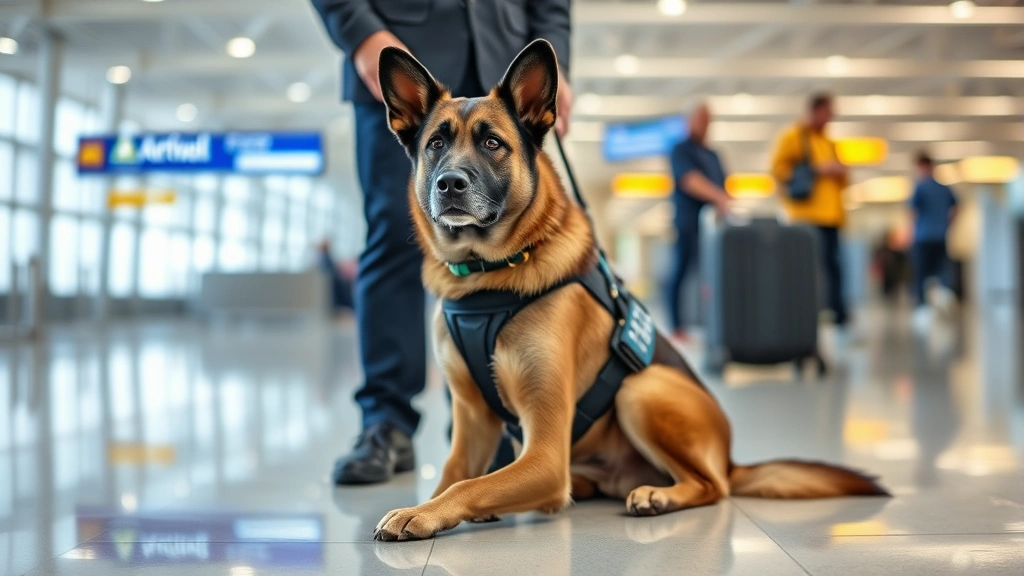
Service Animal Travel Letter: Certified Provider Tips
Traveling with a service animal requires proper documentation to ensure smooth passage through airports, hotels, and transportation hubs. A service animal travel letter from a certified healthcare provider is one of the most important documents you can carry. Unlike emotional support animals, service animals are specially trained to perform specific tasks for individuals with disabilities, and airlines, hotels, and other travel providers need verification of this status. Understanding how to obtain a legitimate, legally compliant travel letter can mean the difference between a hassle-free journey and unnecessary delays and complications.
This comprehensive guide walks you through the process of obtaining a service animal travel documentation letter from a qualified provider, explains what makes a letter legitimate and effective, and provides practical tips for healthcare providers who issue these letters. Whether you’re a service animal handler seeking documentation or a healthcare professional learning to issue proper verification letters, this resource covers everything you need to know.
What Is a Service Animal?
The Americans with Disabilities Act (ADA) defines a service animal as a dog that has been individually trained to perform specific tasks or do work for a person with a disability. The tasks must be directly related to the person’s disability. Examples include guiding people who are blind, alerting people who are deaf, pulling wheelchairs, alerting to seizures, reminding someone to take medication, or calming someone with PTSD during an anxiety attack.
Service animals are not pets. They are working animals with specialized training that can take months or years to complete. Unlike emotional support animals, which provide comfort through companionship alone, service animals must demonstrate task-specific training. This distinction is crucial for travel documentation, as airlines and other providers have different policies for each category.
The ADA recognizes only dogs and, in some cases, miniature horses as service animals. Other animals, regardless of their training or role, are not considered service animals under federal law. This definition is important when requesting travel documentation, as providers must verify that the animal meets ADA criteria before issuing a letter.
Service Animal Travel Documentation Requirements
While the ADA does not require service animals to wear identification or carry documentation, airlines and international travel authorities often request verification. The Department of Transportation (DOT) allows airlines to request specific documentation for service animals traveling in the cabin, particularly after incidents of fraudulent service animal claims.
Most major airlines require one of the following for service animal travel:
- An official DOT Service Animal Air Transportation form (Form 1571)
- A letter from a healthcare provider confirming the handler’s disability and the animal’s training
- Airline-specific service animal documentation forms
- Proof of service animal training certification from a recognized organization
International travel adds another layer of complexity. Countries outside the United States have their own regulations regarding service animals, quarantine requirements, and health documentation. A comprehensive travel letter should address both domestic and international requirements to provide maximum utility.
Having proper documentation protects both the service animal handler and the airline or accommodation provider. It reduces delays at security checkpoints, prevents conflicts with other passengers, and demonstrates that the animal meets legitimate service animal standards. A well-prepared letter from a qualified healthcare provider can expedite the entire travel process.
How to Obtain a Service Animal Travel Letter
The process of obtaining a service animal travel letter begins with consulting a healthcare provider who understands service animals and has the legal authority to issue verification letters. This may be a physician, psychiatrist, psychologist, nurse practitioner, or physician assistant, depending on your disability and the state where you reside.
Step 1: Identify a Qualified Provider
Choose a healthcare provider who has experience with service animal verification and understands the legal requirements under the ADA. Your current treating physician is an excellent option if they are familiar with your disability and your service animal’s role. If your regular provider is unfamiliar with service animal documentation, ask for a referral to a provider who specializes in disability verification.
Step 2: Schedule a Consultation
Contact the provider’s office and explain that you need a service animal travel letter. Many providers offer this service, though some may charge an administrative fee. Schedule an appointment to discuss your disability, your service animal’s training, and your travel needs. Be prepared to provide details about the specific tasks your service animal performs.
Step 3: Gather Supporting Documentation
Before your appointment, compile documentation that supports your need for a service animal. This may include:
- Medical records confirming your disability diagnosis
- Documentation of your service animal’s training (certificates, trainer contact information)
- Photos or videos of your service animal performing trained tasks
- Letters from trainers or training organizations
- Records of previous travel with your service animal
Step 4: Discuss Your Travel Plans
During your consultation, explain where you’re traveling, which airlines or transportation providers you’ll use, and any specific accommodations you may need. Your provider can tailor the letter to address your particular travel situation and any concerns that specific airlines or countries may have.
Step 5: Request the Letter
Ask your provider to issue a formal letter on official letterhead that includes all required components. Request that they specify the letter is for travel purposes and that it addresses the requirements of airlines, hotels, and any international authorities you may encounter. Ask whether they can provide the letter in digital format as well as printed copies.
Learn more about obtaining a doctor-signed service animal verification letter for comprehensive guidance.
Certified Provider Guidelines for Issuing Letters
Healthcare providers who issue service animal travel letters must follow ethical and legal guidelines to ensure their letters are legitimate and effective. These guidelines protect both the provider and the service animal handler.
Establish a Legitimate Treatment Relationship
A certified provider should only issue a service animal letter for a patient with whom they have an established treatment relationship. This means you have consulted with the provider about your disability, the provider has reviewed your medical records, and there is documented evidence of your condition. Issuing letters without this relationship violates professional ethics and can result in loss of licensure.
Verify the Service Animal’s Status
Before issuing a letter, providers should ask specific questions about the animal’s training:
- What specific tasks does the animal perform?
- How long was the animal trained?
- Which organization trained the animal?
- Can you demonstrate the animal performing its trained tasks?
Providers should request documentation of training and may ask to observe the animal performing its tasks. This verification process ensures that the letter accurately describes a legitimate service animal rather than a pet or emotional support animal.
Use Clear, Specific Language
The letter should use clear language that explains the handler’s disability, the animal’s specific training, and why the animal is necessary for travel. Vague or overly broad statements reduce the letter’s credibility and may cause problems at airports or borders. Specific language about task performance makes the letter more persuasive to transportation authorities.
Include Appropriate Credentials
The letter should be issued on official letterhead that includes the provider’s full name, license number, credentials, and contact information. This allows airlines and other authorities to verify the provider’s legitimacy if needed. Providers should include their state license number and the date the letter was issued.
Address Specific Travel Concerns
Experienced providers tailor letters to address specific travel scenarios. For international travel, mention compliance with import regulations. For air travel, reference DOT guidelines. For hotel stays, address reasonable accommodation requirements under the ADA. This specificity increases the letter’s effectiveness.
For more information on legitimate animal letter documentation, consult authoritative resources.

Essential Components of an Effective Travel Letter
A well-crafted service animal travel letter includes several essential components that make it effective for travel purposes. Missing elements can lead to delays or rejection by airlines and accommodation providers.
Provider Information
The letter should begin with the provider’s complete professional information:
- Full name and professional credentials (MD, PhD, LCSW, etc.)
- Medical license number and state of licensure
- Office address and phone number
- Email address for verification purposes
- Date the letter was issued
Patient Information
Include the service animal handler’s name and, if appropriate, date of birth. Some providers also include a physical description to match the letter to the handler. Do not include unnecessary personal information that could compromise privacy.
Disability Description
The letter should describe the handler’s disability in general terms without disclosing unnecessary medical details. For example: “My patient has a mobility disability that affects their ability to walk independently” or “My patient has a psychiatric disability that includes anxiety attacks requiring immediate support.” The description should explain why a service animal is necessary.
Service Animal Description
Include a physical description of the service animal: breed, size, color, and any distinguishing features. This helps airport security match the animal to the documentation. Include the animal’s name and, if available, a microchip number or other identifying information.
Specific Task Description
This is perhaps the most important component. Clearly describe the specific, trained tasks the animal performs. Examples include:
- “The animal is trained to alert my patient to oncoming seizures and protect them during seizure activity”
- “The animal is trained to guide my patient safely through crowded environments and prevent falls”
- “The animal is trained to retrieve dropped items and open doors as mobility assistance”
Avoid vague language like “provides emotional support” or “helps with anxiety.” These descriptions suggest an emotional support animal rather than a service animal.
Legal Authority Statement
Include a statement confirming that the animal meets ADA criteria: “This animal is a service animal as defined under the Americans with Disabilities Act (ADA) and has been individually trained to perform the tasks described above.”
Travel Accommodation Statement
The letter should explicitly state that the service animal is necessary for travel and should accompany the handler during air travel, hotel stays, and other accommodations. This statement supports reasonable accommodation requests under the ADA.
Provider Signature
The letter must be signed and dated by the healthcare provider. Digital signatures are increasingly accepted, but some organizations may require original signatures. Ask your provider whether they can provide both.
Airline and Transportation Policies
Different airlines have different policies regarding service animals, and understanding these policies before you travel can prevent complications.
Domestic Air Travel
Under DOT regulations, airlines must allow trained service animals to accompany passengers in the aircraft cabin at no charge. Airlines may request documentation, and the DOT Form 1571 is the official form for this purpose. However, a letter from a healthcare provider is generally acceptable if it includes the required information.
Airlines may ask you to complete their own service animal documentation forms in addition to your provider’s letter. Having both documents ready can expedite the process. Check your airline’s website before booking to understand their specific requirements.
Ground Transportation
Trains, buses, and other ground transportation providers have their own service animal policies. Many follow ADA guidelines, but some may have additional requirements. Amtrak, Greyhound, and other major carriers generally allow service animals without charge, but it’s wise to notify them in advance.
International Air Travel
International carriers may have stricter requirements than domestic airlines. Many require health certificates, rabies vaccination records, and compliance with destination country regulations. Your service animal travel letter should address these requirements, and you should contact the airline well in advance of your travel date.
Hotel and Accommodation Policies
Under the Fair Housing Act and ADA, hotels and other accommodations must allow service animals without additional fees. However, they may request documentation to distinguish service animals from pets. Your provider’s letter should be sufficient, but having it readily available can smooth the check-in process.

International Travel Considerations
Traveling internationally with a service animal requires additional planning and documentation beyond what domestic travel requires.
Country-Specific Regulations
Each country has its own regulations regarding service animals. Some countries recognize the ADA definition, while others have different criteria. Common requirements include:
- Health certificates issued by a veterinarian
- Rabies vaccination records
- Import permits or declarations
- Microchip identification
- Quarantine requirements in some cases
Research your destination country’s specific requirements at least three months before travel. Contact the destination country’s embassy or consulate to confirm current regulations.
Service Animal Travel Letter for International Use
Your provider’s letter should explicitly state that it is valid for international travel and should address the destination country’s requirements. Some providers include statements like: “This service animal meets international standards for service animal recognition and is entitled to reasonable accommodations under disability rights laws in most countries.”
However, not all countries recognize the ADA, so your letter may need to be translated and notarized depending on your destination. Consult with your travel provider about specific documentation needs.
Veterinary Health Certificates
International travel almost always requires a health certificate from a veterinarian, separate from your provider’s letter. This certificate confirms that your service animal is healthy and current on vaccinations. Schedule a veterinary appointment at least 10 days before travel to allow time for any required treatments.
Airline Contact and Documentation
Contact your international airline at least 48 hours before travel to confirm they have received your service animal documentation. Provide both your healthcare provider’s letter and any airline-specific forms. This advance communication prevents last-minute complications.
Learn more about accommodation letters from certified providers for additional guidance on working with healthcare professionals.
FAQ
Do I need a service animal letter to fly with my service animal?
While the ADA does not require service animals to carry documentation, airlines may request verification. Having a letter from a healthcare provider can expedite the process and prevent conflicts. It’s highly recommended for domestic and required for most international travel.
What’s the difference between a service animal letter and an emotional support animal letter?
A service animal letter describes specific, trained tasks the animal performs in response to a disability. An emotional support animal letter confirms that the animal provides comfort through companionship. Service animals have legal protections under the ADA that emotional support animals do not have, and travel policies differ accordingly.
Can I get a service animal letter online?
While some online services offer letters, legitimate letters should come from a healthcare provider with whom you have an established treatment relationship. Online-only providers without prior knowledge of your disability may issue illegitimate letters that airlines will reject. Work with your current healthcare provider or seek a referral to a local provider.
How much does a service animal travel letter cost?
Costs vary by provider and location. Some providers issue letters at no charge as part of routine care, while others charge an administrative fee ranging from $50 to $200. Contact your provider’s office to ask about fees before scheduling an appointment.
How long is a service animal travel letter valid?
Most letters are valid for one year from the date of issue, though some providers may issue letters with longer validity periods. Airlines may request updated letters annually. Ask your provider about the validity period when you receive your letter.
What if my airline rejects my service animal letter?
If an airline rejects your letter, ask them to specify which components are missing or problematic. You can then contact your provider to request a revised letter addressing their concerns. If you believe the airline is violating ADA regulations, you can file a complaint with the Department of Transportation.
Can my service animal be denied boarding despite having a letter?
Service animals can be denied boarding only if they pose a direct threat or are disruptive. Having a well-documented letter does not guarantee boarding if your animal is aggressive or uncontrolled. Airlines may ask you to demonstrate that your animal is under control before allowing it to board.
Do I need different letters for different airlines?
One letter from your healthcare provider should work for most airlines, as long as it includes all required components. However, some airlines have additional requirements or forms. It’s wise to check each airline’s specific policies and provide their forms along with your provider’s letter.
Additional Resources: