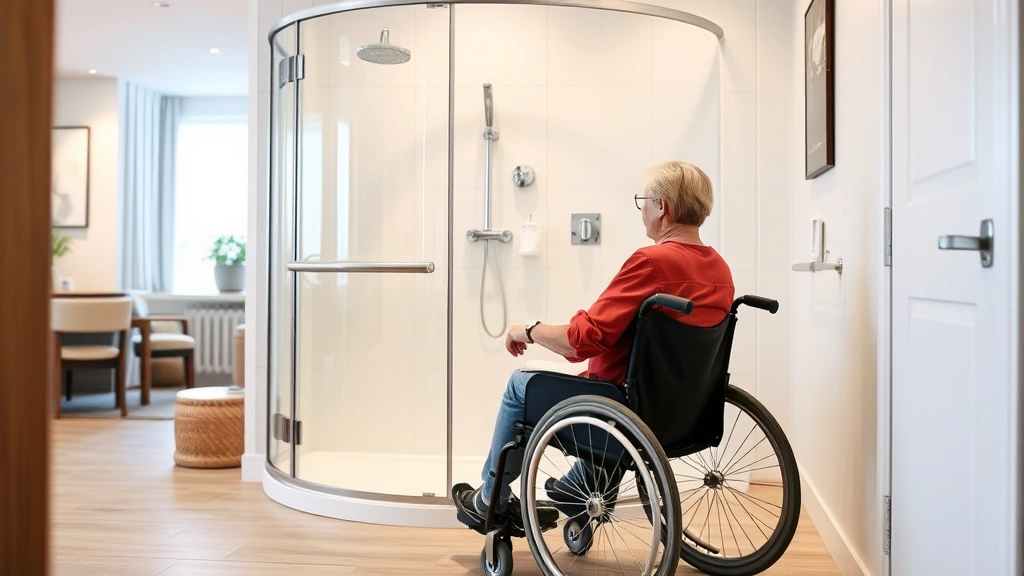
Breaking a Lease for Illness: Legal Insights 2023
Facing a serious health condition while locked into a lease agreement can feel overwhelming. Medical circumstances—whether chronic illness, disability, mental health conditions, or temporary but severe health crises—can make your current living situation untenable. The good news is that you may have legal grounds to break your lease without penalty, depending on your location, your lease terms, and the nature of your medical condition. Understanding your rights under federal and state law is the first step toward securing housing that supports your recovery and wellbeing.
Lease break provisions for medical reasons vary significantly across states and municipalities. Some jurisdictions recognize “constructive eviction” or medical hardship clauses, while others require landlord cooperation or formal accommodation requests. This comprehensive guide explores the legal pathways available to tenants facing health-related housing challenges, including disability accommodations, lease termination strategies, and documentation requirements that strengthen your case.

Legal Grounds for Breaking a Lease Due to Illness
Breaking a lease is typically considered a breach of contract, exposing you to liability for remaining rent, penalties, and potential legal action from your landlord. However, several legal doctrines and statutory exceptions can protect tenants facing medical hardship. The most commonly recognized grounds include:
- Constructive Eviction: When a rental unit becomes uninhabitable due to conditions that exacerbate your medical condition—such as mold, pest infestations, inadequate heating, or lack of accessibility—you may have grounds to terminate the lease. This doctrine requires that you notify the landlord in writing and provide a reasonable opportunity to remedy the issue.
- Disability-Related Accommodations: If your medical condition qualifies as a disability, you have the right to request reasonable accommodations, including lease modifications or early termination if the current unit cannot accommodate your needs.
- Retaliatory Eviction Protection: Many states prohibit landlords from retaliating against tenants who request accommodations or report housing code violations. Breaking a lease for health-related reasons, when coupled with accommodation requests, may be protected from retaliation.
- Medical Hardship Statutes: Some states and cities have enacted specific laws allowing lease breaks for medical reasons, particularly related to domestic violence, terminal illness, or serious health conditions.
- Active Military Duty: Federal law (Servicemembers Civil Relief Act) allows active military members to break leases without penalty.
The strength of your legal position depends on your jurisdiction, the specific language of your lease, and the documentation supporting your medical claim. Consulting with a local tenant rights organization or attorney familiar with housing law in your state is essential before taking action.

Federal Protections and the Fair Housing Act
The Fair Housing Act (FHA) prohibits discrimination based on disability and requires landlords to make reasonable accommodations in rules, policies, practices, or services when necessary to afford a person with a disability equal enjoyment of the property. This federal protection applies to nearly all residential rental properties and is your strongest legal tool when health conditions constitute a disability.
Under the FHA, a disability includes physical or mental impairments that substantially limit one or more major life activities. This definition is broader than many people realize—it encompasses not only obvious mobility impairments but also chronic illnesses, mental health conditions, autoimmune disorders, and conditions in remission. The Americans with Disabilities Act (ADA) provides similar protections in employment and public accommodations, though housing falls primarily under FHA jurisdiction.
Reasonable accommodations under the FHA can include:
- Modification of lease terms due to medical necessity
- Permission to terminate the lease early without penalty if the unit cannot be adapted to your needs
- Waiver of pet policies to allow emotional support animals or service animals
- Accessible parking or ground-floor unit transfers
- Modifications to the unit itself (grab bars, ramps, accessible appliances)
The burden is on you to request an accommodation and provide sufficient documentation of your disability. However, the landlord cannot require medical records or detailed diagnoses—they only need confirmation that you have a disability and that the requested accommodation is medically necessary. A general disability confirmation letter from a healthcare provider is often sufficient to initiate the accommodation process.
State-Specific Lease Break Laws
While federal law sets a baseline, state and local laws often provide additional protections. Some jurisdictions have enacted specific statutes addressing medical hardship and lease breaks:
- California: Tenants can break leases due to domestic violence, sexual assault, or stalking. Some cities like San Francisco and Oakland have broader medical hardship provisions.
- New York: New York City recognizes constructive eviction and has strong tenant protections. The state also allows lease breaks for victims of domestic violence.
- Illinois: Illinois permits lease termination for domestic violence, sexual assault, or gender-based criminal sexual abuse, with 30 days’ notice.
- Minnesota: Provides protections for victims of domestic violence and allows lease breaks with proper notice and documentation.
- Colorado: Offers lease break protections for domestic violence victims and recognizes broader medical hardship claims.
Additionally, many municipalities have enacted “right to cure” provisions requiring landlords to provide tenants with an opportunity to remedy lease violations before eviction. Some cities also have medical hardship ordinances that create a formal process for lease termination due to serious illness or disability.
Research your specific state and city laws through your local HUD office or tenant rights organization. Many states have free legal aid societies that can advise you on your specific situation.
Medical Documentation and Disability Verification
Successful lease breaks based on medical grounds require proper documentation. However, landlords cannot demand extensive medical records or diagnoses—federal law limits what they can request. The appropriate documentation includes:
- Disability Verification Letter: A healthcare provider’s letter confirming you have a disability and that it substantially limits major life activities. This letter should not include your diagnosis or detailed medical history.
- Functional Limitation Statement: A brief statement describing how your condition affects your ability to use the current rental unit (e.g., “requires ground-floor accessible unit due to mobility limitations”).
- Medical Hardship Affidavit: In some jurisdictions, a sworn statement describing your medical condition and why the current housing situation is untenable.
- Healthcare Provider Contact Information: Landlords may contact your provider to verify the accommodation request, though they cannot demand private medical details.
Gather this documentation before formally requesting a lease break. Having it prepared demonstrates seriousness and prevents delays. If you need professional assistance obtaining documentation, healthcare platforms specializing in disability verification can provide legally valid verification letters online.
Requesting Housing Accommodations
Before breaking a lease, attempt to request reasonable accommodations that might allow you to remain in the unit. This approach often resolves issues without lease termination. Submit your accommodation request in writing—email is acceptable but certified mail creates a paper trail.
Your request should include:
- A clear statement that you are requesting a reasonable accommodation due to a disability
- The specific accommodation(s) you need (e.g., “early lease termination,” “ground-floor unit transfer,” “modification to install grab bars”)
- How the accommodation relates to your disability and major life activities
- Your healthcare provider’s contact information (not detailed medical records)
- A reasonable deadline for response (typically 10-14 days)
Keep copies of all correspondence. Many landlords will cooperate once they understand their FHA obligations. If a landlord refuses or ignores your request, you have grounds to file a complaint with HUD’s Office of Fair Housing and Equal Opportunity or pursue legal action.
If accommodations cannot resolve the situation—for example, if you need ground-floor accessibility and no accessible units are available—requesting lease termination without penalty is the next step. Document why the accommodation is impossible or insufficient, and reference the landlord’s inability to provide reasonable accommodations under FHA requirements.
Lease Termination Strategies and Negotiation
Approaching lease termination strategically increases your chances of success without legal conflict. Consider these strategies:
- Early Negotiation: Contact your landlord or property management company directly. Many will negotiate lease breaks to avoid litigation and maintain goodwill. Propose alternatives such as finding a replacement tenant, paying a reduced early termination fee, or providing notice of a specific move-out date.
- Written Accommodation Request: Submit a formal written request referencing the FHA and your disability. This creates a legal record and often prompts landlord compliance without further conflict.
- Tenant Rights Organization Assistance: Many nonprofits offer free mediation services between tenants and landlords. A neutral third party can facilitate productive conversations.
- Legal Demand Letter: If informal negotiation fails, an attorney can send a demand letter outlining the landlord’s FHA obligations and the consequences of non-compliance. This often motivates settlement.
- HUD Complaint Filing: Filing a formal Fair Housing complaint with HUD signals serious intent and may pressure the landlord to negotiate rather than face investigation.
- Small Claims Court or Civil Litigation: As a last resort, you can sue for damages, attorney fees, and injunctive relief (forcing lease termination). However, this is expensive and time-consuming.
Throughout negotiations, remain professional and document everything. Avoid emotional language; focus on facts, legal obligations, and reasonable solutions. Many landlords will cooperate once they understand the legal landscape and the costs of litigation.
Financial Considerations and Liability
Understanding the financial implications of breaking a lease helps you plan strategically. Potential costs include:
- Remaining Rent: Without legal grounds, you may owe all remaining rent for the lease term. With valid legal grounds (disability accommodation, constructive eviction, state hardship laws), this liability may be eliminated or reduced.
- Early Termination Fees: Your lease may include a specific early termination penalty. Negotiating a reduced fee is often possible when health reasons are documented.
- Lost Security Deposit: Landlords may withhold deposits for alleged damages or unpaid rent. Document the unit’s condition when you move out with photos and written notes.
- Damage Claims: Landlords cannot claim damages beyond actual costs (repairs, unpaid rent). Inflated claims are often unenforceable.
- Credit Report Impact: Unpaid rent reported to credit bureaus damages your credit. Negotiate payment plans or settlements to minimize this impact.
If you break a lease without legal grounds, a landlord can pursue collection action, which may appear on your credit report for seven years. This underscores the importance of establishing legal grounds before breaking a lease.
Many tenants successfully negotiate settlements involving reduced payments, extended move-out timelines, or mutual lease termination agreements. These settlements should be documented in writing and signed by both parties.
FAQ
Can I break my lease due to a chronic illness without legal consequences?
It depends on your jurisdiction and whether your illness qualifies as a disability under the FHA. If you have a disability and your current unit cannot accommodate your needs, you can request early lease termination as a reasonable accommodation. Federal law protects you from retaliation. However, without documented disability status or other legal grounds (constructive eviction, state hardship law), you may face liability for remaining rent. Consult a local tenant rights organization to evaluate your specific situation.
What medical documentation do landlords require for a lease break?
Landlords can request a disability verification letter from your healthcare provider confirming you have a disability and describing functional limitations relevant to housing. They cannot demand diagnosis details, medical records, or treatment information. A simple letter stating “This individual has a disability that substantially limits major life activities and requires [specific accommodation]” is typically sufficient under FHA guidelines.
How long does it take to break a lease for medical reasons?
Timelines vary widely. If your landlord cooperates and agrees to early termination, the process may take 2-4 weeks. If negotiation is needed, expect 1-3 months. Filing a formal HUD complaint can take 6-12 months for investigation and resolution. Court litigation may take 6 months to over a year. Act quickly once you know you need to break the lease, as delays weaken your position and increase costs.
Will breaking my lease damage my credit?
Only if rent goes unpaid and is reported to credit bureaus. If you negotiate a settlement, obtain written agreement, and pay as agreed, there should be no credit impact. If your landlord pursues collection action for unpaid rent, it will damage your credit for seven years. This makes negotiation and settlement crucial.
Can landlords refuse to break a lease for medical reasons?
Landlords cannot refuse requests for reasonable accommodations, including lease termination, when required by the FHA. However, they can refuse if your request doesn’t qualify as a reasonable accommodation or if you haven’t provided sufficient documentation. If a landlord refuses a valid FHA accommodation request, you can file a complaint with HUD, which has enforcement authority.
What if my lease says I cannot break it under any circumstances?
Lease clauses cannot override federal law. Even if your lease prohibits early termination, FHA reasonable accommodations supersede lease terms. State laws may also override lease clauses in cases of medical hardship, domestic violence, or other protected circumstances. An attorney can evaluate whether your lease clause is enforceable in your jurisdiction.
Should I consult an attorney before breaking my lease?
It’s highly recommended, especially if you anticipate landlord resistance. Many local legal aid societies offer free consultations to low-income tenants. Tenant rights organizations also provide free guidance. An attorney can review your lease, assess your legal grounds, and negotiate with your landlord, often preventing costly disputes. Many will work on contingency or for reduced fees in disability-related cases.