
Find Medical Academic Accommodation Help Locally
Navigating academic life with a medical condition can feel overwhelming, especially when you need formal documentation to support your accommodations. Whether you’re managing chronic illness, mental health challenges, mobility issues, or other health conditions, securing a medical academic accommodation letter is often the first step toward receiving the support you deserve at school. Many students search for local resources but struggle to find qualified healthcare providers who understand both medical documentation and academic accommodation requirements.
The good news is that you don’t need to limit your search to providers in your immediate geographic area. Modern telehealth solutions and specialized accommodation letter services have made it easier than ever to obtain professionally-written documentation that meets your school’s specific requirements—often faster and more affordably than traditional in-person visits.
This guide walks you through understanding academic accommodations, finding qualified providers, and securing the medical documentation you need to succeed in school.
What Is a Medical Academic Accommodation Letter?
A medical academic accommodation letter is formal documentation from a licensed healthcare provider that verifies your medical condition and outlines how it affects your ability to participate in standard academic activities. This letter serves as the foundation for your school’s disability services office to approve reasonable accommodations.
Unlike casual notes from a doctor, accommodation letters follow specific formatting requirements and include clinical details about your functional limitations—not just your diagnosis. A school needs to understand how your condition impacts learning, not just what condition you have.
These letters typically come from:
- Primary care physicians
- Specialists (cardiologists, neurologists, psychiatrists, etc.)
- Licensed mental health professionals (therapists, psychologists)
- Specialized accommodation letter services
The provider must be licensed to practice in your state and have a legitimate professional relationship with you—either through prior treatment or a telehealth evaluation.
Why You Need Medical Academic Accommodation Documentation
Under the Americans with Disabilities Act (ADA), schools are required to provide reasonable accommodations to students with documented disabilities. However, “documented” is the operative word. Without formal medical documentation, your school has no legal obligation to approve accommodations.
Academic accommodations might include:
- Extended testing time for exams
- Reduced course load to manage symptoms
- Attendance flexibility for medical appointments or flare-ups
- Alternative testing formats (oral exams, different locations)
- Remote learning options during illness periods
- Note-taking assistance or recorded lectures
- Accessible classroom seating or equipment
A comprehensive accommodation letter from a qualified healthcare provider gives your disability services office the clinical evidence needed to approve these supports without extensive back-and-forth questioning.
Finding Medical Providers and Accommodation Services Near You
While searching for “medical academic accommodation letter near me” often returns local clinics, you have more options than your immediate area offers.
Traditional In-Person Providers
If you prefer face-to-face appointments:
- Your existing healthcare provider: If you already see a doctor, psychiatrist, or therapist, they can write your accommodation letter. They know your medical history and can speak to your functional limitations credibly.
- Your school’s health center: Many colleges have on-campus clinics where you can request documentation.
- Local disability services clinics: Some communities have specialized clinics focused on disability evaluation and documentation.
- Psychology or neurology practices: Search your insurance provider’s directory or use Google Maps to find local specialists.
Telehealth and Remote Accommodation Services
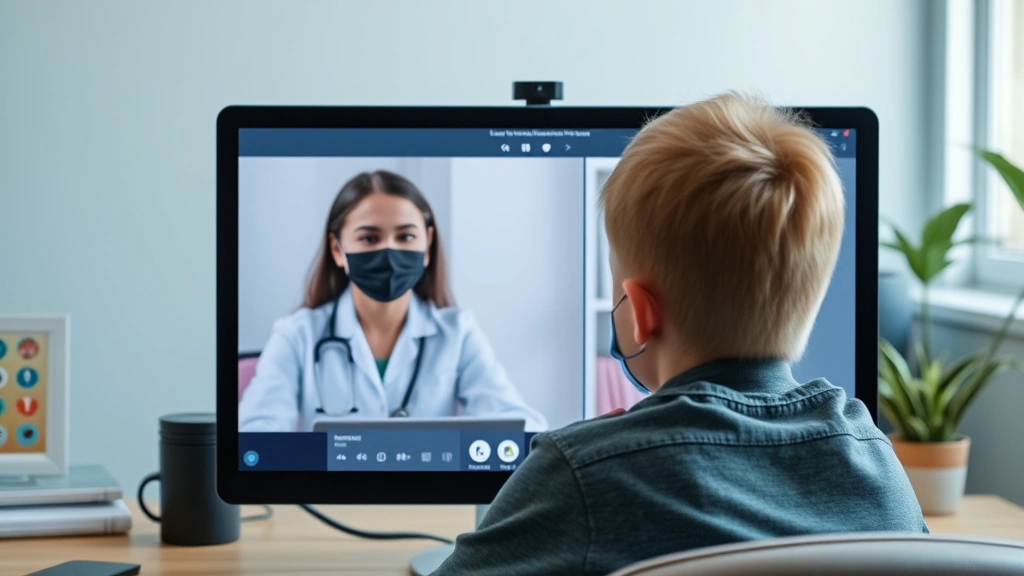
If local options are limited, expensive, or slow, telehealth has transformed access to accommodation letters. Services like disability verification letters online connect you with licensed providers who can evaluate your condition and write documentation without requiring travel.
Benefits of telehealth accommodation services:
- No geographic limitations—access providers across your state
- Often faster turnaround than traditional clinics (sometimes 24-48 hours)
- More affordable than multiple specialist consultations
- Flexible scheduling for students with busy or unpredictable schedules
- Providers experienced specifically in academic accommodations
When choosing a service, verify that the provider is licensed in your state and that the service meets your school’s documentation standards.
What Your Medical Academic Accommodation Letter Should Include
Schools have specific requirements for accommodation letters. A well-written letter includes:
Provider Credentials
- Full name, license number, and state of licensure
- Contact information and professional title
- Confirmation that they are licensed to diagnose and treat your condition
Patient Information
- Your name and student ID (if available)
- Dates of treatment or evaluation
- Duration of the provider-patient relationship
Clinical Details
- Diagnosis or condition description: The specific condition(s) affecting your academics
- Functional limitations: How the condition impacts your ability to learn, take exams, attend class, or complete coursework (this is crucial)
- Severity and duration: Whether the condition is ongoing or episodic
- Treatment information: Current medications or therapies (optional but helpful)
Accommodation Recommendations
- Specific accommodations the provider recommends
- Rationale for each accommodation based on functional limitations
- Suggested duration (e.g., “for the duration of enrollment”)
Professional Statement
- A statement confirming the provider’s professional opinion that accommodations are medically necessary
- Provider’s signature and date
If you’re using a service to obtain your letter, ask whether they tailor documentation to your specific school’s requirements—many do.
Submitting Your Medical Documentation to Your School
Once you have your accommodation letter, follow these steps:
- Contact your disability services office: Most schools have a dedicated office (often called “Disability Services,” “Student Accessibility Services,” or “Accessibility Resources”). Find contact information on your school’s website.
- Request their documentation requirements: Ask specifically what they need in an accommodation letter. Some schools have templates or detailed guidelines.
- Submit your letter: Most schools accept digital submissions through a secure portal. Include a completed intake form if required.
- Attend a meeting: The disability services coordinator will review your documentation and discuss which accommodations are appropriate and feasible.
- Receive your accommodation letter: The school will issue an official letter confirming your approved accommodations, which you share with instructors.
Timing matters: submit documentation before the semester starts if possible, or as soon as you realize you need accommodations.

Common Academic Accommodations for Medical Conditions
Different conditions call for different supports. Here’s what students commonly request:
For Chronic Illness (Lupus, ME/CFS, Crohn’s Disease, etc.)
- Extended testing time (1.5x or 2x)
- Reduced course load (fewer credits per semester)
- Flexible attendance policy for medical appointments and flare-ups
- Alternative testing location (low-stress, private room)
- Permission to take breaks during exams
For Mental Health Conditions (Anxiety, Depression, PTSD, OCD)
- Extended test time
- Alternative testing formats (oral exams, written instead of timed)
- Flexible deadline extensions for major assignments
- Permission to attend class remotely during crisis periods
- Reduced course load
For Mobility or Sensory Disabilities
- Accessible classroom seating
- Permission to record lectures
- Note-taking services or lecture notes
- Accessible exam location
- Service animal accommodation in all campus spaces
For Neurodevelopmental Conditions (ADHD, Autism, Dyslexia)
- Extended test time
- Separate, low-distraction testing location
- Use of assistive technology (text-to-speech, speech-to-text)
- Alternative assignment formats
- Priority registration for classes
If you’re unsure which accommodations would help, discuss options with your healthcare provider or disability services coordinator.
Frequently Asked Questions
Can I get a medical academic accommodation letter without seeing a doctor in person?
Yes. Licensed healthcare providers can evaluate you via telehealth and write accommodation letters. Many specialized services offer this, and it’s legally valid as long as the provider is licensed in your state and documents a legitimate professional relationship with you.
How much does a medical accommodation letter cost?
Costs vary widely. A letter from your existing provider might be free or cost $50-150 for a documentation fee. Specialized accommodation services typically range from $100-400 depending on complexity and turnaround time. Some services offer affordable accommodation letters with faster processing.
How long does it take to get an accommodation letter?
If you use your existing provider, 1-2 weeks is typical. Specialized telehealth services often provide documentation within 24-48 hours. Plan ahead rather than waiting until the semester starts.
What if my school rejects my accommodation letter?
Schools rarely reject well-written letters from licensed providers. However, if they do, ask why. They may need additional clinical details, different formatting, or a more recent evaluation. Work with your disability services office to clarify their requirements, then request an amended letter from your provider.
Do I have to disclose my specific diagnosis to my professors?
No. Your disability services office provides professors with an accommodation letter that lists your approved accommodations without revealing your diagnosis. Your privacy is protected.
Can I get accommodations for a condition that hasn’t been formally diagnosed yet?
Most schools require either a formal diagnosis or documented functional limitations described by a licensed provider. If you suspect you have a condition but haven’t been evaluated, consider getting assessed before requesting accommodations. Your school’s health center or disability services office can recommend evaluation resources.
How do I choose between a local provider and an online accommodation service?
Choose local if: you already have an established relationship with a provider who knows your medical history. Choose online if: you need faster turnaround, more affordable pricing, or live in an area with limited specialist availability. Both are legitimate—pick what works best for your timeline and budget.
Will getting academic accommodations affect my degree or transcript?
No. Accommodations are support services—they don’t appear on your transcript, and they don’t change your degree requirements. You still complete all coursework; you just have adjusted testing conditions or other supports.
Can I get a letter for an emotional support animal at the same time as academic accommodations?
Yes. If you have an ESA that helps manage your condition, you can request both academic accommodations and housing accommodations (if you live on campus) that recognize your service or support animal. Some providers offer both letters.
What if I need accommodations but don’t have health insurance?
Many community health centers offer sliding-scale fees. Some specialized accommodation services also offer affordable options. Don’t assume cost will prevent you from getting documentation—explore your options first.
Can I request accommodations retroactively for past semesters?
Typically, no. Schools apply accommodations going forward once approved. However, if you have documented evidence that you requested accommodations and were unreasonably delayed, discuss with your disability services office about potential grade appeals or other remedies.
How do I know if a telehealth accommodation service is legitimate?
Verify that: the provider is licensed (check your state’s medical board website), they have a physical address and phone number, they don’t guarantee approval (legitimate services evaluate your condition; they don’t promise specific outcomes), and they ask detailed questions about your medical history. Be cautious of services that offer letters without any evaluation.
Getting Started: Next Steps
You don’t have to navigate this alone. Whether you work with your current healthcare provider, contact your school’s disability services office, or use a specialized accommodation service, the goal is the same: securing documentation that allows you to access the support you need to succeed academically.
Start by contacting your school’s disability services office to understand their specific requirements. Then, reach out to a healthcare provider—local or telehealth—who can evaluate your condition and provide the documentation your school needs. Many students find that the accommodation request process is simpler and faster than they expected, especially with the right support.
Remember: requesting accommodations isn’t weakness—it’s self-advocacy. You deserve to learn in an environment that supports your health and success. Take the first step today by reaching out to your disability services office or a qualified healthcare provider.
For more information on disability rights in education, visit the Equal Employment Opportunity Commission (EEOC) and JAN (Job Accommodation Network) for comprehensive resources. If you need help with functional limitation documentation or other medical letters, specialized services can help streamline the process.