Reasonable Accommodation Letter: Expert Guidelines for Housing
A reasonable accommodation letter is a formal document from a healthcare provider that verifies a tenant’s need for housing modifications, policy exceptions, or accessibility features due to a disability or medical condition. For apartment dwellers, this letter serves as essential documentation when requesting accommodations such as ground floor units, accessible parking, pet policies for service animals, or physical modifications to make housing accessible and safe.
Whether you’re seeking a unit transfer, requesting an emotional support animal, or needing structural modifications, understanding how to obtain and present a reasonable accommodation letter can significantly strengthen your request and protect your housing rights under the Fair Housing Act.
What Is a Reasonable Accommodation Letter?
A reasonable accommodation letter is a medical certification document written by a licensed healthcare provider—such as a physician, psychiatrist, psychologist, or other qualified mental health professional—confirming that a person has a disability or medical condition and requires specific housing accommodations to ensure equal access and use of their apartment.
Unlike a general disability verification, a reasonable accommodation letter specifically links a diagnosed condition to functional limitations that necessitate particular housing modifications or policy exceptions. The letter must be written on official letterhead, signed by the healthcare provider, and include their contact information and professional credentials.
This documentation is legally protected under the Fair Housing Act, which requires landlords to provide reasonable accommodations to qualified individuals with disabilities. The letter provides the evidentiary foundation for your accommodation request and helps prevent discrimination or wrongful denial.
Legal Framework and Fair Housing Protections
The Fair Housing Act (FHA), enforced by the U.S. Department of Housing and Urban Development (HUD), prohibits housing discrimination based on disability. Under this federal law, landlords must make reasonable accommodations in rules, policies, practices, or services when necessary to afford a person with a disability equal opportunity to use and enjoy their housing.
A reasonable accommodation is considered necessary when there is an identifiable relationship between the disability and the requested accommodation. Your letter must establish this nexus—demonstrating how your condition creates a functional need for the specific accommodation you’re requesting.
Key legal points:
- Landlords cannot charge fees for reasonable accommodations (unlike service animal housing deposits, which may be prohibited)
- The accommodation must be reasonable—not an undue financial or administrative burden
- Landlords can request reliable documentation but cannot demand medical records or detailed diagnoses
- ADA housing accommodations extend similar protections in covered properties
- Retaliatory actions against accommodation requests are illegal
Your reasonable accommodation letter becomes your primary defense against wrongful denial. Without proper documentation, landlords may refuse your request, claiming insufficient evidence of disability or need.
Key Components of an Effective Letter
A strong reasonable accommodation letter includes specific, verifiable elements that satisfy legal standards and leave no room for landlord disputes. Here’s what must be included:
1. Provider Credentials
- Full name and professional title
- License number and state of licensure
- Specialty or area of expertise
- Official letterhead with contact information
- Signature and date
2. Patient-Provider Relationship
- Confirmation that you are a current patient
- Duration of the treatment relationship
- Frequency of appointments or consultations
3. Disability or Medical Condition
- Statement that you have a disability or chronic medical condition (diagnosis not required)
- Functional limitations resulting from the condition
- How the condition affects major life activities
4. Nexus Statement
- Clear connection between your condition and the requested accommodation
- Explanation of why the accommodation is medically necessary
- How the accommodation enables equal housing access
5. Specific Accommodation Request
- Precise description of what you’re requesting (e.g., ground floor unit, designated parking space)
- No vague or overly broad language
- Realistic and achievable within the landlord’s capacity
6. Professional Opinion
- Statement that the provider believes the accommodation is medically necessary
- Confidence in the patient’s reliability and honesty
- No hedging language like “may” or “possibly”
Avoid including unnecessary details such as specific diagnoses, treatment plans, psychiatric history, or medication lists. Landlords are not entitled to this information and including it may invite invasive follow-up questions. Focus solely on functional limitations and how the accommodation addresses them.
How to Obtain Your Letter
The process of obtaining a reasonable accommodation letter typically involves these steps:
Step 1: Establish a Treatment Relationship
You must have an existing relationship with a licensed healthcare provider who can attest to your condition and functional limitations. Telehealth providers are acceptable as long as they are properly licensed and have evaluated you. For ESA letter quick approval processes, some providers specialize in rapid assessment and documentation.
Step 2: Discuss Your Housing Needs
During an appointment, clearly explain your housing accommodation needs and how your condition necessitates them. Provide specific examples: “I need a ground floor unit because my mobility condition makes stairs unsafe” or “I require a service animal for psychiatric support, so pet policies must be waived.”
Step 3: Request the Letter
Ask your provider to write a reasonable accommodation letter addressing your specific needs. Be clear about the deadline if your landlord has requested documentation by a certain date. Clarify what accommodations you’re requesting before the provider writes the letter.
Step 4: Review and Verify
When you receive the letter, verify it includes all key components listed above. Ensure the provider’s credentials are clearly stated and the letter is on official letterhead. A weak letter may be rejected by your landlord, so don’t hesitate to ask for revisions if important information is missing.
Step 5: Submit to Landlord
Provide a copy to your landlord while maintaining your own records. Send it via certified mail or email with read receipt to create a documented trail. Include a brief cover letter stating your specific accommodation request.
For what makes an ESA letter valid, the same standards apply—provider credentials, patient relationship, disability confirmation, and nexus to the accommodation.
Presenting Your Letter to Your Landlord
How you present your reasonable accommodation letter significantly impacts whether your landlord approves your request. Strategic presentation protects your rights and demonstrates professionalism.
Communication Best Practices
- Submit the letter promptly after identifying your need, not at the last minute
- Include a formal request letter explaining the accommodation and referencing the medical documentation
- Keep communication written (email or certified mail) to create a legal record
- Use clear, direct language: “I am requesting a reasonable accommodation for my disability”
- Avoid over-explaining or providing unnecessary medical details
- Set a reasonable timeline for a response (typically 5-10 business days)
What Not to Do
- Don’t provide your full medical history or treatment records
- Don’t include your diagnosis unless specifically relevant to the accommodation
- Don’t allow the landlord to contact your doctor without your written consent
- Don’t accept verbal promises—ensure all approvals are documented in writing
- Don’t waive your rights or agree to unreasonable conditions
If your landlord denies your accommodation request or demands additional information beyond what’s reasonable, you have legal recourse. You can file a complaint with HUD’s Fair Housing division or consult a disability rights attorney.
Common Housing Accommodations
Reasonable accommodation letters are used to request various housing modifications and policy exceptions:
Physical/Accessibility Accommodations
- Ground floor unit transfer: For mobility disabilities, chronic pain, or conditions exacerbated by stairs
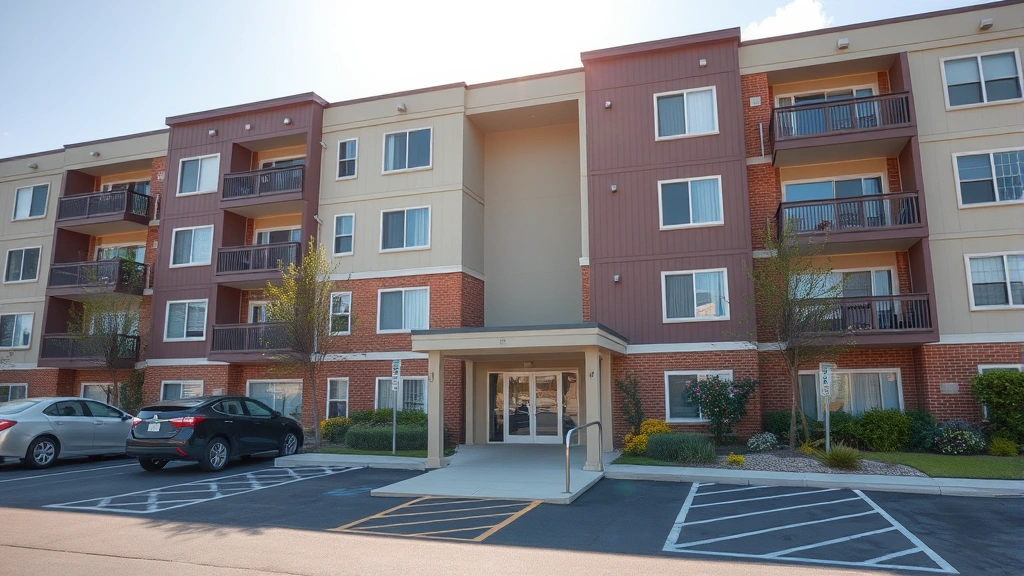
- Accessible parking: Reserved, close-to-entrance parking for individuals with mobility limitations
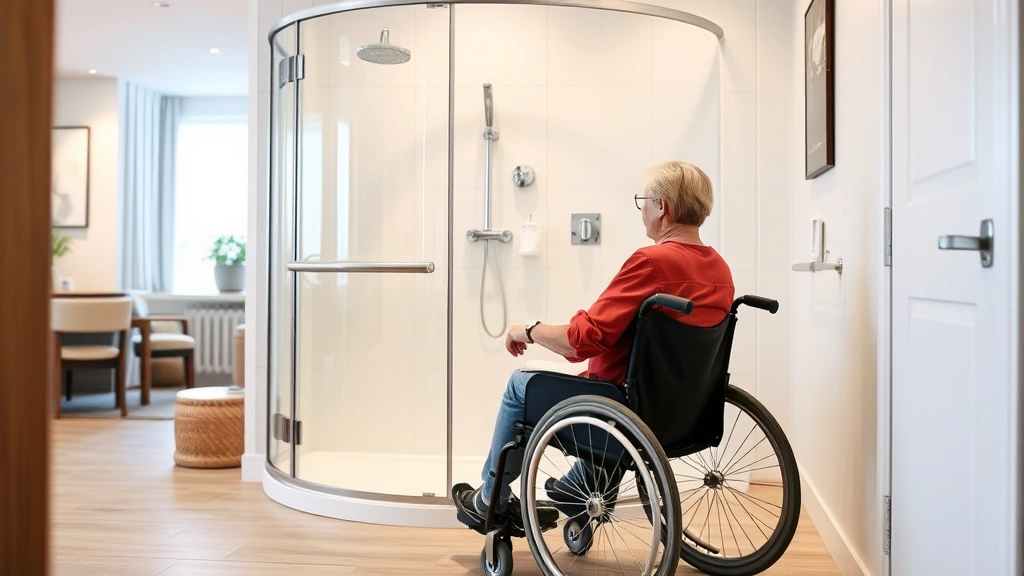
- Unit modifications: Grab bars, ramps, widened doorways, accessible bathrooms
- Elevator access: Priority access or exclusive use for individuals with severe mobility restrictions
Policy Exceptions
- Service animals or ESAs: Waiving no-pet policies for verified service animals or emotional support animals
- Assistance animals: Allowing additional animals necessary for disability support
- Lease modifications: Flexibility in lease terms for medical reasons
- Early lease termination: Breaking a lease due to health deterioration or medical relocation needs
Environmental Accommodations
- Allergen-free or low-allergen units: For severe allergies or respiratory conditions
- Smoking restrictions: Non-smoking units or buildings for health conditions aggravated by smoke
- Noise accommodations: Quiet units for sensory sensitivities or PTSD
For more detailed guidance, see our resource on doctor letters for housing accommodations to landlords.
ESA Letters vs. Service Animal Documentation
Many people confuse emotional support animal (ESA) letters with service animal documentation. While both are reasonable accommodation letters, they serve different purposes under housing law.
Emotional Support Animal (ESA) Letters
- Verify that an animal provides therapeutic benefit for a mental health or emotional disability
- The animal does not require specific training
- Required to waive no-pet policies under the FHA
- Apply to any domesticated animal
- Must establish a nexus between the disability and the animal’s emotional support function
Service Animal Documentation
- Verifies that an animal is individually trained to perform disability-related tasks
- Requires specific, documented training
- Also used for housing accommodations but primarily for public access rights under the ADA
- Limited to dogs (and miniature horses in rare cases)
- Must demonstrate the animal’s ability to perform specific tasks
For housing purposes, an emotional support animal letter is typically what you need to waive pet restrictions. The letter must confirm your disability and explain how the animal’s presence mitigates your symptoms or provides emotional support.
Be cautious of online services offering instant or same-day letters without a real patient-provider evaluation. While some legitimate telemedicine providers can issue letters quickly, illegitimate services undermine the credibility of all ESA documentation and may result in your letter being rejected or challenged by your landlord.
FAQ
Can my landlord ask for a detailed medical diagnosis?
No. Under the FHA, landlords cannot demand detailed medical information. They can request reliable documentation that you have a disability and that the accommodation is necessary, but they cannot require your diagnosis, treatment history, medications, or medical records. A reasonable accommodation letter that confirms disability and functional limitations is sufficient.
What if my landlord denies my accommodation request?
If your landlord wrongfully denies your reasonable accommodation request, you have legal options. First, request a written explanation of the denial. Then, file a complaint with HUD or your state’s fair housing agency within one year of the denial. You can also consult a disability rights attorney or contact the Job Accommodation Network (JAN) for guidance on housing accommodations.
How long is a reasonable accommodation letter valid?
There is no standard expiration date. A letter is valid as long as your condition and need for accommodation persist. However, landlords may request updated documentation if circumstances change significantly or if your condition appears to have improved. Generally, letters from the past 1-2 years are considered current and reliable.
Can I get a reasonable accommodation letter from a telehealth provider?
Yes, as long as the provider is properly licensed and has conducted a legitimate evaluation of your condition. Telehealth appointments are acceptable for obtaining reasonable accommodation letters. However, ensure the provider has real clinical interaction with you—not just an automated questionnaire—and that they maintain proper records of your treatment relationship.
What if I don’t have a current healthcare provider?
You’ll need to establish a relationship with a licensed provider. This may involve scheduling an in-person or telehealth appointment, undergoing an evaluation, and then requesting the letter. Some providers specialize in rapid assessments for individuals seeking accommodation documentation, though avoid services offering instant letters without real evaluation.
Can my landlord verify my letter with my doctor?
Landlords can contact your healthcare provider to verify the letter’s authenticity, but they cannot request additional medical information without your written consent. Your provider should confirm only that they wrote the letter and that you are a patient—not provide diagnosis or treatment details. Always authorize any provider contact in writing.
Is a reasonable accommodation letter the same as a disability verification letter?
Not exactly. A disability verification letter for housing confirms you have a disability but may not specifically address housing accommodations. A reasonable accommodation letter goes further by linking your disability to specific housing needs and explaining why the accommodation is necessary. For housing requests, you need the more specific reasonable accommodation letter.
What happens if my letter is poorly written or incomplete?
Your landlord may reject an incomplete letter and request clarification or a revised version. This is why reviewing your letter before submission is critical. If essential components are missing—such as the provider’s credentials, the nexus between your condition and accommodation, or the specific accommodation request—ask your provider to revise it before submitting to your landlord.
Can I be charged for a reasonable accommodation?
No. Landlords cannot charge fees for reasonable accommodations themselves. However, they may charge for physical modifications (like installing grab bars) if those modifications benefit future tenants and aren’t solely for your disability. This is a complex area—consult an attorney if you’re unsure whether a proposed charge is legal.
What if I’m in an emergency housing situation and need an accommodation immediately?
Contact local disability rights organizations or legal aid services for emergency assistance. Some providers offer expedited evaluations and letter writing for urgent situations. Document your communication with your landlord in writing and explain the urgency. If your landlord refuses to accommodate while awaiting documentation, you may have grounds for legal action.