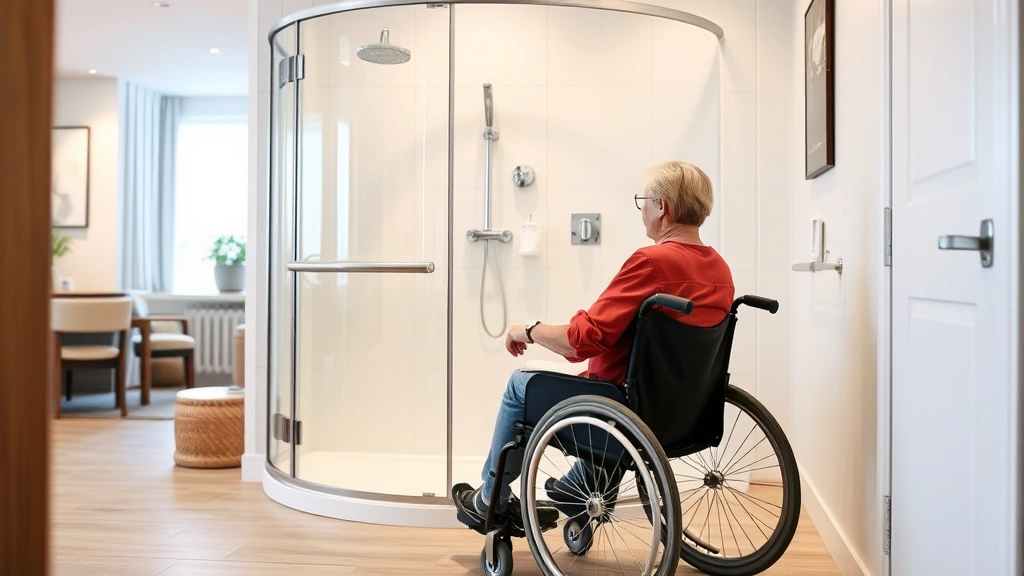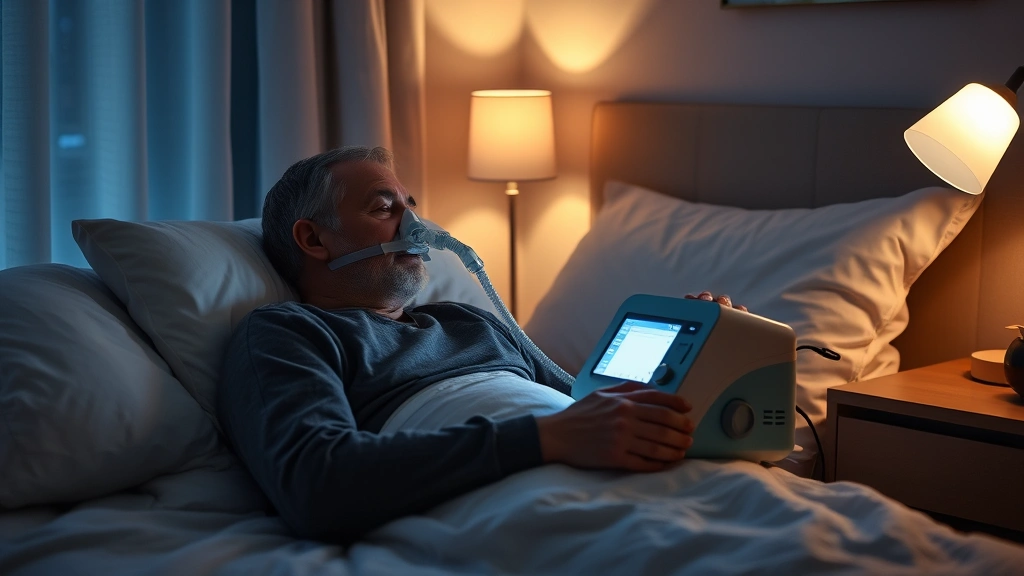
Medical equipment is often essential for managing chronic conditions, disabilities, and health complications. Whether you rely on oxygen concentrators, CPAP machines, dialysis equipment, nebulizers, or mobility devices, your landlord needs to understand why these items are necessary for your health and safety. A medical equipment letter for your landlord serves as formal documentation that bridges the gap between your healthcare provider and your rental housing, ensuring your right to maintain life-sustaining or medically necessary equipment in your home.
This guide walks you through what a medical equipment letter is, why landlords request them, what information should be included, and how to obtain one. Understanding this process empowers you to advocate for your health needs while maintaining a positive landlord-tenant relationship and protecting your legal rights under fair housing laws.

What is a Medical Equipment Letter?
A medical equipment letter is official documentation from a licensed healthcare provider that verifies you require specific medical equipment for your health, safety, or quality of life. Unlike a general disability documentation letter, a medical equipment letter focuses specifically on the functional need for equipment rather than a diagnosis alone.
The letter typically includes:
- Your healthcare provider’s letterhead and credentials
- A statement that you are their patient
- The specific medical equipment you require
- A brief explanation of why the equipment is medically necessary
- How the equipment relates to your health condition or disability
- Duration of need (ongoing, temporary, etc.)
- Provider signature and contact information
This documentation serves multiple purposes: it protects your legal rights, clarifies expectations with your landlord, prevents disputes over equipment in your rental unit, and provides evidence of your needs should any housing dispute arise.
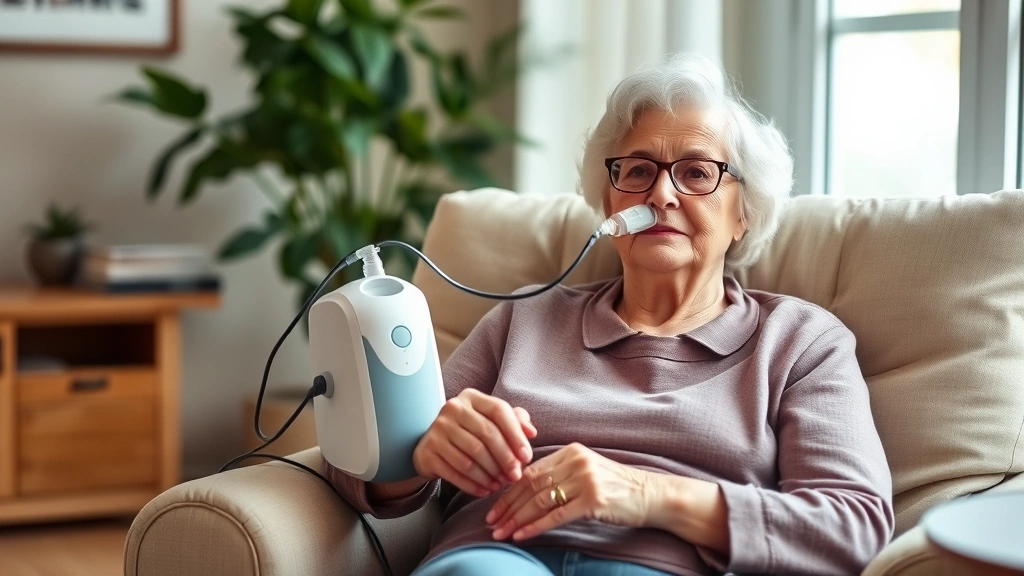
Why Landlords Request Medical Equipment Letters
Landlords may request medical equipment letters for several legitimate reasons. Some equipment requires electrical modifications, creates safety concerns, or needs specific environmental conditions. Understanding the landlord’s perspective helps you respond appropriately and professionally.
Common landlord concerns include:
- Safety and liability: Equipment like oxygen tanks or nebulizers may trigger questions about fire codes and safety regulations
- Lease compliance: Landlords want to verify that equipment doesn’t violate lease terms regarding modifications or alterations
- Insurance implications: Medical equipment may affect property insurance requirements or coverage
- Utility usage: Equipment like CPAP machines or air purifiers running 24/7 may increase electricity costs
- Structural modifications: Some equipment requires installation that affects the rental unit’s condition
- Verification of legitimacy: Unfortunately, some tenants misrepresent equipment needs; landlords seek verification
A clear, professional medical equipment letter from a licensed provider addresses these concerns and demonstrates that your equipment needs are legitimate and medically grounded.
Legal Framework and Fair Housing Protections
Your right to medical equipment in rental housing is protected by federal fair housing laws. The Fair Housing Act (FHA) and the Americans with Disabilities Act (ADA) both protect tenants with disabilities, including those who require medical equipment.
Key legal protections:
- Reasonable accommodation: Landlords must provide reasonable accommodations for tenants with disabilities, which includes allowing medically necessary equipment
- No discrimination: Landlords cannot refuse to rent or renew leases based on disability or need for medical equipment
- Verification limits: While landlords can request verification, they cannot demand extensive medical details or diagnoses
- Privacy protection: Medical information provided to landlords is confidential and cannot be shared without consent
- Modifications: If equipment requires installation (like grab bars or oxygen outlet placement), landlords must allow reasonable modifications
A functional limitation verification letter serves as your formal request for reasonable accommodation under these laws. When a landlord requests a medical equipment letter, they’re essentially asking for the documentation needed to process your reasonable accommodation request.
What Should Be Included in Your Letter
An effective medical equipment letter balances providing sufficient documentation with protecting your privacy. Your healthcare provider should include enough detail to verify medical necessity without disclosing unnecessary personal medical information.
Essential components:
- Provider information: Full name, credentials (MD, DO, NP, PA, etc.), license number if applicable, clinic or hospital name, address, phone, and email
- Patient verification: Statement confirming you are an established patient and the dates of care
- Equipment specification: Exact name and model of equipment if relevant (e.g., “continuous positive airway pressure [CPAP] machine,” “portable oxygen concentrator”)
- Medical necessity statement: Brief explanation without disclosing diagnosis: “Patient requires this equipment due to a respiratory condition” or “Patient requires this equipment for mobility and safety”
- Duration: Is this short-term (weeks/months) or ongoing/indefinite?
- Functional impact: How does the equipment affect daily functioning? (e.g., “enables patient to sleep safely,” “allows patient to perform essential activities of daily living”)
- Any special requirements: Does equipment need specific electrical access, ventilation, temperature control, or other accommodations?
- Provider attestation: A statement like “I attest that [patient name] requires this medical equipment as part of their medical treatment” signed and dated
The letter should be professional, concise (typically one page), and on official letterhead. It should focus on functional need rather than medical diagnosis, respecting both your privacy and your landlord’s legitimate need for verification.
How to Request One From Your Healthcare Provider
Requesting a medical equipment letter from your healthcare provider is straightforward when you approach it professionally and provide clear guidance.
Step-by-step process:
- Schedule an appointment or call: Contact your provider’s office and request to speak with the provider or their medical assistant about obtaining documentation for housing accommodation
- Explain the purpose: Briefly explain that your landlord has requested verification that you require specific medical equipment in your rental home
- Provide specific details: Tell your provider exactly which equipment you need documented (be specific: “CPAP machine,” not just “sleep equipment”)
- Share a template if helpful: You can provide the list of components above or ask if your provider has a standard format they use
- Allow adequate time: Request the letter with at least 5-7 business days notice; don’t rush providers
- Clarify delivery: Ask how the letter will be provided (email, printed copy, sealed envelope) and if there are any fees
- Follow up: If you don’t receive it within the timeframe, politely follow up
Most healthcare providers are familiar with these requests and can provide them quickly. If your primary care provider is unfamiliar with the equipment, the provider who prescribed or manages that specific equipment is the best source for documentation.
Common Medical Equipment Types and Documentation
Different types of medical equipment may require slightly different documentation emphasis. Understanding what documentation typically accompanies common equipment helps you prepare.
Respiratory equipment (CPAP, oxygen, nebulizers): Documentation should note that equipment is medically necessary for safe sleep or adequate oxygen levels. Emphasize that equipment requires electrical access and may need outlet placement.
Mobility equipment (walkers, wheelchairs, scooters): Letters should note functional limitations and that equipment enables independence and safe movement. May require accessible parking or ground-level accommodation requests alongside equipment documentation.
Dialysis or infusion equipment: Requires detailed documentation of necessity and may need special water access, electrical requirements, or storage space. Often requires coordination between healthcare providers and landlords.
Bathroom safety equipment (shower chairs, grab bars, raised toilets): Documentation should explain how equipment prevents falls and enables safe personal care. May require landlord approval for installation.
Air quality equipment (air purifiers, humidifiers): Requires documentation of medical necessity (asthma, COPD, allergies) rather than preference. Should explain how equipment relates to respiratory or immune function.
For any equipment, your accommodation letter should connect the equipment directly to your functional limitations or medical condition without oversharing diagnostic details.
Submitting Your Letter to Your Landlord
How you submit your medical equipment letter matters as much as its content. Professional presentation strengthens your position and demonstrates good-faith communication.
Best practices for submission:
- Use written communication: Email or certified mail creates a paper trail and shows professionalism
- Include a cover letter: A brief note explaining what you’re providing: “Per your request, I’m providing verification from my healthcare provider that I require medical equipment in my rental unit.”
- Keep original: Provide a copy, not your original, in case you need it elsewhere
- Redact if needed: It’s acceptable to redact provider information you consider private (like personal phone number) while keeping credentials visible
- Request acknowledgment: Ask for written confirmation that the landlord received your documentation
- Set reasonable expectations: Give the landlord 5-10 business days to respond
- Document everything: Keep copies of all correspondence and dates of submission
Professional submission demonstrates respect for the landlord-tenant relationship while firmly establishing your needs. This documentation also protects you if disputes arise later.
If your landlord denies your request after receiving medical documentation, you may have grounds for a fair housing complaint. Contact your local HUD office or a disability rights organization for guidance on next steps.
FAQ
Can my landlord ask for my medical diagnosis?
No. Under fair housing law, landlords can ask for verification that you need the equipment, but they cannot require disclosure of your specific diagnosis. The letter should explain functional need without medical details.
What if my provider refuses to write the letter?
If your current provider won’t document equipment you genuinely need, consider consulting another provider who specializes in your condition. Alternatively, many telehealth platforms and specialized accommodation services can provide documentation when your regular provider is unavailable.
Is there a fee for a medical equipment letter?
Some providers charge a small fee ($25-75) for letters or documentation requests. Ask about fees when you request the letter. If cost is a barrier, explain this to your provider—many waive fees for patients in financial hardship.
How long is a medical equipment letter valid?
Most letters are valid indefinitely unless the provider specifies a different timeframe. However, if your situation changes significantly (equipment no longer needed, different equipment required), you should update your landlord and provide new documentation.
Can I use the same letter if I move to a new rental?
Yes. A medical equipment letter from your healthcare provider is yours to use whenever you need to document the same equipment need to a landlord, employer, or other entity. You can provide copies as needed.
What if my landlord wants to speak directly with my healthcare provider?
You can allow this only with your explicit written permission. Providers cannot release information without authorization. If your landlord requests this, you can provide written authorization, but it’s not required—the letter alone should suffice.
Does my landlord need to allow equipment modifications?
Yes, if modifications are necessary for the equipment to function. For example, if your oxygen equipment requires a dedicated outlet, the landlord must allow installation. However, modifications should be done professionally and with landlord approval to prevent damage disputes.
What’s the difference between a medical equipment letter and an ESA letter?
A medical equipment letter documents need for specific physical equipment (CPAP, oxygen, etc.), while an ESA letter documents need for an emotional support animal. They serve different purposes and have different legal frameworks, though both are reasonable accommodation requests.