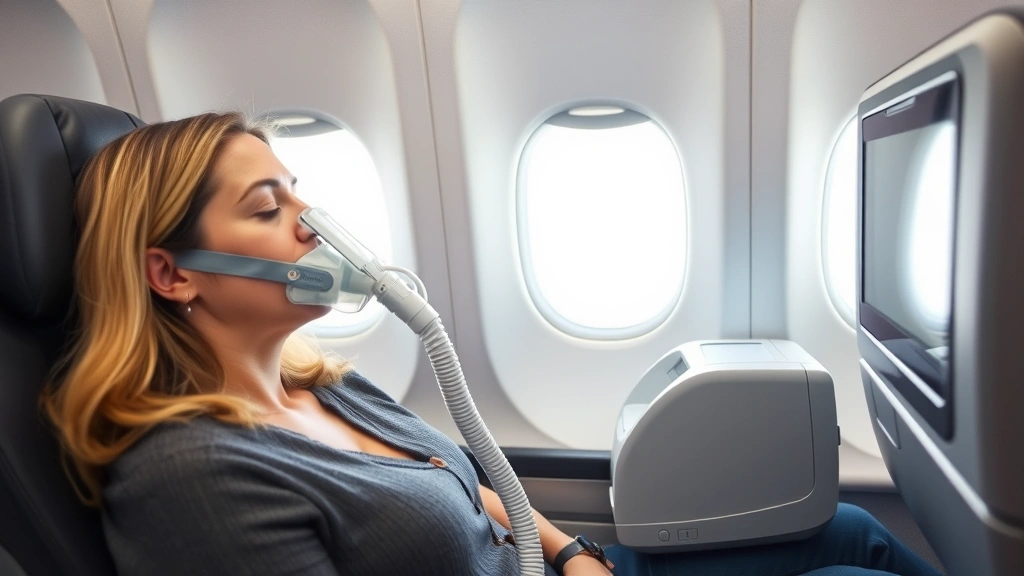
Instant Medical Equipment Letter: What Airlines Accept?
Traveling with medical equipment requires proper documentation, and airlines have strict protocols to ensure passenger safety while accommodating legitimate medical needs. An instant medical equipment letter from a qualified healthcare provider serves as critical proof that your equipment is medically necessary for your condition. Understanding which airlines accept these letters, what information they require, and how to obtain one quickly can transform your travel experience from stressful to seamless.
Whether you’re traveling with a CPAP machine, oxygen concentrator, wheelchair, insulin pump, or other essential medical devices, having the right documentation prevents delays at security, gate checks, and boarding. This comprehensive guide walks you through the airline acceptance criteria, letter requirements, and how to get an instant medical equipment letter that meets federal aviation standards.
What is a Medical Equipment Letter?
A medical equipment letter is official documentation from a licensed healthcare provider certifying that a specific medical device is medically necessary for your condition. This letter serves as proof to airlines, TSA agents, and airport security that your equipment isn’t a prohibited item but rather essential medical apparatus required for your health and safety during travel.
The letter differs from a general physician’s note because it specifically addresses the medical necessity, proper functioning, and safety protocols for your particular device. Airlines use this documentation to verify claims, ensure proper handling, and make informed decisions about device placement (cabin versus checked baggage), charging accommodations, and any special seating or equipment arrangements you might need.
Instant medical equipment letters can be obtained through telehealth platforms, urgent care facilities, or established patient relationships with your regular physician. The key is ensuring the letter comes from a licensed, verifiable healthcare provider whose credentials the airline can validate if needed.
Which Airlines Accept Medical Equipment Letters?
All major U.S. carriers and international airlines accept medical equipment letters as part of their disability accommodation policies. Here’s what you need to know about major airlines:
- Delta Air Lines accepts medical equipment letters and requires advance notice for oxygen concentrators, CPAP machines, and other respiratory devices. They allow one piece of medical equipment as a carry-on item at no extra charge.
- United Airlines honors medical equipment documentation and permits medically necessary devices in the cabin. They have specific protocols for oxygen, mobility aids, and electronic medical equipment.
- American Airlines accepts physician certification for medical devices and provides accommodations for passengers with equipment needs. Their website has a dedicated disability services section.
- Southwest Airlines allows one carry-on medical device without size restrictions and accepts medical letters as supporting documentation.
- Alaska Airlines permits medically necessary equipment and accepts letters from healthcare providers as verification.
- International carriers (Air Canada, British Airways, Lufthansa, etc.) all accept medical equipment letters, though some require additional forms or advance notice periods ranging from 24 to 72 hours.
While all airlines accept medical equipment letters, the specific requirements and advance notice periods vary. Most major carriers have online disability accommodation request systems where you can upload your letter before your flight, which streamlines the boarding process significantly.
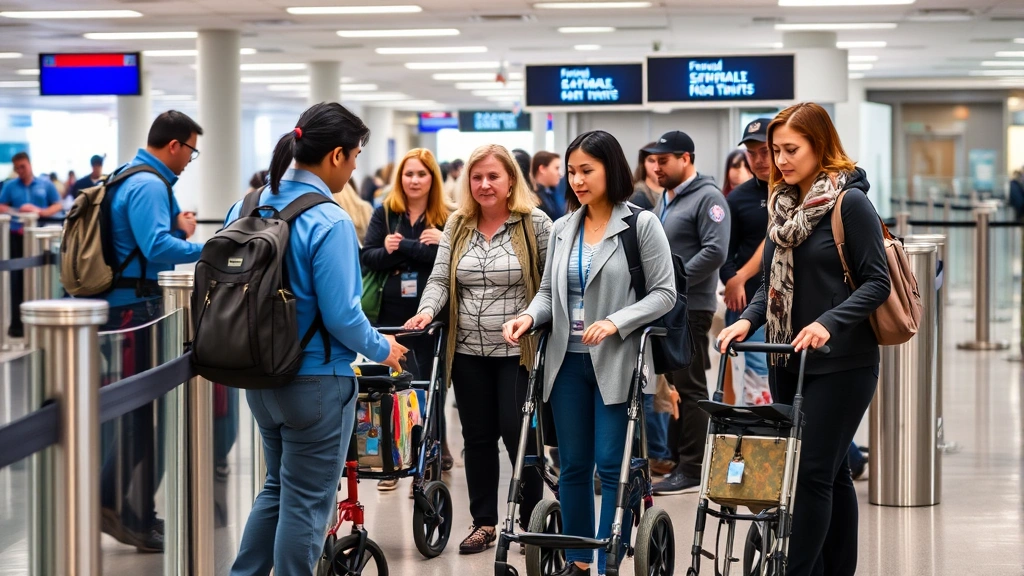
TSA and FAA Requirements for Medical Devices
The Transportation Security Administration (TSA) and Federal Aviation Administration (FAA) have specific guidelines for medical equipment that complement airline policies. Understanding these federal requirements ensures your letter addresses what authorities actually need to see.
The TSA explicitly permits medical devices through security checkpoints, including oxygen concentrators, CPAP machines, nebulizers, insulin pumps, and mobility aids. However, they must be screened, and having documentation expedites this process.
The FAA requires that medical devices meet specific safety standards for cabin use. Lithium batteries in medical devices, for example, have restrictions, and your letter should address battery safety if applicable. Oxygen concentrators must be FAA-approved, and your letter should confirm your specific model meets federal standards.
For devices requiring power during flight, your medical equipment letter should state the device needs to remain powered throughout the journey and specify expected battery life. Airlines use this information to determine if outlet access or special seating is necessary.
Essential Information Your Letter Must Include
A comprehensive medical equipment letter should contain these critical elements:
- Healthcare provider credentials: Full name, licensure type (MD, DO, NP, PA), state licensure number, and contact information. Airlines may verify credentials.
- Patient identification: Your full name, date of birth, and any relevant medical record number to prevent confusion with other passengers.
- Specific diagnosis: The medical condition requiring the equipment (e.g., sleep apnea, COPD, diabetes) without excessive detail.
- Device specifications: Exact equipment name, model number, manufacturer, and any distinguishing features. For example: “ResMed AirSense 10 CPAP machine” rather than just “CPAP.”
- Medical necessity statement: Clear language confirming the device is medically necessary for the patient’s health and safety. Airlines specifically look for this phrase.
- Safety confirmation: Statement that the device is safe for airline use and meets FAA/TSA requirements. Your provider should confirm the device has no prohibited components.
- Power requirements: If the device needs electricity, the letter should specify duration needed and whether battery backup is available.
- Special handling needs: Any requirements for temperature control, storage, or careful handling during transport.
- Provider signature and date: Original signature (or electronic signature for telehealth providers) with current date. Most airlines accept digital letters with verifiable provider information.
Your letter should be on official letterhead or include verifiable provider credentials. Airlines increasingly accept electronic letters from recognized telehealth platforms, but always confirm your specific airline’s requirements before travel.
How to Get an Instant Medical Equipment Letter
Getting an instant medical equipment letter typically takes one to four hours through several options:
Telehealth Platforms: Services like Arvix Health connect you with licensed physicians who can review your medical history and issue equipment letters within hours. You’ll need to provide your diagnosis, current treatment, and specific equipment details. The provider conducts a brief consultation (usually 15-30 minutes) to verify medical necessity before issuing the letter.
Your Current Healthcare Provider: If you have an established relationship with a physician, nurse practitioner, or physician assistant, call their office and request an urgent medical equipment letter. Many practices can issue letters same-day if you’re an established patient. This is often the fastest option if your provider knows your medical history.
Urgent Care Facilities: Walk-in urgent care clinics can issue medical equipment letters, though they may require you to be evaluated in person. Call ahead to confirm they provide this service and ask about wait times.
Specialty Clinics: If your medical equipment relates to a specific condition (respiratory clinic for CPAP, endocrinology for insulin pumps), contacting your specialist’s office often yields faster results since they already have detailed device information in your records.
When requesting an instant letter, be specific: explain you need it for airline travel, provide your flight date, and mention any time constraints. Providers prioritize urgent travel requests and can often expedite documentation.
For a more comprehensive understanding of functional limitations documentation, review our functional limitation verification letter guide, which covers detailed medical documentation similar to equipment letters.
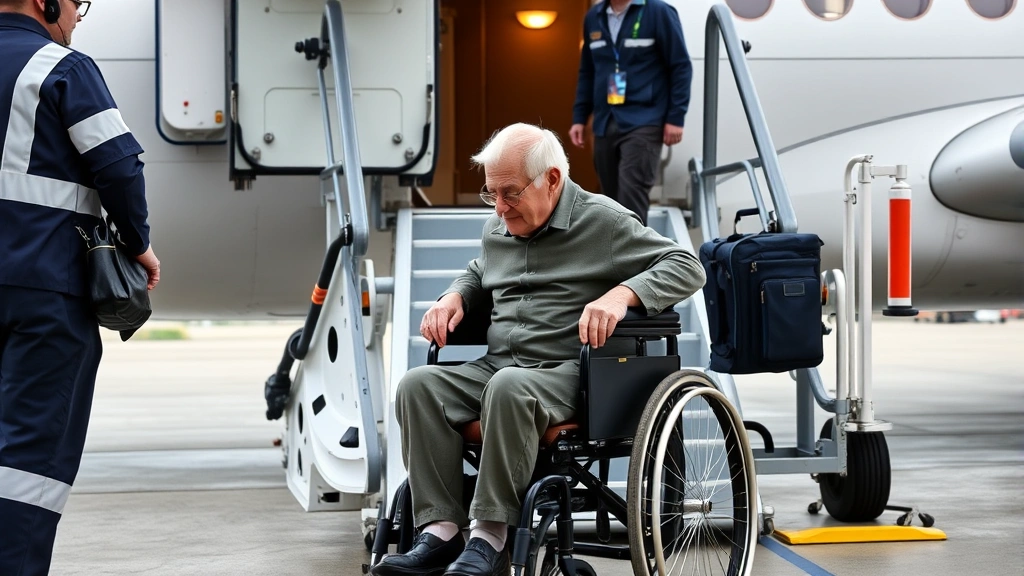
Common Medical Devices and Airline Policies
CPAP/BiPAP Machines: All major airlines permit CPAP machines as carry-on items. Your letter should confirm the device is FAA-approved (most modern machines are) and specify battery life if you’re using a portable battery. Most airlines allow these in the cabin without advance notice, though notifying them expedites security screening.
Oxygen Concentrators: FAA-approved portable oxygen concentrators (like Inogen, Philips Respironics, or SeQual models) are permitted on flights. Your letter must confirm your specific model is on the FAA-approved list and state your oxygen requirements (liters per minute and duration needed). Most airlines require 48-72 hours advance notice for oxygen devices.
Wheelchairs and Mobility Aids: Standard wheelchairs, walkers, canes, and crutches are permitted as carry-on or checked items. Your letter should confirm the device type and note any special handling requirements (battery-powered wheelchairs have additional regulations). Most airlines don’t require letters for standard mobility aids, but having documentation helps if issues arise.
Insulin Pumps and Glucose Monitors: These devices are permitted through security and on flights. Your letter should confirm these are non-injectable medical devices and specify if they require power or temperature control during travel.
Nebulizers and Inhalers: Portable nebulizers are permitted if battery-powered or if outlet access can be arranged. Your letter should address power needs and medication storage requirements (many medications require temperature control).
Ventilators and Respiratory Devices: Portable ventilators require advance planning and extensive documentation. Your letter must confirm the device is FAA-approved, specify power requirements, and address backup battery duration. Airlines typically require 2-3 weeks advance notice for ventilator-dependent passengers.
For workplace-related medical documentation, explore our doctor note for workplace accommodation resource, which covers similar provider verification processes.
Preparing for Airport Security with Medical Equipment
Having an instant medical equipment letter is only part of airport preparation. Here’s how to use it effectively:
- Arrive early: Plan to arrive 3 hours before domestic flights, 4 hours before international flights. Medical equipment screening takes additional time, and arriving early reduces stress.
- Have your letter accessible: Keep your original letter in a clear folder, easily reachable in your carry-on. Print extra copies—security agents, gate agents, and flight crew may each request verification.
- Notify TSA PreCheck agents: When proceeding through security, inform the TSA agent you have medical equipment and present your letter. Many agents will expedite screening once they see documentation.
- Request advance notice submissions: Call your airline 24-48 hours before travel to notify them of your equipment. Many airlines have dedicated disability services lines that can add notes to your reservation, alerting gate agents to expect your equipment.
- Know your equipment: Be prepared to explain your device, why you need it, and how it works. TSA agents may ask questions, and your knowledge demonstrates legitimacy.
- Address battery concerns: If your device has lithium batteries, confirm with TSA that your specific device is permitted. Your medical equipment letter should address battery safety if applicable.
- Consider device placement: Medical equipment should stay with you in the cabin whenever possible. Your letter supports this request, but confirm the specific airline’s policy on your reservation.
If you face challenges with documentation, the Job Accommodation Network (JAN) provides resources on disability rights during travel, and the Americans with Disabilities Act website offers comprehensive information on travel accommodations.
For students traveling with medical equipment, our doctor note for school accommodations guide covers similar documentation principles applicable to academic travel situations.
FAQ
How quickly can I get a medical equipment letter for travel?
Instant medical equipment letters can be obtained within 1-4 hours through telehealth services or established healthcare providers. If you’re an existing patient, your regular doctor’s office may issue one same-day. For urgent travel situations, specify the timeframe when requesting the letter.
Do I need a separate letter for each flight?
No, one medical equipment letter is valid for multiple flights and typically remains valid for 12 months. However, if your device changes or your medical condition significantly changes, request an updated letter. Some airlines may request updated documentation annually.
Can I use a telehealth letter, or do airlines require in-person evaluation?
Airlines accept telehealth letters from licensed providers. The key is that the letter comes from a verifiable, licensed healthcare provider (MD, DO, NP, PA). Telehealth services like Arvix Health provide letters that meet airline standards.
What if my airline rejects my medical equipment letter?
If an airline questions your letter’s legitimacy, they may verify the provider’s credentials directly. Ensure your letter includes complete provider contact information. If issues persist, contact the airline’s disability services department or request to speak with a supervisor. You can also file a complaint with the Department of Transportation’s Aviation Consumer Protection Division.
Does my letter need to be notarized?
No, notarization isn’t required. Airlines accept letters on official letterhead with provider signature and contact information. Digital letters with verifiable provider credentials are acceptable.
Can I use my insurance company’s letter instead of a medical equipment letter?
Insurance company letters document coverage but don’t serve the same function as medical equipment letters. Airlines need specific medical necessity documentation from a healthcare provider, not insurance verification. Obtain a separate letter from your physician.
What happens if I travel without a medical equipment letter?
While you’re unlikely to be denied boarding, traveling without documentation risks delays, security questioning, and potential device confiscation if agents question its necessity. Having proper documentation prevents these complications and ensures smoother airport experiences.
Can my family member’s doctor write my medical equipment letter?
No, the letter must come from a healthcare provider with a direct patient relationship with you. The provider needs your medical history and must conduct an evaluation (in-person or telehealth) before issuing the letter.