Medical Accommodation Letter Guide: Expert Insights
A medical accommodation letter is a critical document that bridges the gap between your healthcare provider and your landlord or housing authority. Whether you need accessible housing modifications, ground-floor placement, or other residential accommodations due to a medical condition, understanding how to obtain and present this letter can significantly impact your housing situation. This comprehensive guide walks you through the process, legal requirements, and best practices for securing a medical accommodation letter that landlords will respect.
Medical accommodation letters serve as formal documentation of your health-related needs and the reasonable accommodations required to ensure equal housing access. Unlike emotional support animal letters or workplace accommodation requests, housing-focused medical letters must clearly establish the nexus between your condition and the specific accommodation being requested. The stronger your letter, the more likely your landlord will comply with Fair Housing Act requirements.
What Is a Medical Accommodation Letter for Housing?
A medical accommodation letter for housing is a formal document written by a licensed healthcare provider that confirms you have a medical condition requiring specific residential accommodations. This letter differs from general disability verification documents because it specifically connects your diagnosis or functional limitations to concrete housing modifications or arrangements. The letter essentially tells your landlord: “This person has a legitimate medical need, and here’s what housing adjustment will help them live safely and independently.”
The letter must come from a qualified healthcare professional—typically a physician, psychiatrist, psychologist, nurse practitioner, or other licensed medical provider who has examined you or reviewed your medical records. The provider must have a legitimate professional relationship with you, not simply provide a letter based on your description of symptoms. This requirement ensures the letter carries legal weight and cannot be dismissed as fraudulent or unsubstantiated.
Housing-specific medical letters are commonly used for accommodations such as doctor letters for housing accommodation, accessible unit transfers, pet accommodations, parking modifications, and lease flexibility due to medical appointments or treatment needs. They’re distinct from ESA letters for apartments, which focus specifically on emotional support animals, though some letters may address both needs.
Legal Framework and Fair Housing Requirements
The Fair Housing Act (FHA), enforced by the U.S. Department of Housing and Urban Development (HUD), protects individuals with disabilities from housing discrimination. Under the FHA, landlords must provide reasonable accommodations in rules, policies, practices, or services when necessary to afford a person with a disability equal opportunity to use and enjoy a dwelling. This is a legal obligation, not a courtesy.
HUD’s Fair Housing guidance clarifies that a medical accommodation letter serves as supporting documentation for your request. While landlords cannot demand extensive medical information, they can request reliable documentation that establishes the disability-accommodation nexus. Your letter must be credible enough to withstand potential scrutiny.
The Americans with Disabilities Act (ADA) also provides protections, though it applies differently to housing depending on whether your landlord is a public entity or a private entity covered by fair housing laws. The ADA website provides comprehensive guidance on disability rights across sectors. Additionally, many states and municipalities have their own fair housing laws that may provide equal or greater protections than federal law.
A well-crafted medical accommodation letter strengthens your legal position by providing objective third-party documentation of your need. If a landlord denies your accommodation request, the letter becomes evidence that you made a reasonable request backed by professional medical judgment. Without proper documentation, you’re relying solely on your word, which is significantly weaker in a dispute.
Key Components of an Effective Letter
An effective medical accommodation letter for housing must include several essential elements to carry legal weight and persuade your landlord:
- Provider Credentials: The letter should be on official letterhead from a licensed healthcare provider, including their name, license number, medical specialty, and contact information. This establishes the writer’s authority and allows landlords to verify credentials if needed.
- Professional Relationship: The letter must state the duration and nature of the professional relationship between the provider and you. Phrases like “I have been treating [your name] since [date]” or “I have reviewed [patient’s] medical records dated [dates]” establish legitimacy.
- Diagnosis or Functional Limitation: The letter should reference your condition without necessarily disclosing the specific diagnosis (you have some privacy protection here). For example: “My patient has a mobility impairment that significantly limits their ability to navigate stairs” is sufficient; you don’t need to disclose if it’s caused by arthritis, spinal cord injury, or another condition.
- Functional Limitation Description: Clearly explain how your condition impacts your daily functioning. “The patient experiences chronic pain when walking distances greater than 100 feet, making ground-floor placement necessary to access building amenities and services.”
- Specific Accommodation Request: Name the exact accommodation needed: ground-floor unit, accessible parking space, permission for service animal, modified lease terms, etc. Vague requests are easier for landlords to deny.
- Nexus Statement: Explain the direct connection between the accommodation and your disability. “Ground-floor placement is necessary because climbing stairs exacerbates my patient’s pain and increases fall risk.”
- Provider’s Professional Opinion: Include a statement like “In my professional medical opinion, this accommodation is medically necessary for my patient to have equal access to housing.”
- Signature and Date: The letter must be signed and dated by the provider. Electronic signatures are generally acceptable in most jurisdictions.
The letter should be professional, concise (one to two pages), and focused on the accommodation need rather than exhaustive medical history. Providers sometimes make letters overly detailed or include unnecessary diagnoses that can actually weaken the letter by appearing defensive or raising privacy concerns.
How to Obtain Your Medical Letter
Obtaining a medical accommodation letter requires initiative and clear communication with your healthcare provider:
- Schedule an Appointment: Contact your primary care physician, specialist, or mental health provider and request a meeting specifically to discuss your housing accommodation needs. Don’t try to get the letter through a quick phone call or message—providers need time to document properly.
- Prepare Your Request: Before the appointment, write down the specific accommodation you need and how your condition affects your ability to use the housing without it. Be concrete: “I need a ground-floor unit because I cannot climb stairs due to [condition].”
- Discuss During Appointment: Explain your situation to your provider. If they’re unfamiliar with medical accommodation letters, explain that it’s a Fair Housing Act requirement and that you need documentation connecting your disability to your specific need.
- Provide Written Request: Some providers prefer written requests. Send an email or give them a written note outlining exactly what you need the letter to include. This reduces misunderstandings.
- Discuss Timeline: Ask when the letter will be ready. Most providers can complete it within one to two weeks, though some may take longer if they need to review medical records.
- Clarify Costs: Ask if there’s a fee for the letter. Some providers provide it free as part of patient care; others charge an administrative fee (typically $25-$100). Budget accordingly.
- Get Multiple Copies: Request at least three copies—one for your landlord, one for your records, and one as backup.
If your current provider refuses to write the letter or seems dismissive of your accommodation needs, you have options. You can seek a second opinion from another qualified healthcare provider, or explore services that connect you with licensed medical professionals experienced in writing accommodation letters. Some providers specialize in this documentation and understand exactly what landlords need to see.
If you’re seeking a medical accommodation for remote work in addition to housing needs, you may be able to address both in a single comprehensive letter, though workplace and housing accommodations sometimes require separate documentation depending on your situation.
Presenting Your Letter to Your Landlord
How you present your medical accommodation letter matters as much as the letter’s content. Strategic presentation increases the likelihood your landlord takes it seriously:
- Timing: Submit the letter early in your housing search or immediately upon signing a lease if you’re an existing tenant. Don’t wait until you’re in crisis mode.
- Format: Provide an original signed letter or a clear photocopy/PDF. Blurry or illegible copies reduce credibility.
- Cover Letter: Include a brief, professional cover letter stating your request clearly. “I am requesting a ground-floor unit as a reasonable accommodation for my disability, as documented in the attached medical letter from my healthcare provider.”
- Documentation Package: Organize the letter with any supporting documentation (such as a disability verification letter if applicable) in a clear folder or envelope.
- Delivery Method: Send it via certified mail with return receipt or email with read receipt to create a paper trail. Keep copies of everything you send.
- Follow-up: Give your landlord 10-14 business days to respond, then follow up professionally if you haven’t heard back. Document all communications.
Landlords cannot ask invasive questions about your diagnosis, treatment, or prognosis. They can ask clarifying questions about the accommodation itself (“Why do you need ground-floor specifically?”) but should not demand extensive medical records. If a landlord oversteps, you can reference Fair Housing Act protections or consult a fair housing organization.
Common Housing Accommodations Documented
Medical accommodation letters typically support requests for the following residential accommodations:
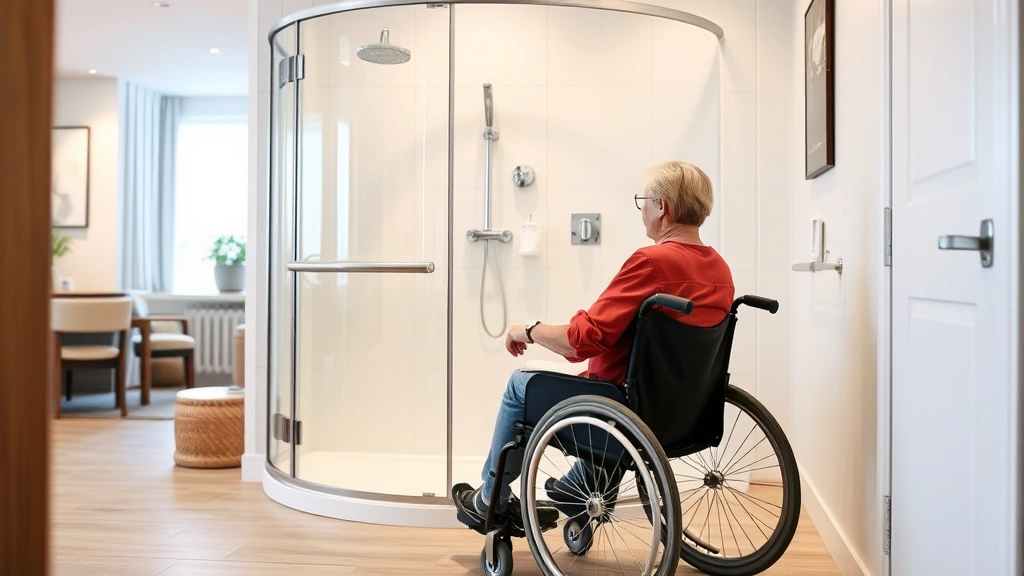
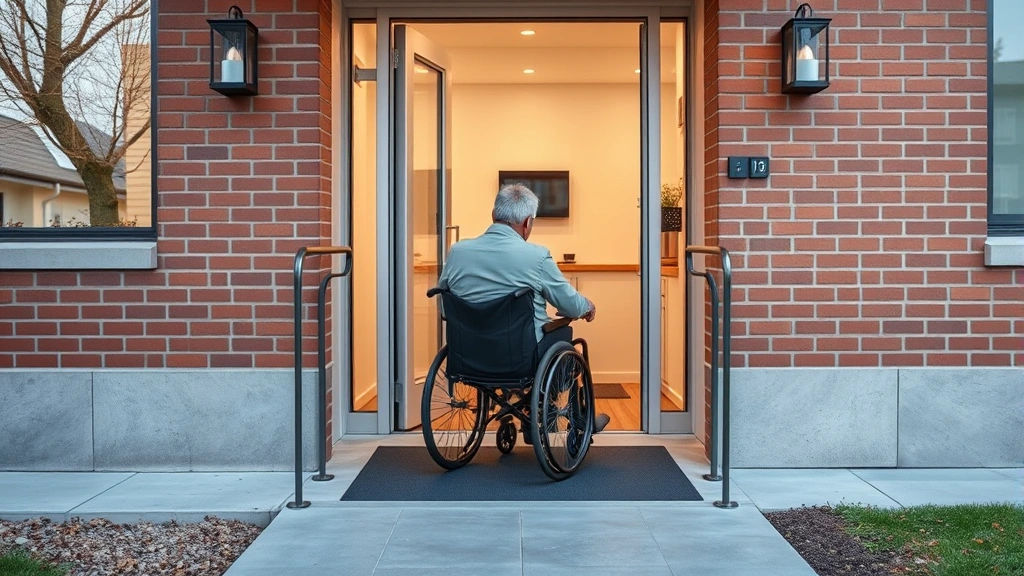
- Unit Modifications: Ground-floor placement, accessible bathroom modifications, grab bars, widened doorways, or ramps. Mobility impairments frequently require these accommodations.
- Service or Emotional Support Animals: Letters documenting the disability-related need for a service animal or emotional support animal. (Note: ESA letters have specific requirements; see our ESA letter for apartment resource for details.)
- Accessible Parking: Reserved or accessible parking spaces for individuals with mobility limitations or conditions affecting walking distance tolerance.
- Lease Modifications: Flexible lease terms allowing breaks for medical appointments, treatment periods, or temporary relocations for medical reasons.
- Allergen-Free or Chemical-Free Housing: Units free from specific allergens or chemicals for individuals with severe allergies or chemical sensitivities.
- Noise Accommodations: Quiet units for individuals with sensory processing issues, PTSD, or conditions triggered by noise.
- Medication Storage: Climate-controlled storage for medications requiring specific temperature ranges.
- Accessible Common Areas: Requests for elevator access, accessible community spaces, or modified building policies to accommodate disability-related needs.
The breadth of potential accommodations is wide because the Fair Housing Act uses a broad definition of disability. Any condition that substantially limits one or more major life activities qualifies. Your letter should be specific to your actual needs rather than requesting overly broad accommodations.

FAQ
Can a landlord demand extensive medical records along with my accommodation letter?
No. Under Fair Housing Act guidelines, landlords cannot demand extensive medical records, treatment history, or specific diagnoses. They can request reliable documentation that establishes the disability and its connection to the accommodation, which your medical letter provides. If a landlord demands more than necessary, they may be violating fair housing law. Contact the EEOC or your local fair housing organization if this occurs.
What if my doctor refuses to write a medical accommodation letter?
If your established healthcare provider refuses, you can: (1) explain why the letter is important and ask them to reconsider; (2) seek a second opinion from another qualified provider; (3) request records from your provider to support your own documentation; or (4) work with a medical accommodation service that connects you with licensed professionals experienced in writing these letters.
How long is a medical accommodation letter valid?
There’s no standard expiration date. However, landlords may reasonably request updated letters every few years, particularly if your condition may have changed. For chronic, stable conditions, a letter remains valid indefinitely unless the landlord specifically challenges it. If your condition changes significantly, update your letter accordingly.
Can I write my own medical accommodation letter?
No. The letter must come from a licensed healthcare provider to carry legal weight. A self-written letter will be dismissed immediately by most landlords and may actually harm your credibility. Always work with a qualified medical professional.
What’s the difference between a medical accommodation letter and a disability verification letter?
A medical accommodation letter is housing-specific and connects your disability to a particular accommodation need. A disability verification letter is more general, simply confirming you have a disability without necessarily addressing a specific accommodation. For housing, you typically need the accommodation-focused letter, though both may be useful in some situations.
Can my landlord deny my accommodation request if I provide a medical letter?
Your landlord cannot deny a reasonable accommodation request simply because they disagree with it. However, they can deny requests that pose undue financial burden or fundamental alteration of the housing. For example, a request for a ground-floor unit is usually reasonable; a request to completely renovate the building is not. A strong medical letter makes denial much harder to justify legally.
Should I mention my accommodation needs before signing a lease?
Yes, if possible. Disclosing early allows you to work with the landlord during the application process and potentially avoid conflicts later. However, you’re protected by law even if you request accommodations after signing. Don’t avoid signing a lease if you need it; just plan to submit your accommodation request promptly.
What should I do if my landlord ignores my accommodation request?
Document everything—send your request in writing, follow up in writing, and keep records of all communications. If the landlord continues to ignore the request without reasonable explanation, file a complaint with HUD’s Fair Housing office or your state’s fair housing agency. You can also consult a fair housing attorney about your options.