Traveling with Medical Equipment: Telehealth Tips
Traveling with medical equipment can feel overwhelming, especially when you’re managing a chronic condition or rely on specialized devices to maintain your health. Whether you’re taking a weekend trip or relocating for work, understanding how to transport, document, and manage your medical equipment is essential for safe and stress-free travel. This guide covers everything you need to know about traveling with medical devices, securing proper documentation, and leveraging telehealth to ensure continuity of care while on the move.
One of the most overlooked aspects of medical equipment travel is the importance of proper documentation. Airlines, border agents, and healthcare providers need verification that your equipment is medically necessary and that you’re trained to use it safely. A medical equipment travel letter serves as your key to smooth transitions through security checkpoints and international borders. Additionally, telehealth platforms have revolutionized how travelers access care, allowing you to consult with healthcare providers regardless of your location.
Understanding Medical Equipment Travel Documentation
Medical equipment travel documentation is a formal letter from your healthcare provider that explains your medical condition, the equipment you need, and why it’s medically necessary for you to travel with it. This document serves multiple purposes: it helps you navigate airport security, provides clarity to customs officials, and ensures that healthcare providers at your destination understand your needs.
The letter should be specific, detailed, and written on official letterhead. It typically includes your name, date of birth, the medical diagnosis, a description of the equipment, instructions for use, and the provider’s contact information. Unlike a general accommodation letter for workplace needs, a medical equipment travel letter focuses specifically on the physical devices and their necessity during travel.
Having proper documentation prevents unnecessary delays at security checkpoints and reduces the likelihood of your equipment being confiscated or damaged. It also protects you legally if questions arise about the equipment’s legitimacy or your right to travel with it.
Types of Medical Equipment and Travel Requirements
Different medical devices have different travel requirements. Understanding these distinctions helps you prepare adequately and avoid complications.
- Oxygen Equipment: Portable oxygen concentrators are TSA-approved for air travel, but you’ll need a letter from your physician confirming your oxygen prescription and the specific device model. Airlines require advance notice and may have restrictions on battery-powered devices.
- CPAP/BiPAP Machines: These devices are permitted through airport security with documentation. Notify your airline in advance, as some require you to demonstrate that the device works before boarding.
- Insulin Pumps and Glucose Monitors: These can pass through security without removal from your body. A medical letter helps explain continuous glucose monitors (CGMs) that may trigger metal detectors.
- Mobility Aids: Wheelchairs, walkers, and canes are allowed, though batteries may need to be disconnected. Bring documentation if you’re concerned about your specific device.
- Infusion Pumps and Feeding Tubes: These require detailed medical documentation and advance coordination with your airline and destination healthcare providers.
- Ventilators: Portable ventilators require extensive advance planning, medical documentation, and coordination with airlines and destination facilities.
Each device category has specific regulations, so consulting with your healthcare provider and your airline before travel is essential. Your provider can help you obtain the appropriate medical documentation needed for your specific equipment.
Preparing Your Medical Equipment Letter
Creating an effective medical equipment travel letter requires collaboration between you and your healthcare provider. Here’s what should be included:
- Header Information: Provider’s name, credentials, practice address, phone number, and fax on official letterhead
- Patient Information: Your full name, date of birth, and contact information
- Medical Diagnosis: Clear statement of your condition requiring the equipment
- Equipment Details: Specific model names, serial numbers, and brand names of all devices you’re traveling with
- Functional Necessity: Explanation of why the equipment is medically necessary and what would happen without it
- Usage Instructions: Basic information about how and when you use the equipment
- Battery and Power Information: Details about batteries, chargers, and power requirements if applicable
- Duration: Statement confirming this letter is valid for your travel dates (typically 12 months)
- Provider Signature and Credentials: Original signature with date and provider credentials clearly visible
Request multiple printed copies—one for your carry-on, one for checked luggage, one for your destination, and extras for unexpected situations. If traveling internationally, consider having the letter translated into the language of your destination country, though English is widely understood in most airports.
TSA and Airline Regulations for Medical Devices
The Transportation Security Administration (TSA) has specific rules about medical equipment at airport security checkpoints. Understanding these regulations prevents stress and delays.
TSA Permitted Items: Medical devices including insulin pumps, inhalers, EpiPens, nebulizers, and portable oxygen concentrators are permitted in both carry-on and checked baggage. You can keep these items in your possession during security screening; they don’t need to be removed from your bag or body.
Advance Notification: While not always required, notifying the TSA about medical equipment in advance can smooth your experience. Use the TSA’s special procedures page to learn about your specific device.
Airline-Specific Rules: Each airline has its own medical equipment policies. Some airlines require advance notice (24-72 hours), while others allow you to bring equipment with minimal notice. Contact your airline directly to understand their specific requirements. Many airlines have dedicated medical equipment departments that can answer detailed questions.
Security Screening Process: Inform the TSA officer at security that you have medical equipment. You may be asked to remove the device for inspection, but you have the right to request that it be handled carefully and not disconnected from your body unless absolutely necessary.
Liquids Rule Exception: Medications and medical solutions (like saline for nebulizers or insulin) are exempt from the 3.4-ounce liquid rule. Bring your medical letter to explain any liquids in your carry-on.
International Travel with Medical Equipment
International travel with medical equipment requires additional planning and documentation. Different countries have varying regulations about importing medical devices.
Customs and Border Protection: When entering a foreign country, you may be asked to declare your medical equipment. Having a detailed medical letter in English (and ideally in the local language) helps explain your equipment’s purpose and legitimacy. U.S. Customs and Border Protection allows medical devices for personal use, but documentation helps prevent confusion.
Destination Country Regulations: Research your destination country’s specific medical device regulations. Some countries restrict certain medications or devices. For example, some decongestants illegal in certain countries, and some countries have restrictions on controlled medications. Contact your destination country’s embassy or consulate for specific guidance.
Return Travel Documentation: Keep all receipts, documentation, and packaging for your medical equipment. This helps prove you’re returning with the same equipment you left with, not importing new devices.
Travel Insurance: Consider travel insurance that covers medical equipment loss or damage. Standard travel insurance may not cover medical devices, so look for policies specifically addressing your equipment.
Healthcare Provider Coordination: If you’re traveling for an extended period, ask your healthcare provider for a referral to a provider at your destination. This ensures continuity of care and helps with any equipment adjustments or emergencies.
Telehealth Solutions for Traveling Patients
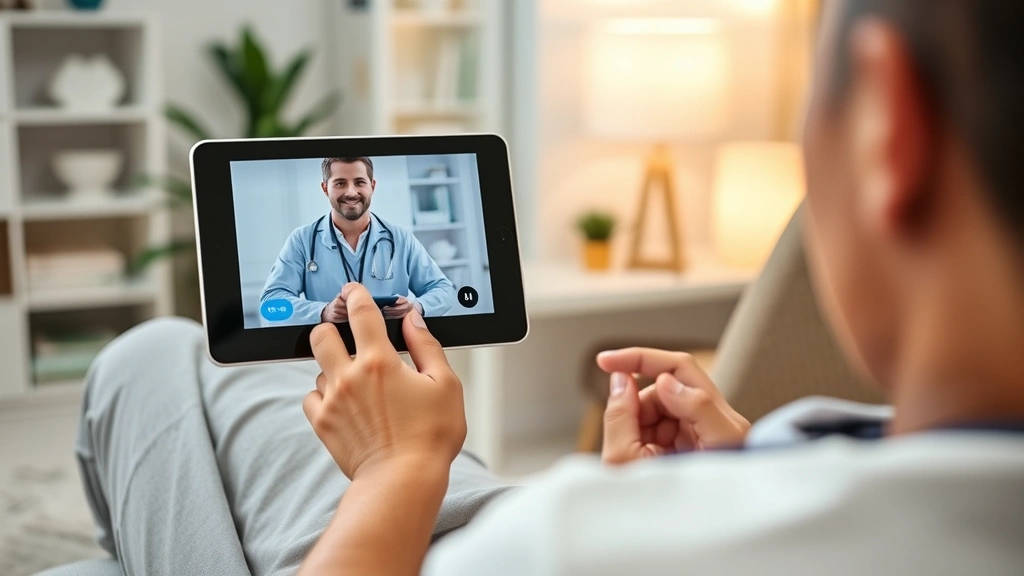
Telehealth has transformed medical care for travelers, allowing you to maintain contact with your healthcare providers regardless of your location. This is particularly valuable for managing chronic conditions while traveling.
Choosing a Telehealth Platform: Select a platform that integrates with your existing healthcare providers or offers specialists in your condition area. Platforms like Teladoc, Amwell, and Doctor on Demand connect you with licensed physicians in your state. Ensure the platform is HIPAA-compliant and secure for discussing sensitive health information.
Medication Management: Telehealth providers can manage medication refills and adjustments. If you need medications while traveling, a telehealth consultation can result in a prescription sent to a pharmacy near your location. This is especially helpful if you forget medication or need dosage adjustments.
Equipment Troubleshooting: If your medical equipment malfunctions during travel, a telehealth consultation with a specialist can help you troubleshoot basic issues. For serious malfunctions, they can direct you to local repair services or emergency care facilities.
Continuity of Care: Regular telehealth check-ins with your primary care provider or specialist ensure your condition remains well-managed during travel. This is particularly important for conditions requiring frequent monitoring or adjustment, such as diabetes, heart disease, or respiratory conditions.
Mental Health Support: Travel can be stressful, especially when managing medical conditions. Telehealth mental health services provide support for anxiety, depression, or adjustment issues related to your condition and travel.
Time Zone Considerations: Schedule telehealth appointments during times that work for both you and your provider. Many platforms offer evening and weekend appointments to accommodate travel schedules. Be aware of time zone differences and confirm appointment times carefully.
Combining proper documentation with telehealth access creates a comprehensive approach to managing your health while traveling.
Packing and Transporting Medical Devices Safely
Proper packing ensures your medical equipment arrives safely and remains functional throughout your travels.
Carry-On vs. Checked Baggage: Always carry essential medical equipment in your carry-on bag. This includes insulin pumps, inhalers, oxygen concentrators, and CPAP machines. Never pack critical medical devices in checked luggage, as baggage can be delayed or lost. Keep backup supplies in both carry-on and checked bags when possible.
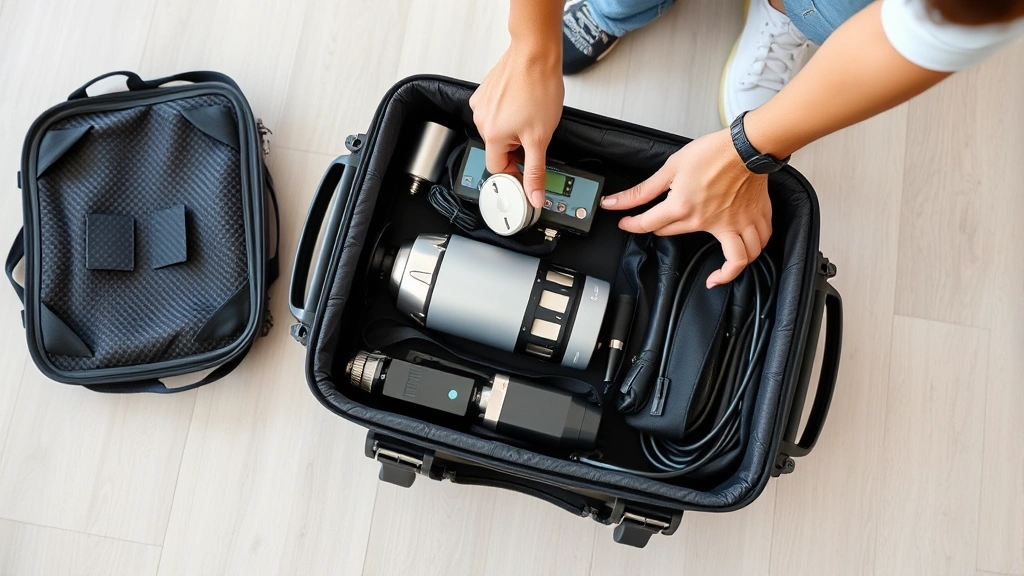
Protective Cases: Invest in protective cases or padded bags for fragile equipment. Many medical device manufacturers offer travel cases designed specifically for their products. These cases protect against impact, moisture, and temperature changes.
Temperature Control: Many medical devices are sensitive to temperature extremes. Insulin, for example, should be kept between 36-46°F when not in use. Use insulated travel cases with cooling packs for temperature-sensitive medications and devices. Avoid leaving equipment in hot cars or direct sunlight.
Battery and Power Management: Carry extra batteries and multiple chargers for battery-powered devices. Pack chargers in your carry-on and checked luggage. Consider portable power banks for phones and smaller devices. Research power outlet types at your destination and bring appropriate adapters.
Backup Equipment: If possible, travel with backup equipment or supplies. For devices like CPAP machines or glucose monitors, having a backup prevents travel disruption if your primary device fails.
Documentation Organization: Keep all medical documentation easily accessible—in your carry-on, wallet, and phone (digital copy). Organize papers by category: airline requirements, customs documentation, healthcare provider letters, and insurance information.
Security Screening Preparation: Arrive early for flights to allow extra time for medical device screening. Place your medical letter on top of your carry-on for easy access. Be prepared to explain your equipment to security personnel, but know your rights—TSA agents should follow specific protocols for medical devices.

FAQ
Do I need a doctor’s letter to travel with medical equipment?
While not always legally required by TSA, a medical letter from your healthcare provider is highly recommended. It smooths your passage through security and customs, prevents equipment confiscation, and demonstrates medical necessity. It’s essential for international travel and strongly advised for domestic flights.
Can I take my oxygen concentrator on an airplane?
Yes, FAA-approved portable oxygen concentrators are permitted on most airlines, but you must notify your airline in advance (typically 24-72 hours). You’ll need a medical letter from your physician confirming your oxygen prescription. The airline may require you to demonstrate the device’s functionality before boarding. Check with your specific airline for their requirements, as policies vary.
What if my medical equipment breaks during travel?
Contact your healthcare provider via telehealth immediately for guidance. They can help you troubleshoot or direct you to local repair services or emergency facilities. Having your device’s model number and serial number readily available helps with repairs. Travel insurance covering medical equipment damage can help with replacement costs.
Can I bring insulin and syringes through airport security?
Yes, insulin, syringes, and other diabetes management supplies are permitted in carry-on and checked baggage. They’re exempt from the 3.4-ounce liquid rule. Keep these items with you in your carry-on to maintain proper temperature control and ensure accessibility. Bring your medical letter if you’re concerned about questions at security.
How far in advance should I notify my airline about medical equipment?
Contact your airline at least 24-72 hours before your flight, though some airlines prefer earlier notification. This gives them time to note your reservation and prepare for your needs. For international flights or complex medical equipment, notify them as soon as you book your ticket.
What should I do if I need a medication refill while traveling?
Use telehealth to consult with a licensed provider who can write a prescription. Have the prescription sent to a pharmacy near your location. Alternatively, contact your primary care provider’s office for an emergency refill authorization. Keep your insurance information and prescription records accessible for reference.
Is my medical equipment covered by travel insurance?
Standard travel insurance typically doesn’t cover medical equipment. Look for specialized medical equipment or comprehensive travel insurance that includes coverage for device damage or loss. Review the policy details carefully and confirm coverage for your specific equipment before purchasing.
Can I travel internationally with controlled medications?
Controlled medications have strict international regulations. Research your destination country’s specific laws before traveling. Keep medications in original, labeled containers with your name on them. Carry a copy of your prescription and medical letter. Some countries prohibit certain medications entirely, so verify before packing.
How do I keep my medical equipment secure during travel?
Keep essential equipment with you at all times in your carry-on bag. Use TSA-approved locks on luggage containing backup supplies. Consider travel insurance covering medical equipment theft. When staying in accommodations, store equipment in a safe if available. Keep serial numbers and photos of expensive equipment for insurance purposes.
What’s the best way to manage time zones with medication schedules?
Consult your healthcare provider before traveling across multiple time zones. For medications taken at specific times, ask whether to follow your home time zone or adjust to your destination’s time. For insulin or other time-sensitive medications, your provider can give specific guidance. Telehealth makes this consultation convenient, even during travel.